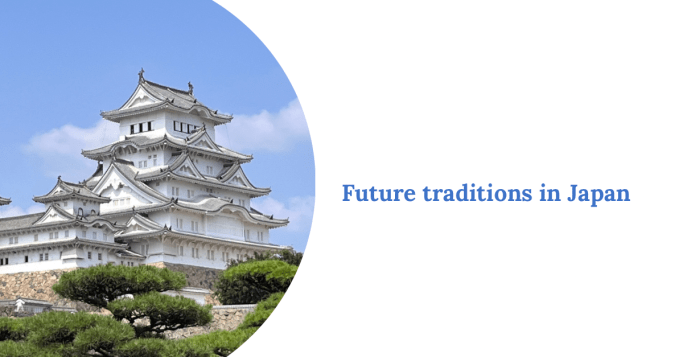
It was a dream come true to visit Japan as it had been on my bucket list for many years!
We took a glimpse into the future while visiting enchanting districts in Kyoto and got lost in the city much like ants between skyscrapers in Tokyo!
Chapter 1: Neon Lights in Osaka and a Sustainable Future Ahead
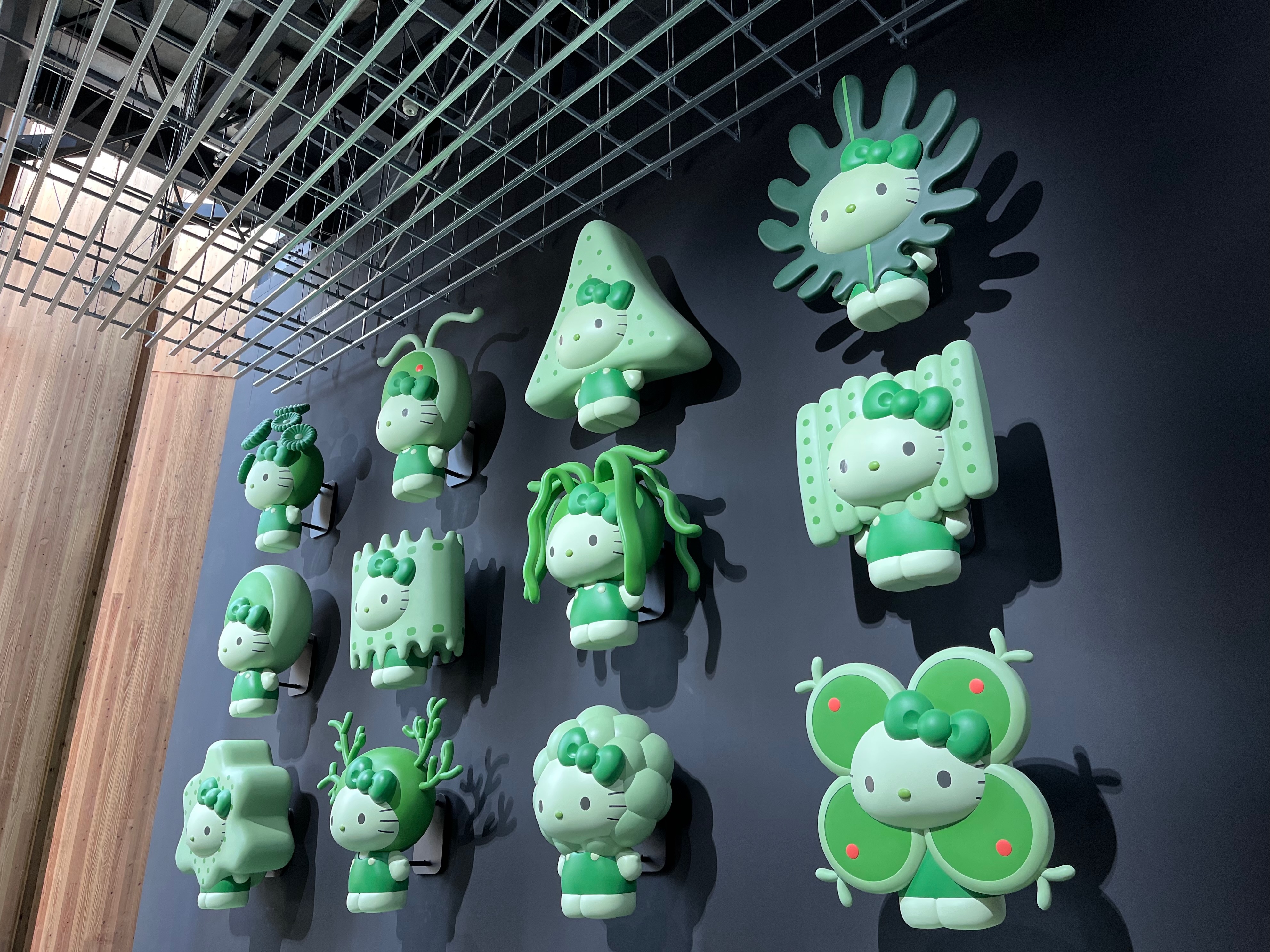
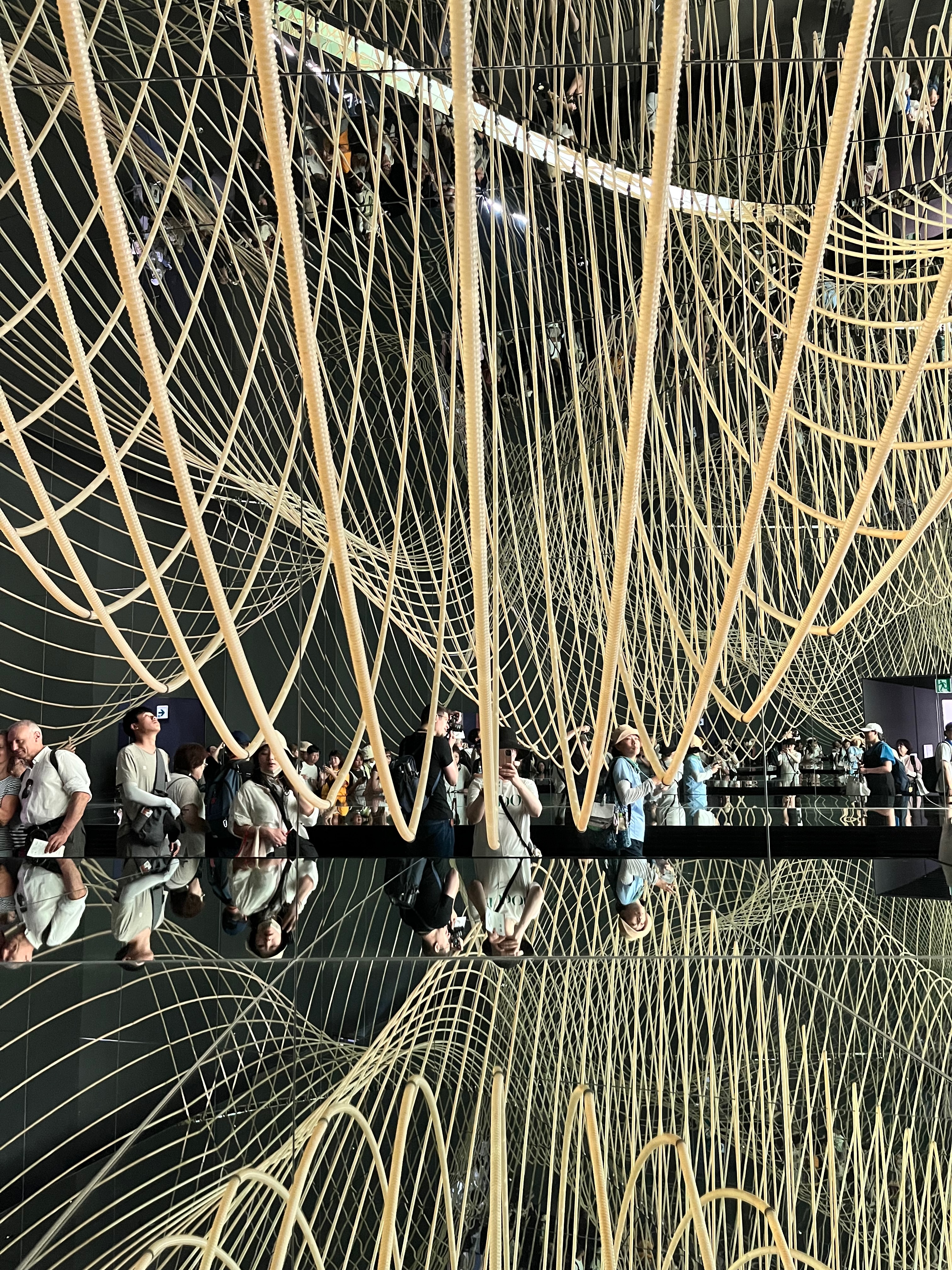
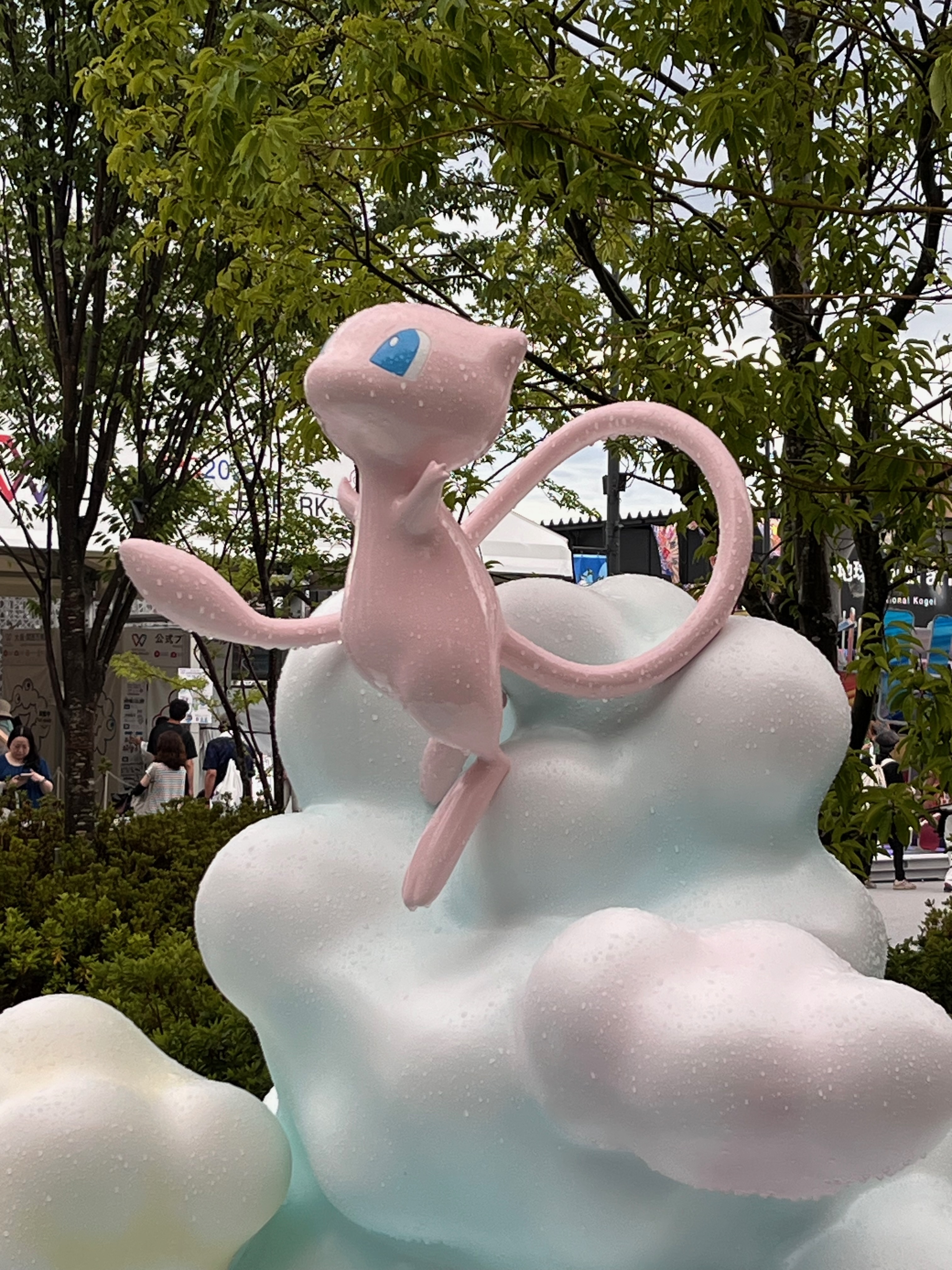
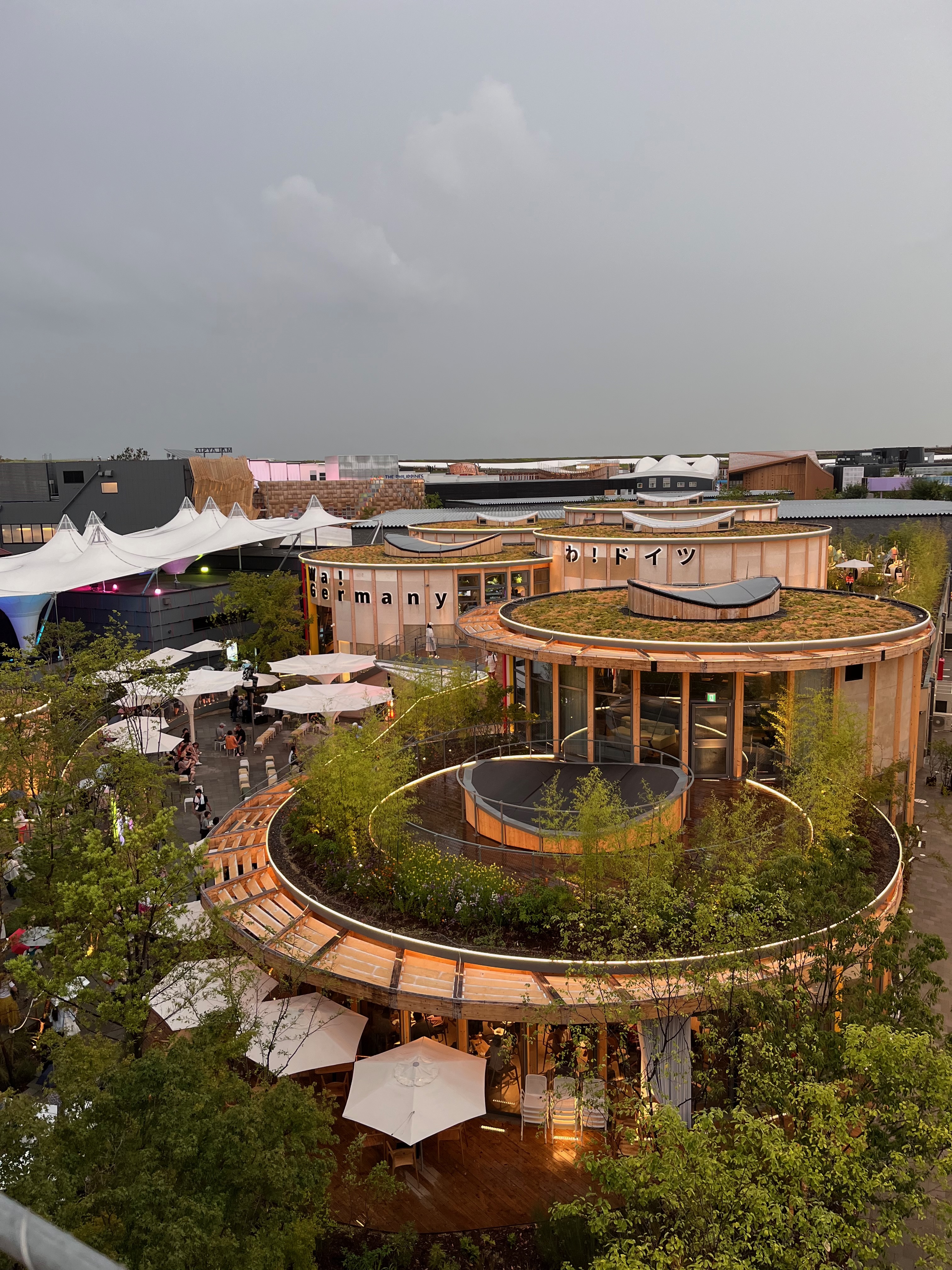
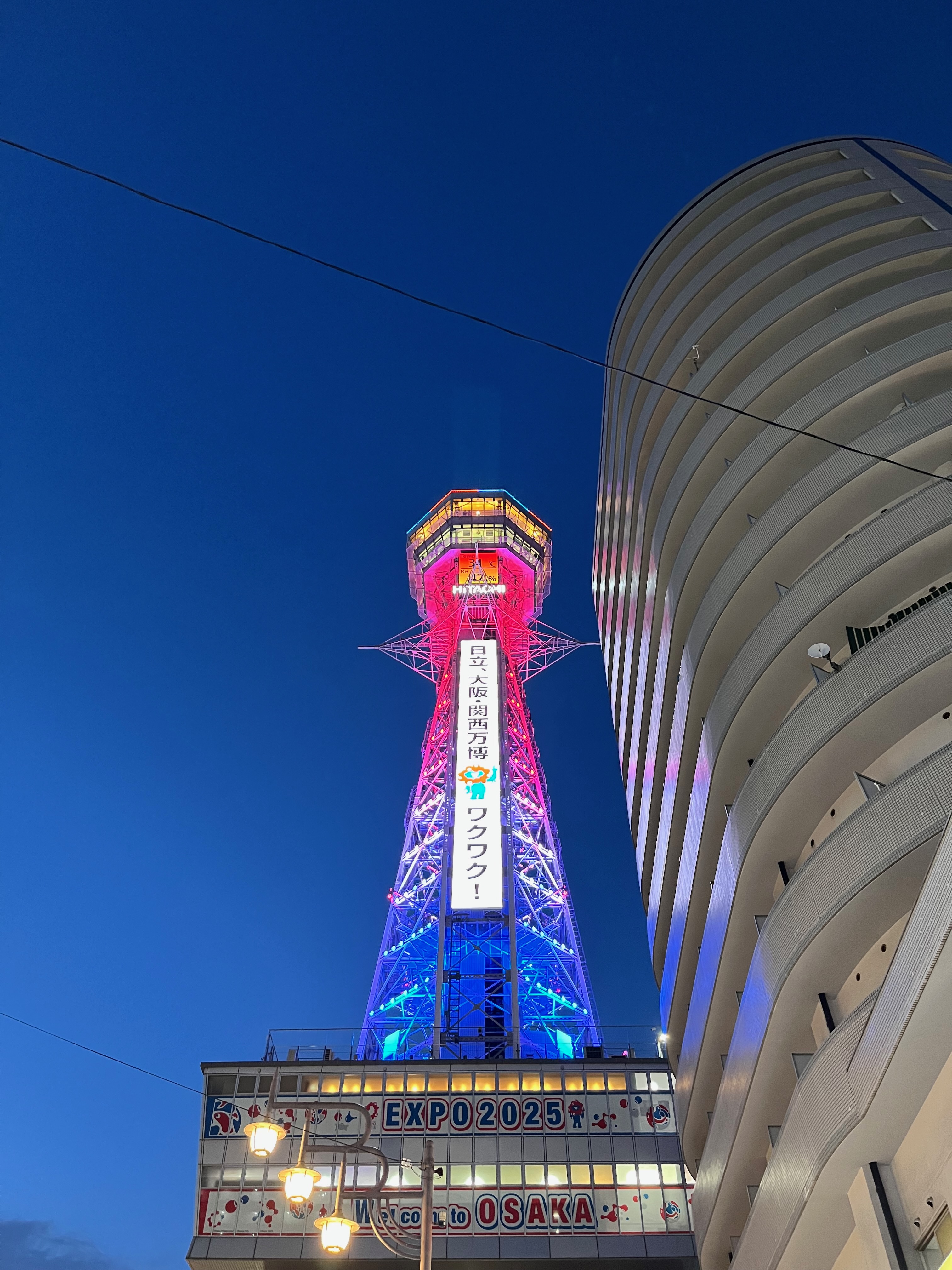
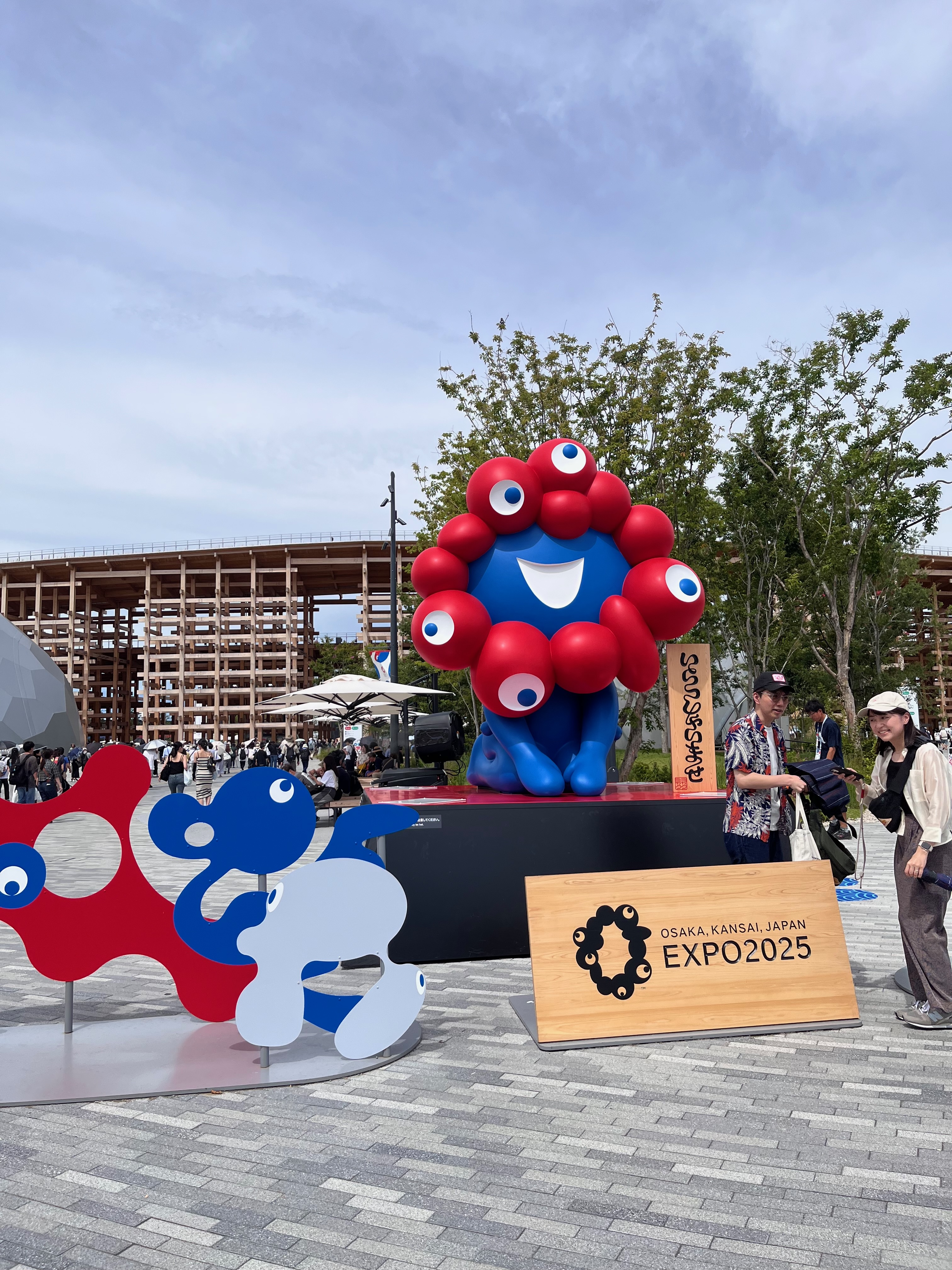
We started in Osaka because one of the first things we wanted to do was visit the EXPO 2025 to learn about future concepts and how a sustainable life can be shaped for a better tomorrow.
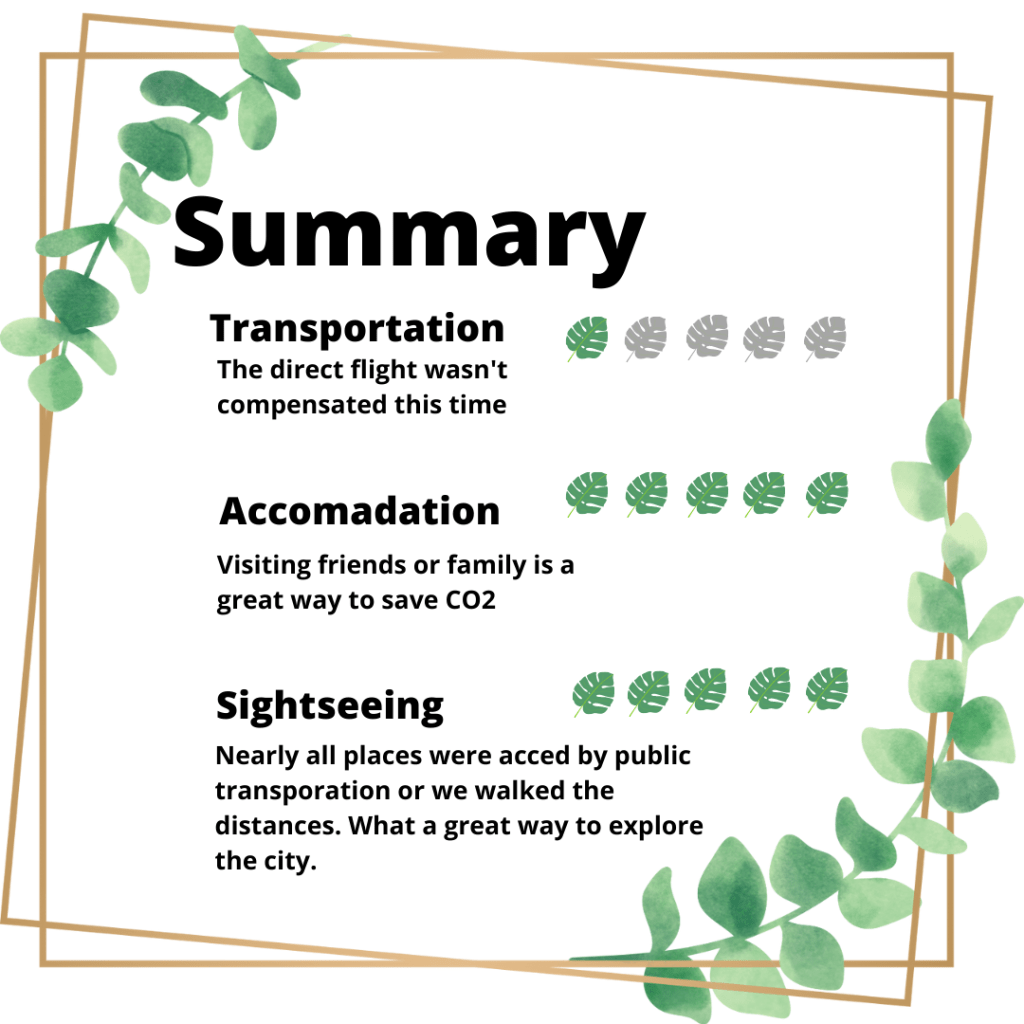
We first arrived in Osaka and took the Hello Kitty Haruka Train from Kansai Airport to the city centre. Trains are on time, and even if it’s crowded, people enter and leave the train in a disciplined and quiet manner. It’s a pleasant and smooth way to go from A to B, and yes… usually I feel very stressed when it comes to public transportation because it is quite a challenge in Germany 😊
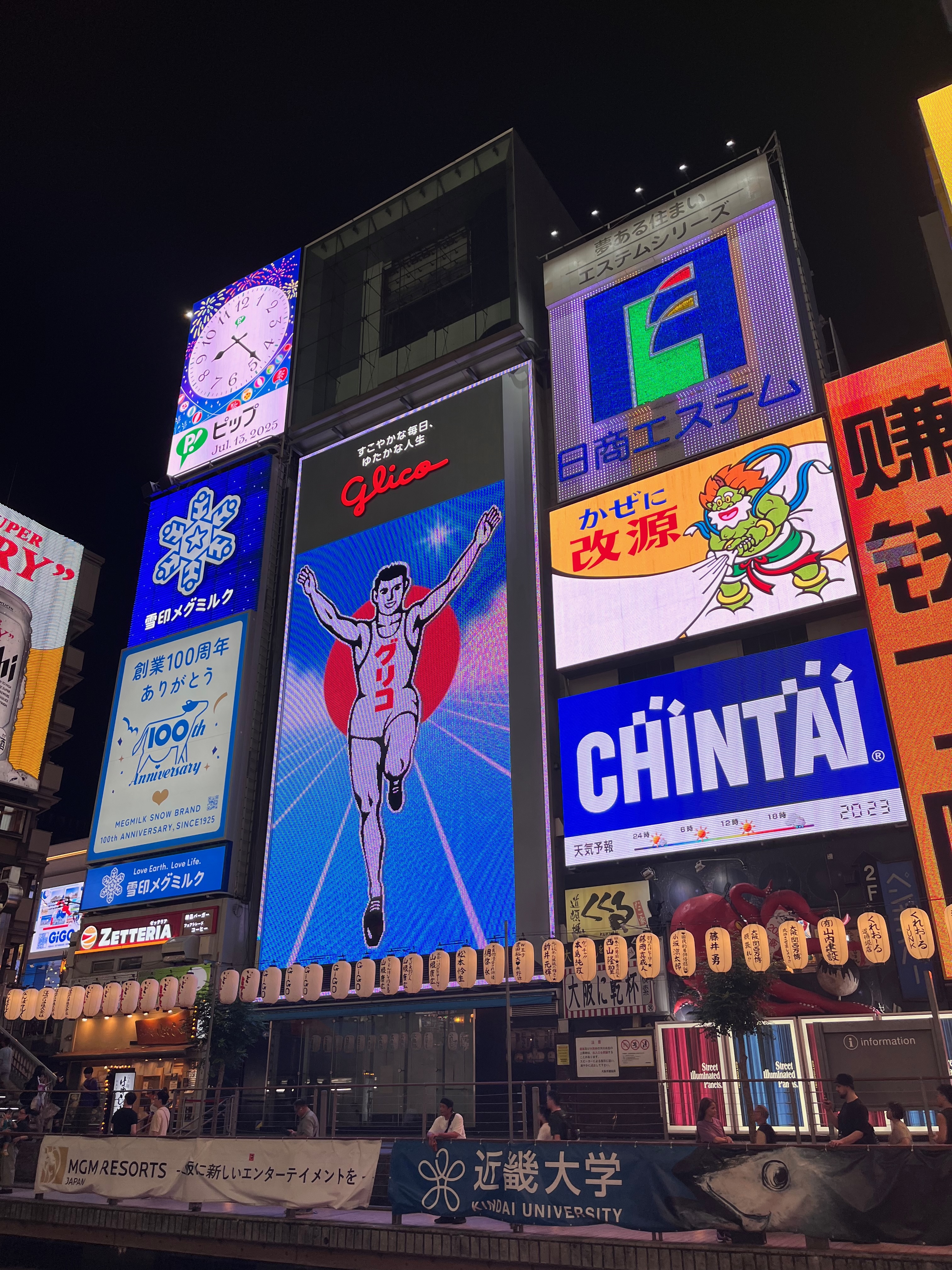
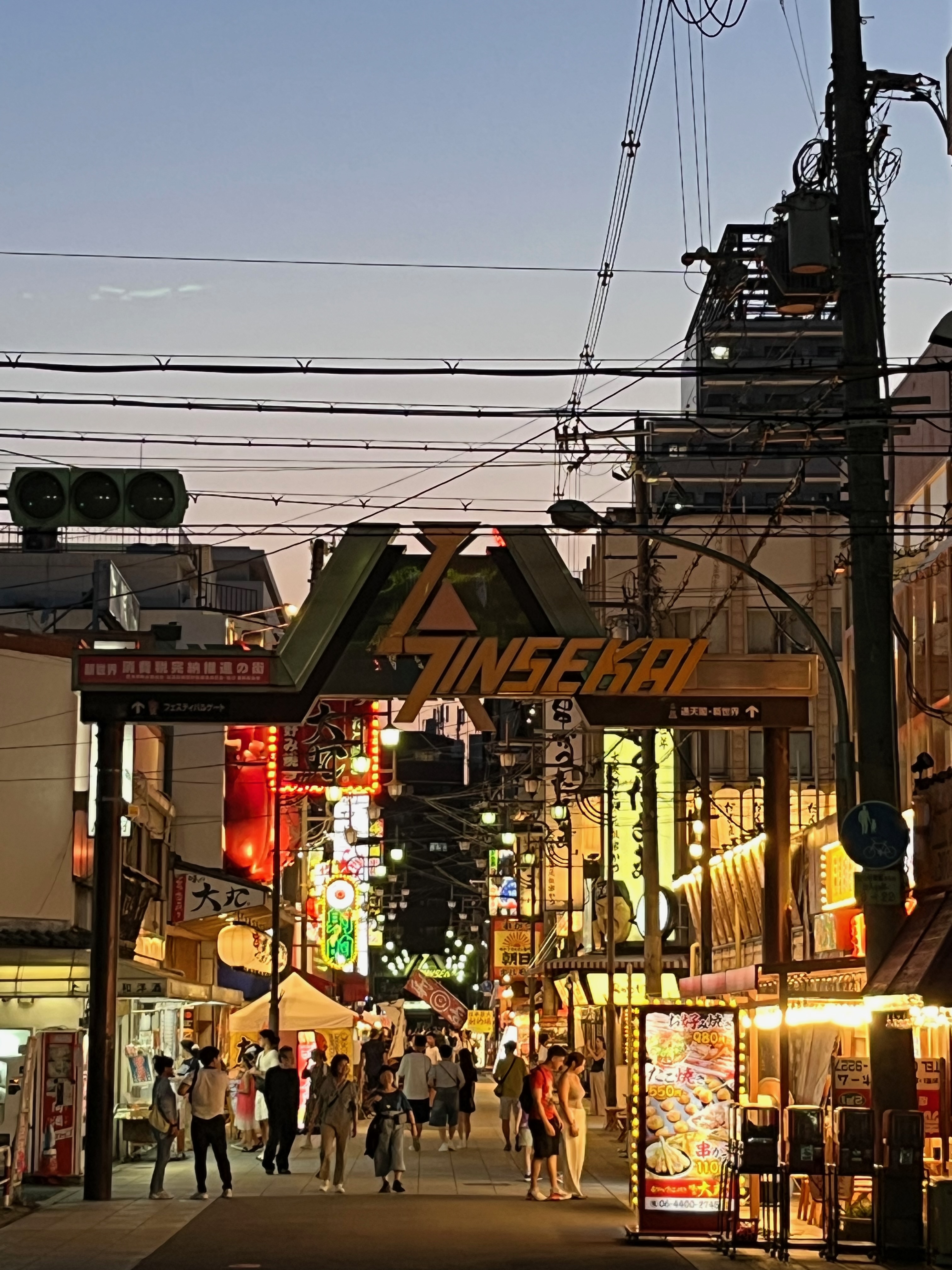
We checked into our hotel, and therefore, this time you won’t find a review with a focus on sustainability. So, after check-in, some refreshments, and a break, we were ready to explore our first evening in Osaka. Our hotel was located in the Namba district, which is near the canal and the famous Glico Man, with many food options all around.
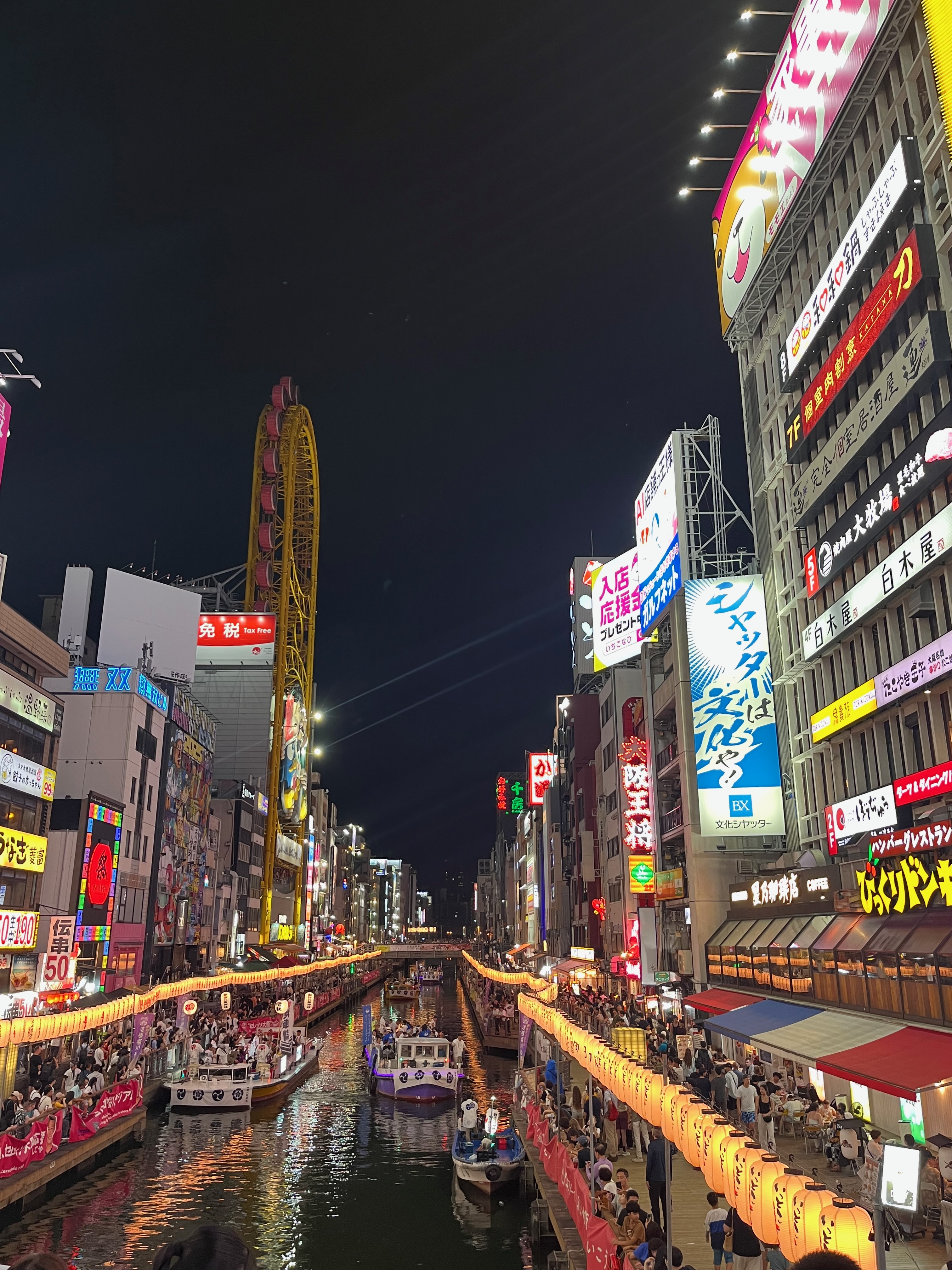
During the first evening, we dived into the vivid atmosphere of the city on a hot summer evening. Since the canal is very popular among tourists, we found ourselves in a crowd of people from around the world chatting, dining, and exploring the city, as we did while watching a parade of boats. Those boats formed a procession with chanting locals, creating a very peculiar atmosphere while everyone else was watching and trying to figure out what kind of festivity was taking place.
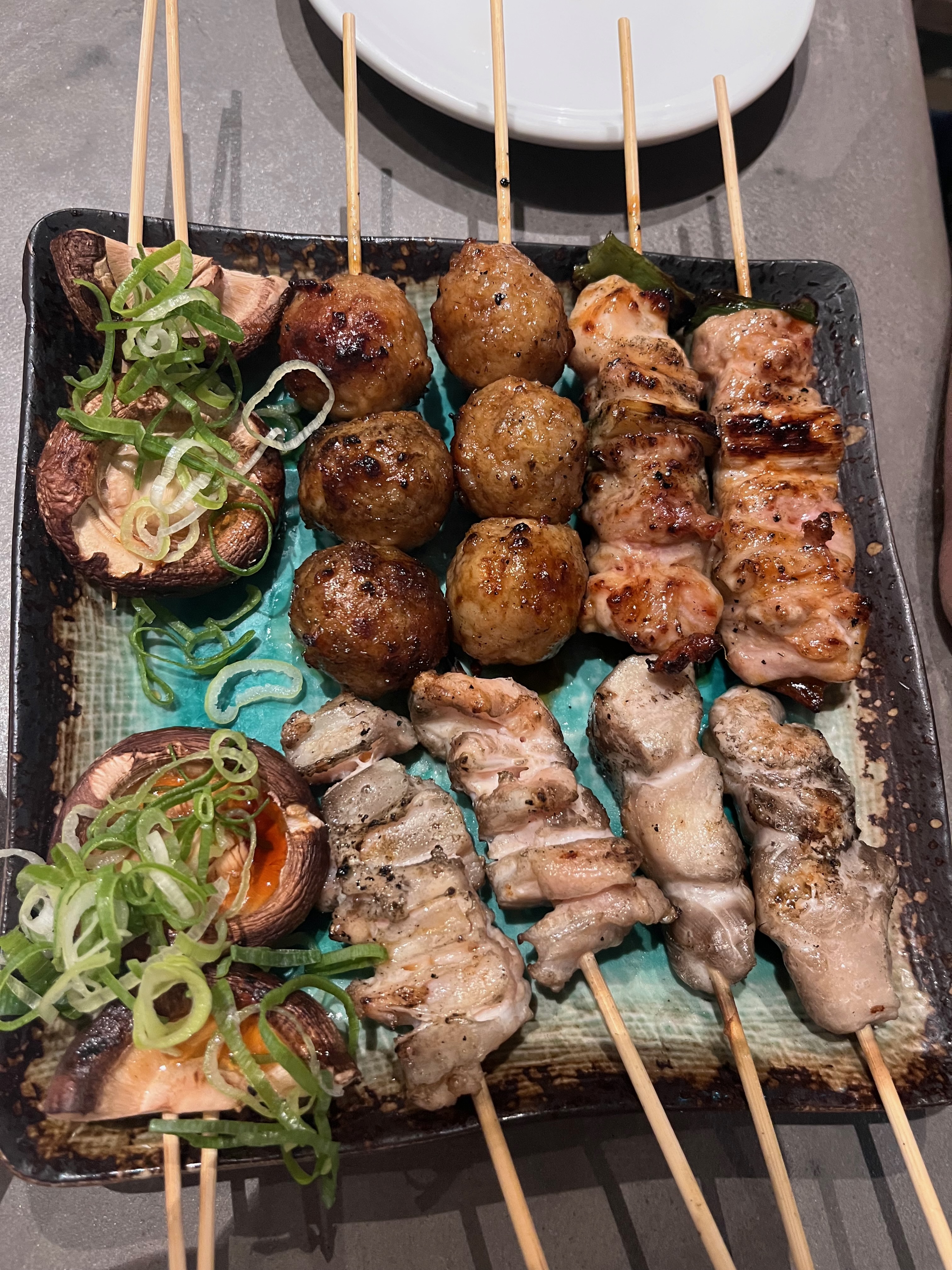
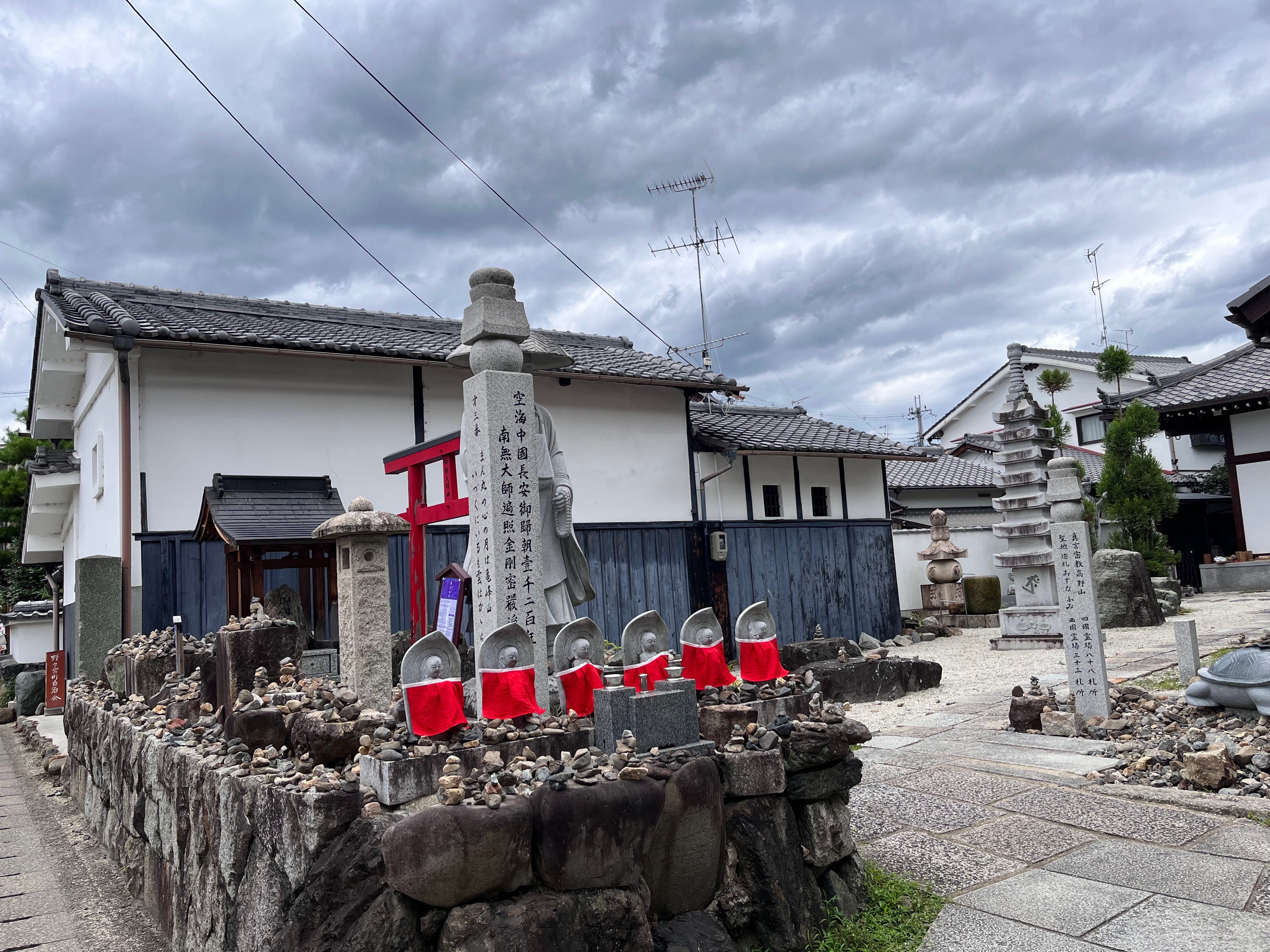
At some point, after strolling around the city and passing by those famous takoyaki and seafood restaurants, we became really hungry and started to look for a proper place where fewer tourists were hunting for food. After a while, we walked through tiny alleys, passed by a hidden temple, and found an Izakaya where we ordered different Japanese soul-warming dishes. At some point, I had to admit that the jet lag won, and even though I wanted to stay awake and dig deeper into the atmosphere, I had to remind myself that some rest would be wiser to prepare for the next day.
We had been looking forward to visiting EXPO 2025 for a long time.
My first realization while traveling to Japan was: do it like the locals and get yourself an umbrella if you travel to the country during summer! The sun is truly merciless, and it’s wise to have a proper shield protecting you from the intense light.
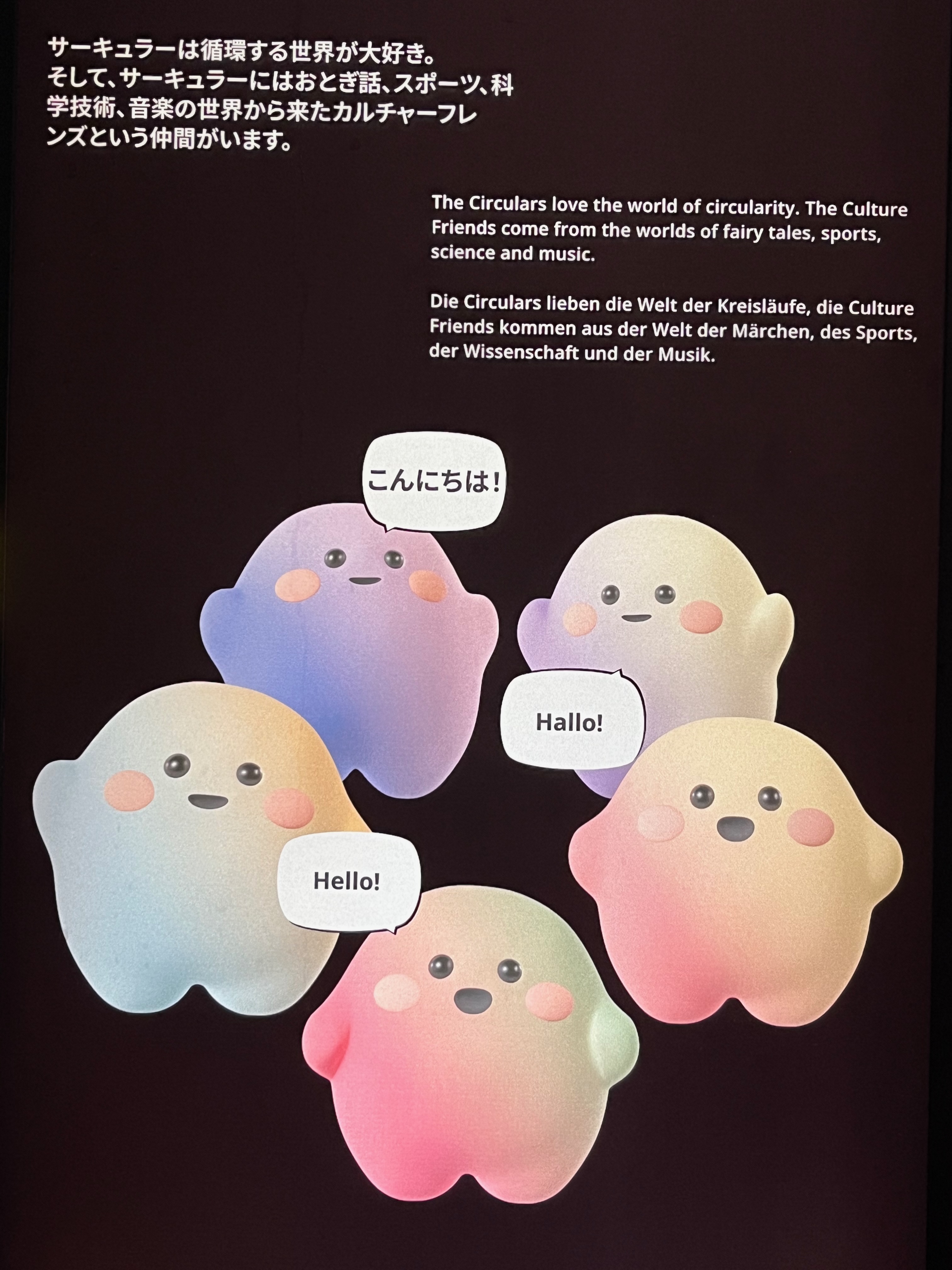
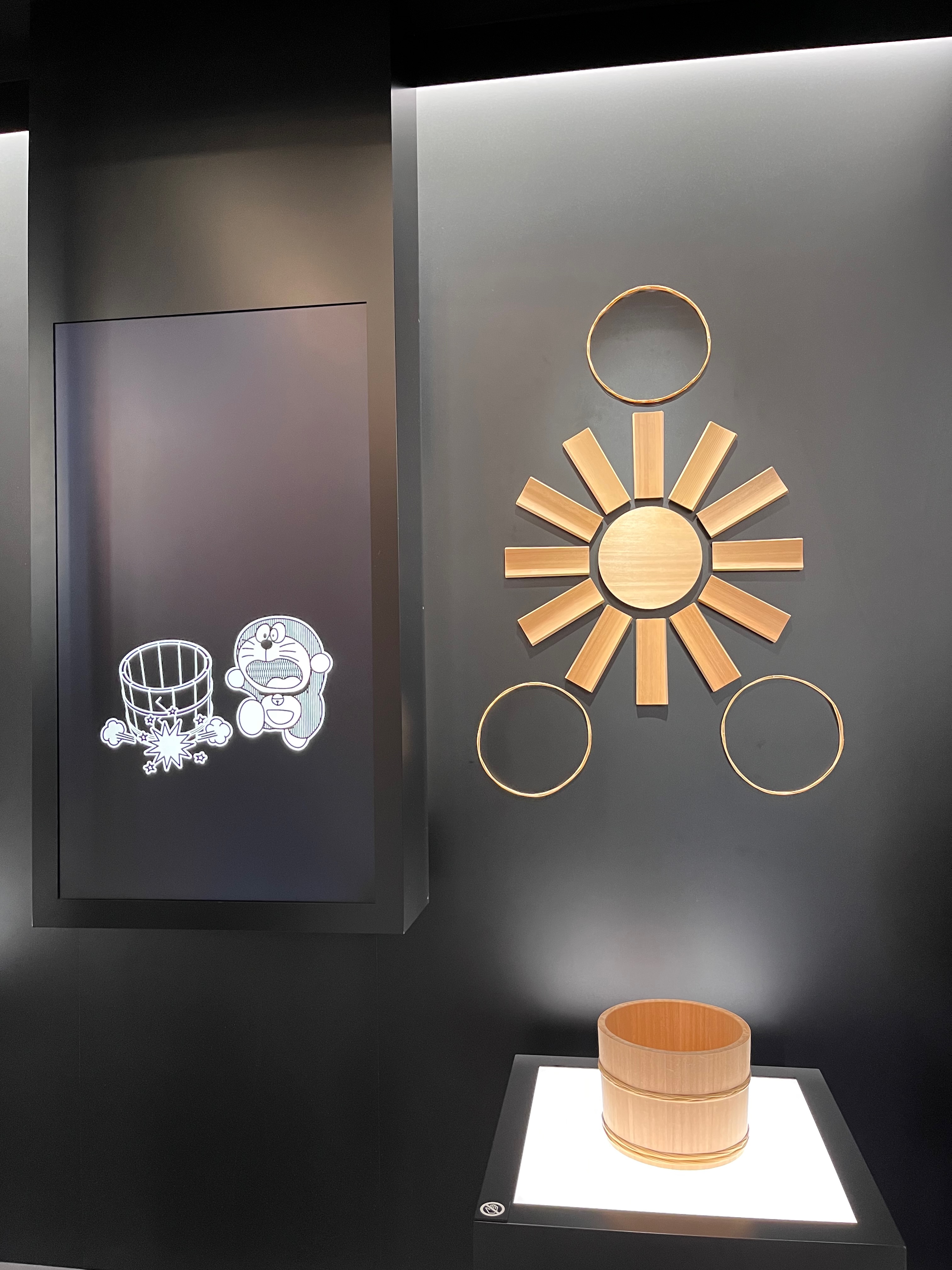
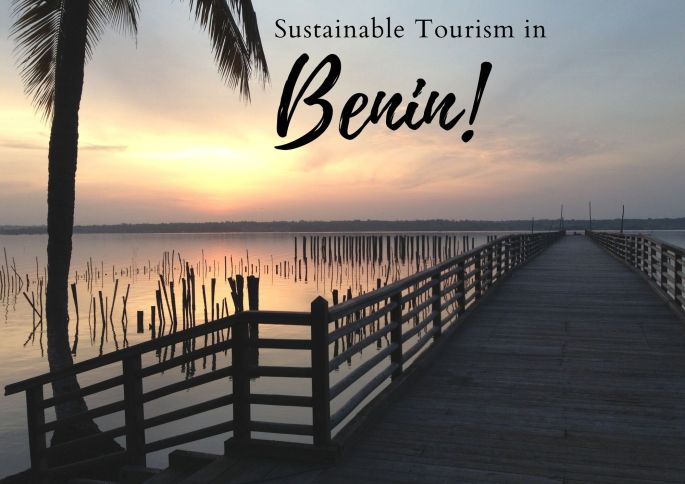
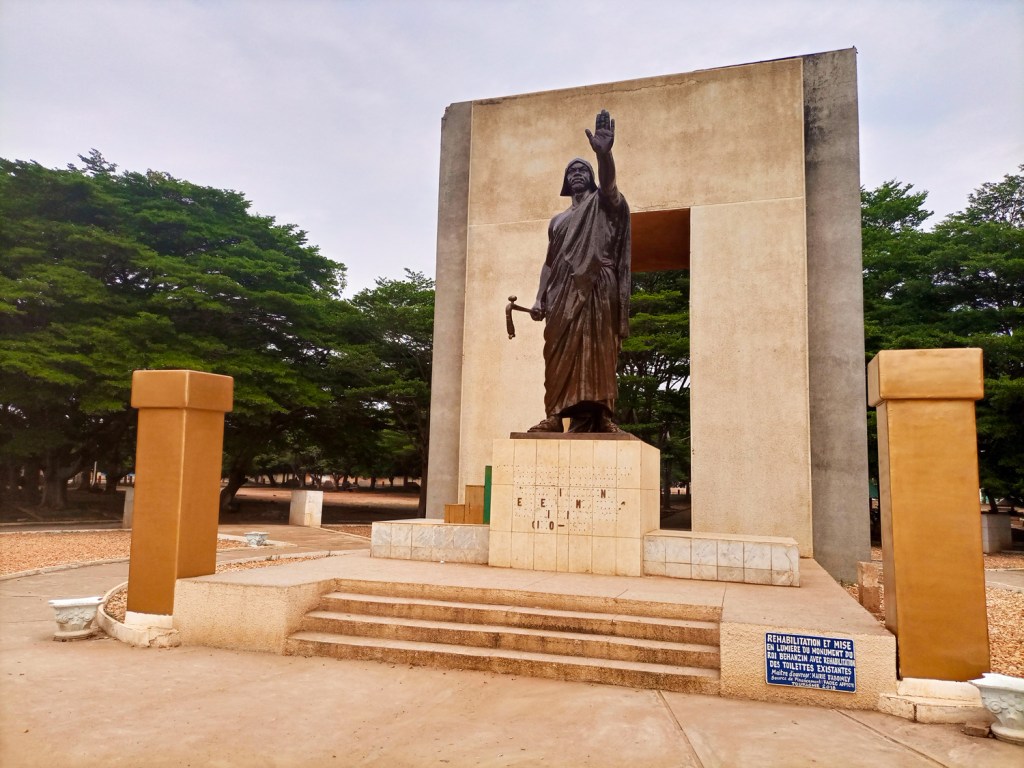
The EXPO is a journey around the world while glimpsing into the future and how it might be. The overall topic was “Future Society for Our Lives.” From biodegradable plastic to algae as storage for CO2 and food, we traveled around the world learning about the many concepts of how we can shape our lives in a more sustainable way: from Japan to China, Australia, and Benin, it was a rush around the world in just 24 hours 😁
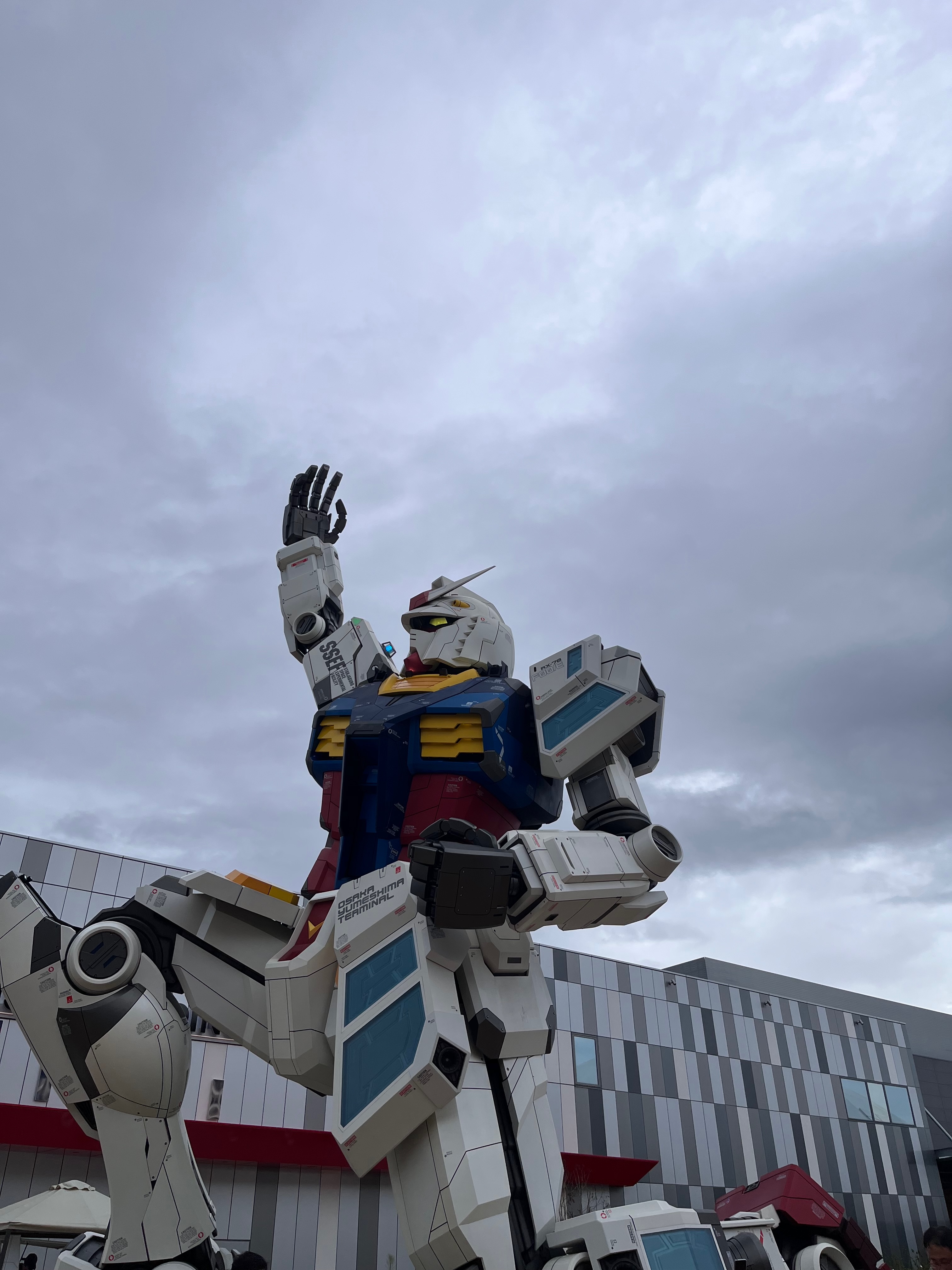
My main takeaway from the EXPO was this: plan enough time and do your research. I have no idea how the next one will be organized. But for the EXPO 2025 in Osaka, it was very important to understand and use the lottery system to get access to the most popular pavilions, like the Gundam and Panasonic pavilions. Unfortunately, we didn’t win and couldn’t visit them, but we were fascinated by what we were able to discover.
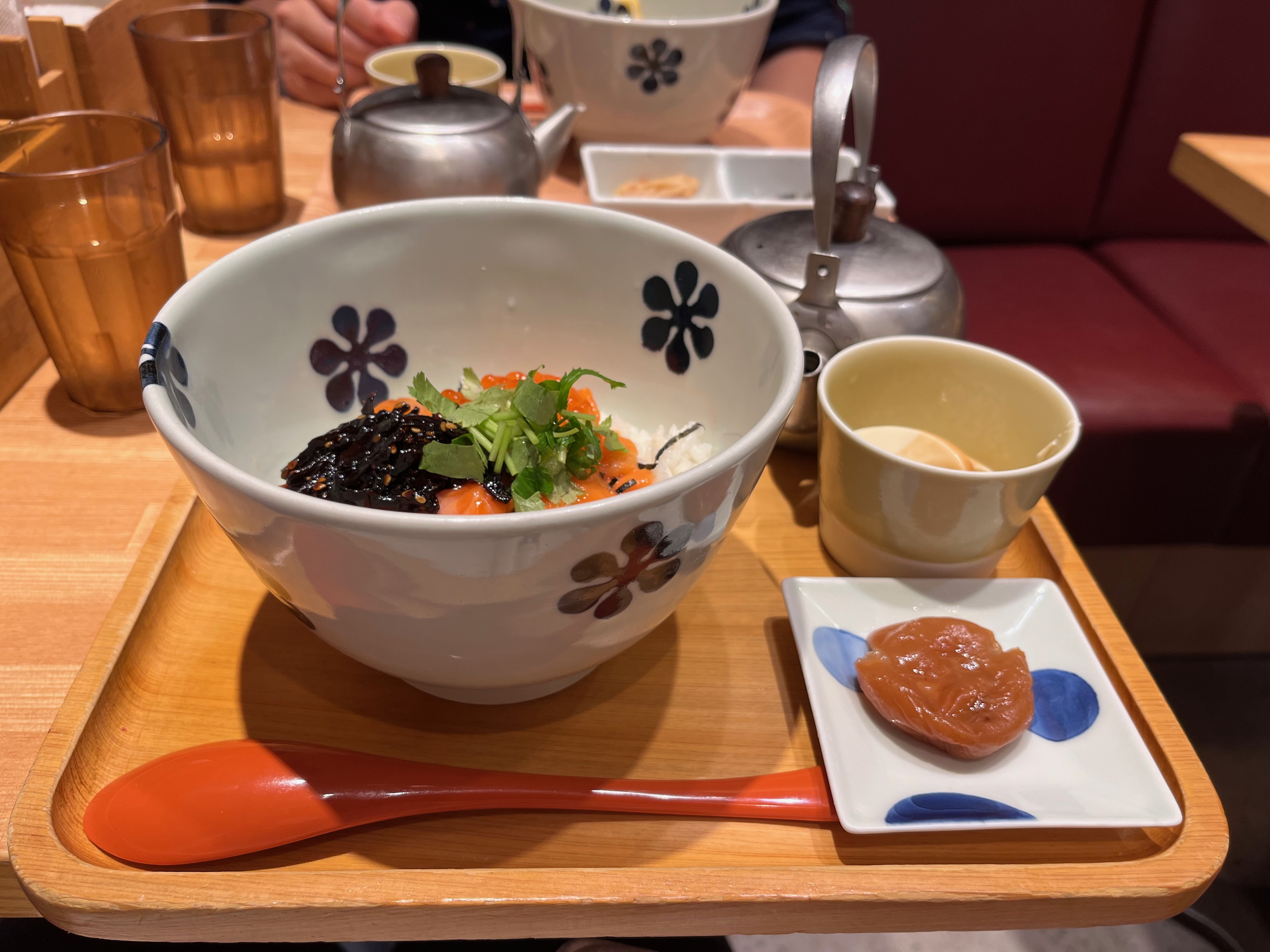
When it comes to transportation, I have never seen a bigger train station with more people buzzing from A to B than in Osaka, with so many shopping malls included that at some point, I experienced information overload. With more than 2 million passengers a day, it’s the fourth busiest train station in the world. It’s a fantastic example of how well organized and smoothly people can travel. Besides that, we found some very nice food spots in the train station and the nearby mall, where we enjoyed my first traditional Japanese breakfast, sushi, and yakitori. Fresh, delicious, and just an experience you shouldn’t miss.
Since Osaka is a great base for visiting nearby cities, we stayed a couple of days and headed to further famous locations.
Recommendations for Osaka:
Chapter 2: Deer, a Temple, and the Castle in the Sky
Nara is probably recommended in every tourist guide, but it is so worth visiting!
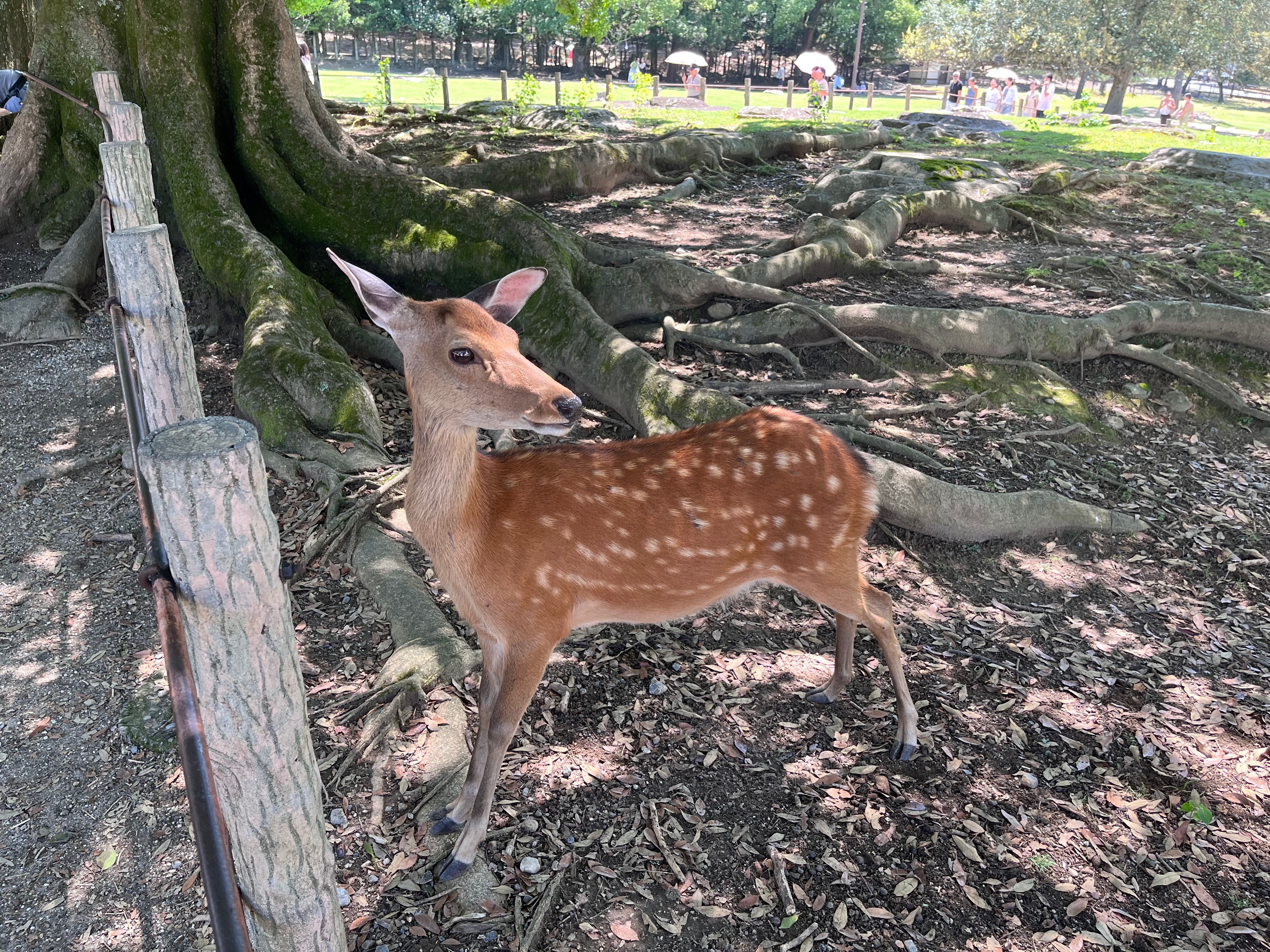
First of all, it is very famous for its more or less wild deer that you can find in the park and close to Todai-ji. They’re adorable — and surprisingly assertive. Along the path to Todai-ji, you can buy some special deer crackers. Beware: they are tasty and much loved by the deer, so take care, feed them properly, and don’t mess around. They can switch from sweet to angry. And please remember that these furry friends are living creatures with their own will. If they don’t want to help you create a viral Instagram hit, just leave them be.
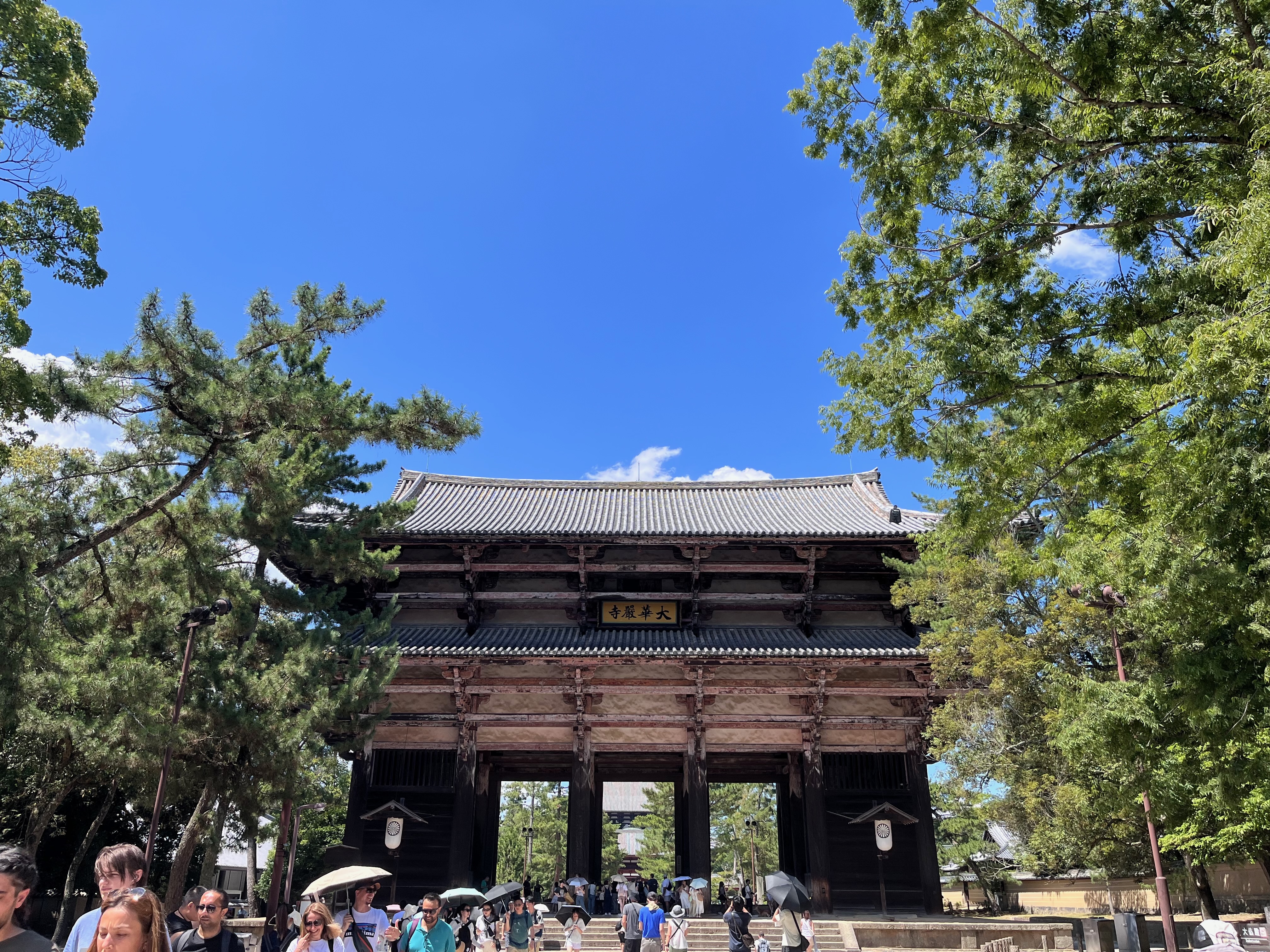
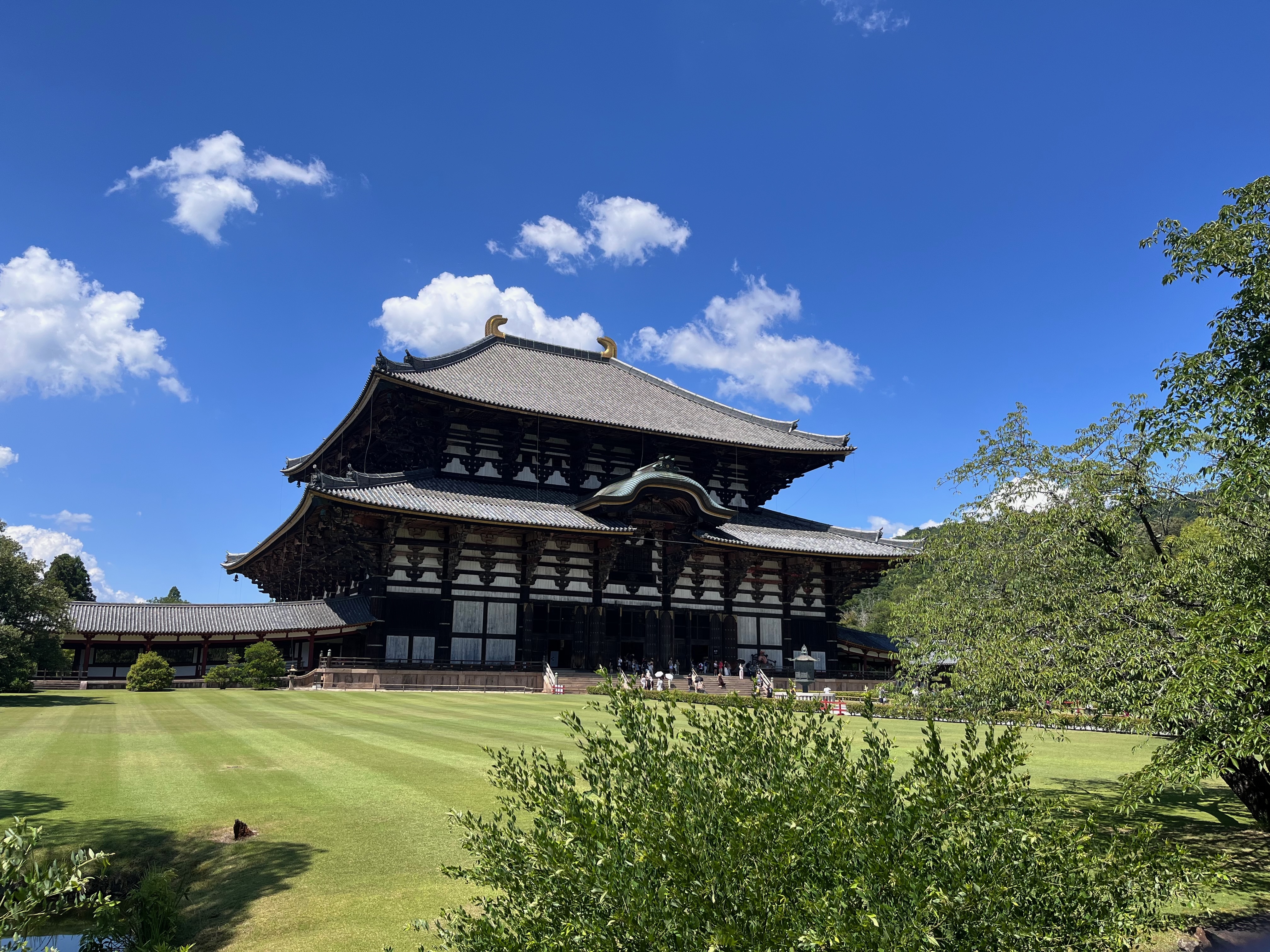
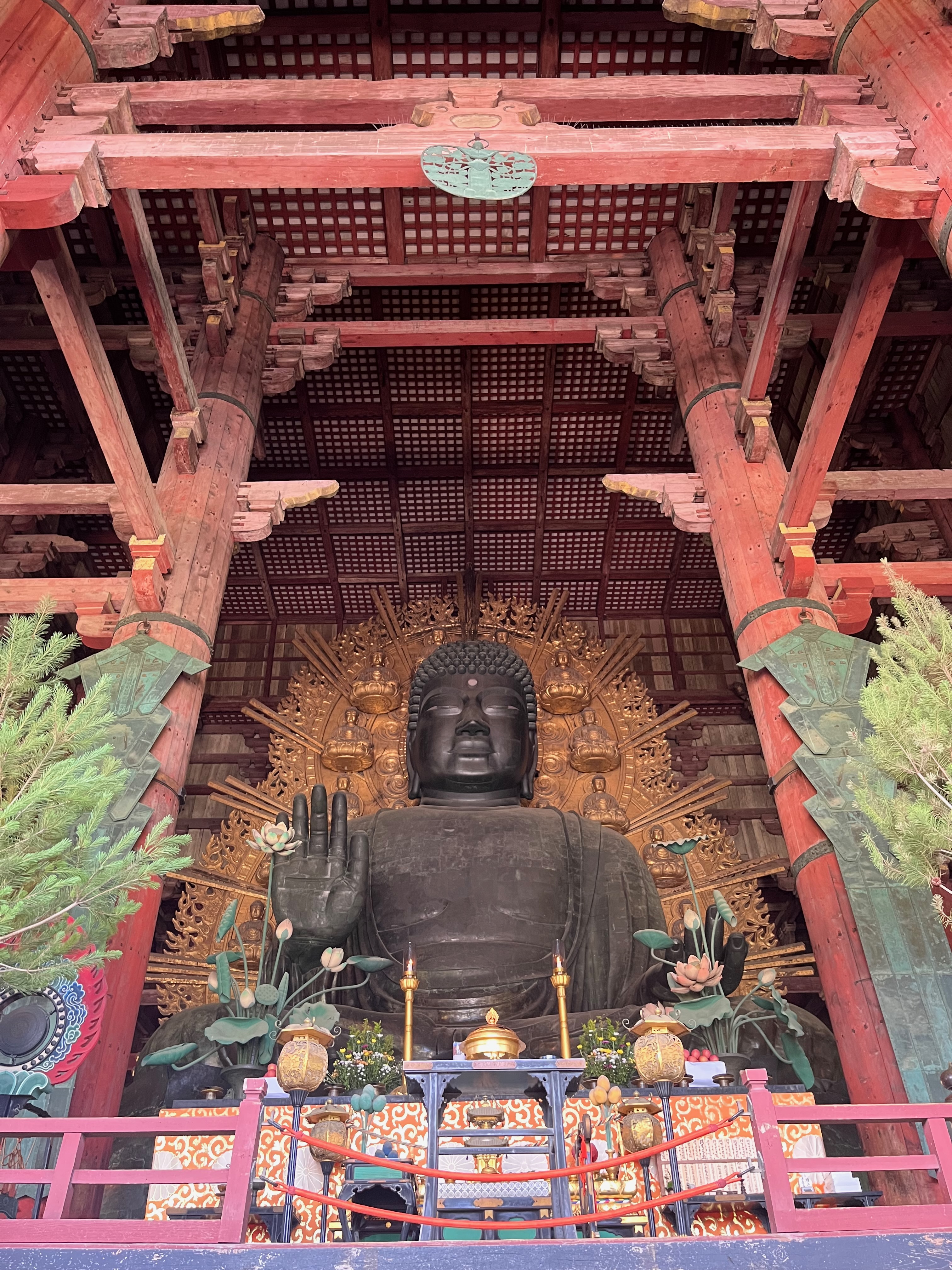
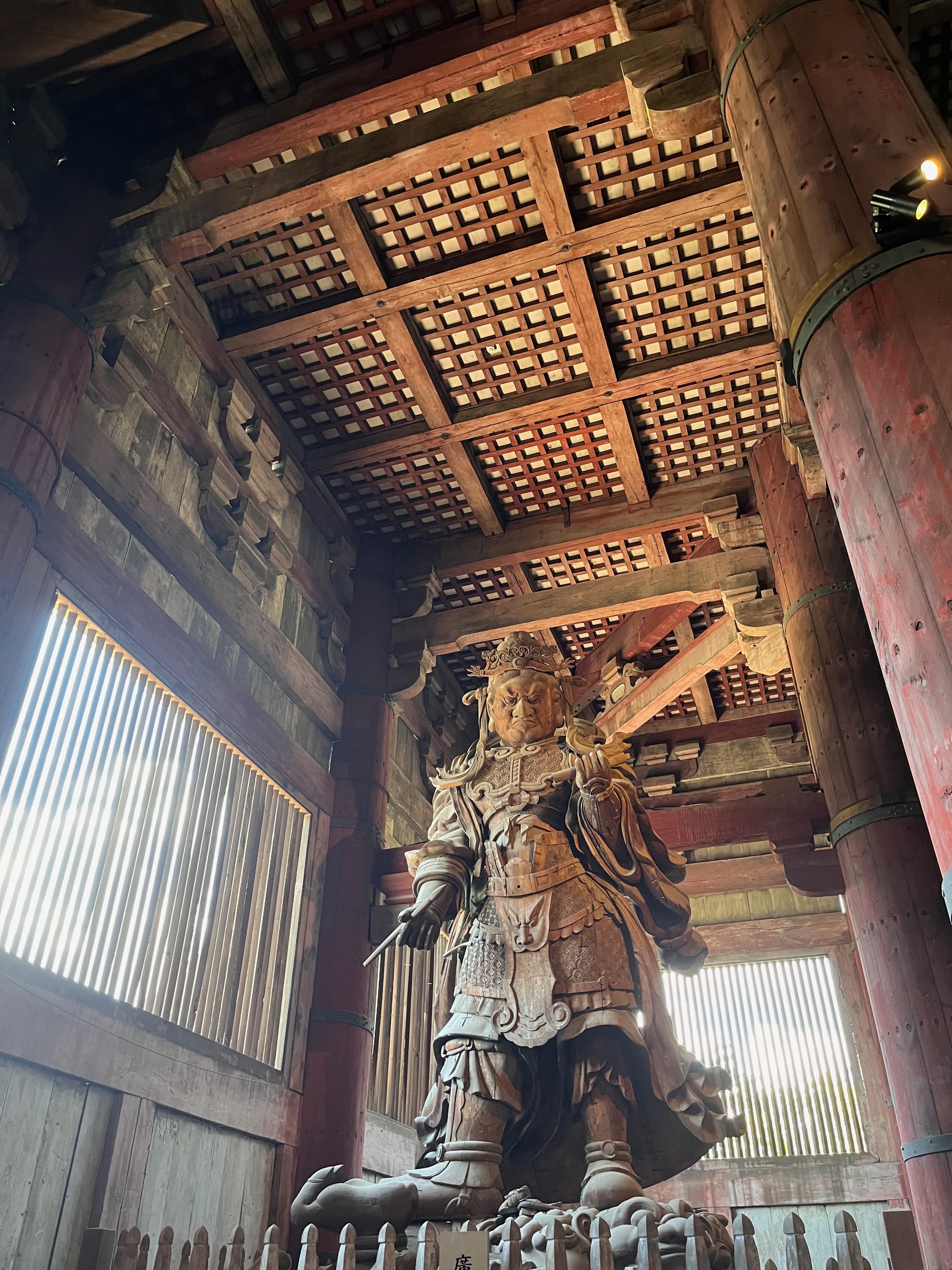
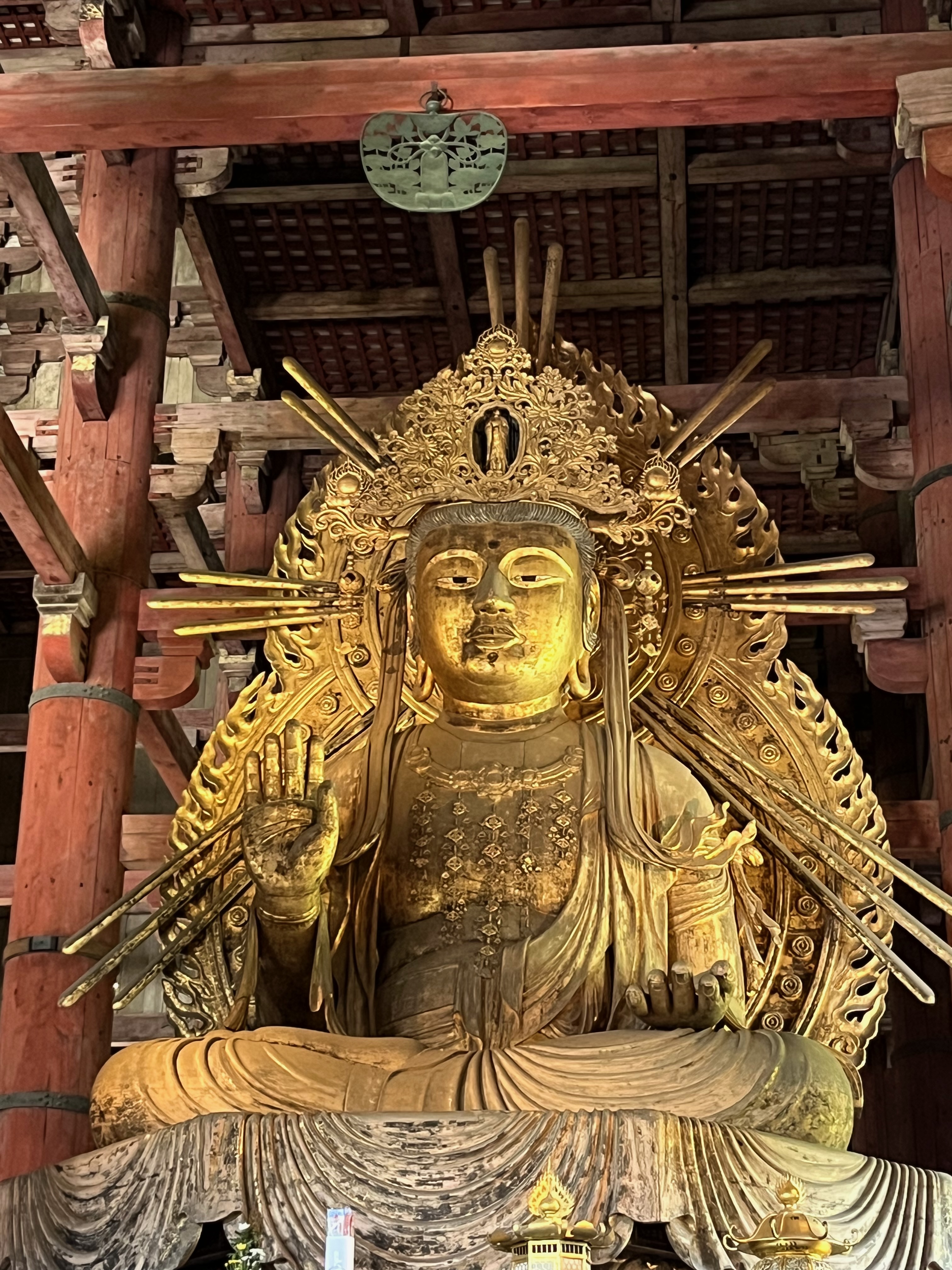
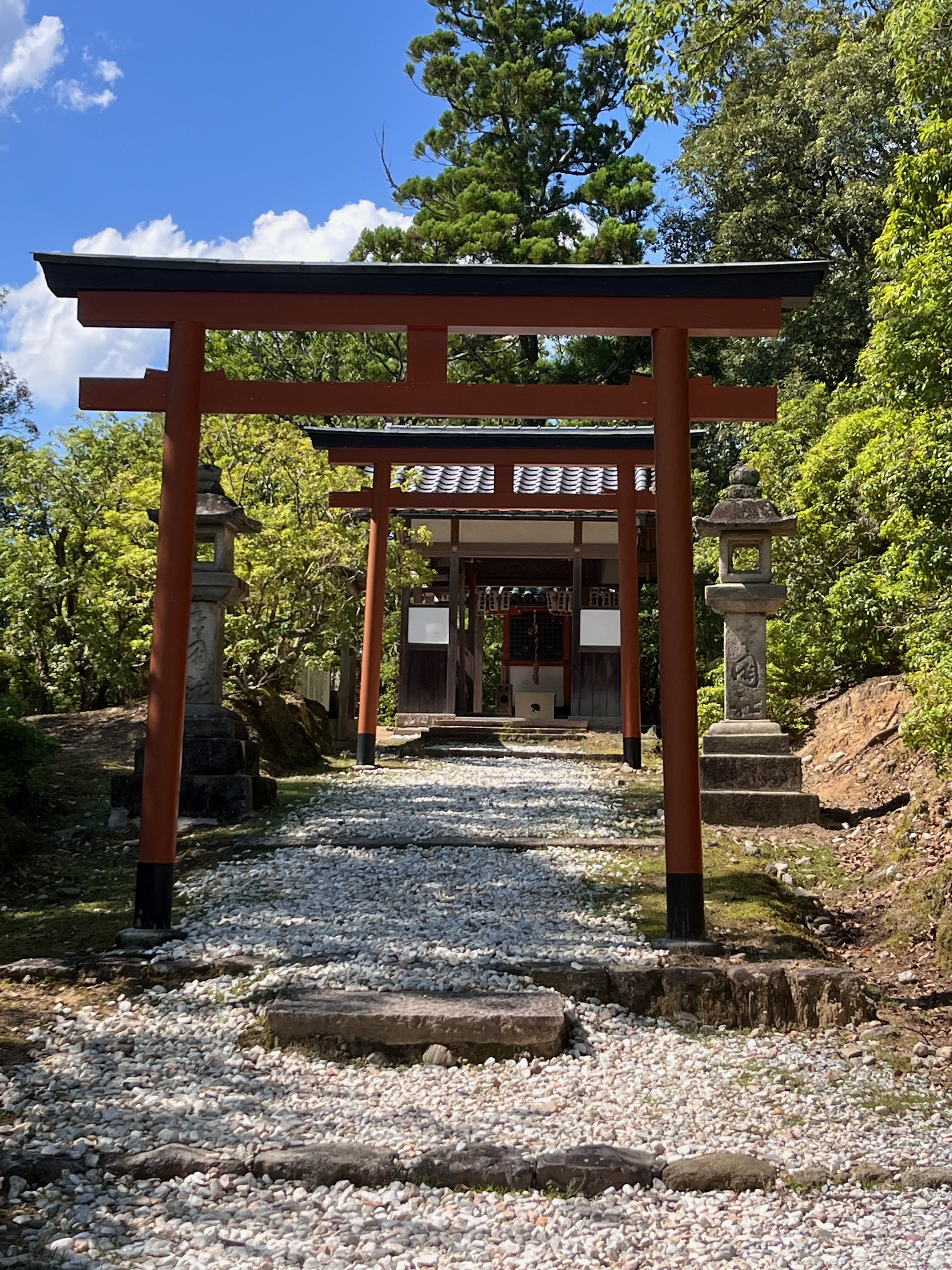
Besides the deer, Nara is famous for the above-mentioned and very beautiful temple Todai-ji, a stunning Buddhist temple. It is famous for its impressive Buddha statue, the Daibutsu. In the same huge hall, you can find a smaller golden Buddha statue residing in the main hall. The whole temple is a World Cultural Heritage site and provides an atmosphere where you can feel wisdom and dignity all around. It’s worth taking some time to stroll around, forget the hectic pace of your daily life, simply be present, and reflect.
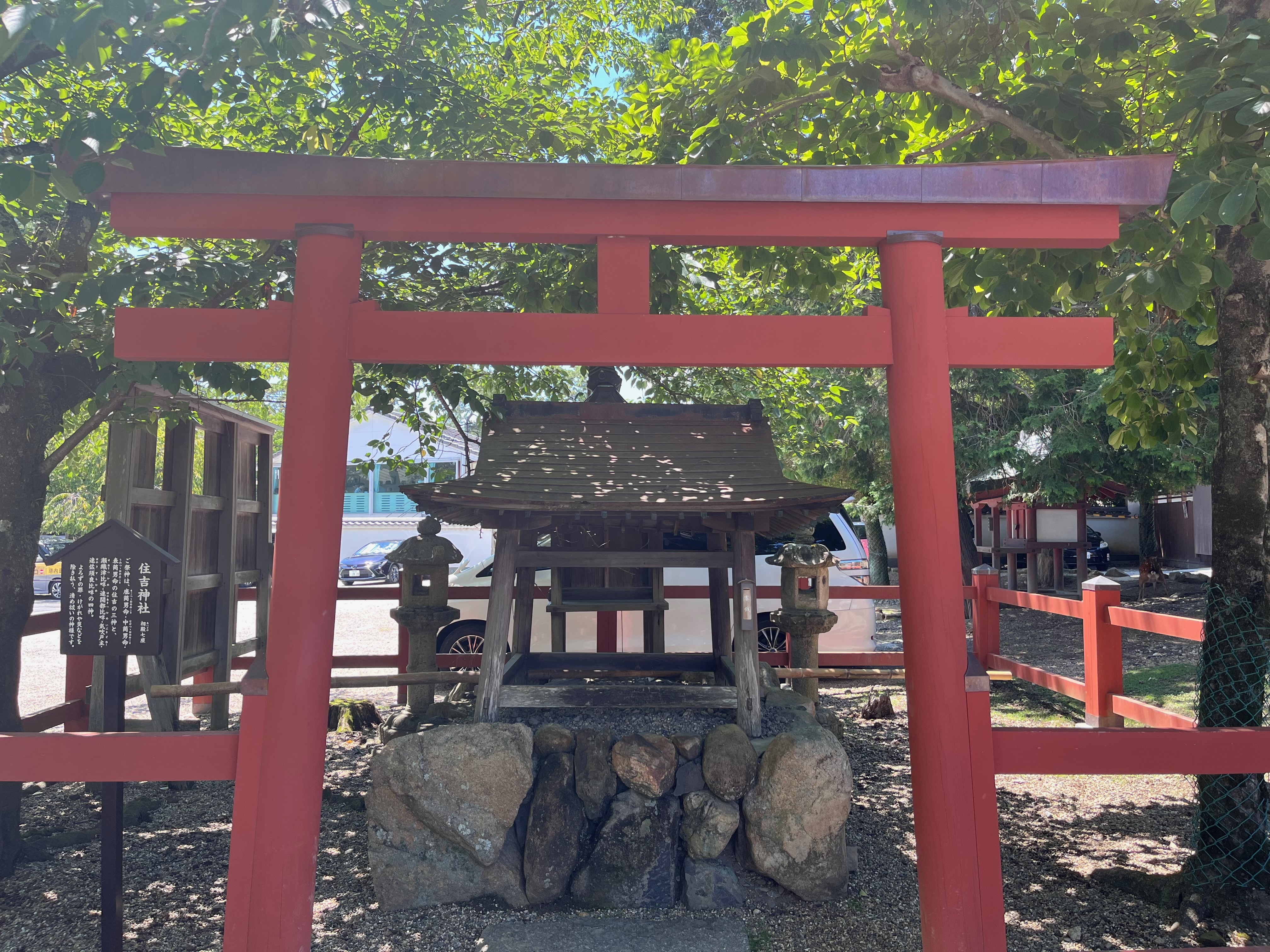
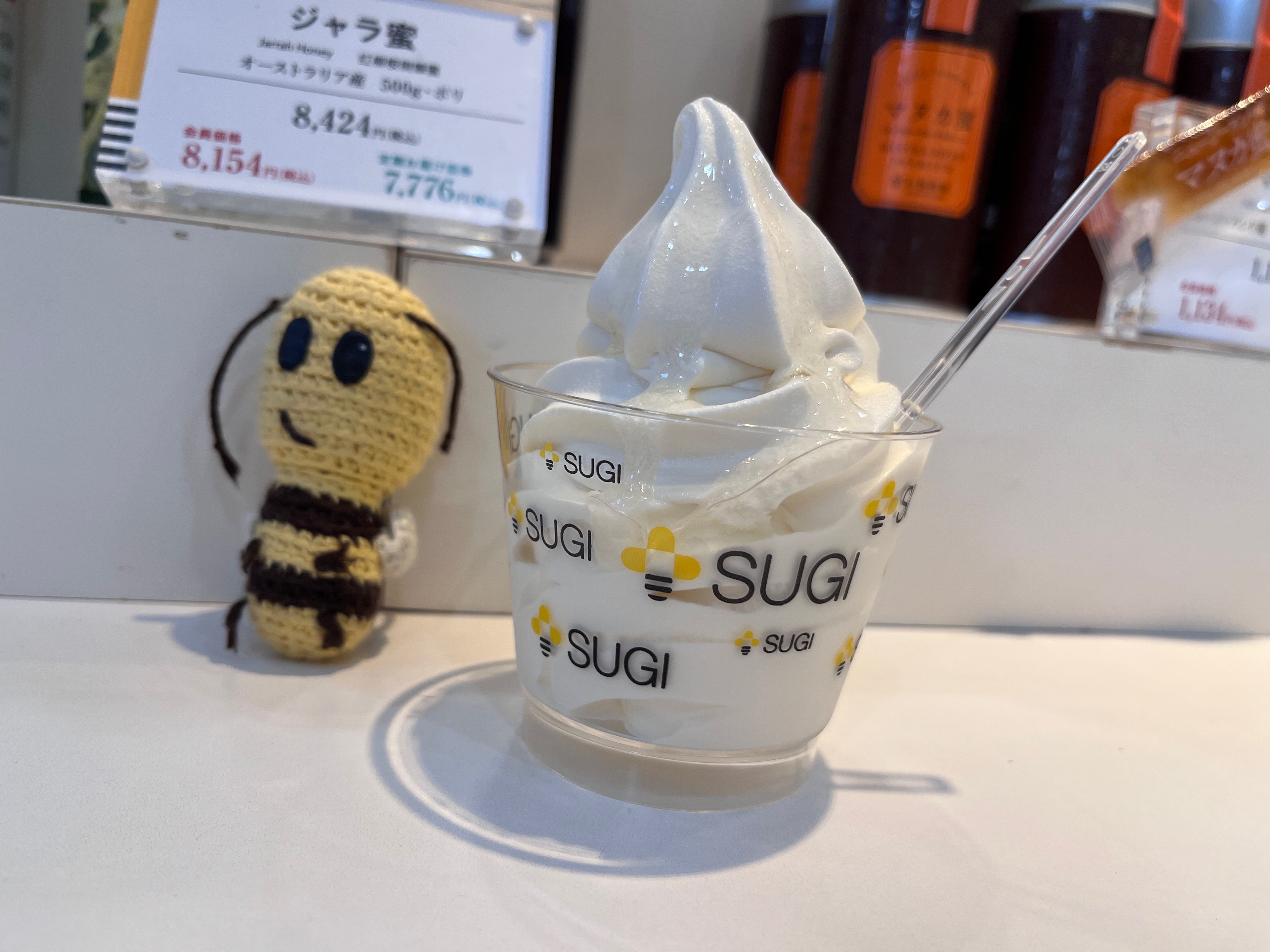
Around the temple, especially during the summer holidays, there are shady forests and other shrines to discover. Unfortunately, my circulation was giving up at some point, we couldn’t see everything and headed back to the city for some ramen and afterwards a refreshing honey ice cream.
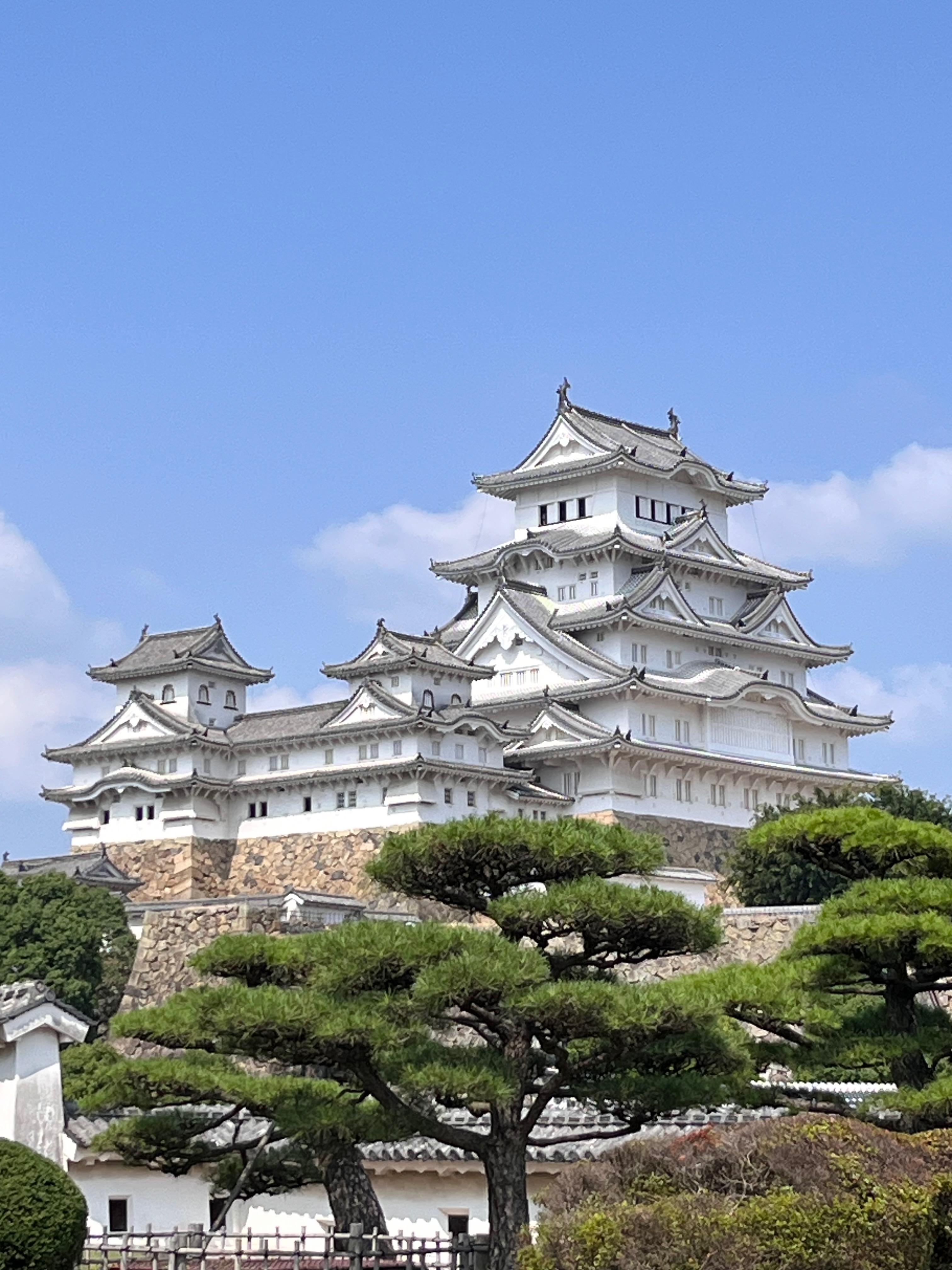
The next day, we visited Himeji, which is very famous for its castle, being the last original castle that wasn’t burned down but kept its original structure. Once again, we were visiting a World Cultural Heritage site. The first buildings were constructed around the 14th century, and the greatest remodeling of the “White Heron Castle” took place in the 17th century. One of the most famous shoguns who lived there was Tokugawa Ieyasu. Maybe some of you know his name because he inspired the famous novel “Shogun” and the TV series with the same name.
A story that impressed me personally was the one about Princess Sen, who lived in Himeji but had to suffer a lot during her life. She was Tokugawa Ieyasu’s granddaughter. She lost two husbands and a child. Once she became a widow, tradition at that time required her to become a nun, and she took the name Tenjuin. Women bore an immense burden during that time, and I wondered if she might have found peace in her new role. Who knows what kind of life she might have chosen if she had truly been free to decide?
The castle is truly beautiful, and once you stroll around the huge garden, you might find a spot where Himeji Castle looks like it is floating in the clear blue sky. The sun illuminates this masterpiece of architecture, reminding spectators of the grandeur and power that were once held within its walls.
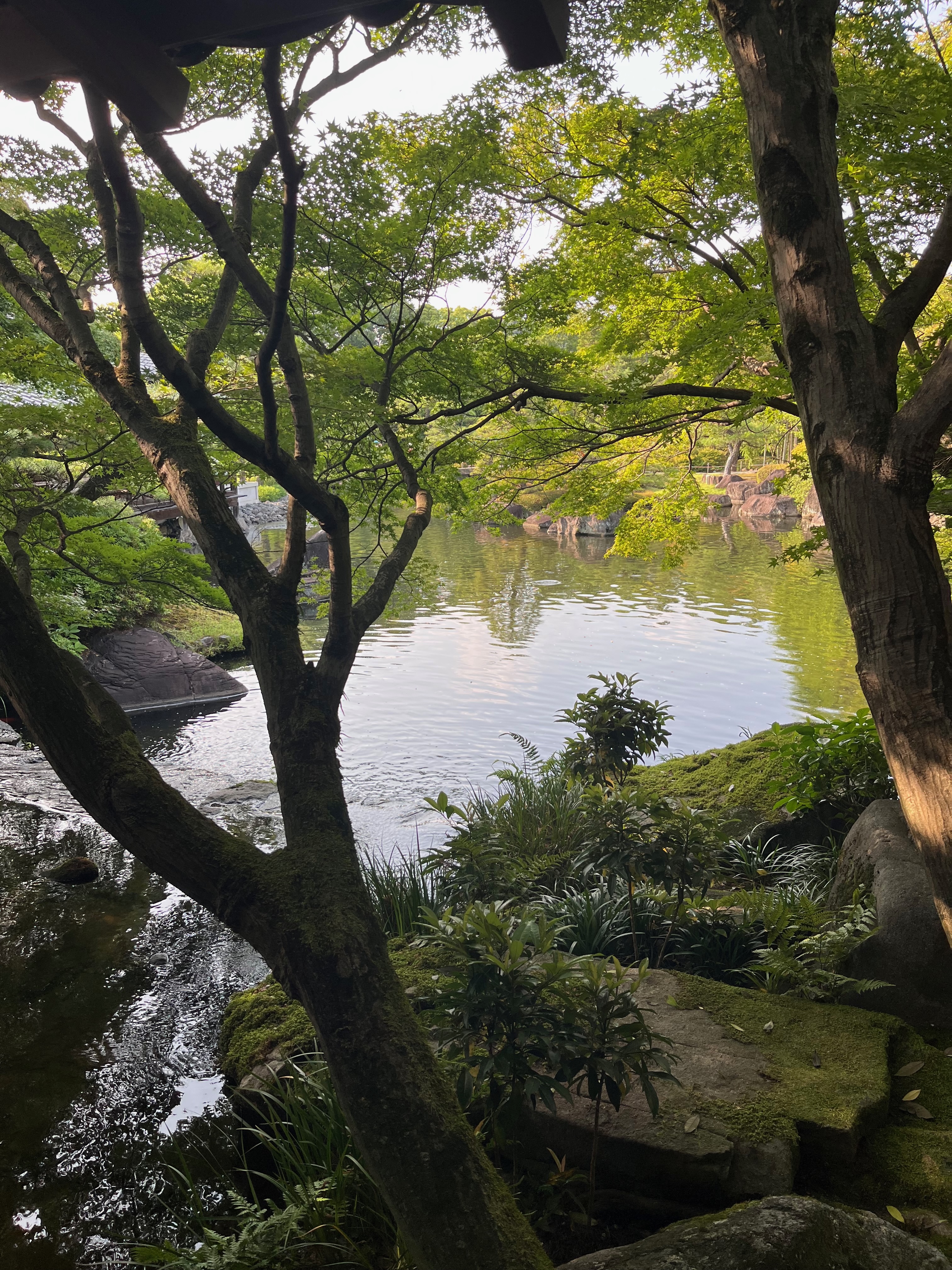
Next to the castle is a beautiful Japanese garden, „Kokoen“, with a pond and a tea house. Unfortunately, we were very late, so we weren’t able to visit the tea house.
If you are seeking beauty and a mythical atmosphere, stay with me and let’s take a glimpse into the former imperial city of Kyoto.
Recommendations in Nara:
Recommendations in Himeji:
Chapter 3: A Summer Night’s Dream
This day was a crazy mixture of hot summer weather and several rain showers that were supposed to cool us down, but took their toll due to my struggling circulation.
If I can give you one piece of advice: take your time to enjoy this wonderful city, whether it be a cold drink or ice cream.
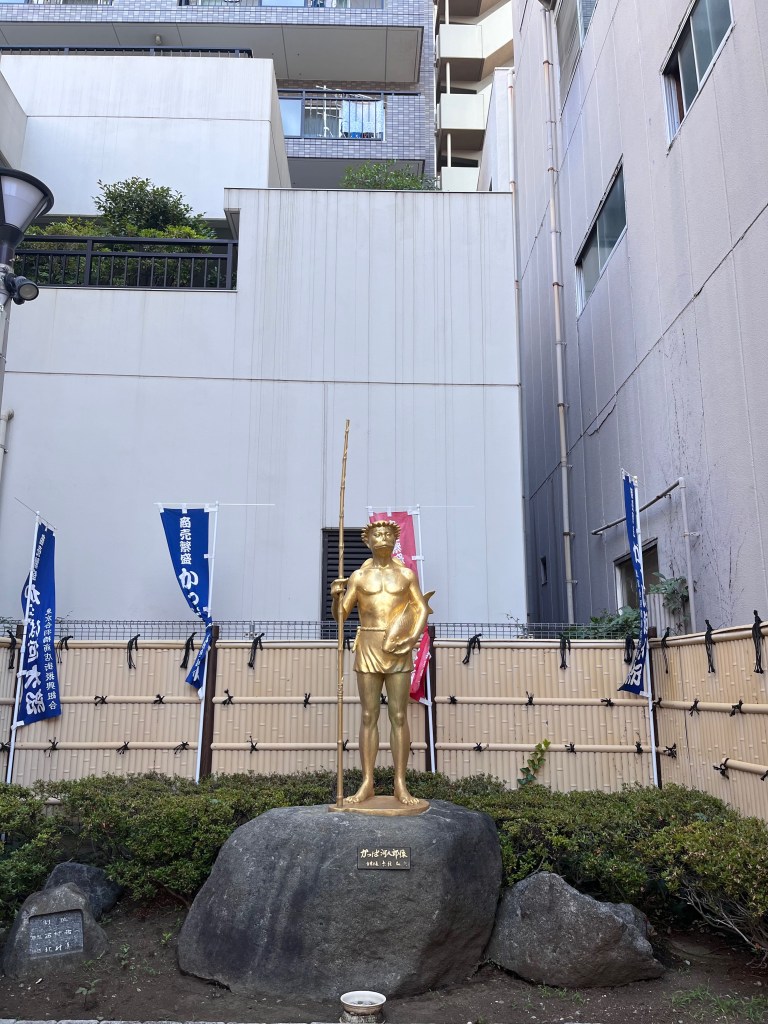
We started our day at the main station in Kyoto, which offers, after you take the escalators, a wonderful viewpoint above the city. After that, we took the tram to the Arashiyama Bamboo Forest. At the entrance of the bamboo forest, you can find some nice shops and spots to buy refreshments, and since I needed to hydrate myself, I was happy to find a slightly salted cucumber on a wooden stick. That was really refreshing, and no… I’m not a Kappa in disguise.
I just love fresh vegetables — especially something refreshing on a hot summer day.
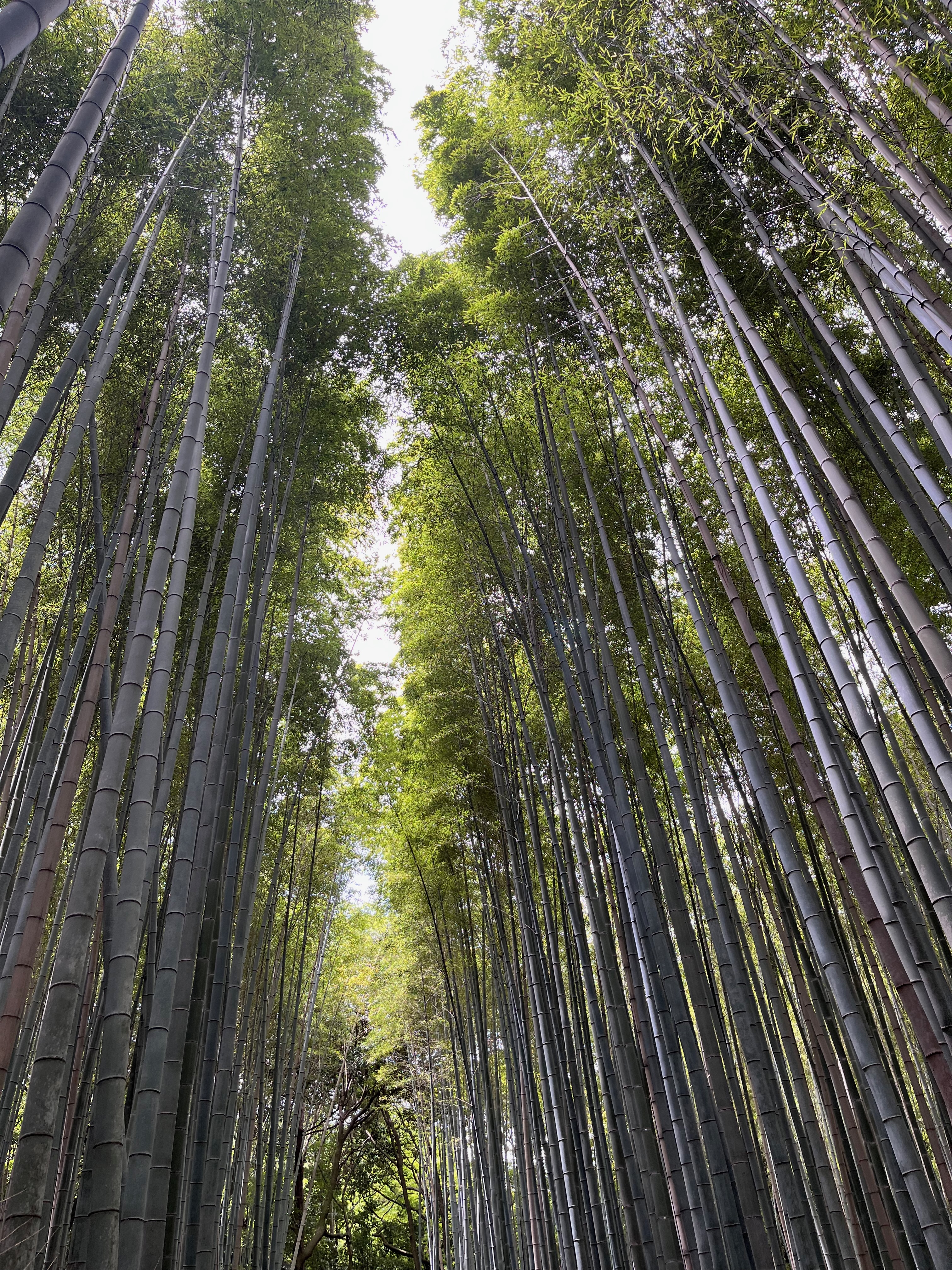
The huge bamboo trees provide shade and take you on a walk through a magical forest. For those of you who adore Ghibli movies, I have to disappoint you — we couldn’t spot any “Kodama.” I really wanted to stay longer among those huge bamboo trees and take a deep dive into this atmosphere, which connected me back to nature and grounded my mind for the time being. This bamboo forest is well known and popular among tourists, so we didn’t walk alone, and it felt a bit crowded. Nevertheless, it’s something I still recommend for the beauty of nature and as a reminder of how important it is.
While continuing our way through the nearby park and close to the riverbank, we didn’t realize that we were heading back toward Arashiyama, which I realized was the right choice since I truly needed a break. The town is full of whimsical little shops and some bigger brands you already know, and I couldn’t resist treating myself to a Miffy matcha cake. By the way, I believed for a very long time that this adorable character was of Japanese origin, so don’t laugh at me. Its true nature was revealed to me very late 😅
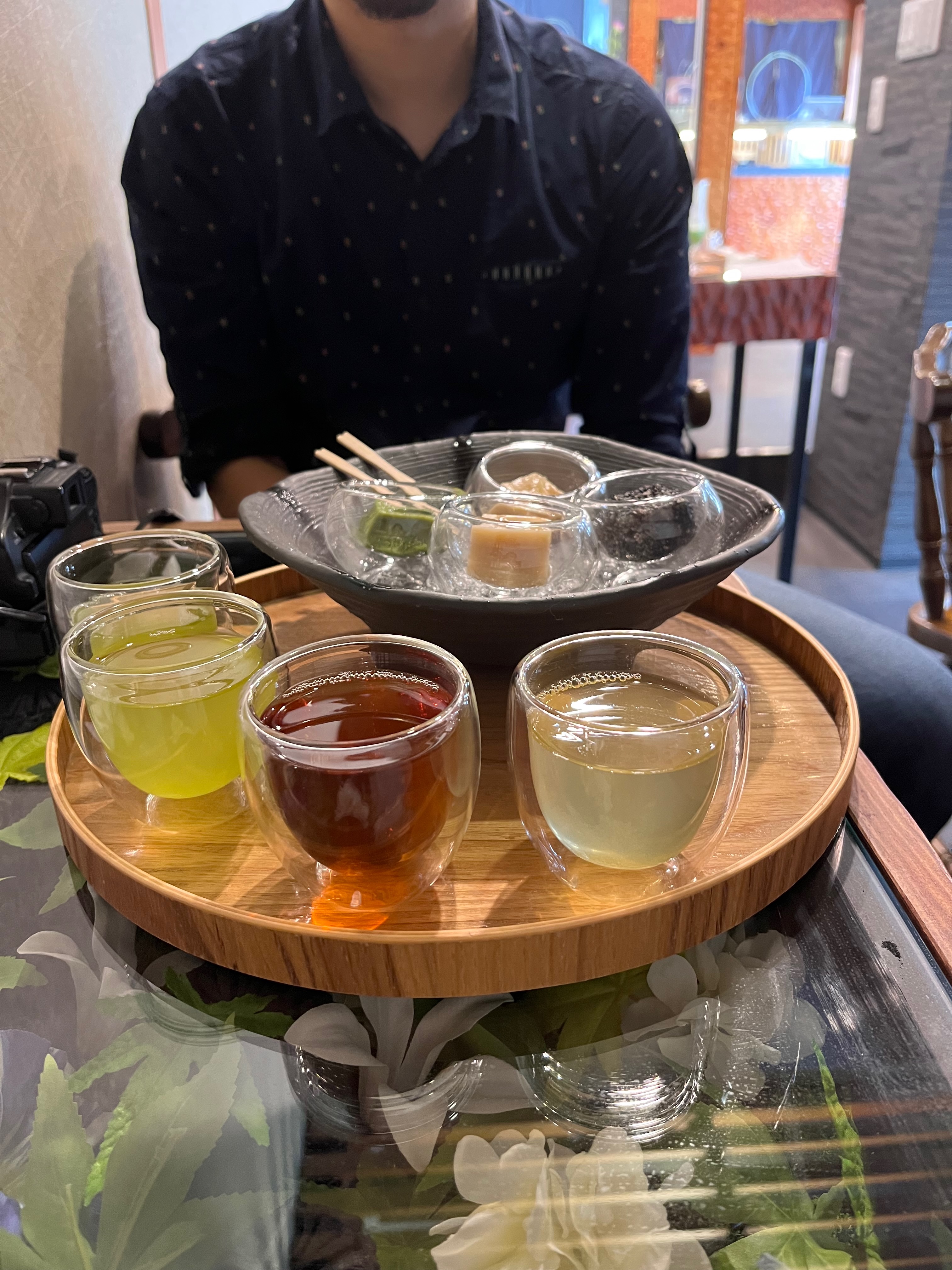
While strolling through the streets, we came to a nice café called “Sweets Cafe Emman Mochi Kyoto Arashiyama,” where we found ourselves trying various matcha teas and enjoying the perfectly matching mochi for each of the four tea flavors. The café offered an inviting and minimalistic atmosphere where tea time was a welcoming and sophisticated break. The Kyoto region is famous for its various tea plantations, from which many delicious matcha teas originate.
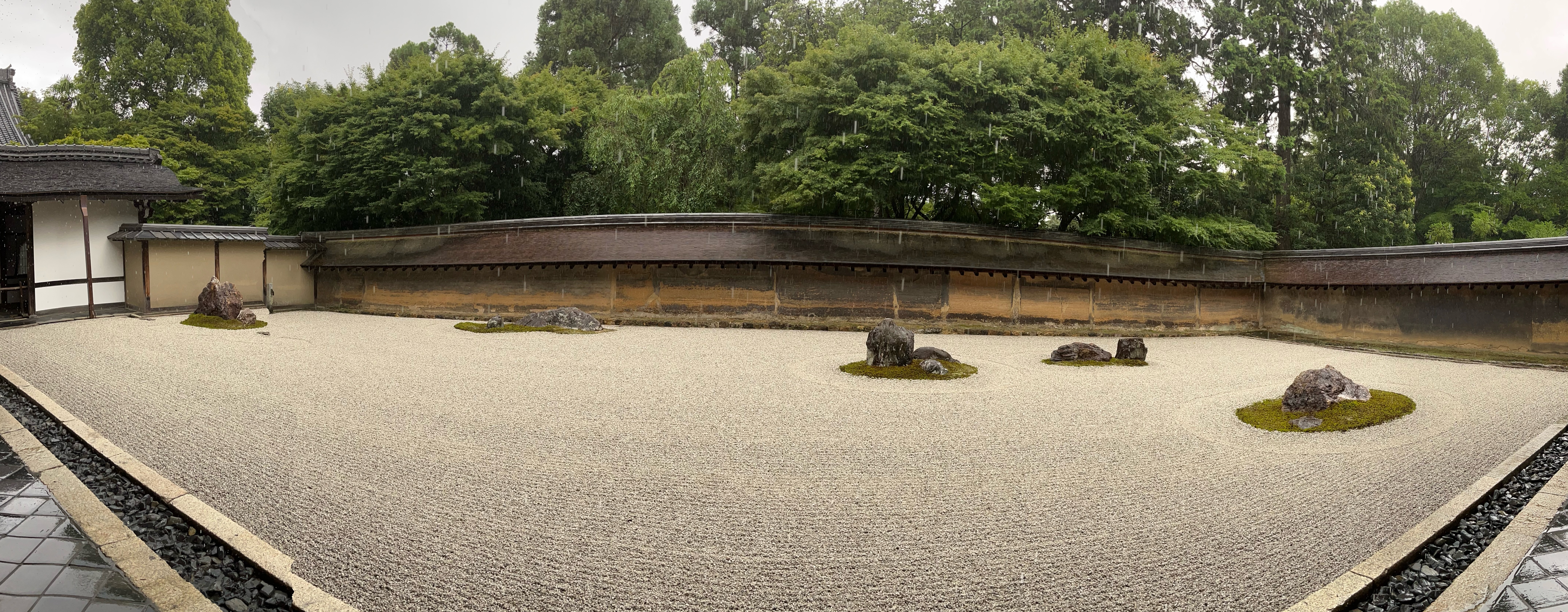
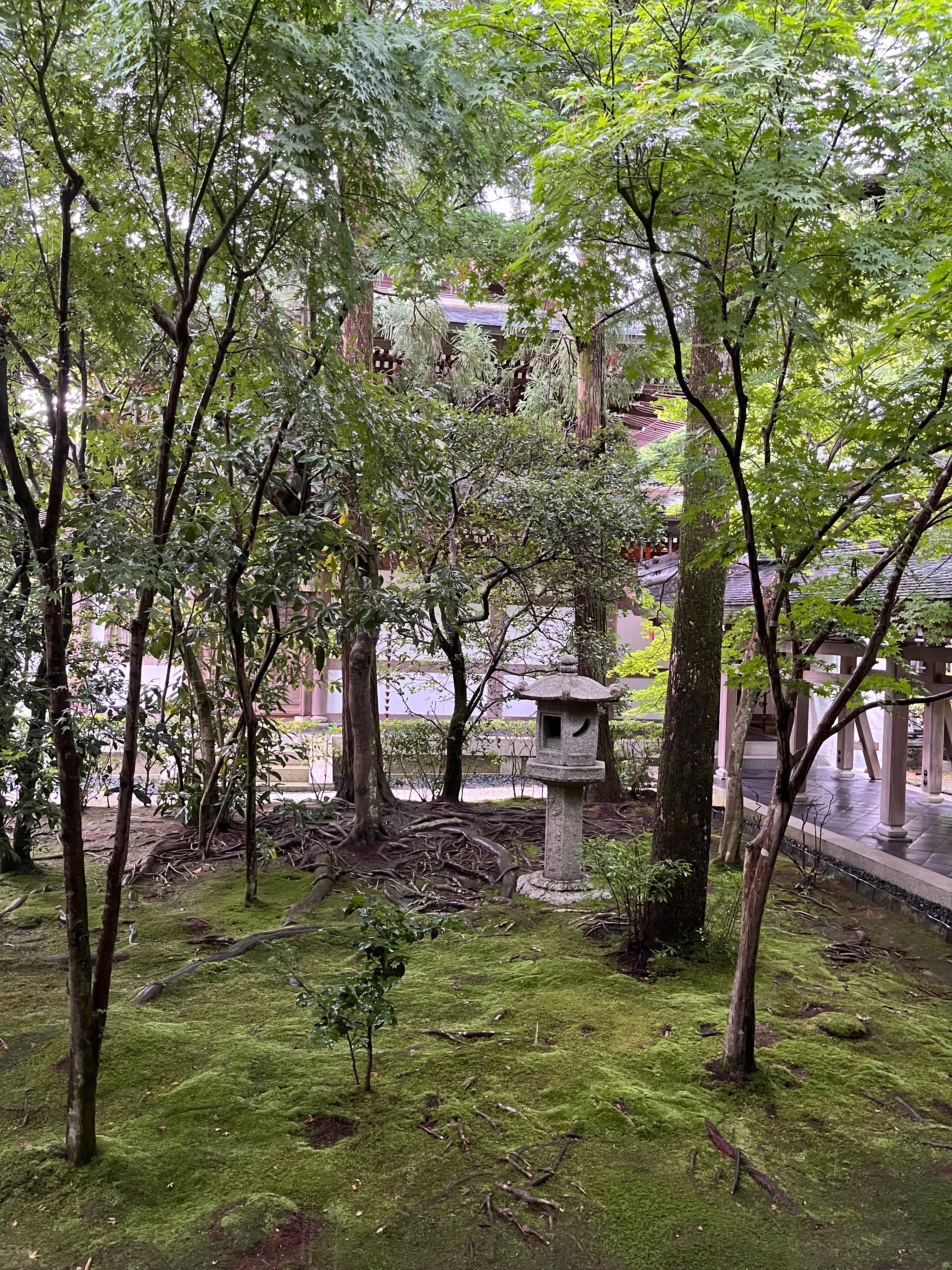
After this wonderful refreshment, we continued our way to the famous Ryoanji Temple. It is a World Cultural Heritage site and very well known for its Zen garden, which was created by the monk Tokuho Zenketzu. What we could see — or not see — were 15 stones of different sizes. The trick is that wherever you stand, you are not able to see all 15 stones at the same time; something always remains hidden. When we were heading for the garden, it began to rain heavily, which was a welcome chance to cool down. Remaining in the temple while observing the raindrops dancing in the Zen garden was a perfect and peaceful moment of calmness and rest.
Did I mention that 15 is said to be the perfect number? Maybe the point isn’t to see all 15 stones at once, just as it is not possible to have all wishes in life fulfilled at once. Maybe it’s those perfect and cherished moments we experience along the way.
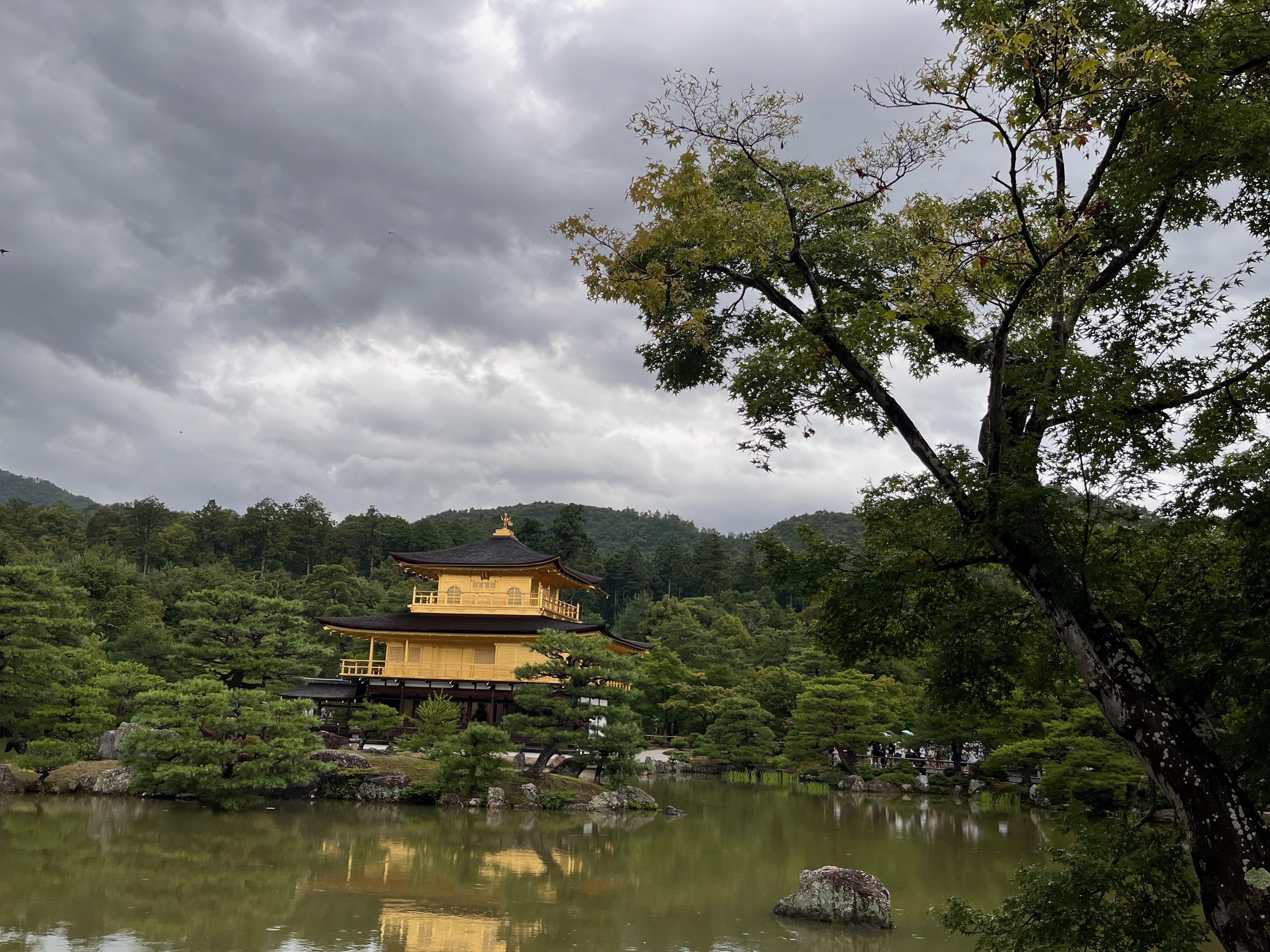
OK, that was very philosophical, so let’s move on to the famous Kinkaku-ji, which is well known for the Golden Pavilion and its phoenix-like figurine on top. To explain it correctly, its name is Fenghuang, and it originates in Chinese culture, which also influenced the architecture of the temple. Taking a moment to observe the reflection of this majestic temple in the lake gave me the feeling of a place where great things once happened, and with the symbol of the Chinese phoenix, positive energy seemed to radiate from it. A golden temple is truly a majestic sight!
At this special place, I decided to buy some lucky charms for my family. These charms can be found in many temples, offering different blessings for yourself or your loved ones.
After that, we felt quite hungry since we had been exploring the city in heavy sunlight and rain. With some preparation in advance, we found out that there was a restaurant called “Dragon Burger” offering Wagyu beef burgers and some interesting variations. Of course, it had good recommendations and sounded very interesting, so we headed there in the city center of Kyoto. And what can I tell you? It was really good and very delicious. I didn’t expect yuzu to be such a good match for a burger.
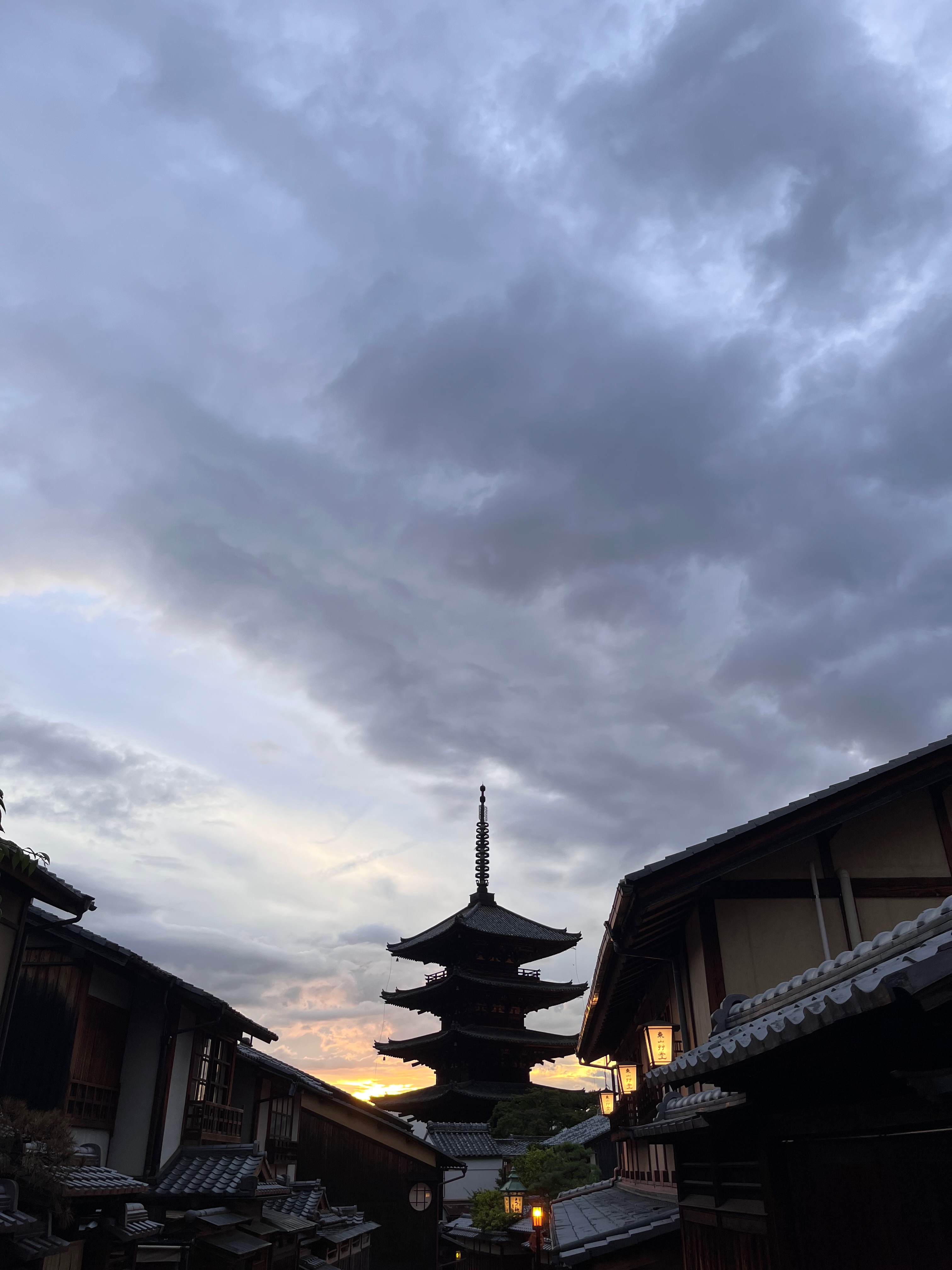
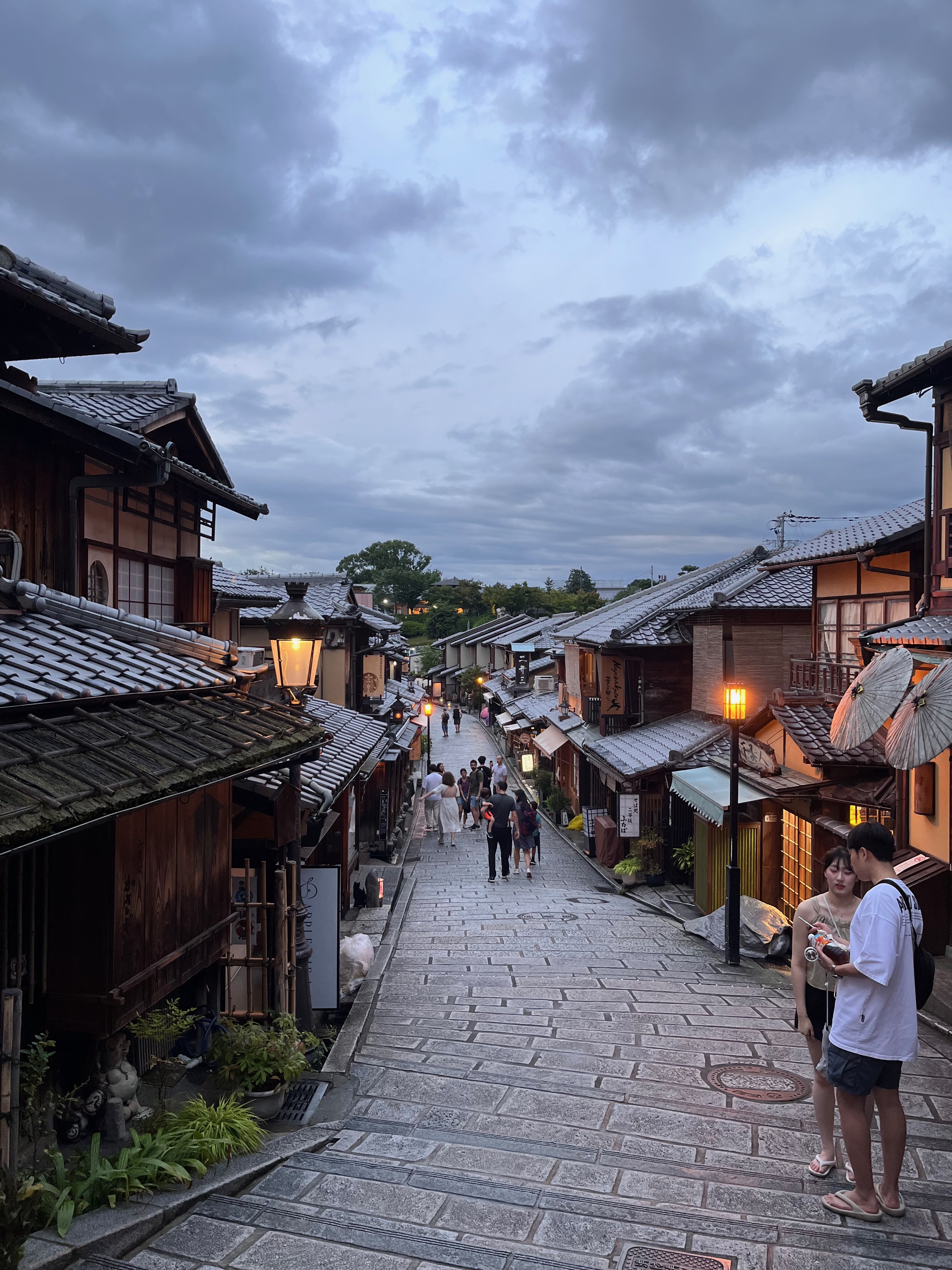
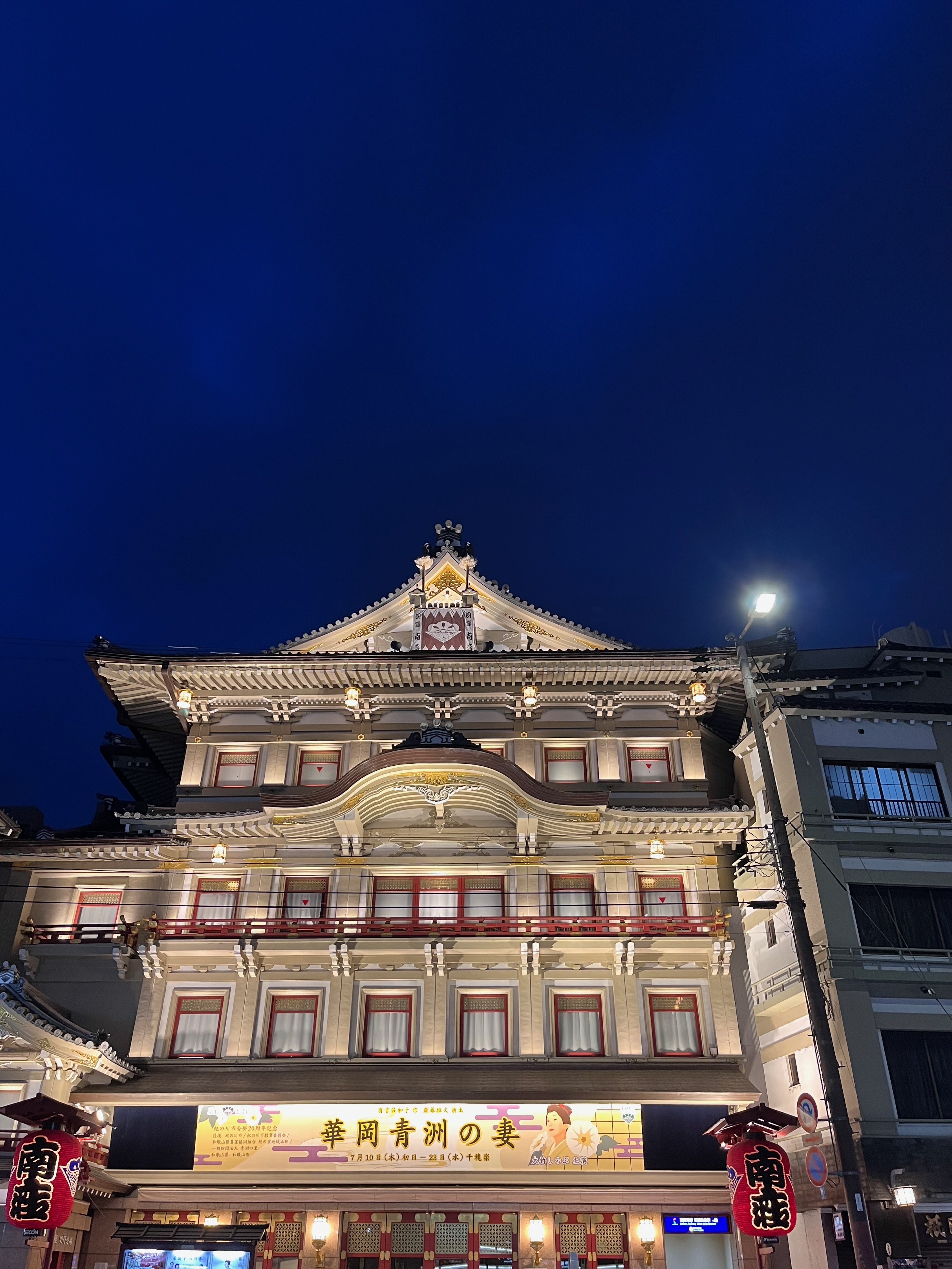
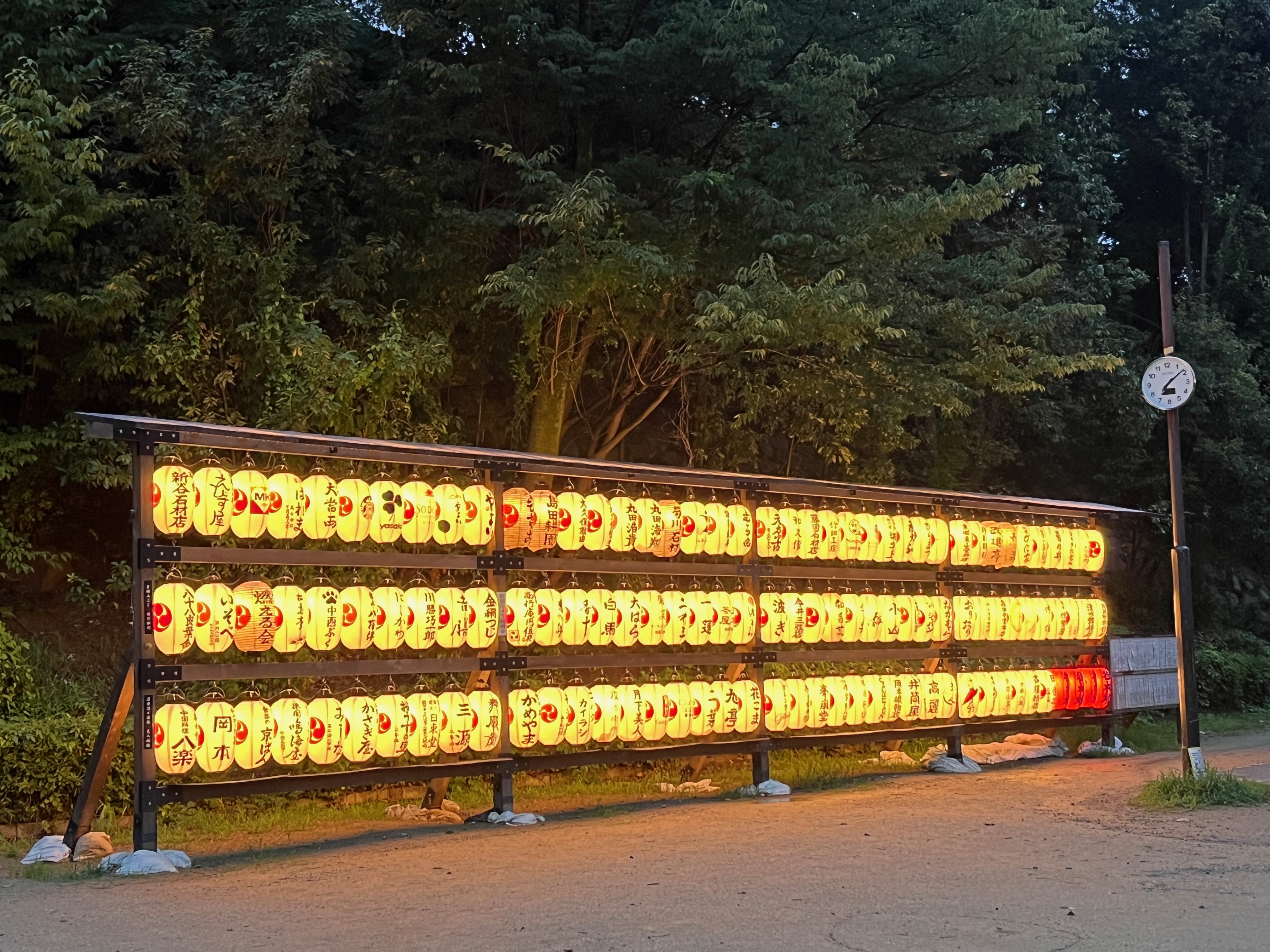
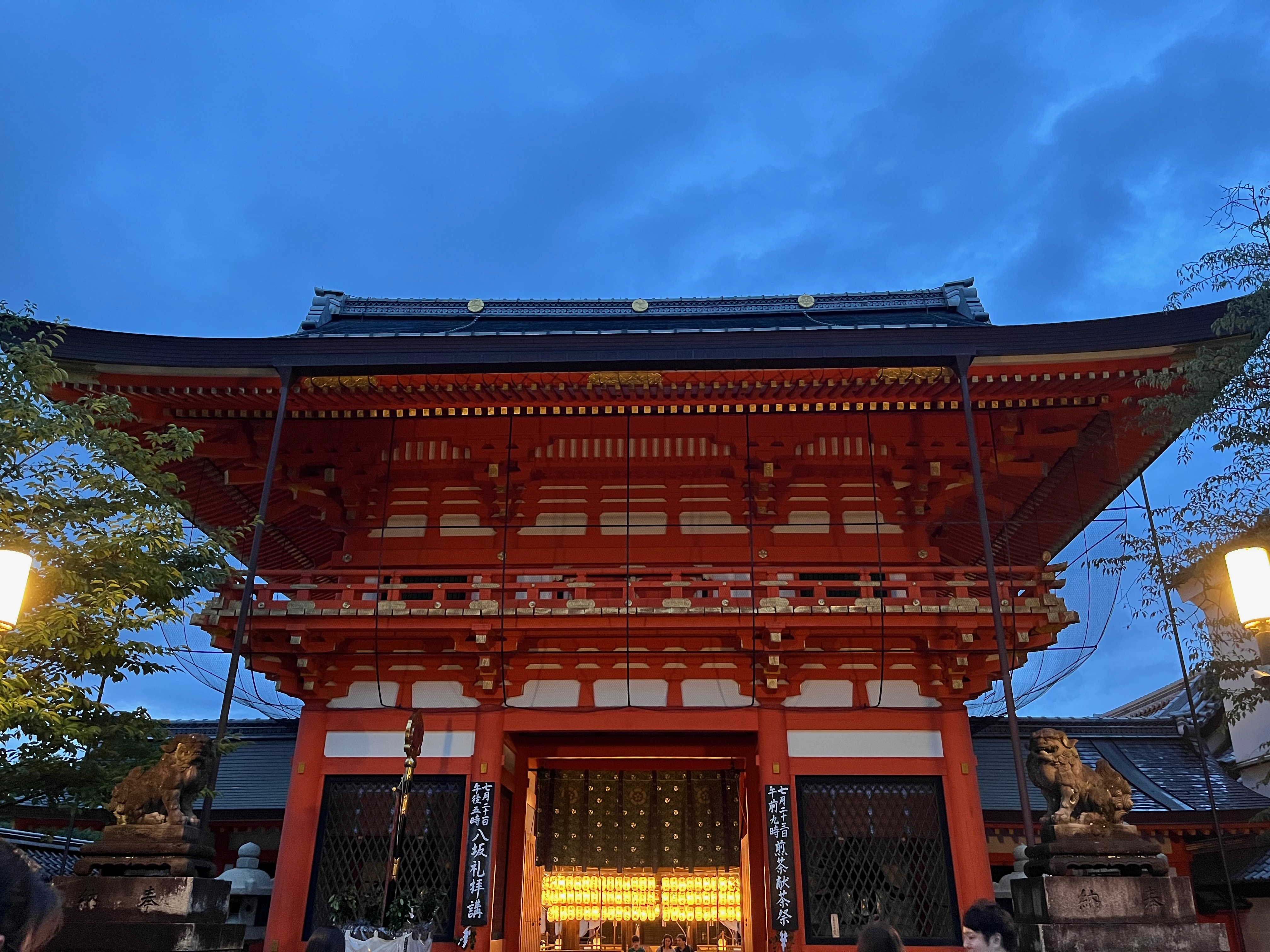
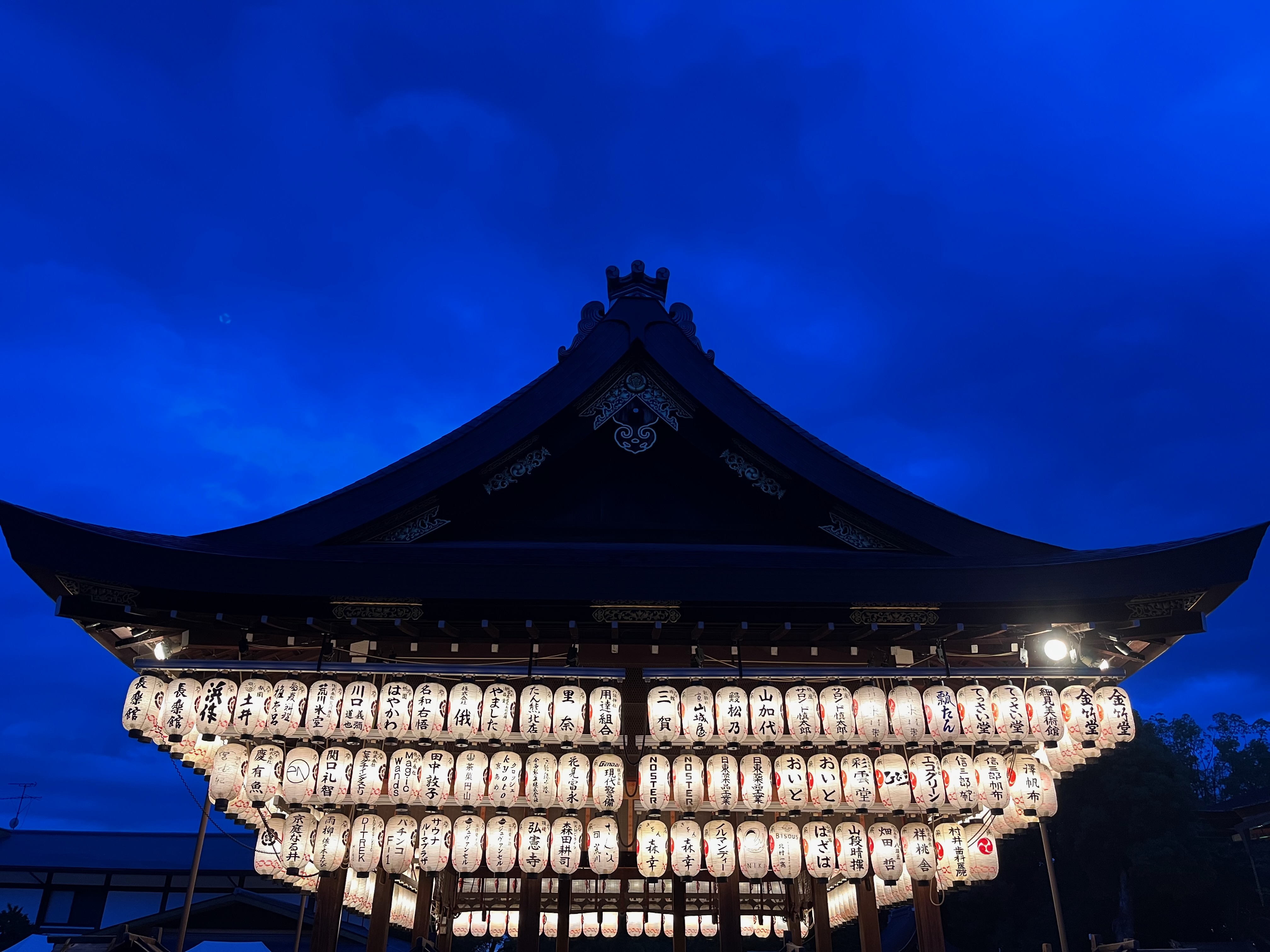
After that, the sun was already lower, and it was time to explore the city at sunset. The famous geisha district was not far from the restaurant. Therefore, we took a stroll, and it felt like a journey back in time. We continued our walk through the old town of Kyoto.
The sun was setting, and along with us, many other tourists wanted to explore the mystical atmosphere of the town. The shops were already closed by that time. Usually, I really love window shopping and going inside if something appears interesting. The atmosphere was magical, like in a movie where mystical creatures appear at night, and you are immersed in another world. The only noise came from tourists trying to capture the perfect selfie instead of simply taking in the moment.
Sayonara Kyoto, until next time 🙏
Recommendations in Kyoto:
- The whole area around Hokan-Ji in the evening, and from there take a walk in the direction to Yasaka Shrine while the sun is settling down
Chapter 4: Okunoshima and Hiroshima
Two rather serious topics we engaged with: we visited Rabbit Island, Okunoshima, and the city of Hiroshima.
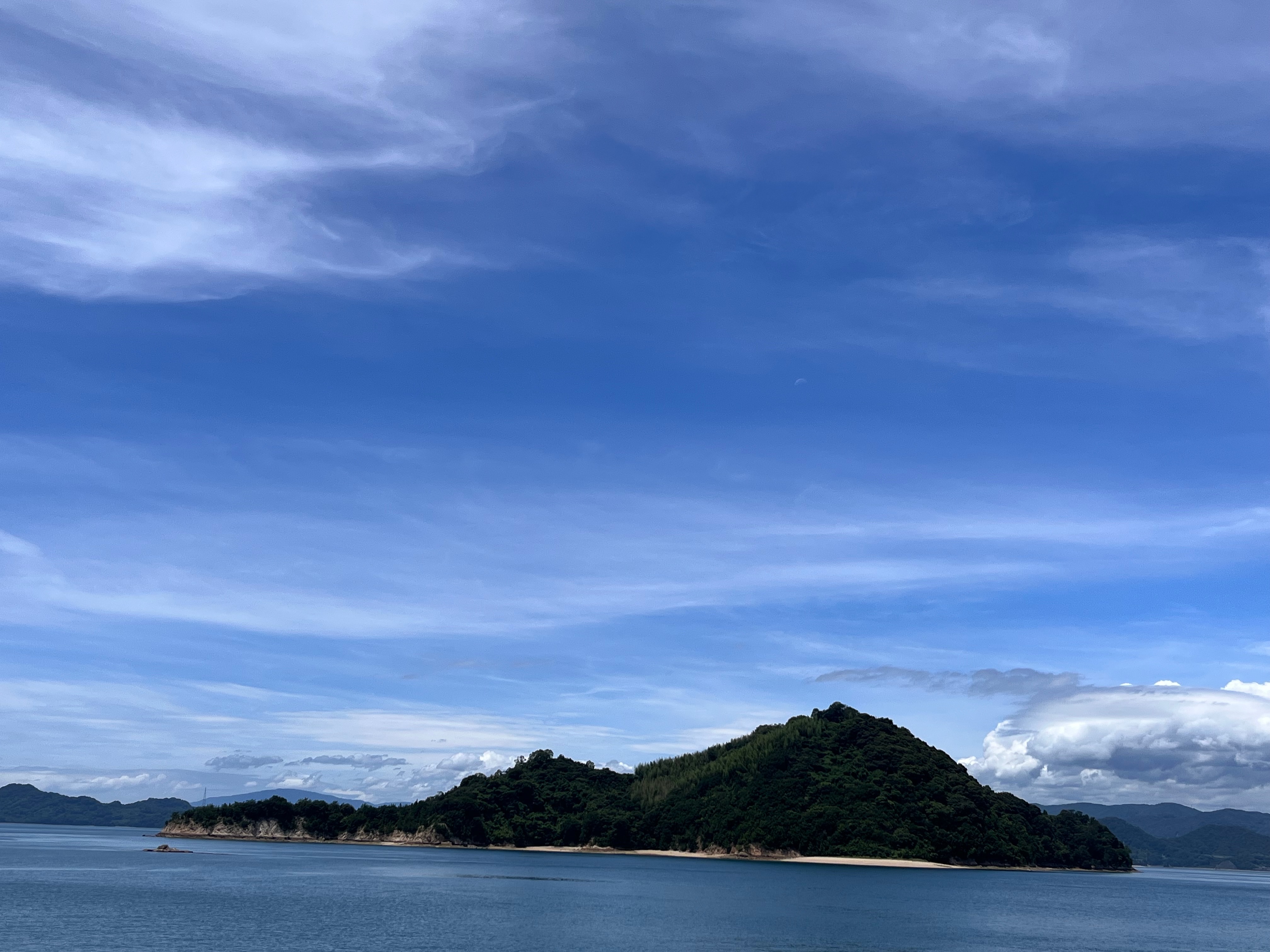
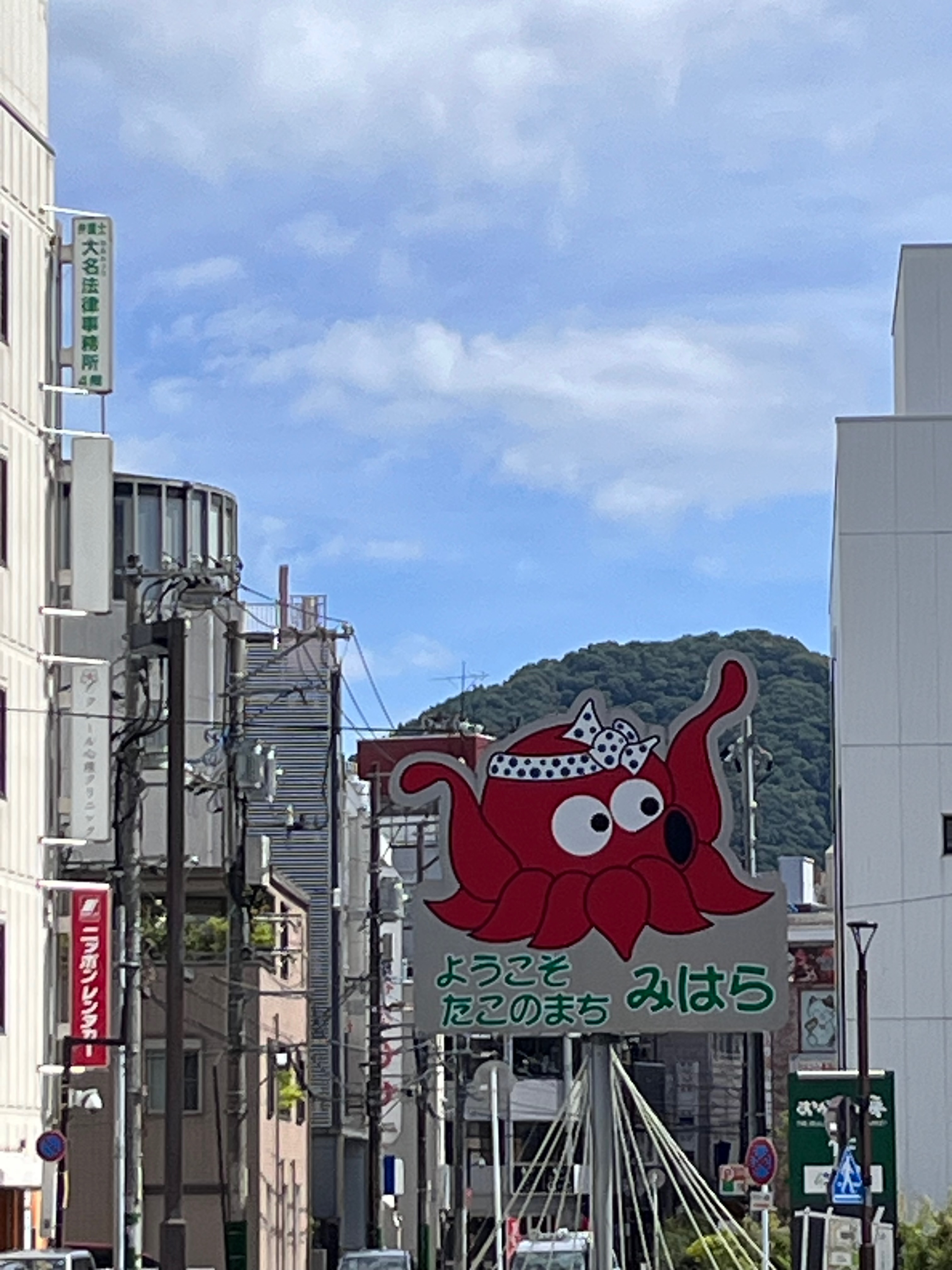
After staying another day, we dedicated ourselves to getting to know Osaka a bit better. Our route then took us to Hiroshima via Okunoshima. The best way to travel comfortably is by train and to travel like a local. The best advice is to purchase a tourist ticket that includes local train lines, the Shinkansen, and most local tram lines in bigger cities. Travel to Mihara Station, walk about 10 minutes via Marine Road (where you can see cute octopus statues), and then take the ferry to Okunoshima.
The island was erased from maps in order to produce poison gas for use during World War II. The rabbits were purchased from various farmers for experimental purposes and brought there. I don’t know how many people and animals died as a result, but it is cruel and hard to imagine what human beings are capable of doing to one another. Today, the animals are treated with great care. During the summer heat, water bowls are placed everywhere, and visitors delight in the sweet, almost tame little creatures. They are simply too adorable 😊
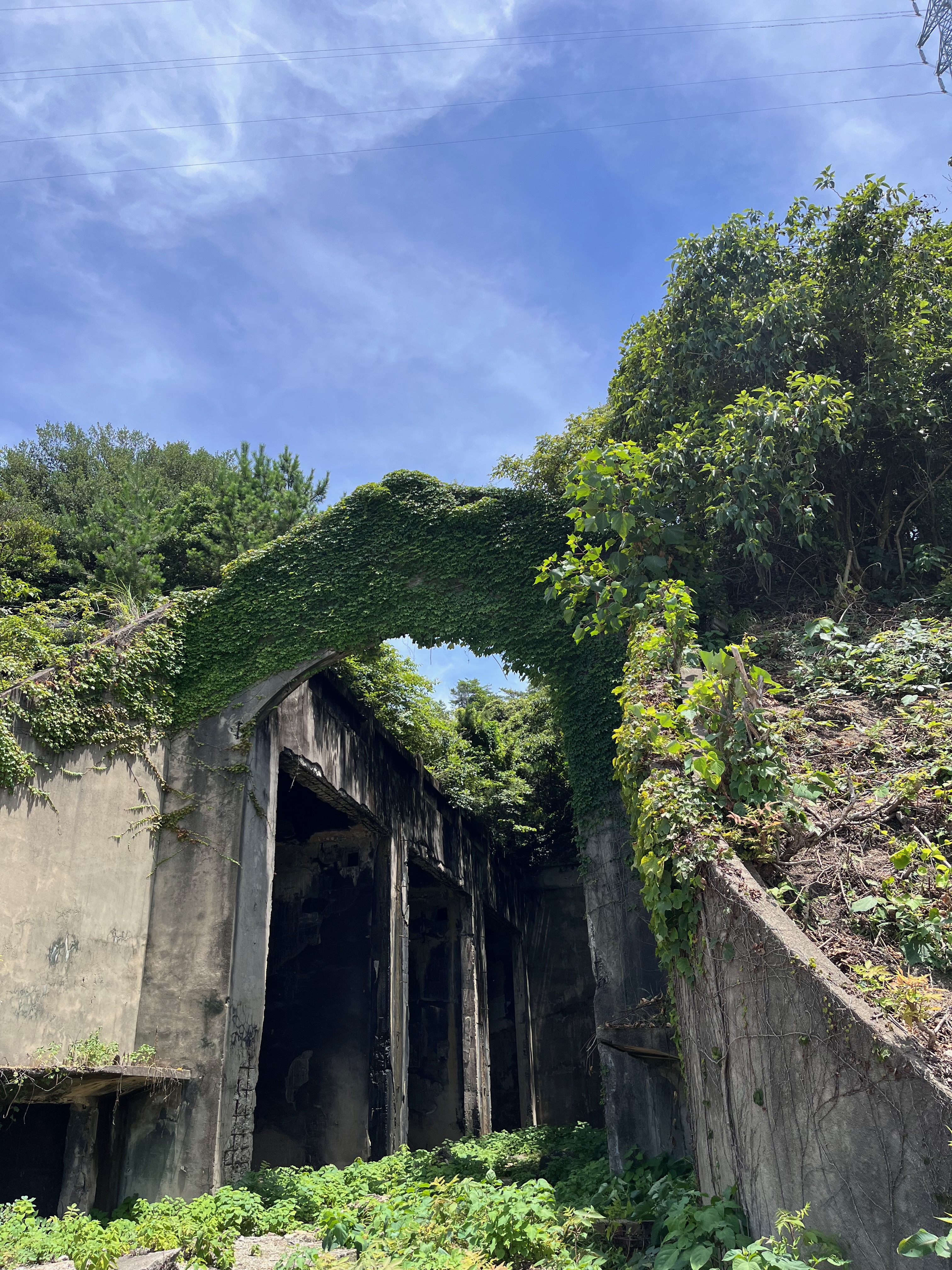
While walking around the island, we saw some of the ruins where the gas was produced, and this truly gave me a cold chill on that warm summer day. Past and present are sometimes very close to each other, and it is remarkable that the story of the island is told, for example, through the museum.
Afterwards, our journey took us to Hiroshima. It was important for me to visit the city and learn about the gruesome events that took place during World War II.
As for Hiroshima… it is difficult to put into words. I had the impression that Hiroshima doesn’t have the hustle and bustle of Osaka and is a very different place with different vibes. It felt quieter and more grounded.
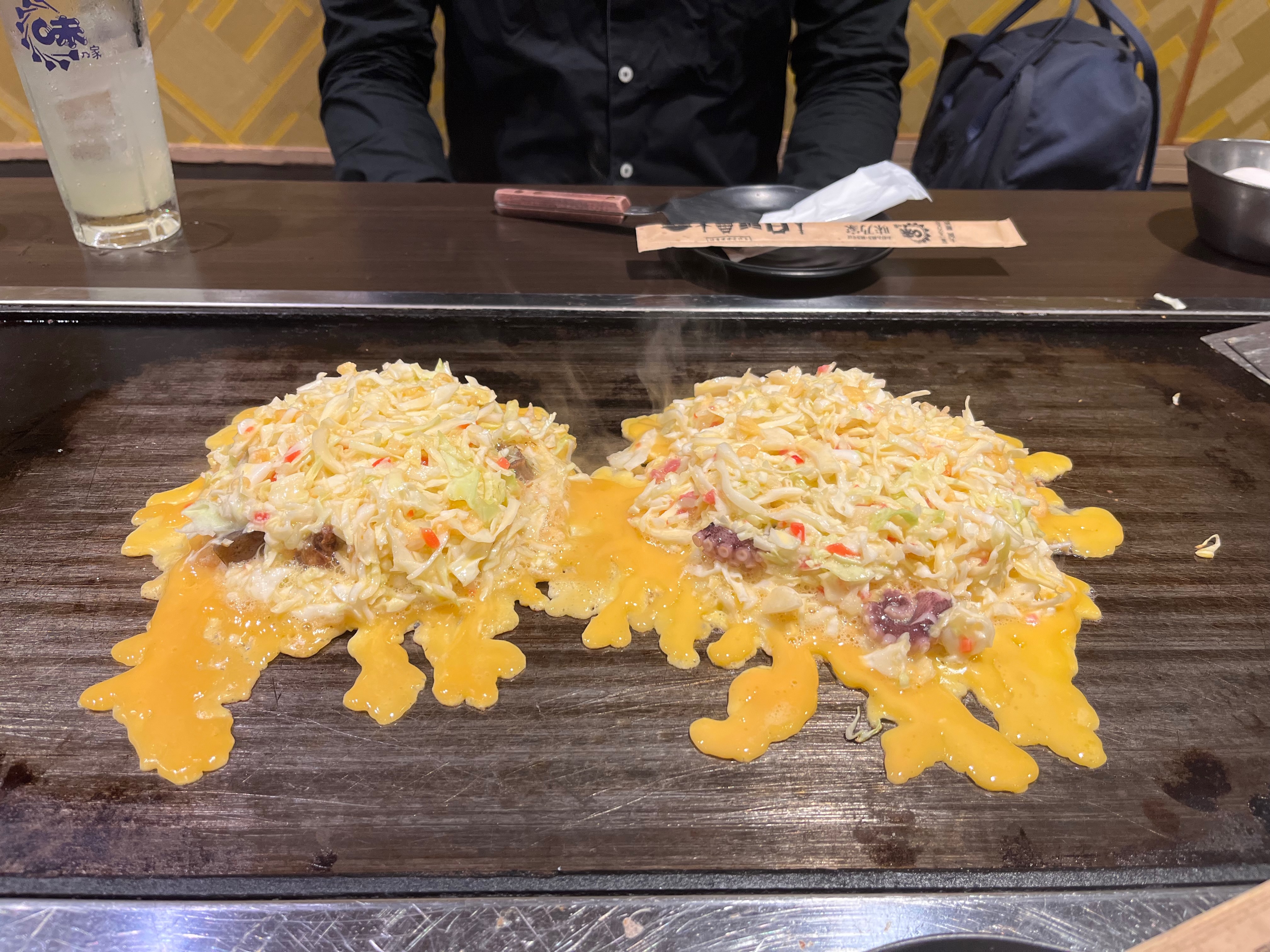
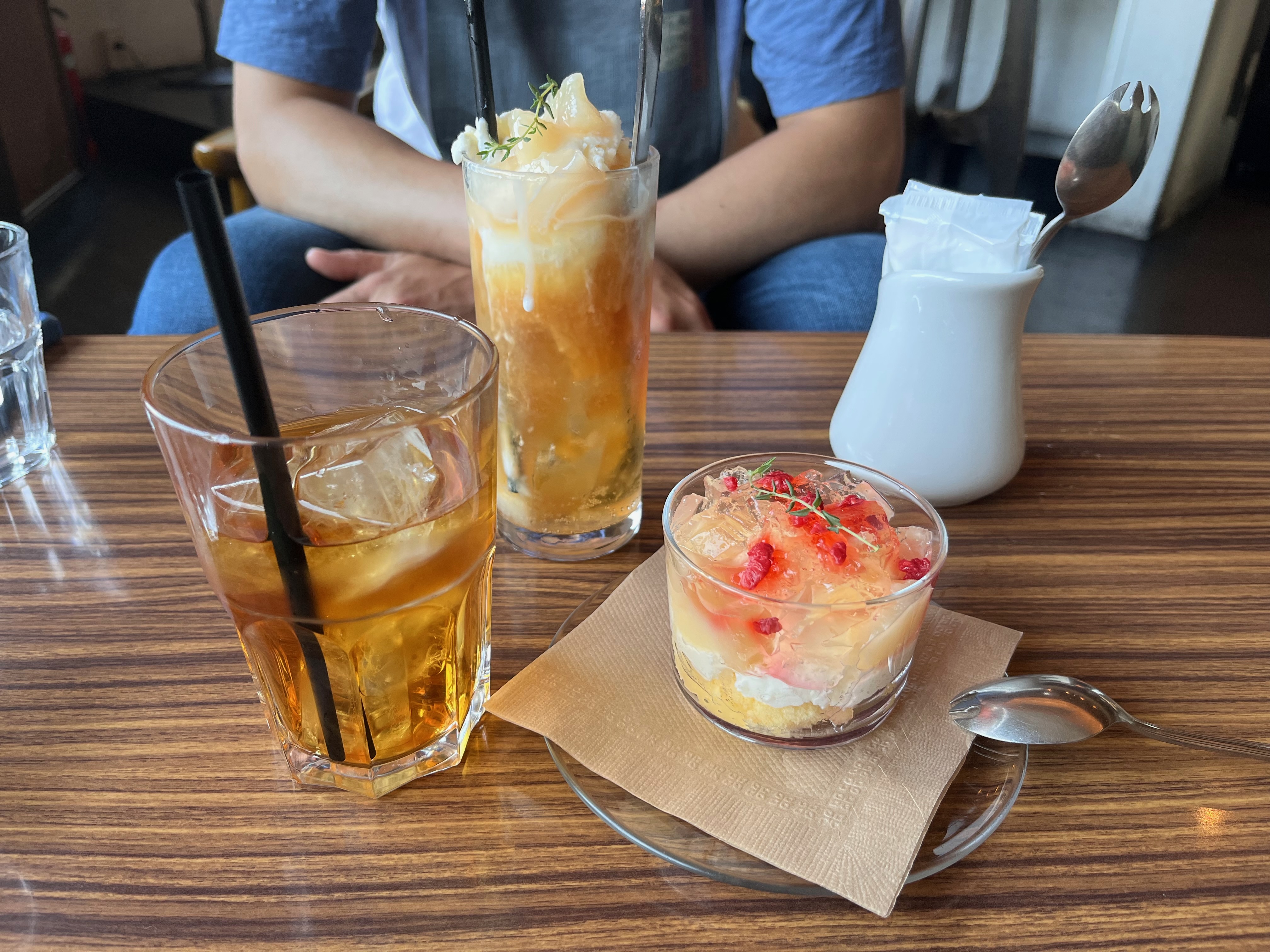
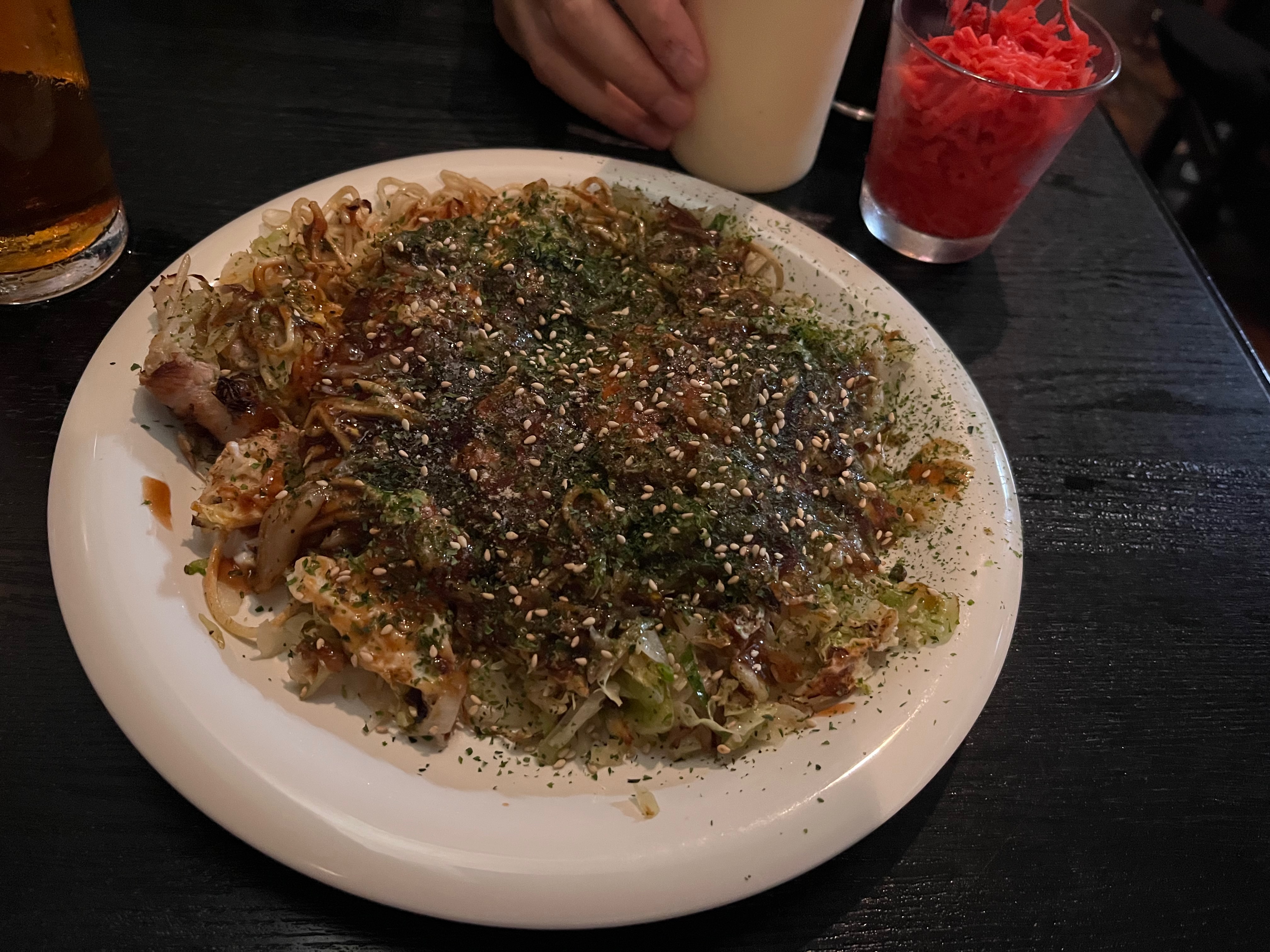
Since we arrived in the evening, we wanted to try some local specialties like the famous okonomiyaki, which is prepared with yakisoba. We found Hassei in our travel guide and wanted to try it. Our first attempt was unsuccessful because the restaurant was very small and crowded. They asked us to come back an hour later. In the meantime, we became thirsty and slightly hungry and headed to a nearby café. We found Café Citron, where we had refreshing drinks and a wonderful peach dessert. It was smooth, slightly sour, and full of aromatic flavor that felt like a summer evening in a glowing sunset. Just wonderful! The place was cozy, not crowded, and we were the only tourists there.
After that, we returned to Hassei. It was still small and crowded, clearly very popular. People from all over the world had left their greetings and signatures on the wall. And the Japanese pancake was the best I have ever had! Full of flavors, delicious yakisoba, sauces, and ingredients that created a perfect mixture in my mouth. By the way, it was very funny to find greetings on the wall from my home region — the Ruhr area is everywhere 😊
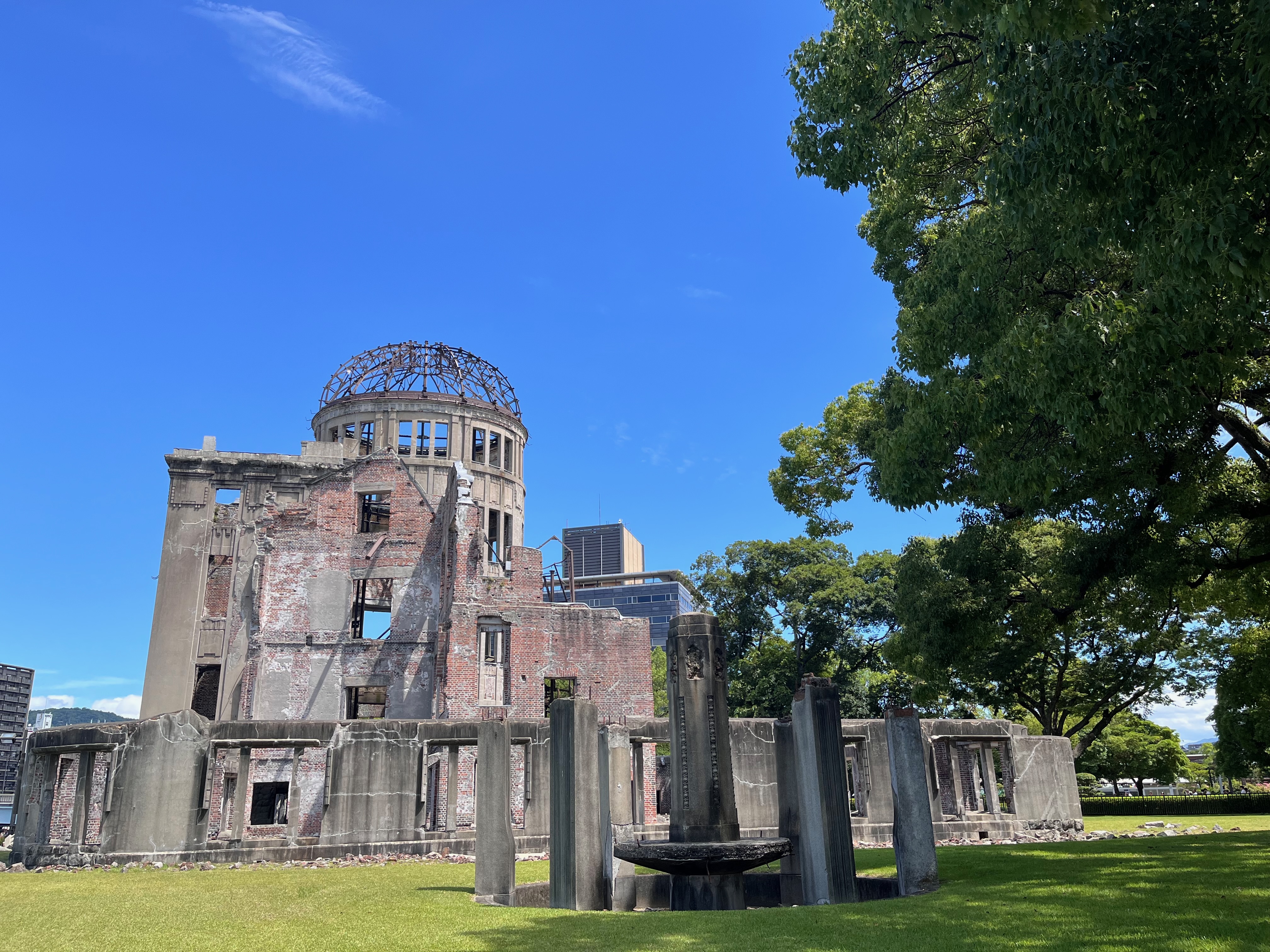
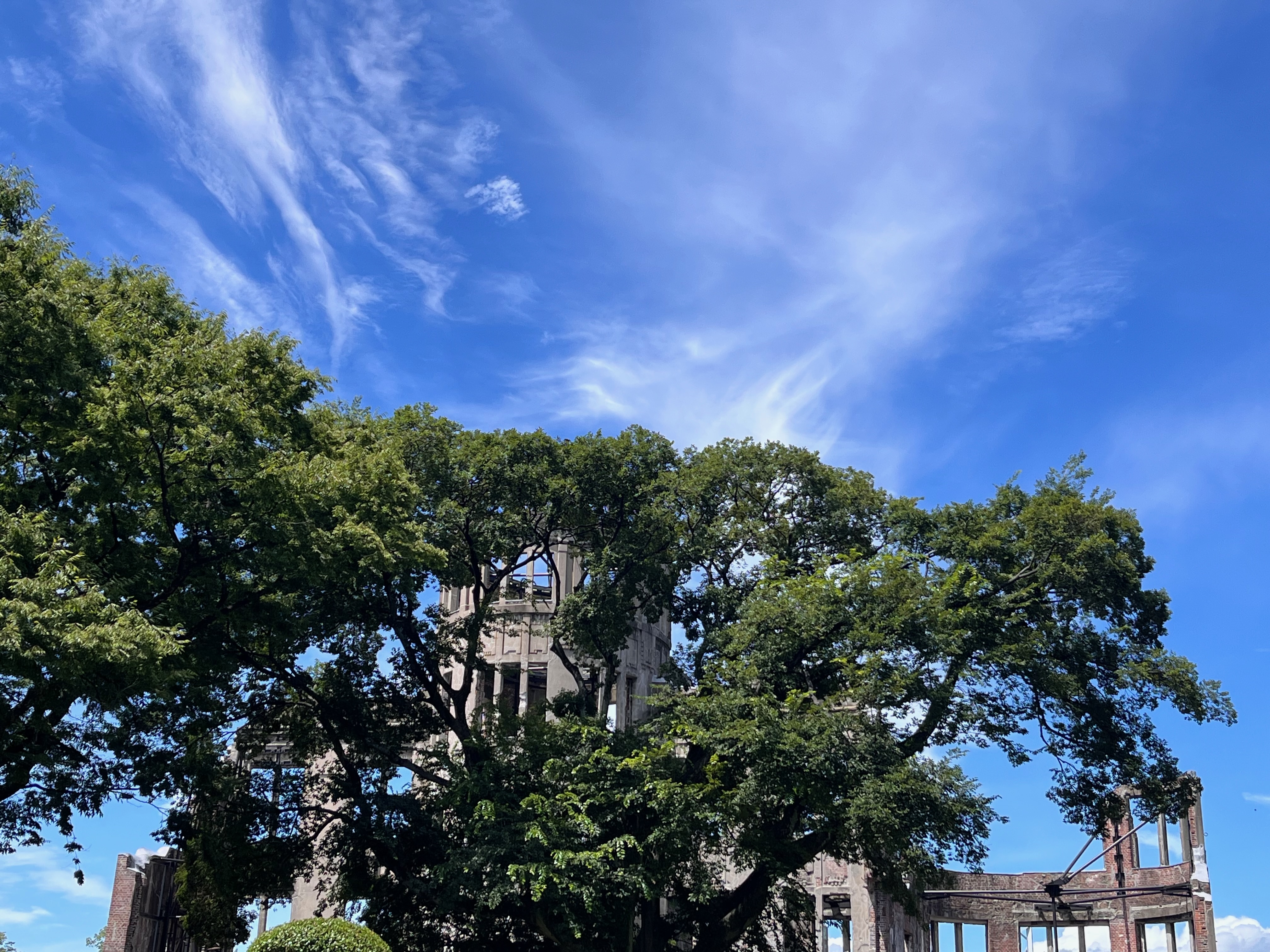
The next day, we visited the Hiroshima Peace Memorial Park. The atmosphere was reverent throughout the park, especially in front of the A-Bomb Dome, the building closest to the hypocenter of the nuclear bomb. Some tourists treated this place as an entertainment park, being noisy and focused only on taking selfies. Honestly, as a guest at such a place, my expectation is to remain calm and respectful.
The Peace Memorial Museum left me with feelings of sadness and incomprehension about how such suffering could have happened. Shadows burned into stone stand like silent witnesses to a catastrophe that the modern mind can scarcely grasp. I couldn’t take any pictures out of respect. I can only recommend visiting the museum and learning what happened, especially the stories of those who were affected. It’s something we must never forget.
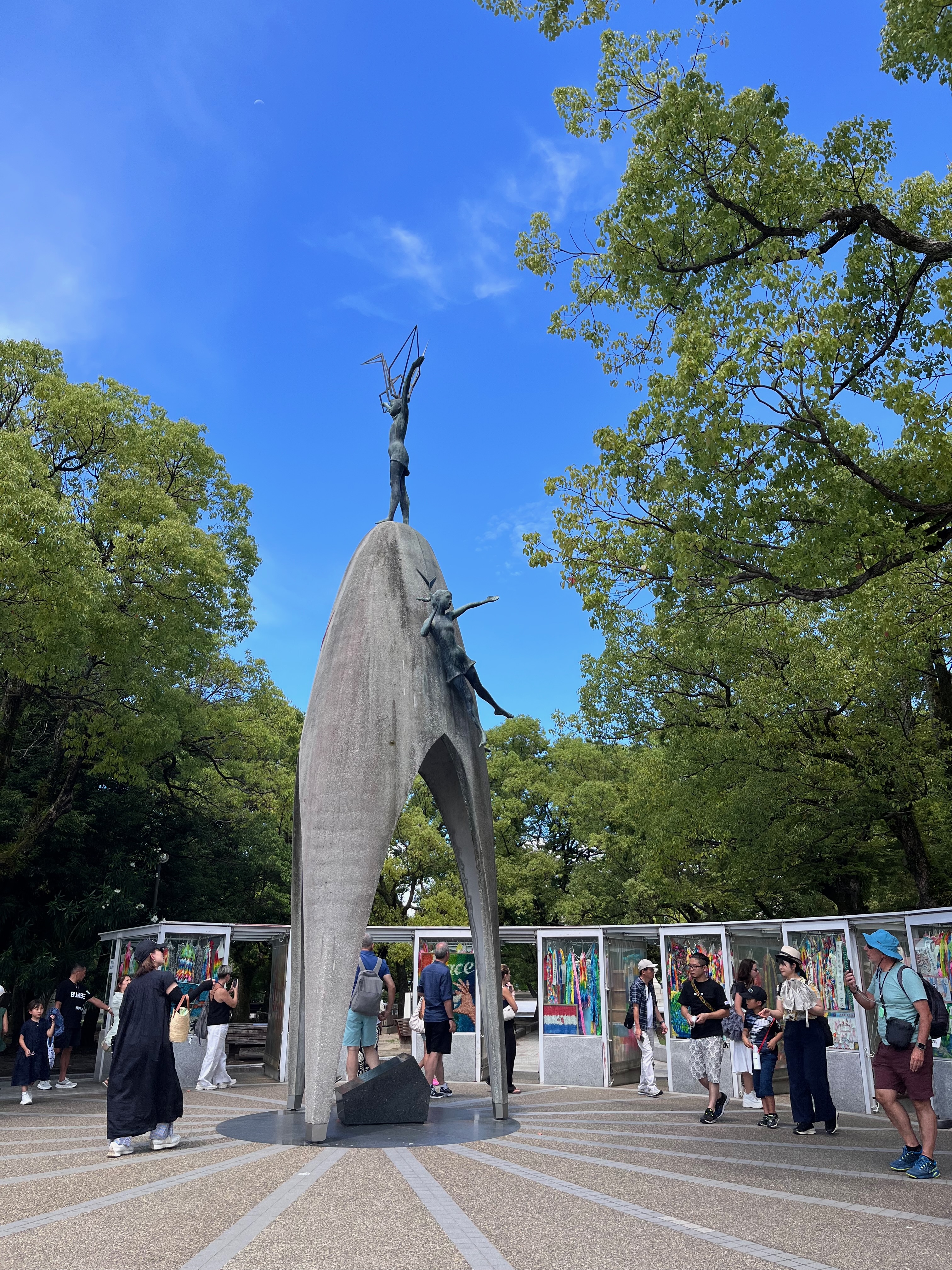
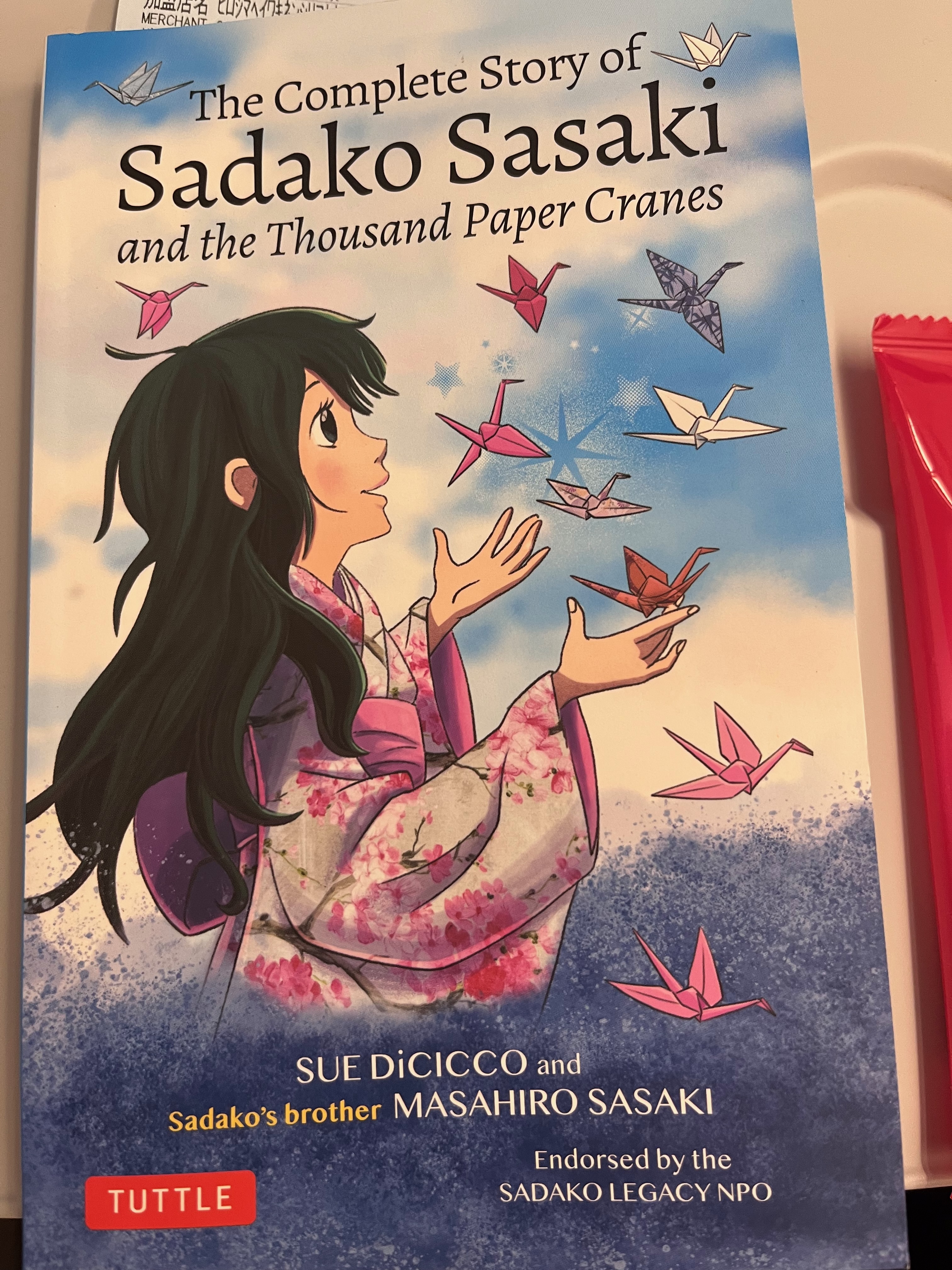
For further reading, I bought a book about Sadako Sasaki and read it on the train ride to Tokyo. Her monument in the Peace Park stands for all the children who fell victim to the atomic bomb. It is a book that will make everyone who reads it think twice about war and the cruel destiny it brings to those who suffer from it.
She was incredibly brave. I believe her hopeful wishes for peace still accompany the city today because Hiroshima feels unbelievably calm, orderly, and peaceful.
Afterwards, in the late afternoon, we took the Shinkansen to Tokyo to meet our friends. I can only recommend using the comfortable Shinkansen trains. From Hiroshima to Tokyo, it took us just over four hours to cover around 800 km. The ride was very smooth and calm. People were polite, and everything was very clean. I even managed to read the whole book during the ride — something that never happens on a train journey in Germany because it is usually too noisy.
Recommendations for Hiroshima:

Chapter 5: Tokyo
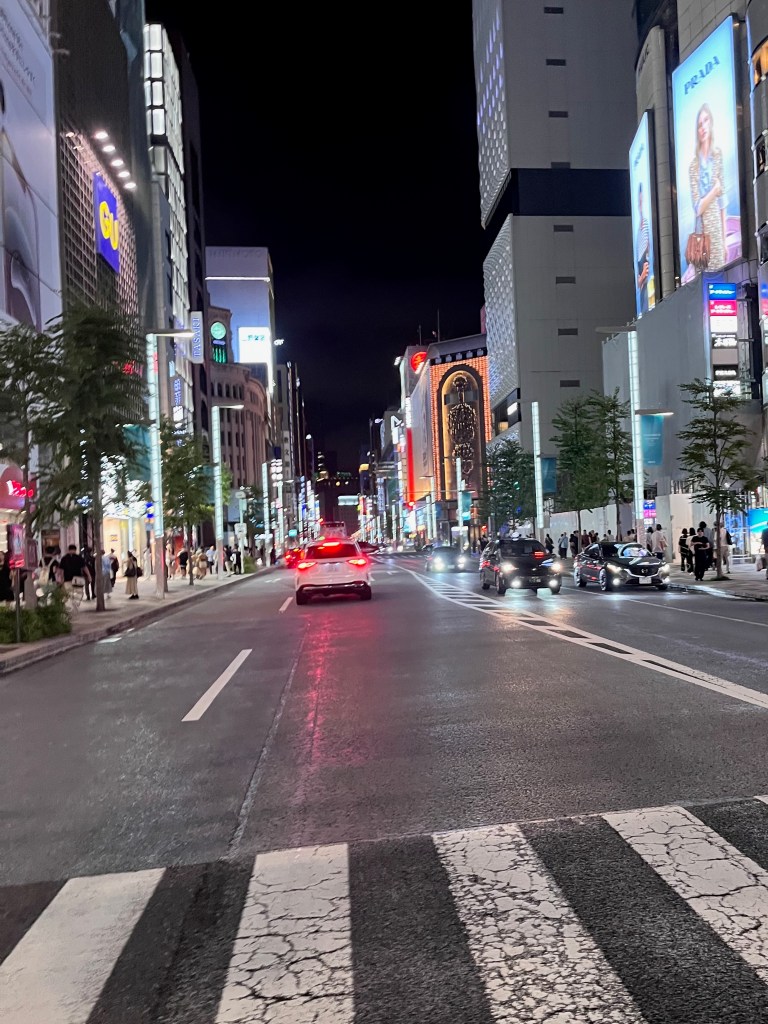
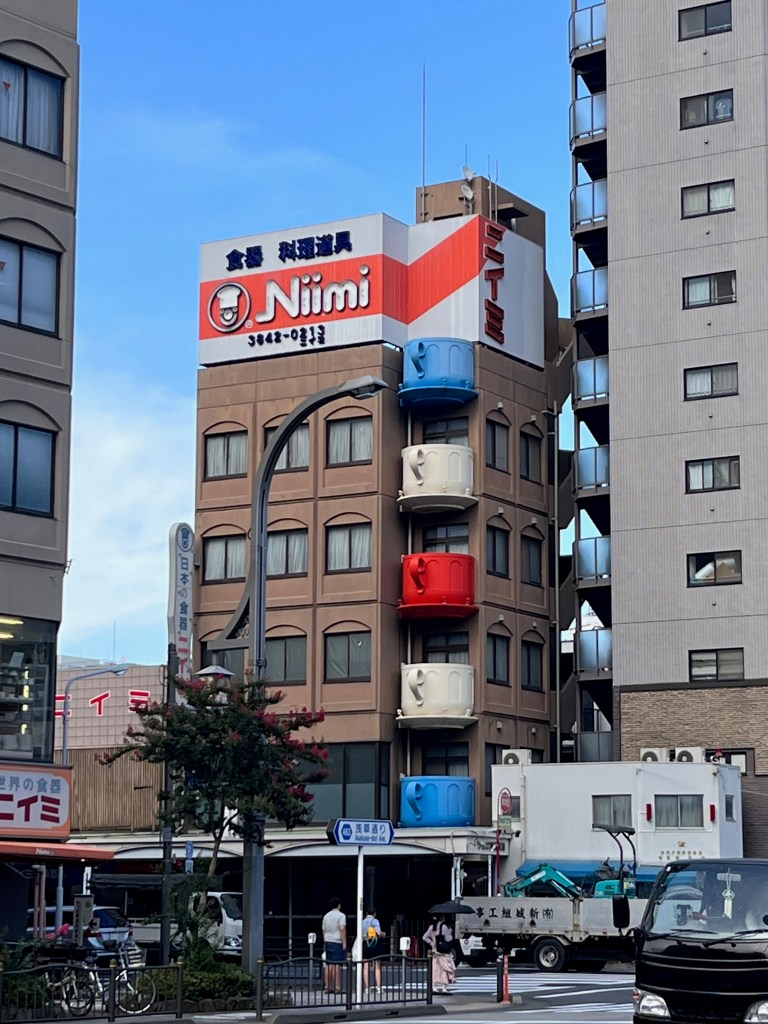
Tokyo is a city of contrasts and completely surprised me. As a global metropolis with around 39 million people in the greater metropolitan area, everything is very clean, orderly, and well structured.
People are considerate of one another, and the streets are clean — except in areas with many tourists, where it can sometimes become noticeably chaotic. Tokyo is elegant, modern, and cosmopolitan.
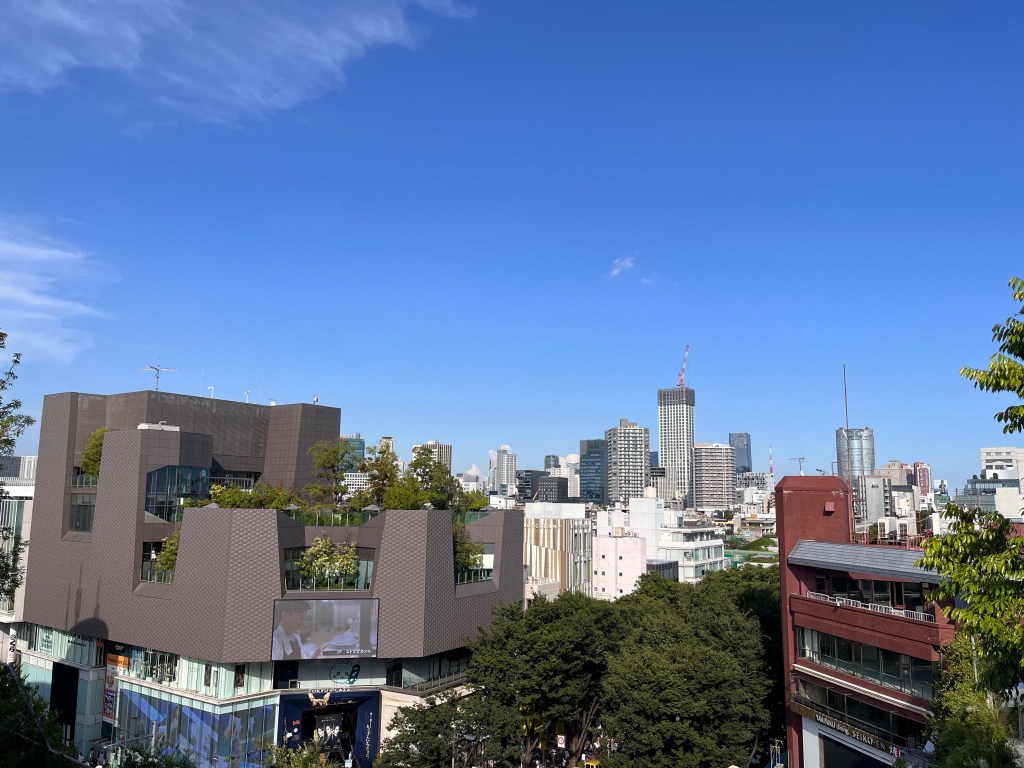
It was also incredibly impressive to see the SDGs represented in several places. In the financial district and elsewhere, small avenues and vertical gardens have been planted, and the city is full of green oases. To counter the heat, certain areas are watered since the concrete would otherwise retain too much warmth.
Around Meiji Jingu, it is unbelievably quiet. You have to walk through a vast forrest to reach the shrine. I would never have thought that possible. I had expected to be permanently swallowed by crowds of people — but that assumption turned out to be incorrect.
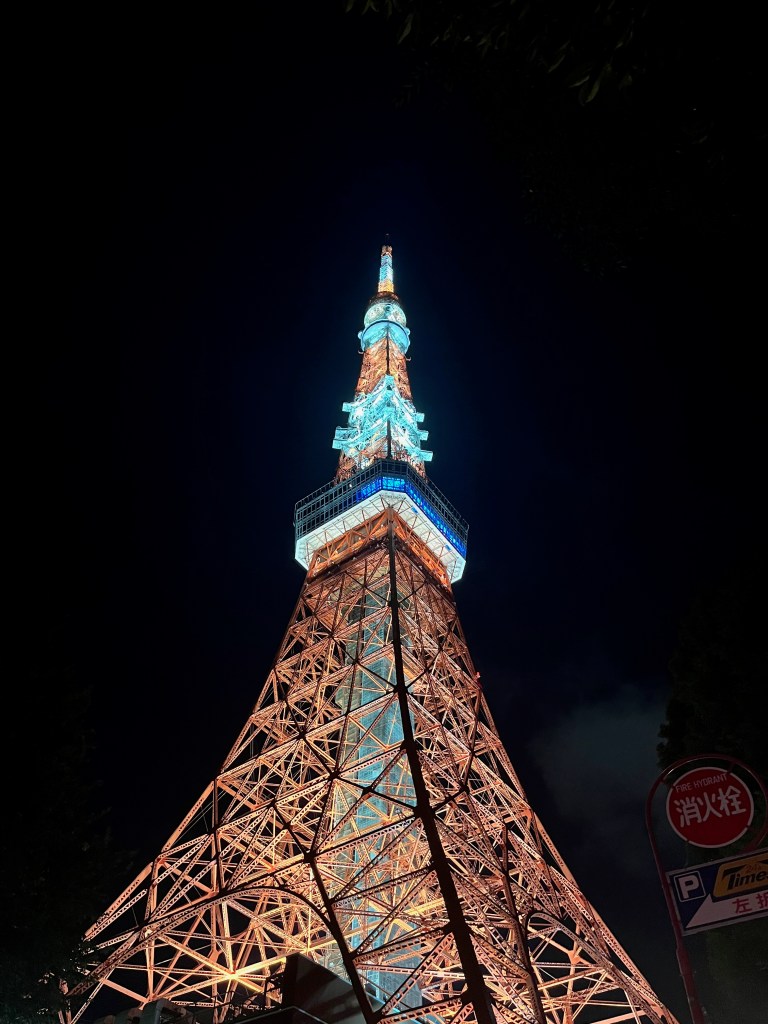
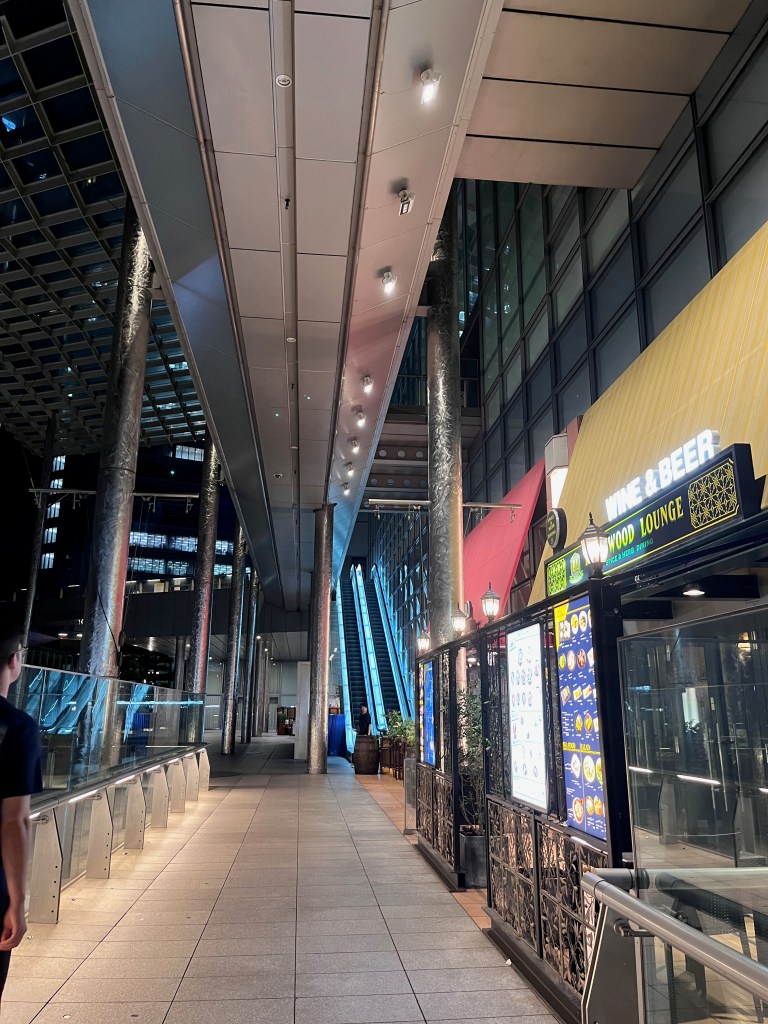
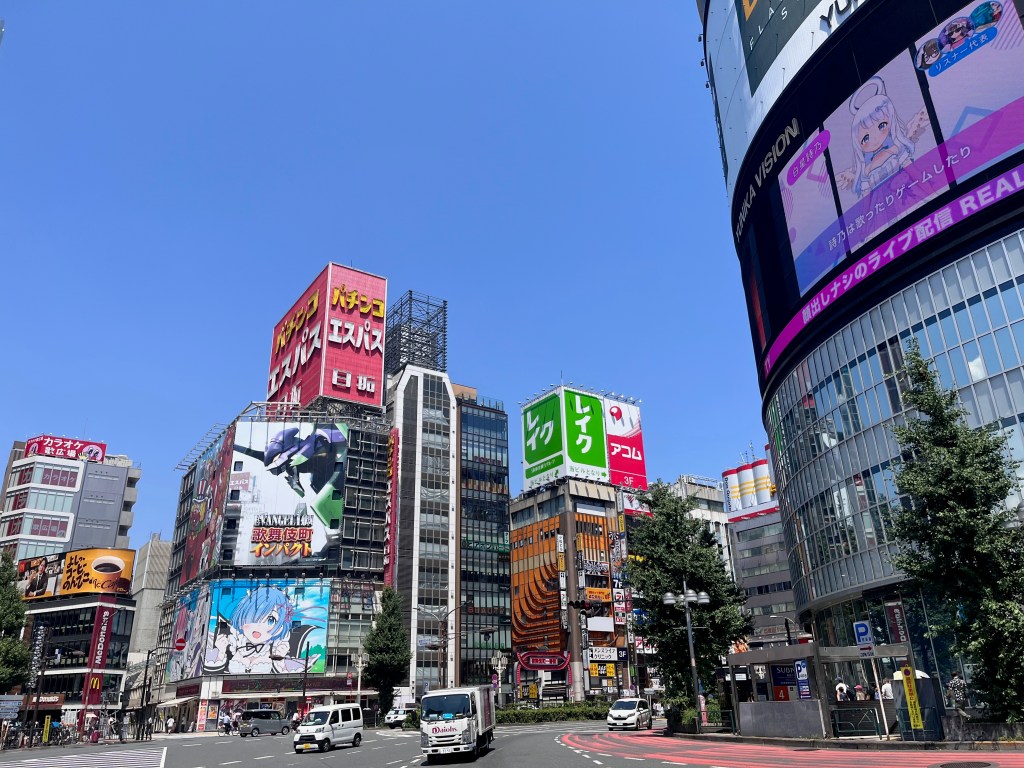
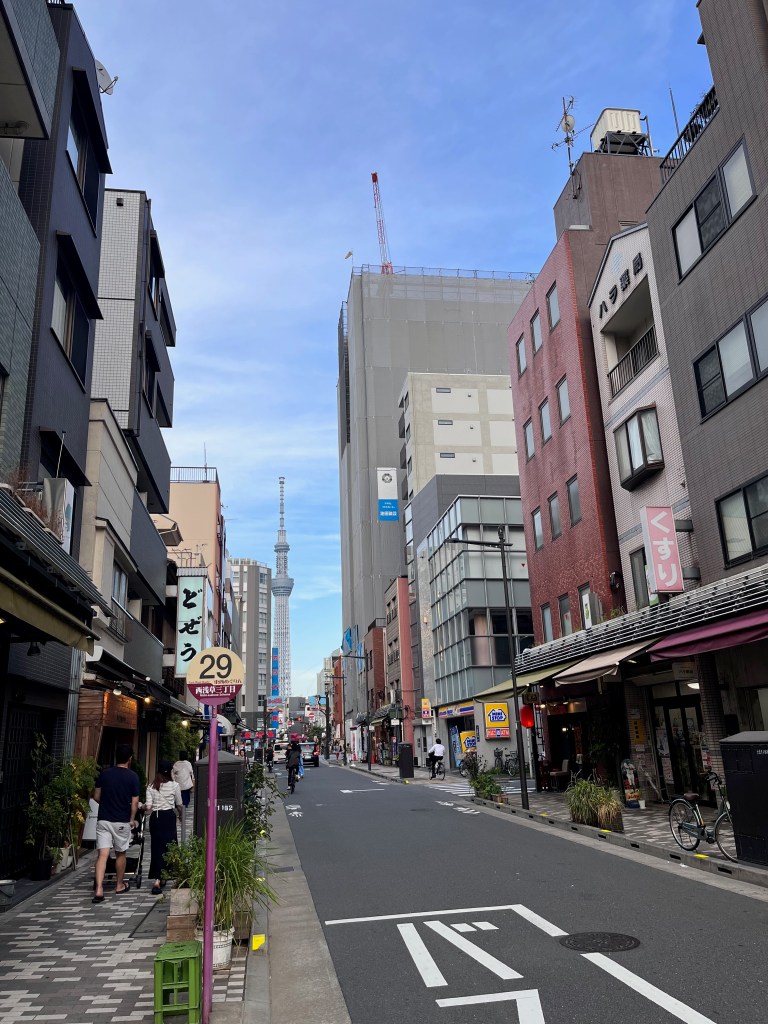
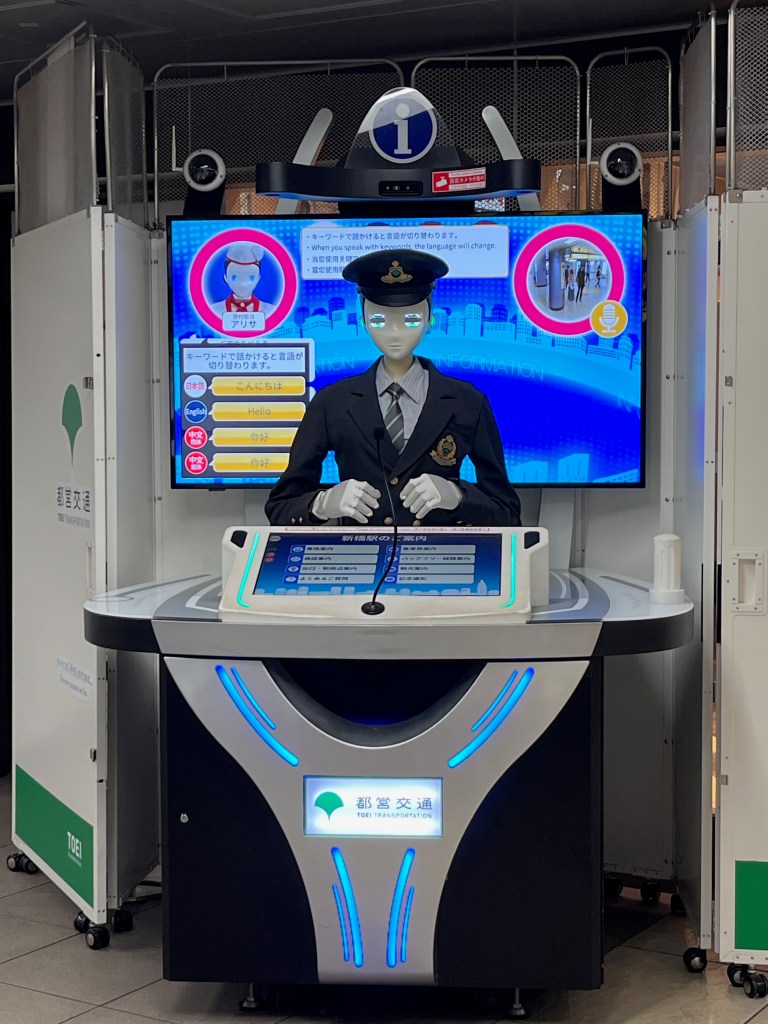
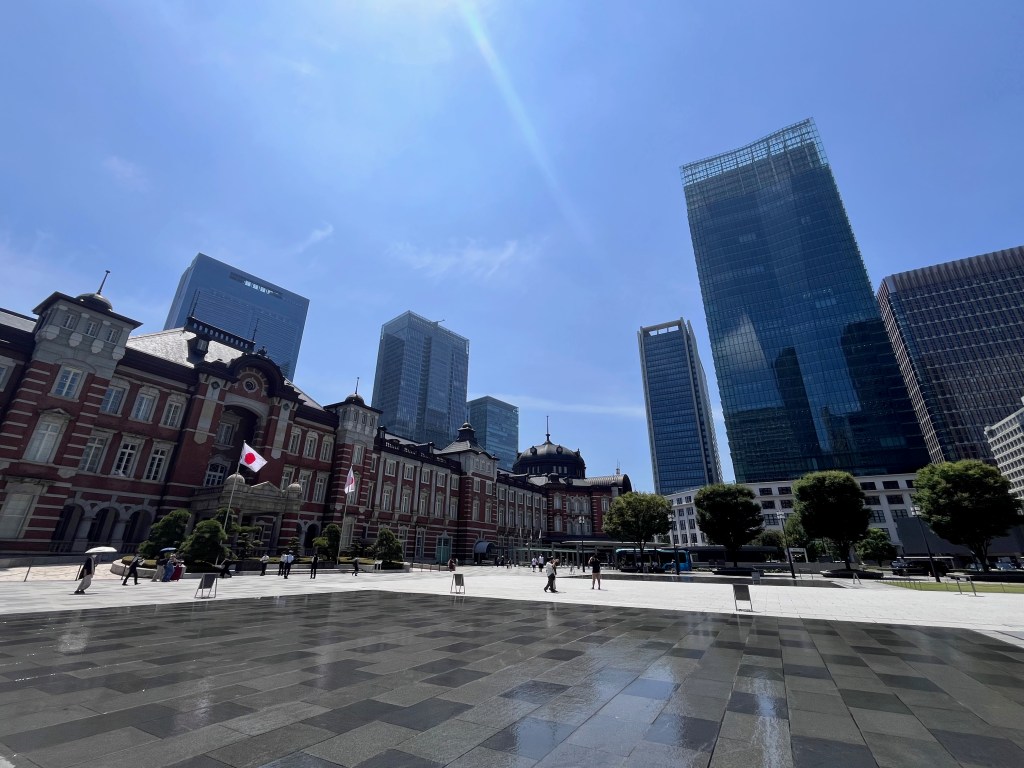
Technology feels seamlessly integrated into everyday life: whether it’s AI-supported robots representing the railway employees of the future or security robots at train stations. Everything feels so modern, as if the future has long since begun there. At times, you lose yourself in the canyons of skyscrapers, marveling at the mega-structures and the visions of a future still ahead of us. One thing is certain: this is a place where thoughts learn to fly.
Another highlight was the BBQ with the AIESEC members in Tokyo. After some initial language difficulties, we had an engaging exchange with board members from the alumni association as well as current members. I would like to thank Kohei and Naokei for having us in your vivid and wonderful AIESEC community.
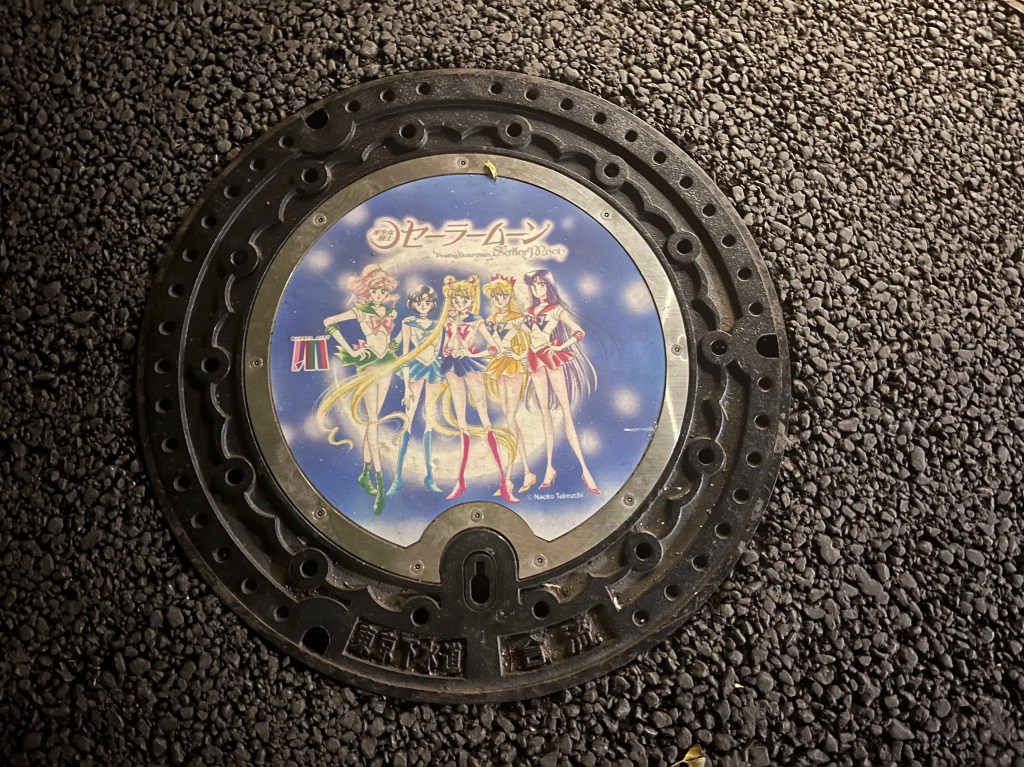
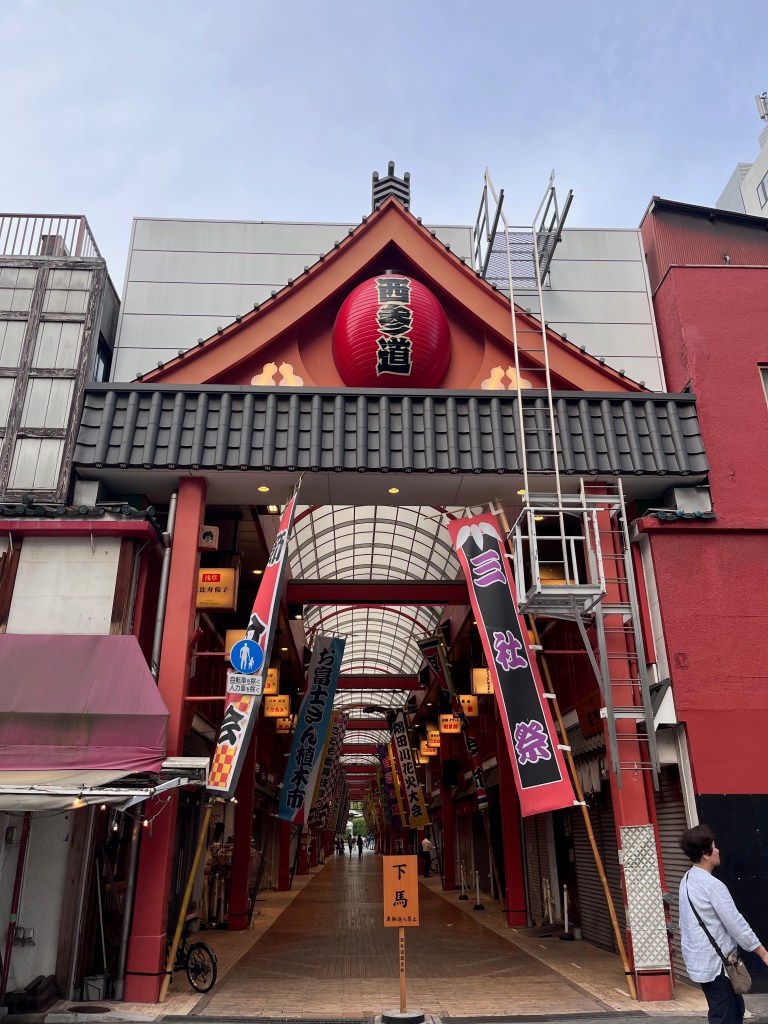
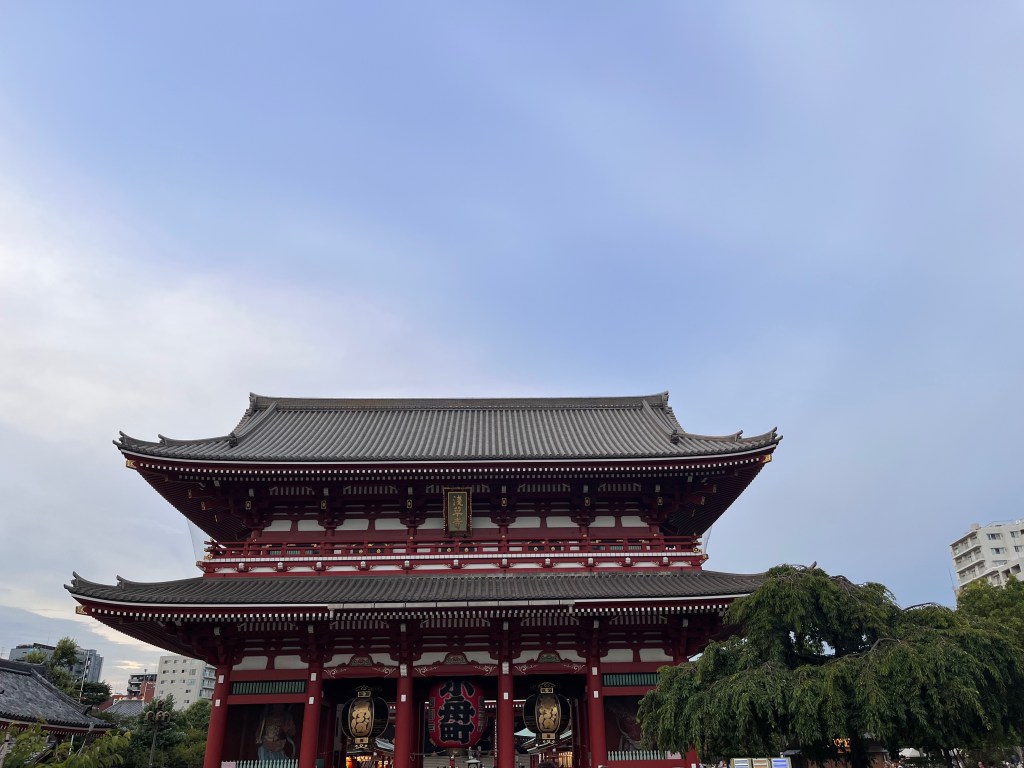
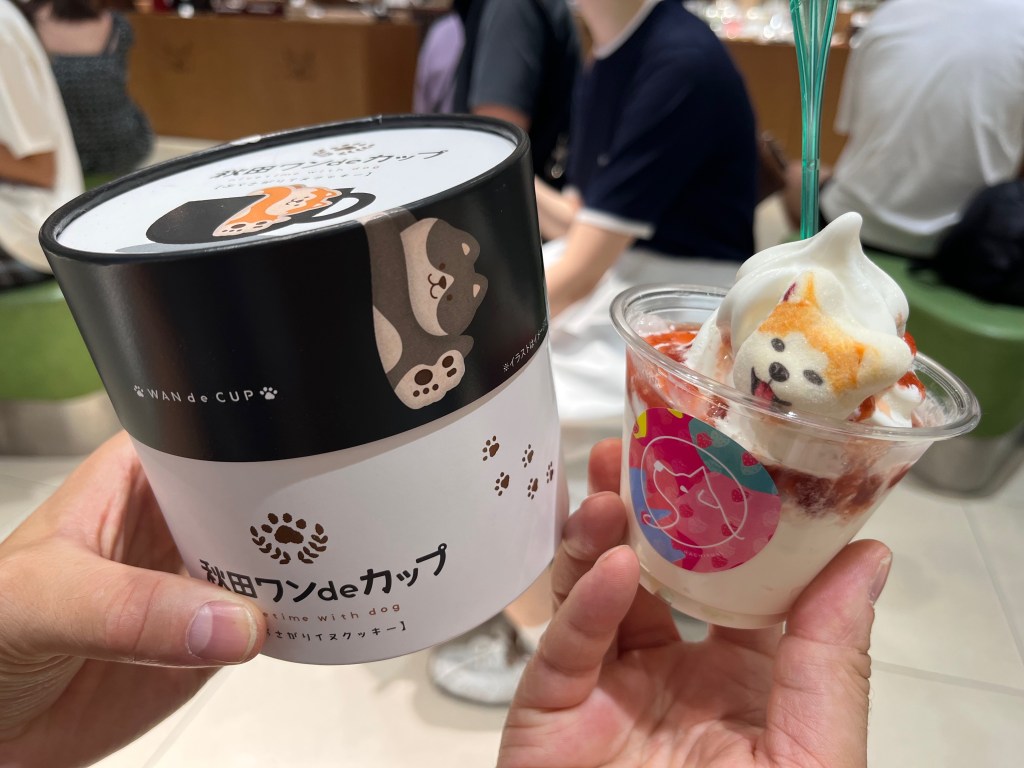
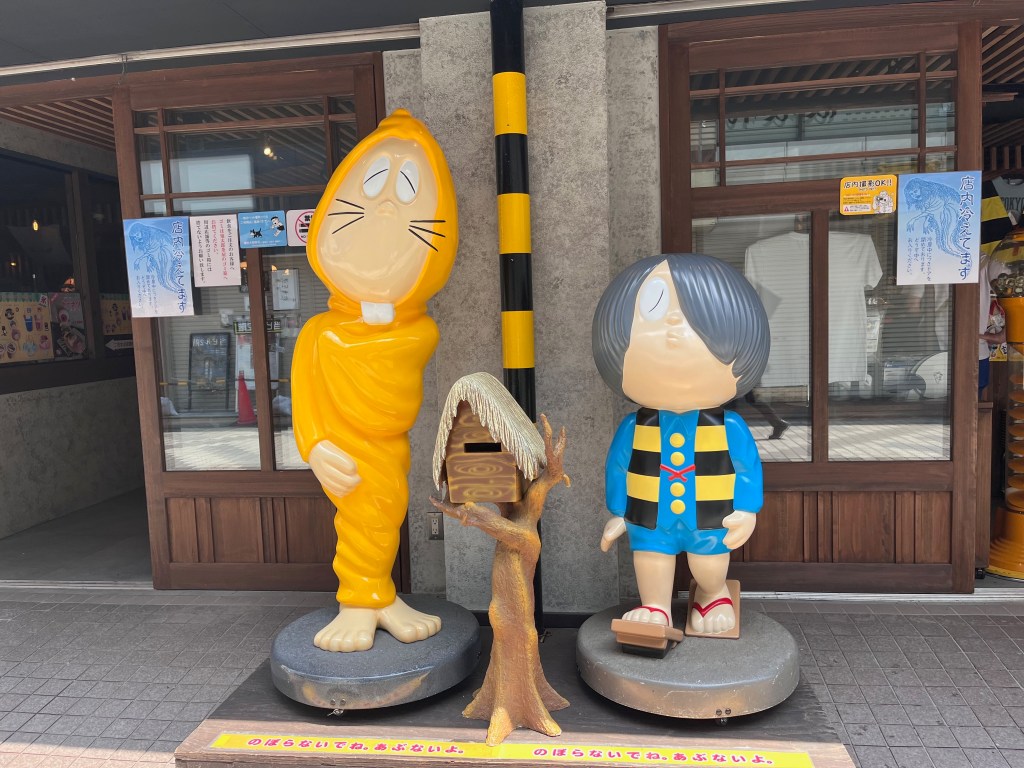
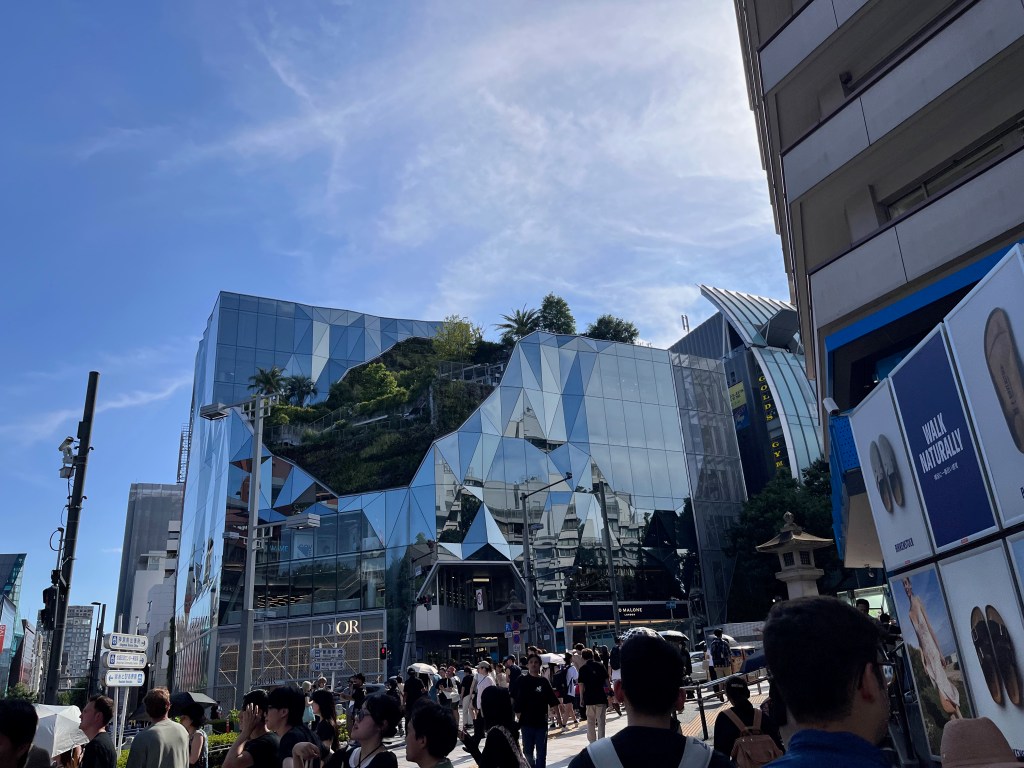
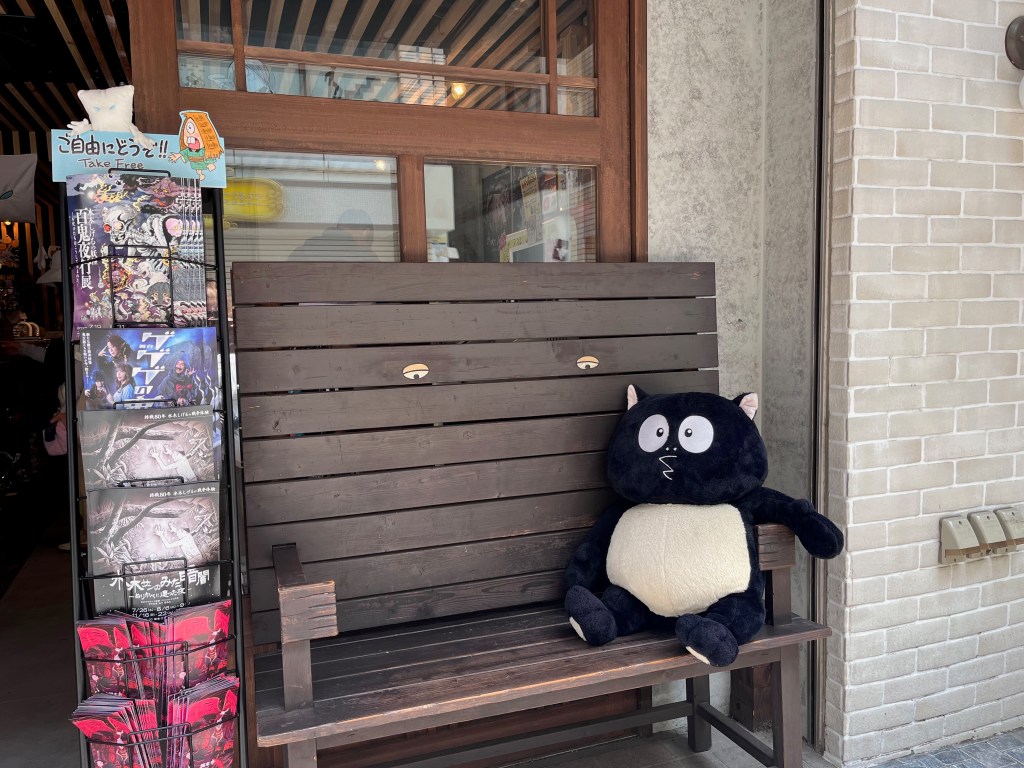
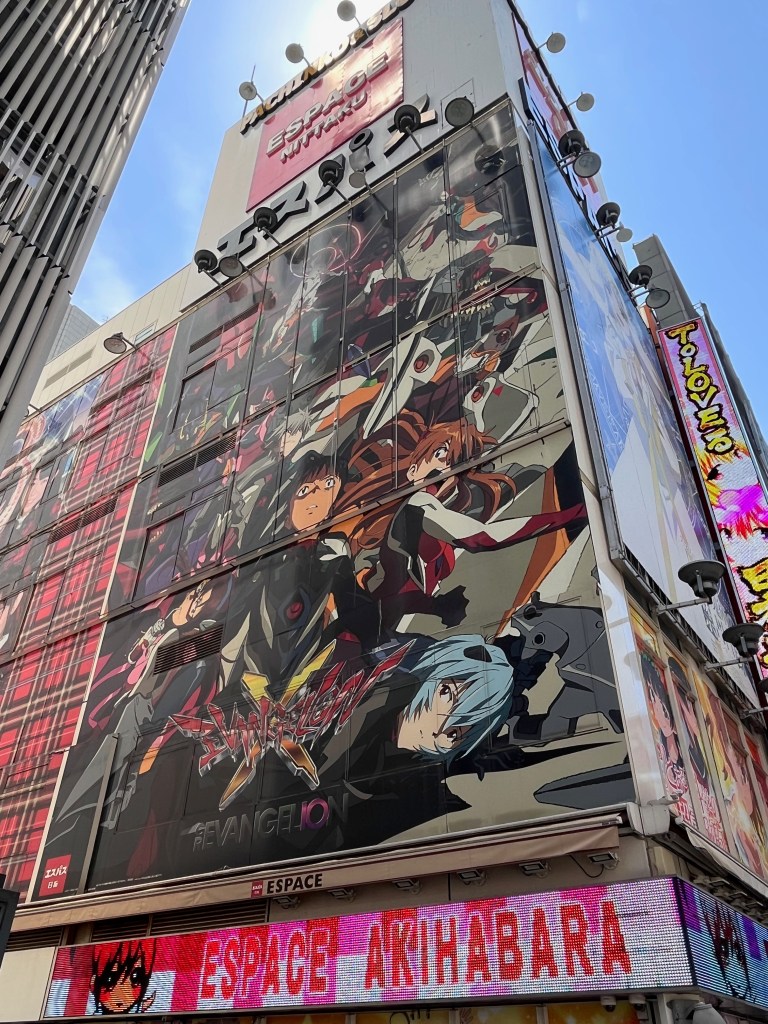
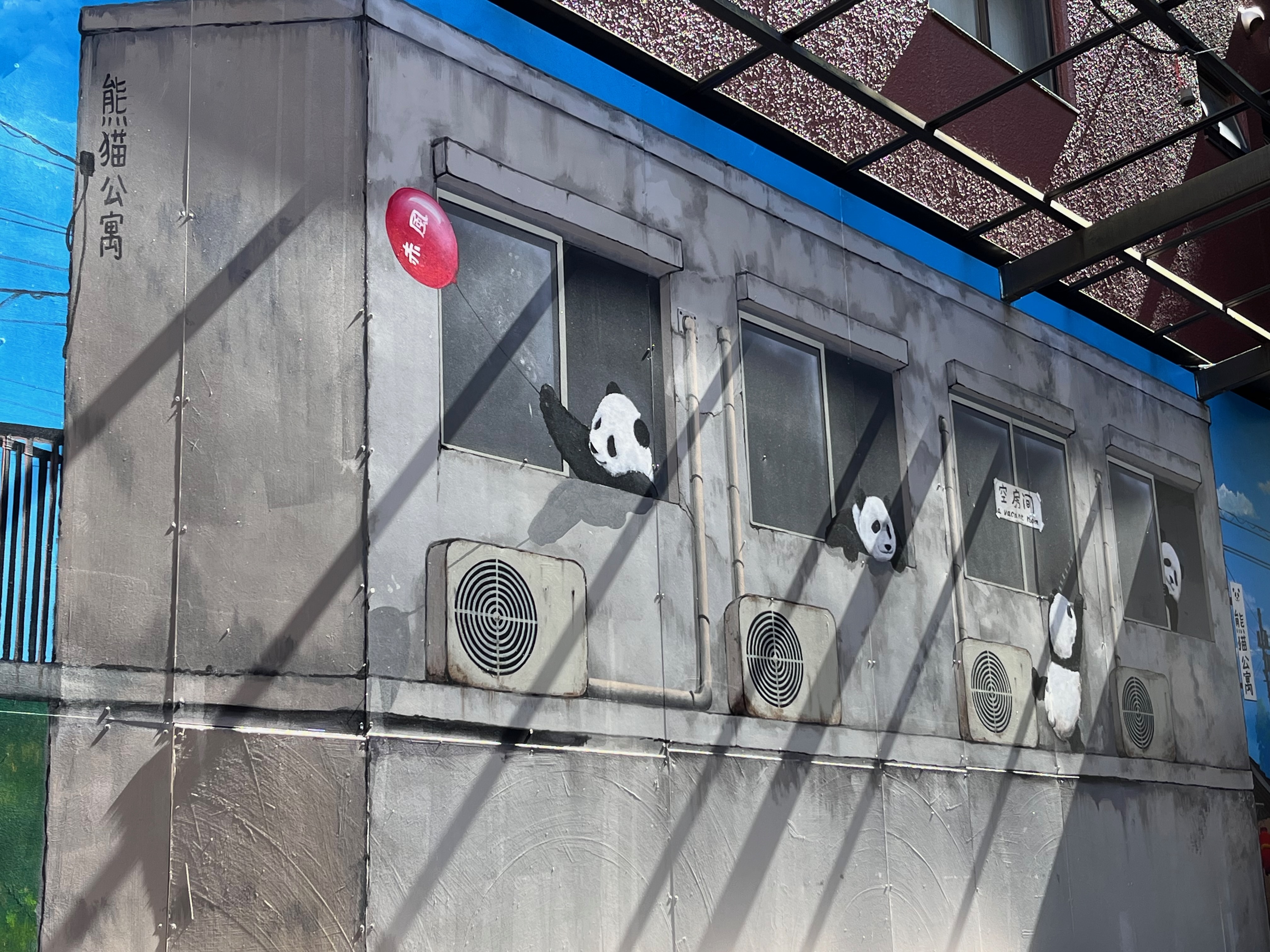
Overall, Tokyo is not just a place for manga and anime fans, but also for those who want to take a glimpse into the near future. You can get lost in this huge city, but you will also find city oases along the way, whimsical streets, and adorable spots that remind you of childhood heroes like Sailor Moon.
Recommendations in Tokyo:
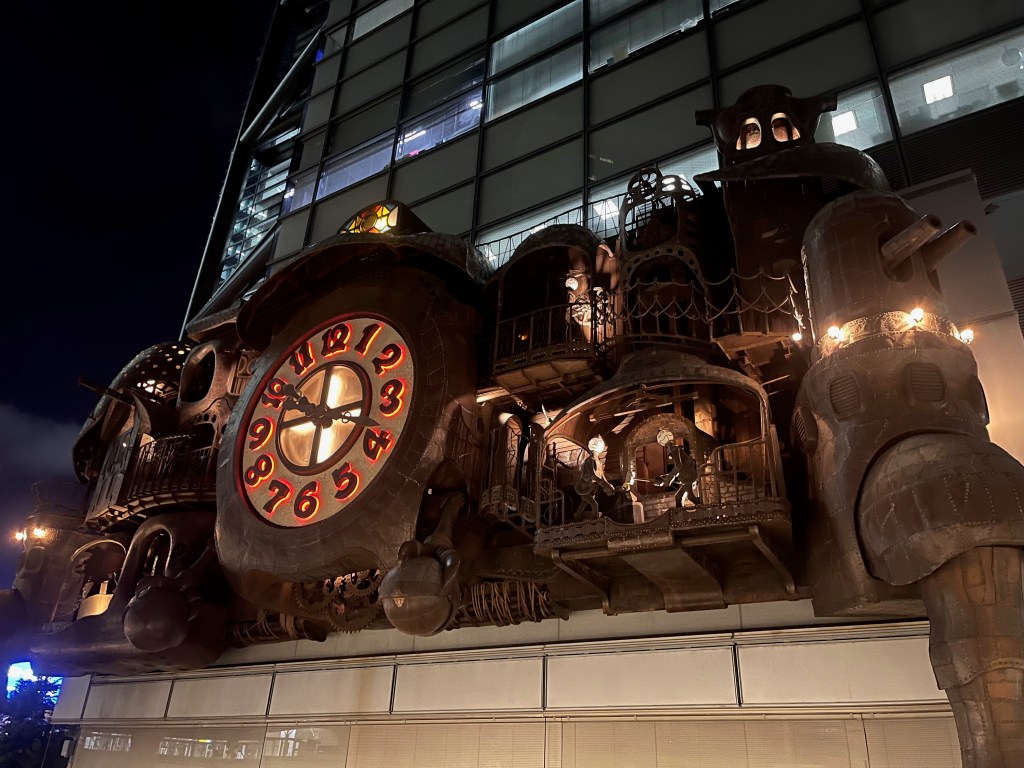
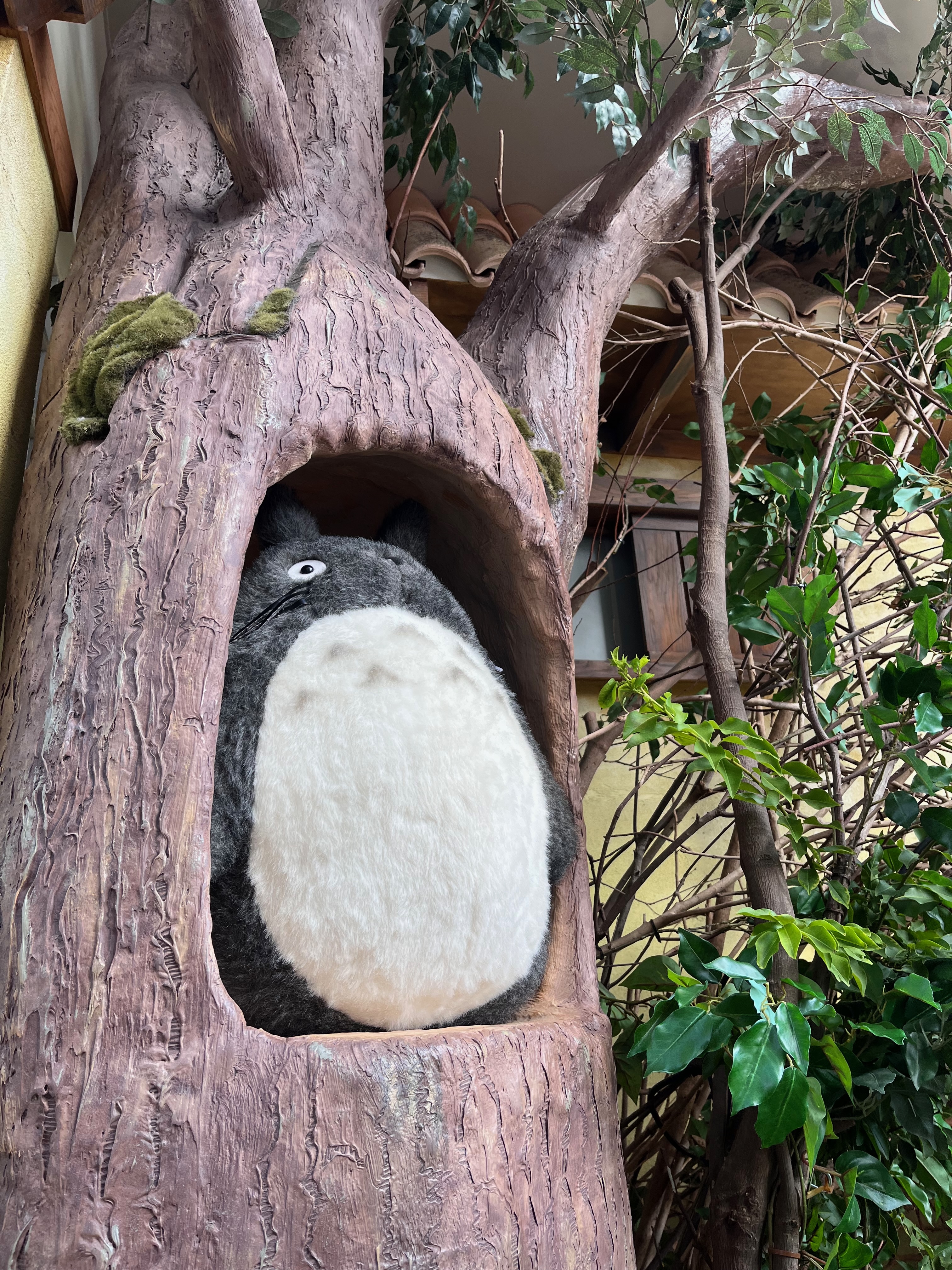
- The Ghibli Clock including a show at special times. Close to this place and some level below you can meet the above mentioned train employee robot.
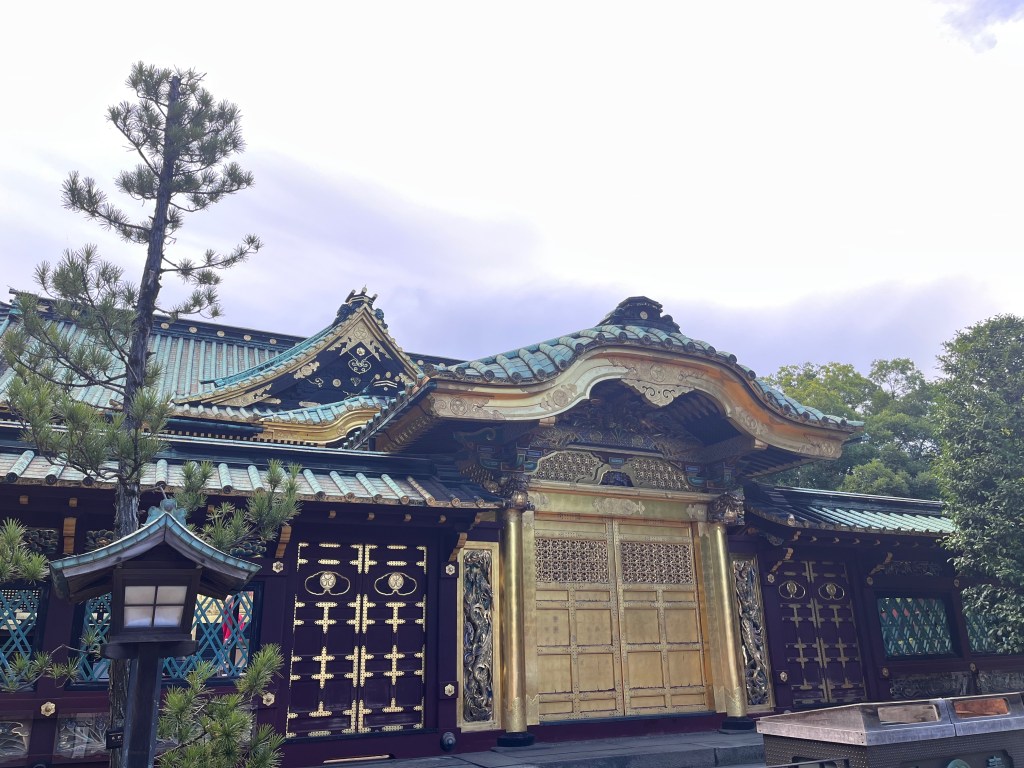
Chapter 6: Yokohama, Kamakura, and Enoshima
Close to Tokyo and within a day-trip distance, you might want to explore some wonderful spots outside the city.
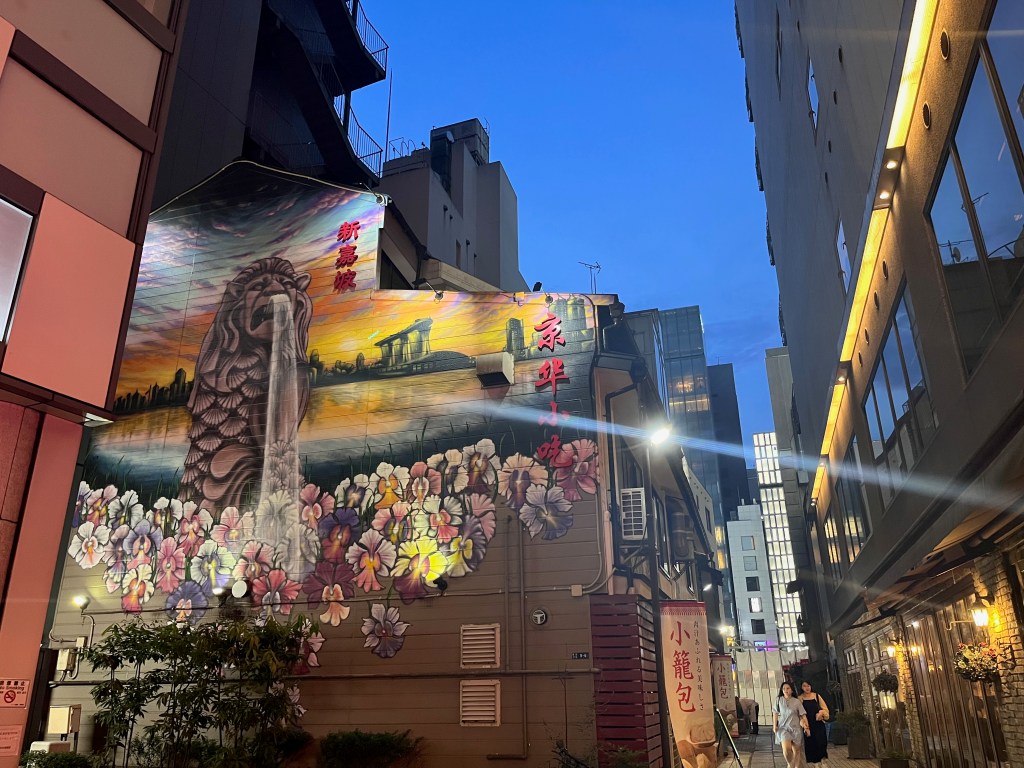
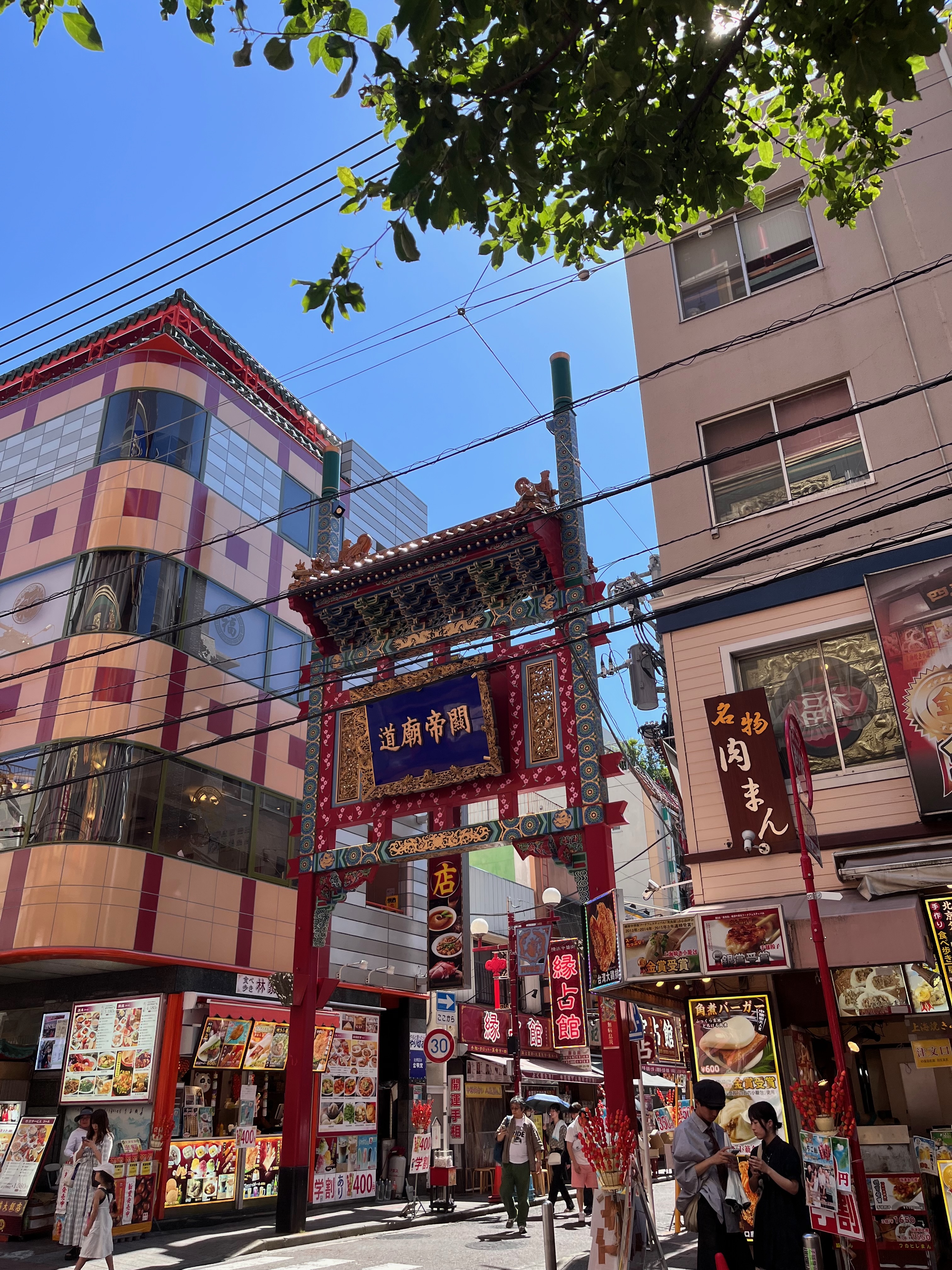
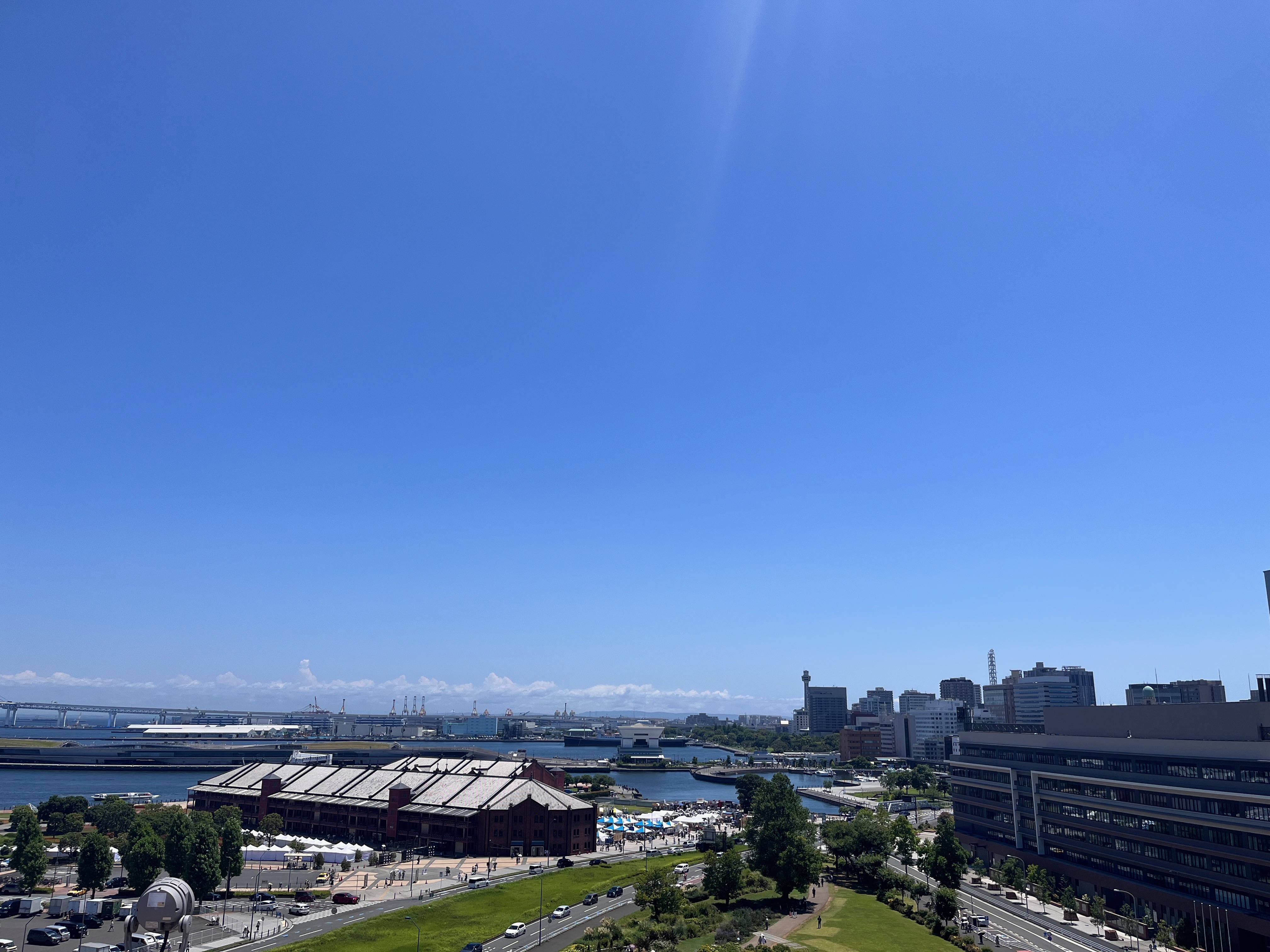
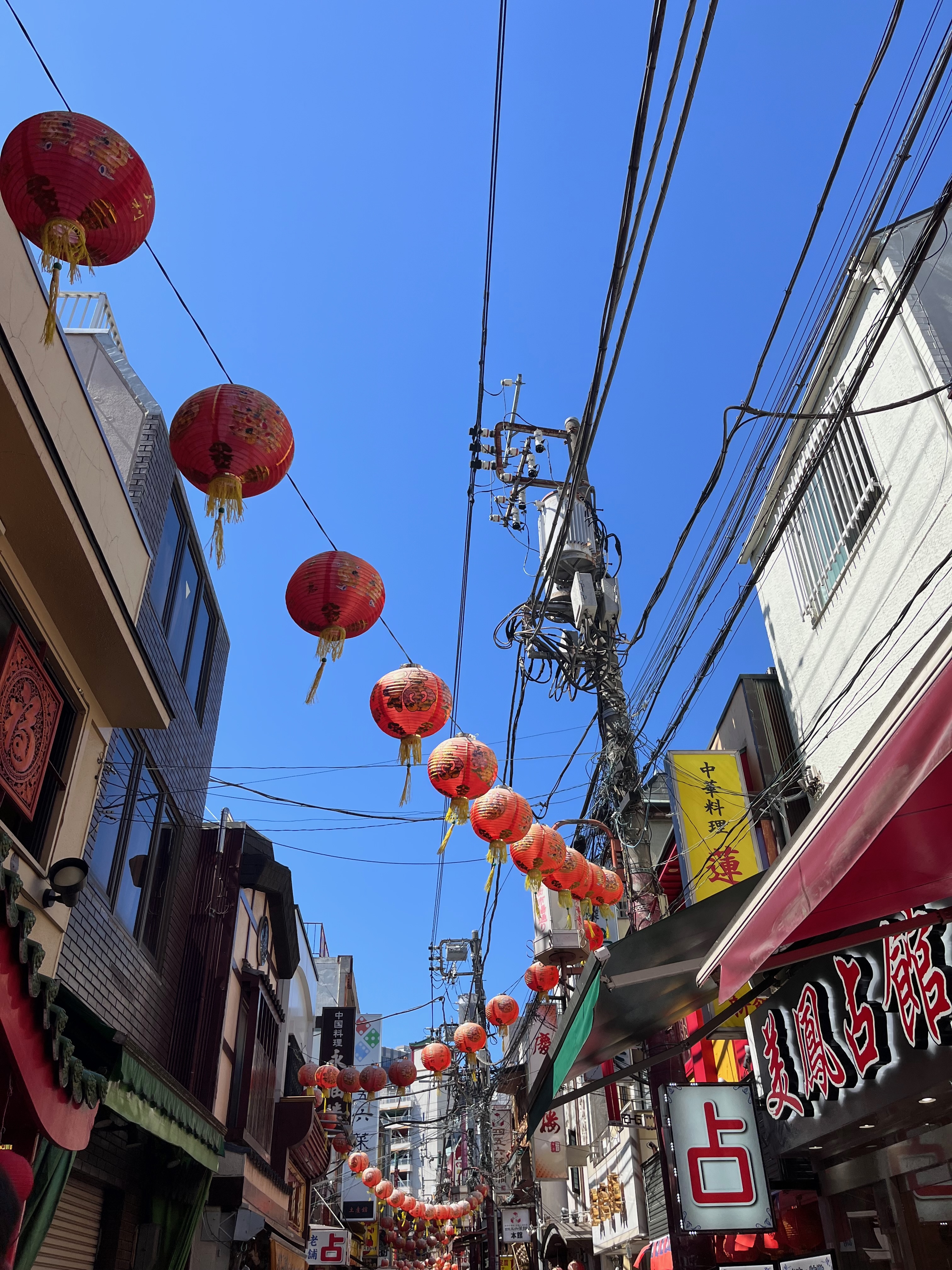
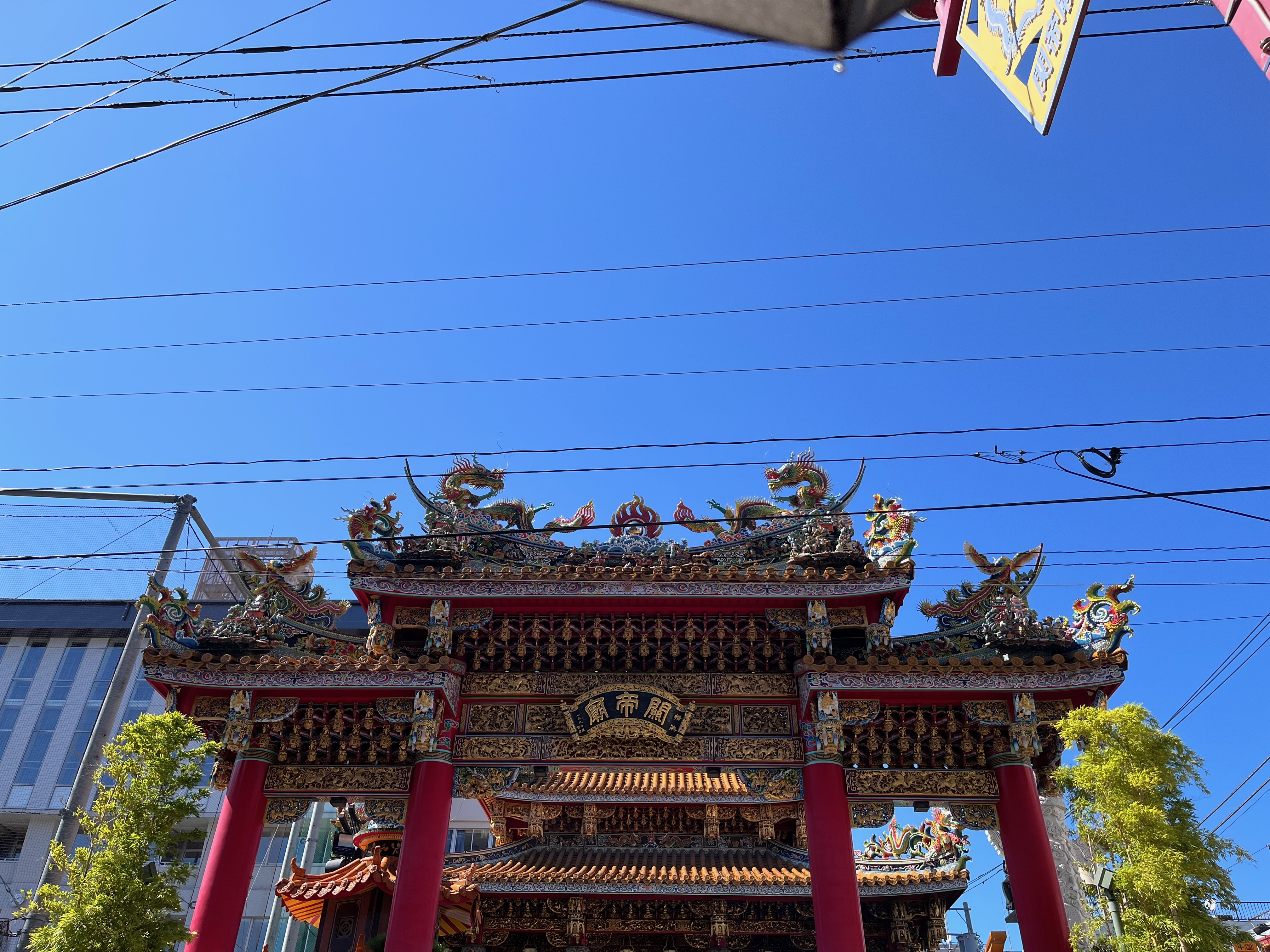
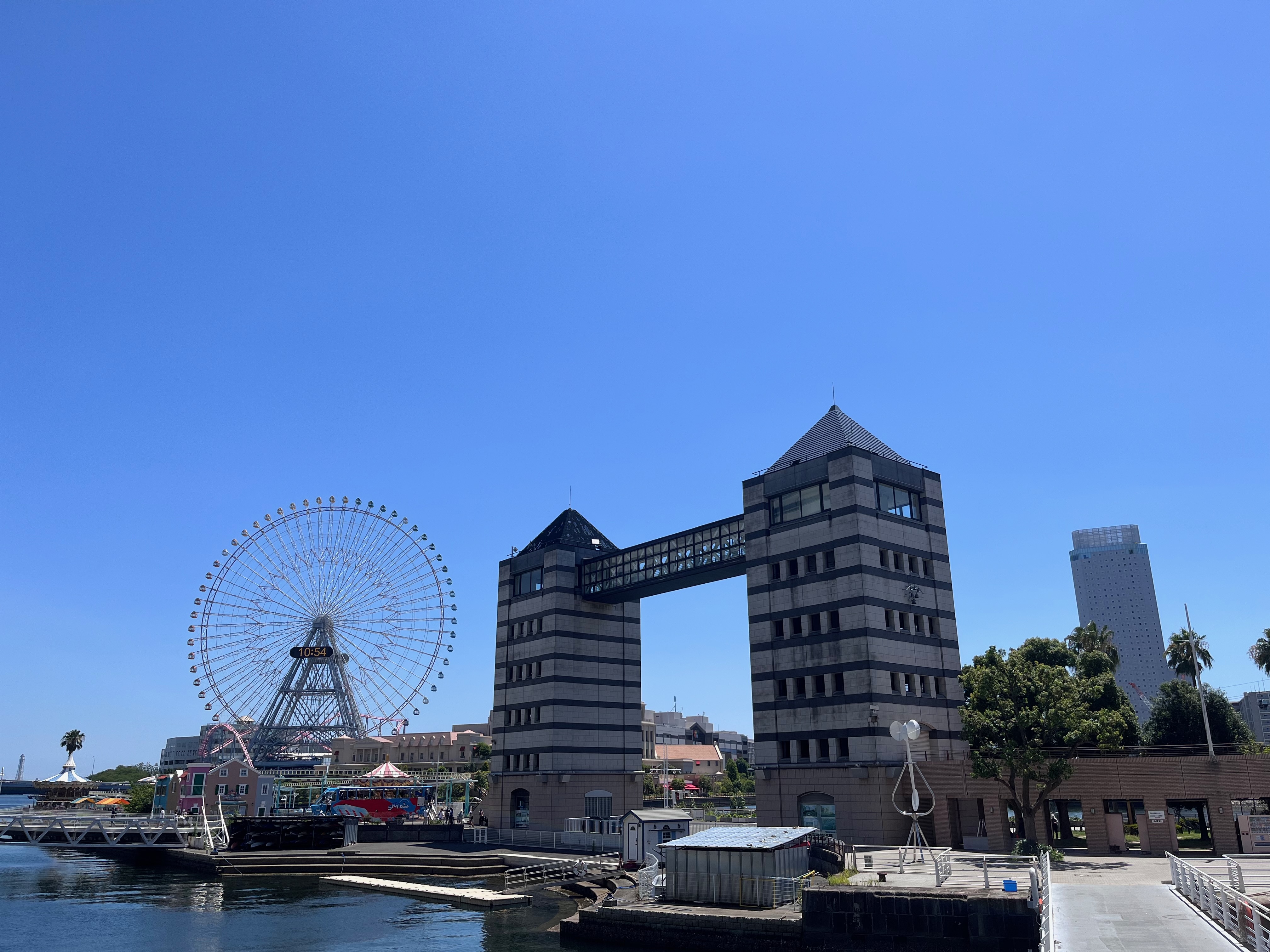
Yokohama surprised us with a Hawaiian cultural festival, which was fantastic, featuring dancing and singing. We strolled past an entertainment park, took a break at a nearby mall, and continued on to visit Chinatown. It was bustling with life, full of wonderfully scented street food, and there was a temple to visit as well. We took a small break to try some dumplings, which were rich in flavor, soft, and juicy at the same time. I can only recommend taking a look around and enjoying the food that catches your eye.
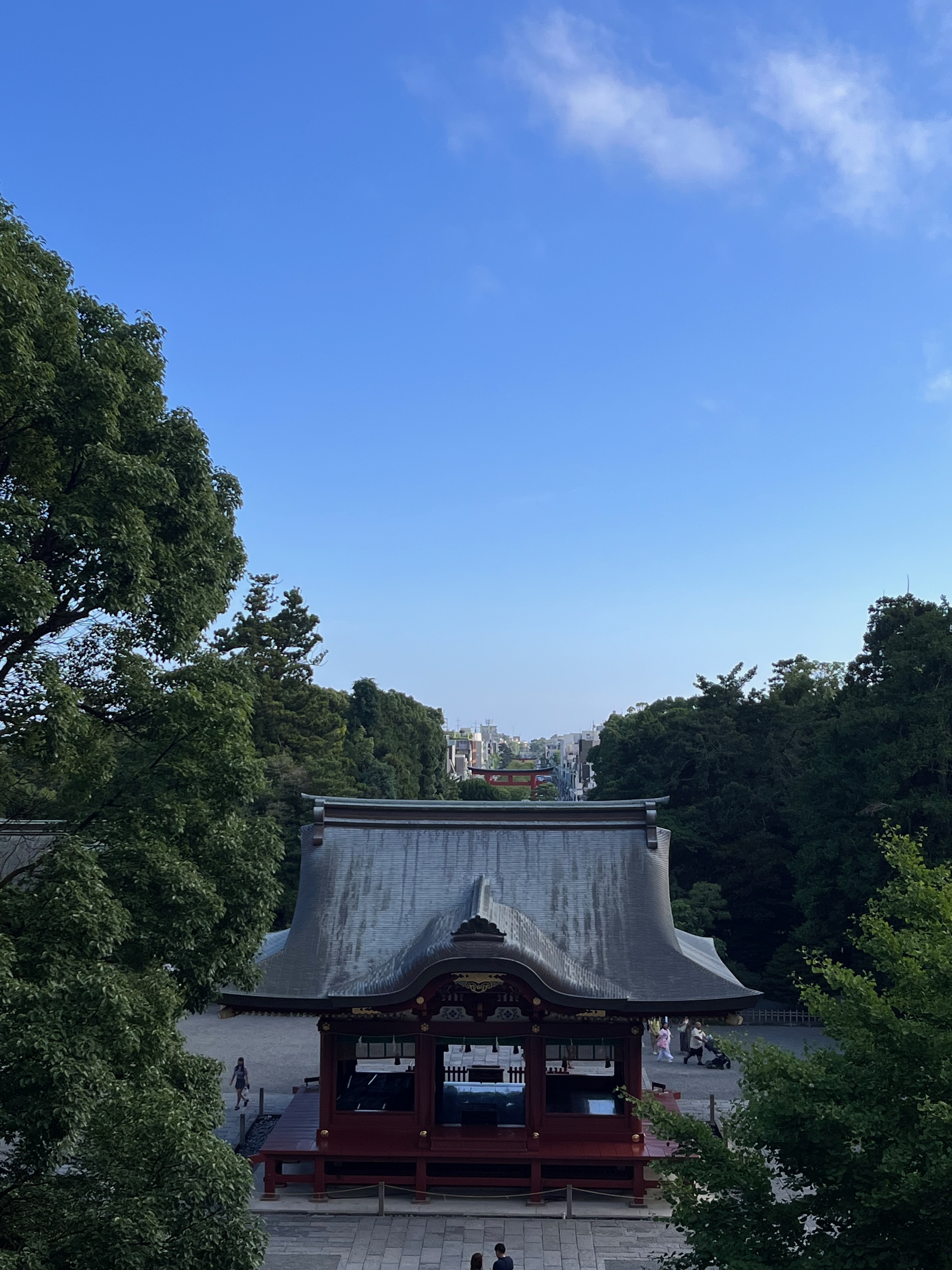
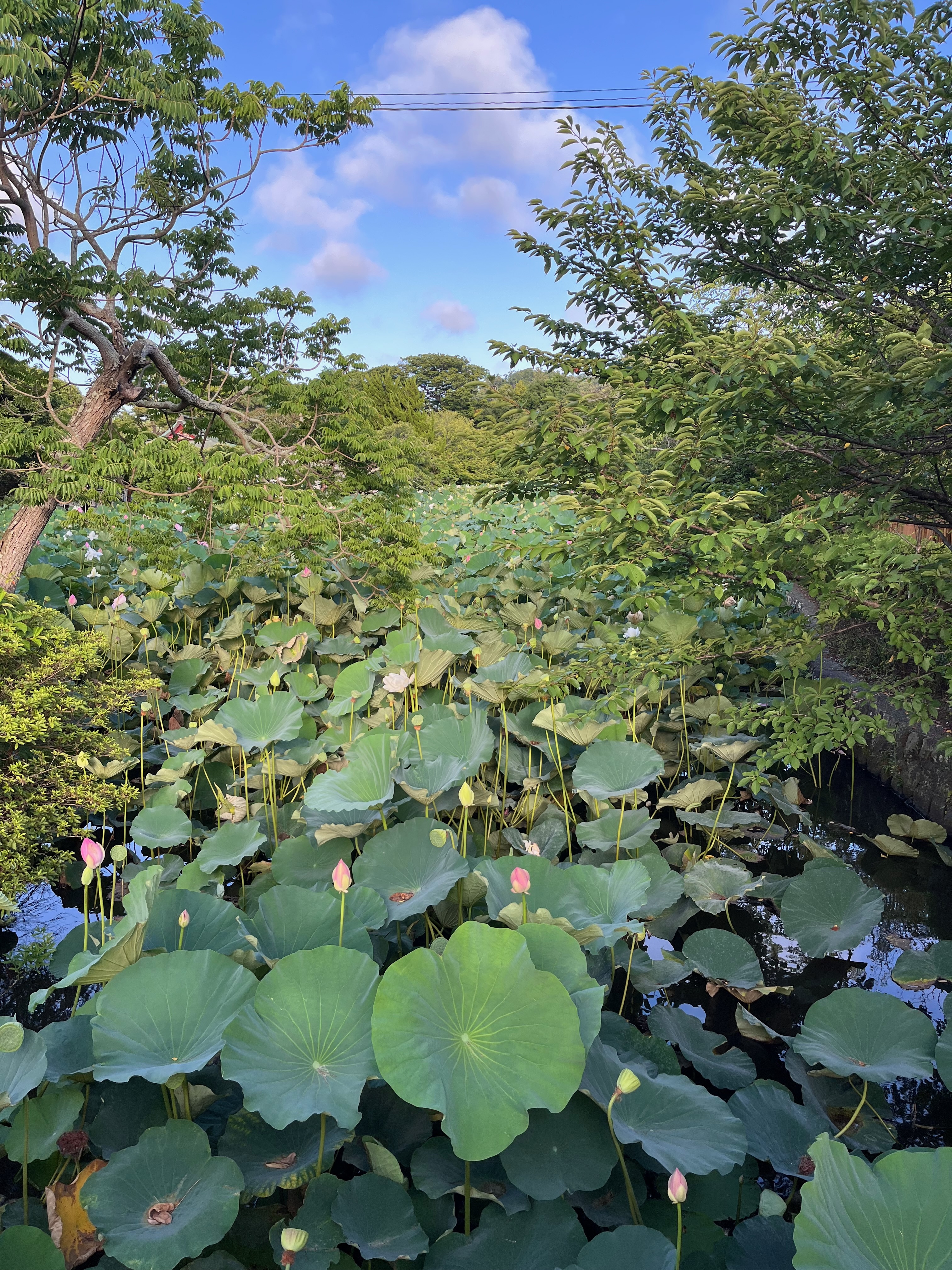
Outside Tokyo lies a world that blends entertainment, a picturesque fishing village atmosphere, and a sense of mysticism. From Yokohama, we traveled on to wonderful Kamakura, with its narrow alleys, charming temples, and idyllic lily ponds. It truly has the atmosphere of a village, with its narrow main street and small shops. I tried some refreshing matcha ice cream, which was fantastic, and during this holiday, I truly became matcha-addicted.
We took a historical tram to our next stop.
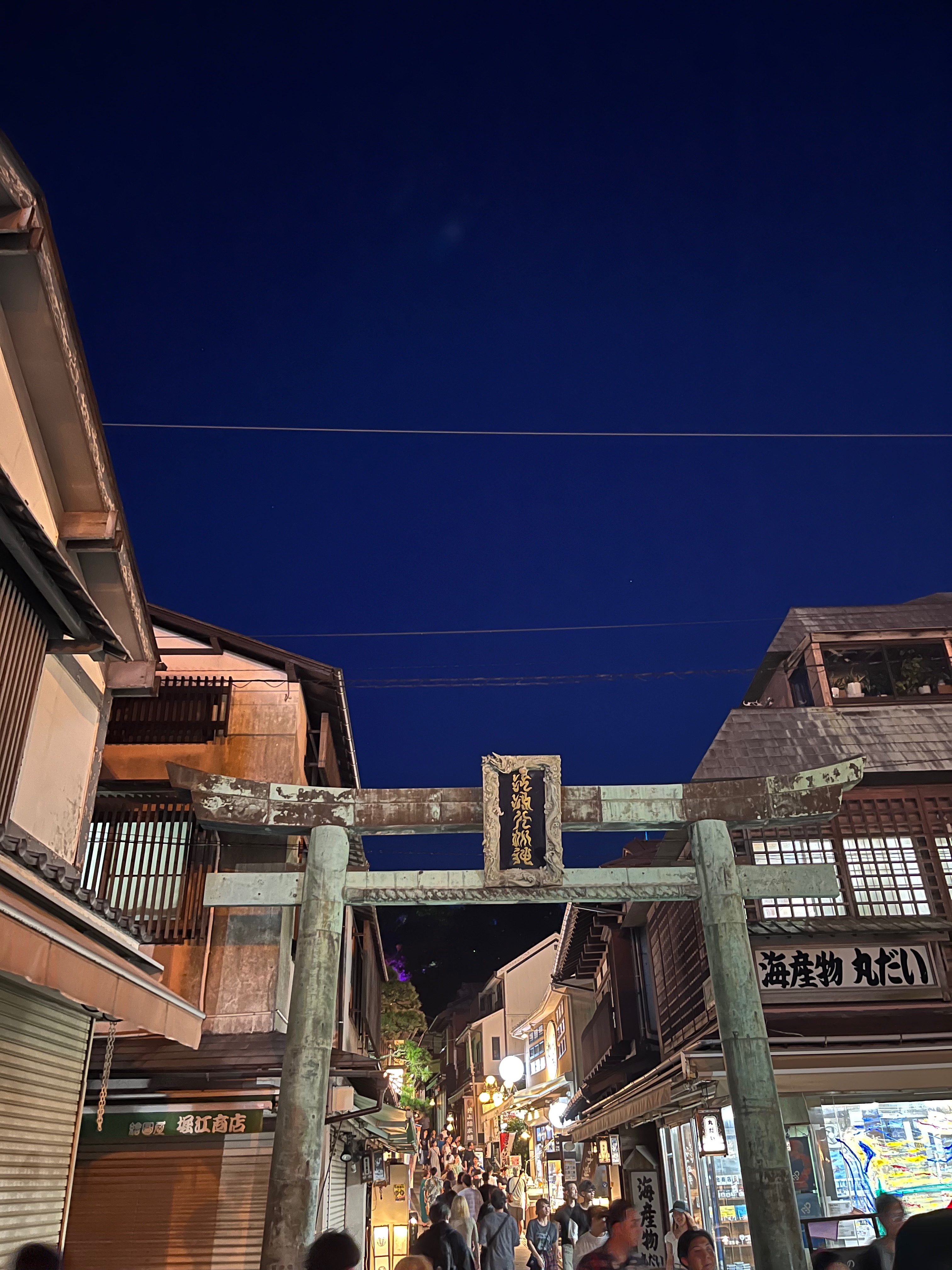
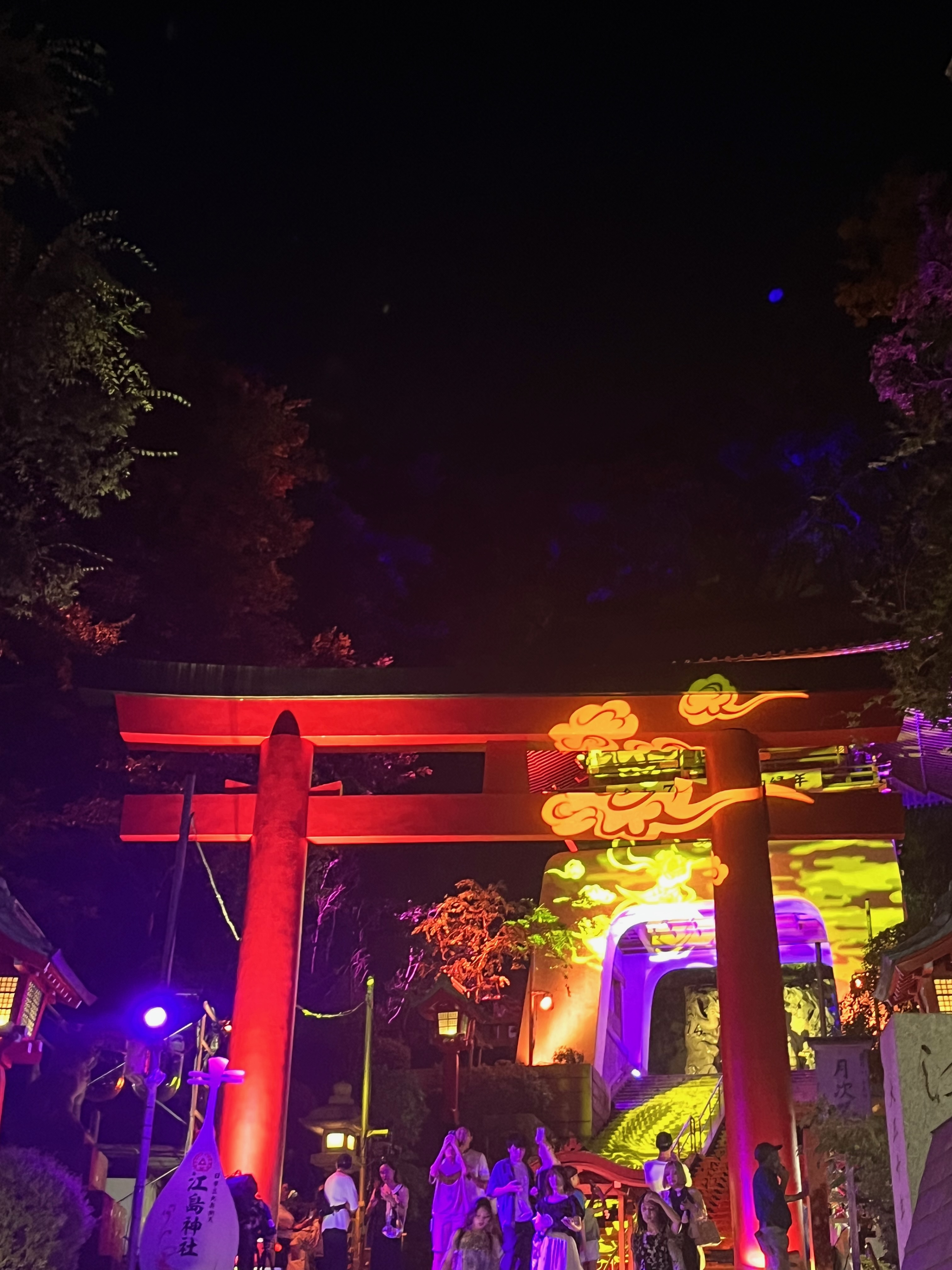
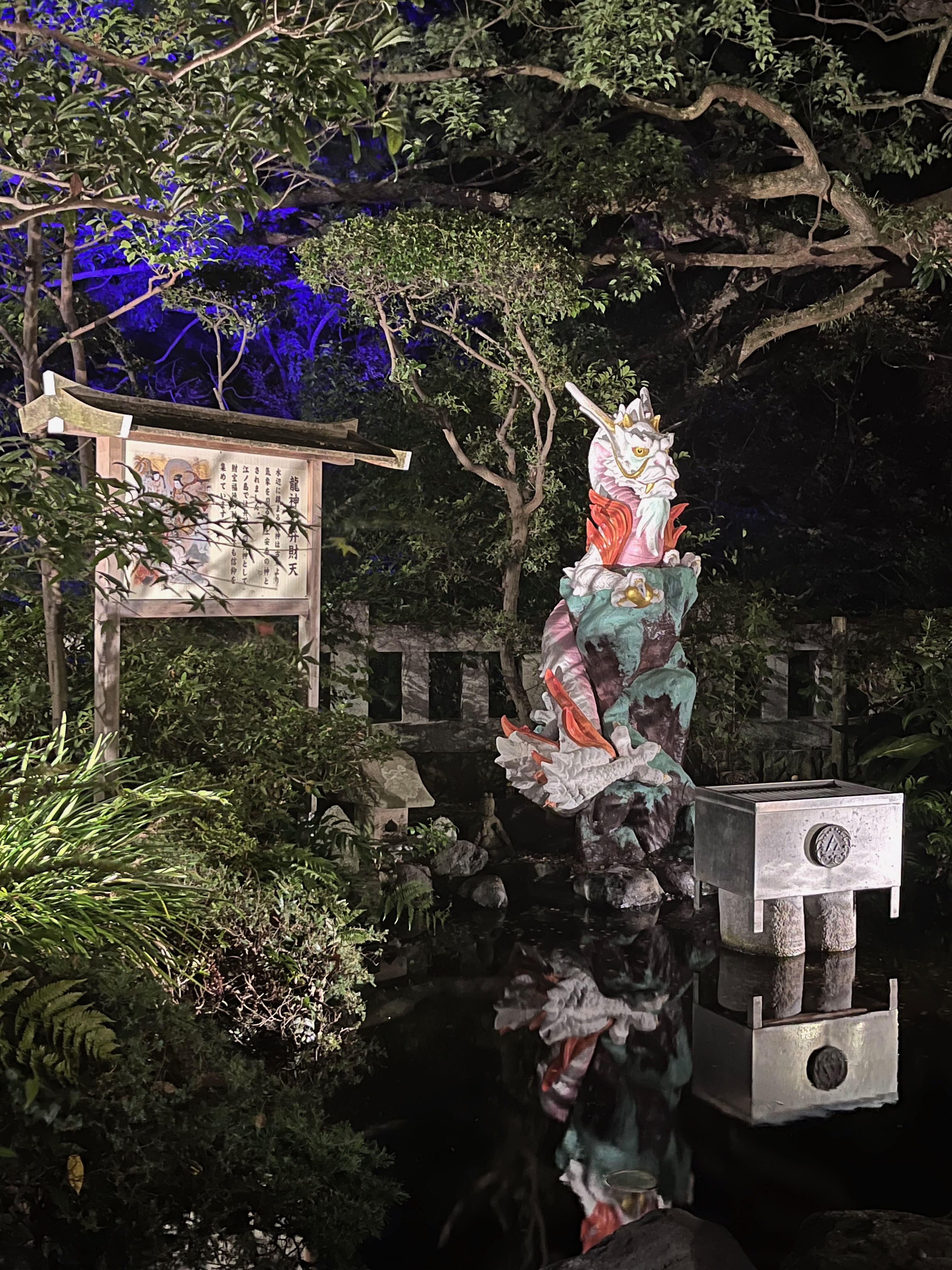
At nightfall, Enoshima — like a Japanese Mont-Saint-Michel — cast a magical spell over us. Most of the shops were already closed, but we were still able to visit the shrine ahead of us and climb the steps to finally reach it. The entrance was beautifully illuminated and very charming. At the top of the shrine, I had to rest. The day had been long and hot, and I was really tired that evening. Unfortunately, I couldn’t rest long enough to see more of this enchanting island because we had to hurry to catch the last tram and the last train back to Tokyo. You definitely don’t want to miss it, as a taxi is very expensive.
We enjoyed the last hours in Harajuku before spending our final night in Osaka and heading back home.
Looking back, this trip was incredibly intense and packed with unforgettable moments that it was a challenge to put everything together and truly grasp all the emotions and experiences I gathered throughout this journey. Japan is amazing in the sense that the past is present everywhere in local folklore and traditions, yet it is also reflected in futuristic architecture and the use of technology.
The fact that service in Japan is carried out with such perfection was impressive for someone coming from a country where good service can sometimes be hard to find. The level of politeness and mutual respect is truly remarkable.
Arigatou Japan, it was wonderful that my dream came true, and I truly hope to return one day.




 Conscious Travelista