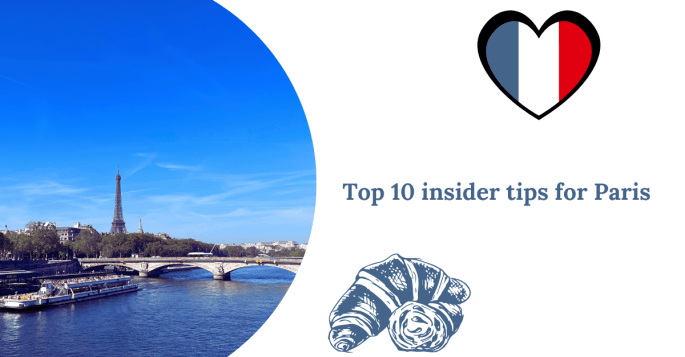
One of the most beautiful cities I could visit a few times, in my humble opinion, is Paris.
For us it’s easy to take the train and travel sustainably taking the Eurostar which drives with high speed to „Paris Gare Nord“.
This blog article will follow a slightly different style of writing, reflecting the unusual perspective through which we experienced this journey.
We wanted to visit Paris this time to focus on culture, celebrating life and discover new things we didn’t uncover last time.
Here are our top 10 highlights.
- Louvre
Of course the world-famous Louvre is a must-see and definitely a highlight of every journey to Paris. Especially the view of Mona Lisa by Leonardo Da Vinci. Instead of using the main entrance I recommend to take a different path to avoid the crowds and visit another interesting exhibition at the Louvre. After buying your online ticket you choose the „Lions Gate“ or La Porte des Lions close to the Quai François Mitterand. At the moment you can enjoy the „Gallery of the five continents“. It will take you to many parts of the world and reflect upon the many existential topics of life death and renewal. To me it was a wonderful eye opener to the arts I never set my upon before and admire the craftsmanship from the World’s continents. I guess one of the most interesting aspects was the the many perspectives of how connected life is to womanhood. This was one of the recurring topics shown by the many figurines and sculptures.
From here you can work your way towards the Mona Lisa to which many signs show the way. The closer you get to the Mona Lisa the more people you will find across your way. Don’t get in a rush once you reach her and take some time to admire the Mona Lisa. I attempted to observe her from various perspectives to determine if she genuinely follows your gaze. Truly, it seems that she is smiling at you from different angles. You might want to follow the signs towards the Egyptian exhibition which gives me shivers and a reminder of what humanity can achieve. It is only a tiny part of what the Egyptian culture once created, but a powerful testimony of what humankind can achieve.
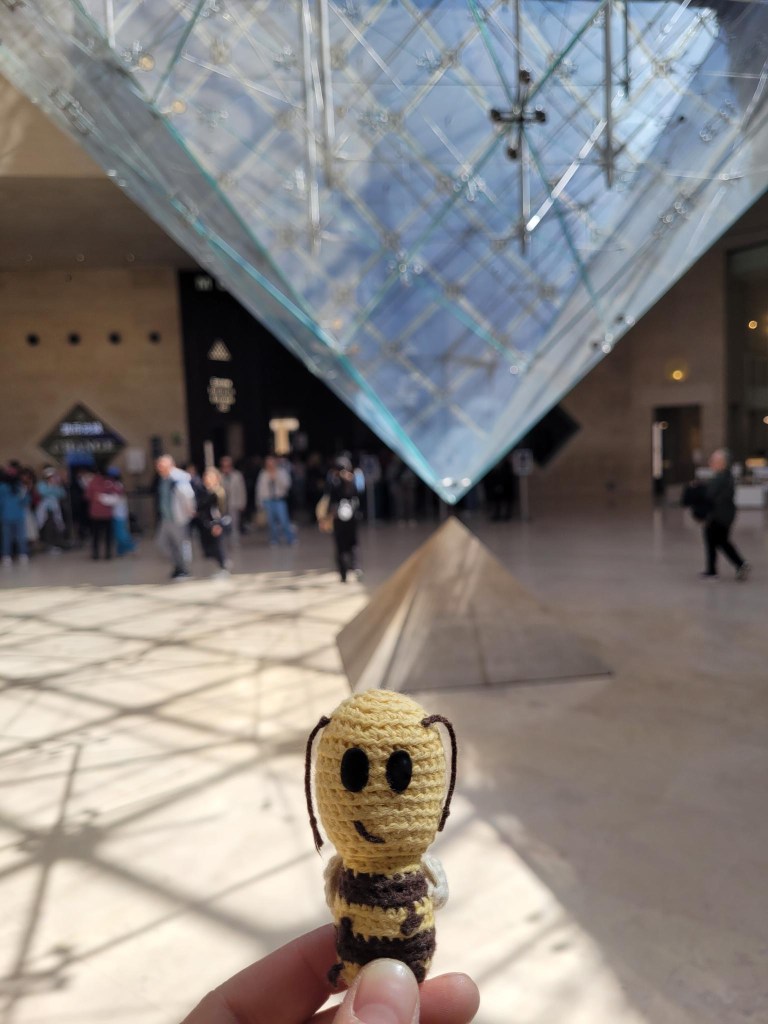
I strongly recommend to leave the Louvre via the Great Pyramid and go through the Carousel shopping mall which is an underground mall. At the verge between the entrance via the Pyramid and the Carousel are temporary exhibitions you might want to join as well. So keep your eyes open!
One good advice: Don’t book your visit with an audio guide, because you have to enter via the Pyramid and have to leave it there to give back the audio guide. It can save you precious time to avoid the entrance at the Pyramids.
- Louis Vuitton Foundation
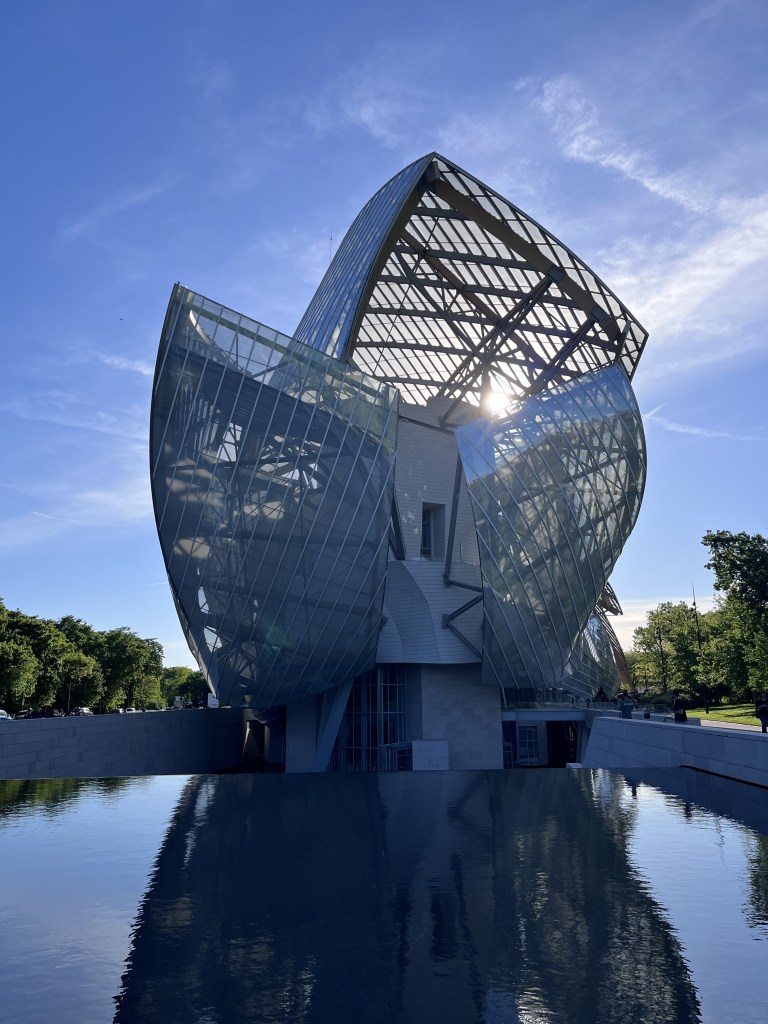
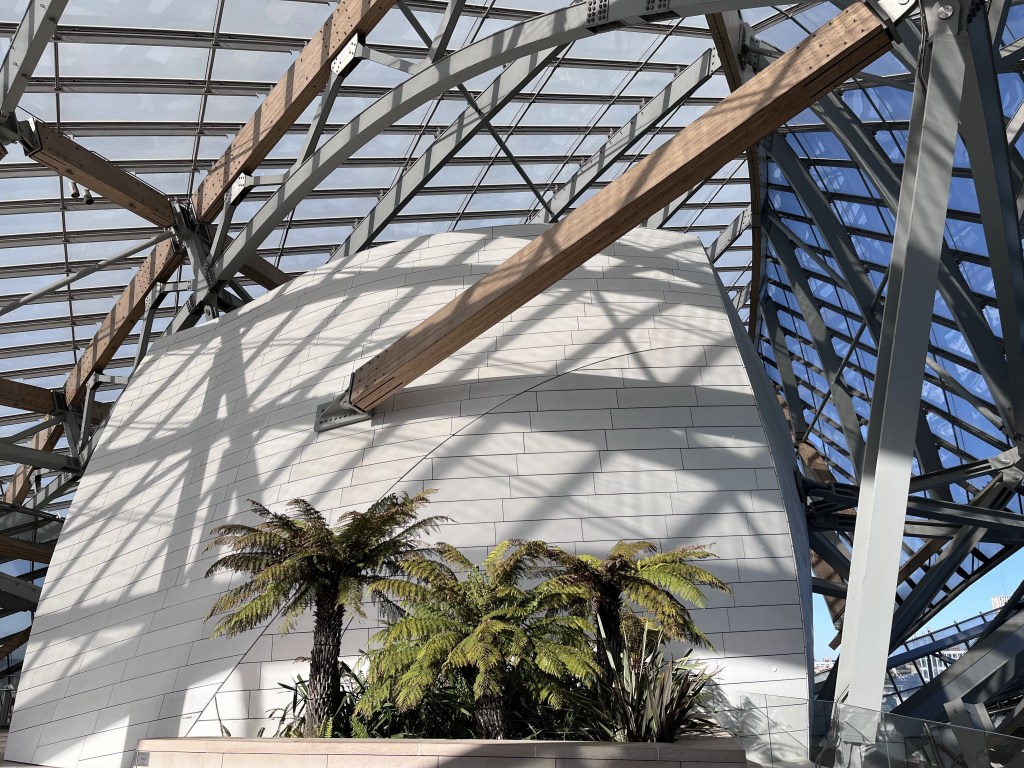
A less crowded museum and one that surprises with an exceptional architecture is the Louis Vuitton Foundation. The building itself is a space from the future designed by Frank Gehry. At the different levels we found some terraces to take a break at the green spaces and many opportunities to overlook the beautiful garden outside the building. The foundation Louis Vuitton offers changing exhibitions. We were visiting „Alexander Calder, “Calder. Rêver en Equilibre“ which was providing avant-garde pieces of art. From his miniature circus to his famous mobiles we were invited to let our thoughts fly and try to interpret the different topics of his mobiles. To be honest I found it difficult to perceive and uncover all the themes and make a proper interpretation, because I need time to access the meaning of different art styles. At some point I decided to let art just work. And it helps to stop making assumptions about the meaning and just enjoy. The garden was also inviting but since we were kind of late there was not enough time left to grab a snack and take a break.
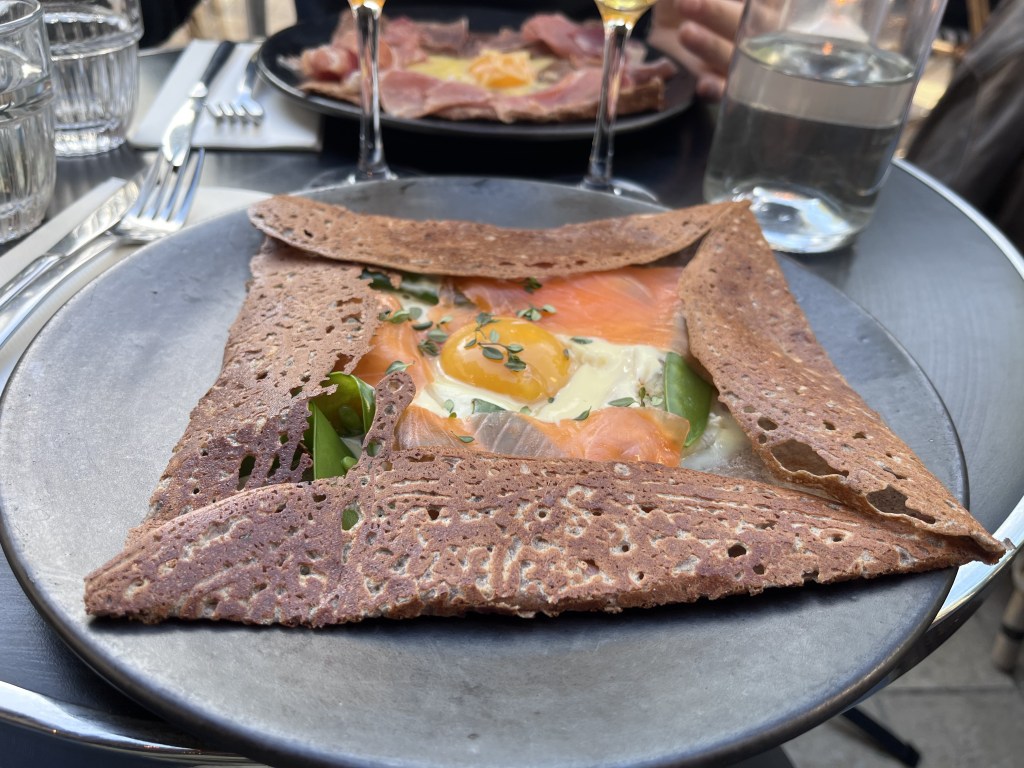
Nearby in Neuilly-Sur-Seine we discovered a lovely square with lush greenery and some restaurants and cafés where mostly locals were enjoying the evening. There, we had a lovely dinner at the „Breizh Café“ and enjoyed wonderful galette with fresh ingredients during a sunny spring evening that took us back to our holidays in Brittany.
- Musée des Arts Décoratifs
Here we go with our third museum during this weekend citytrip: La Musée des Arts décoratifs.
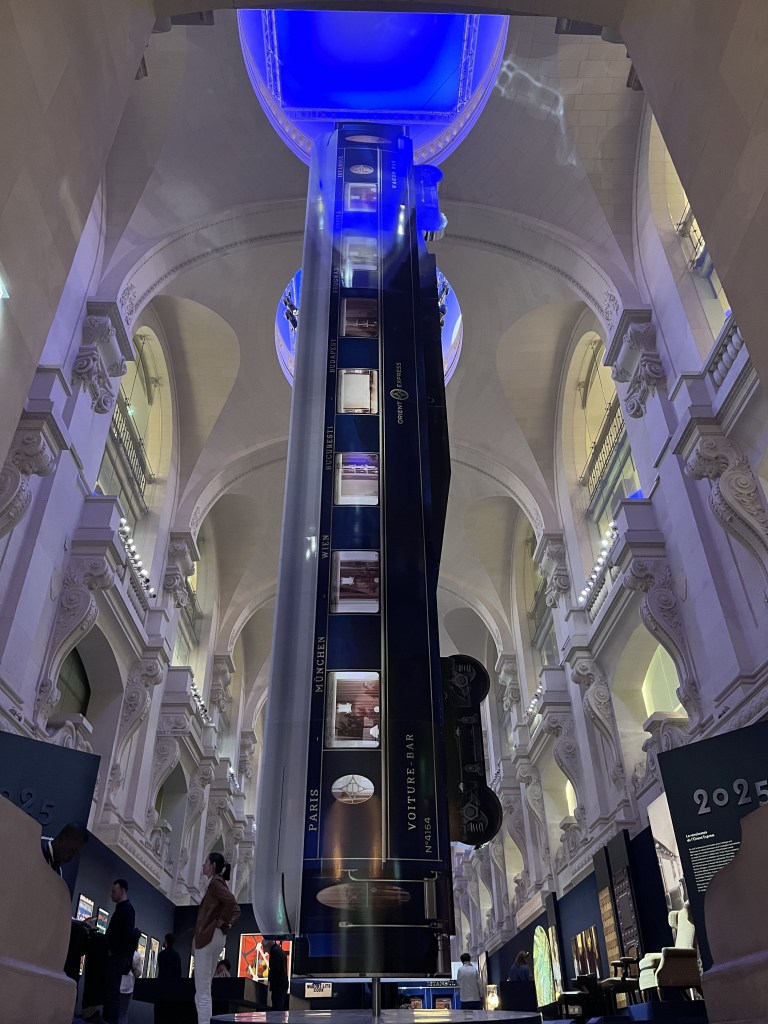
This one is close to the Louvre and offers different exhibitions about as elements of decorations across different époques and cultures. We decided to pay the museum a visit, because in April 2026 it exhibited a collection about art nouveau and especially the new Orient Express. It was really impressive when we started with the hall that showcased original parts of the Orient Express. The new Orient Express that operates nowadays for example between Venice and Amsterdam is such a great example of luxury. Its design is based on the original one from the very old orient express you might have seen on various movies based on the same name or even the books by Agatha Christie. The materials however were consciously chosen to recreate the furniture and the accessories. The other halls guided us through the many times of art nouveau and its different influences which really left me with a feeling of grandeur and admiration. And probably with the slight with to one day book a journey with the Orient Express.
The museum itself is settled in a stunning building which is worth seeing itself. So check out the upcoming exhibitions and be prepared to be left stunned.
- Cookies and the beautiful Galerie Lafayette
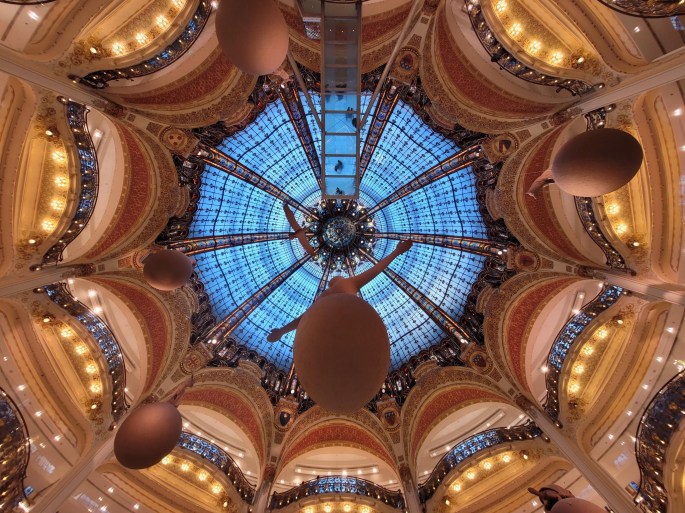
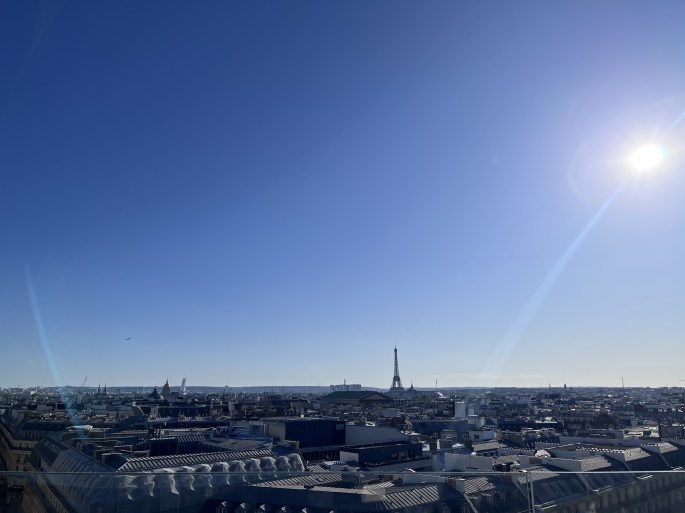
You will probably get the advice to check out the Galerie Lafayette, because it is the well-known icon of fashion and houses many different designer pieces on its 8 levels and is famous for its art nouveau inspired glass dome. Usually just admire the latest fashion trends and get myself something to snack on. This time we went up to the 8th level where we found the rooftop which is wonderful to overlook the city and especially the Opera and the Eiffel Tower. It’s for free and in the nearby restaurant you might want to buy some snack. We weren’t hungry so we just enjoyed the view across Paris and took a rest.
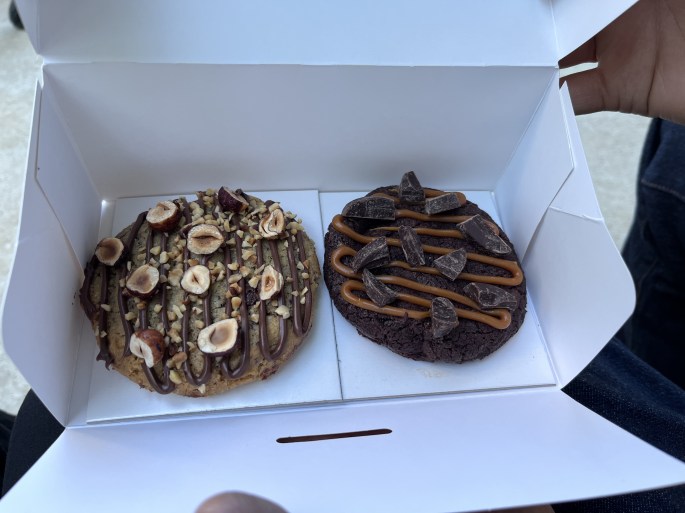
The Galerie Lafayette is divided into different buildings so we crossed the street to pay a visit to the Lafayette Maison & Gourmet. On the ground level are many bakeries and a sweet tooth like me couldn’t resist to grab something delicious. I didn’t follow the trend to buy some of the world famous fruit cakes, but the little cookie monster inside me discovered some luxurious cookies by Mandarin Oriental instead. We took two cookies: the first one with savory chocolate that was sweat and delightful and the second one with hazelnuts and a wonderful nutty crunch.
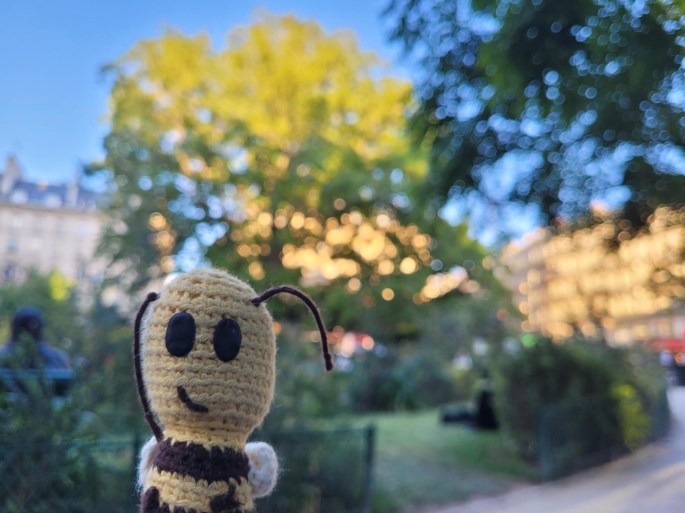
We enjoyed our cookies at the green square in front of the church “La Trinité” which is only 6 minutes to walk from Lafayette Maision Gourmet and a nice spot where locals take a break.
- Samaritaine
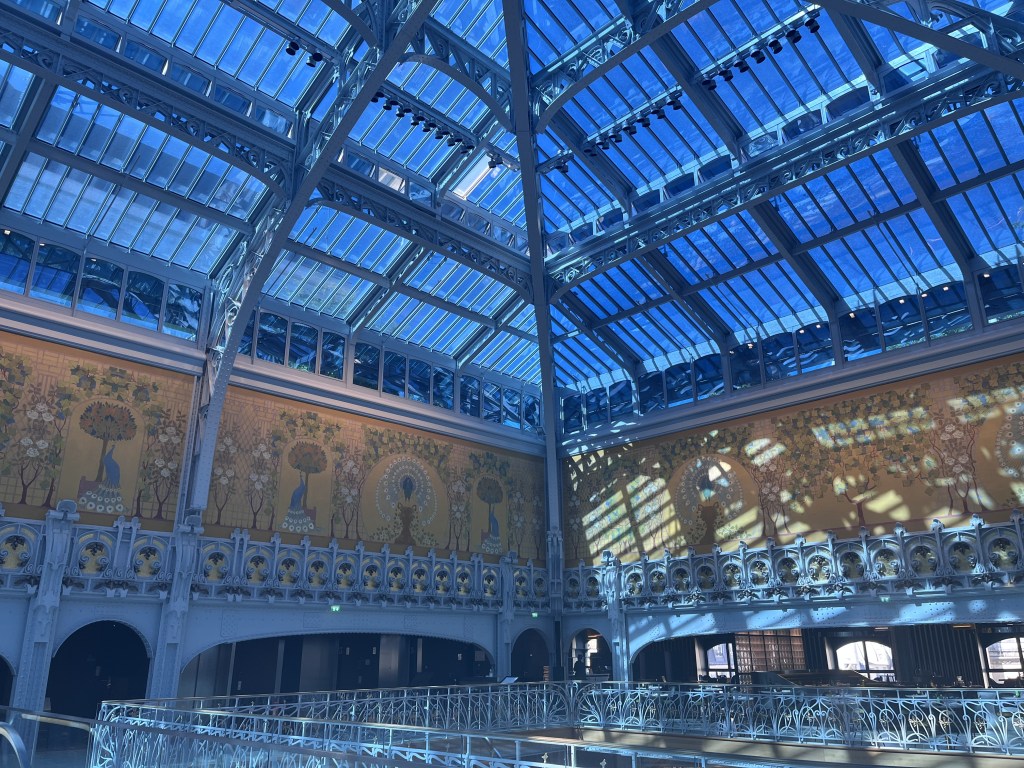
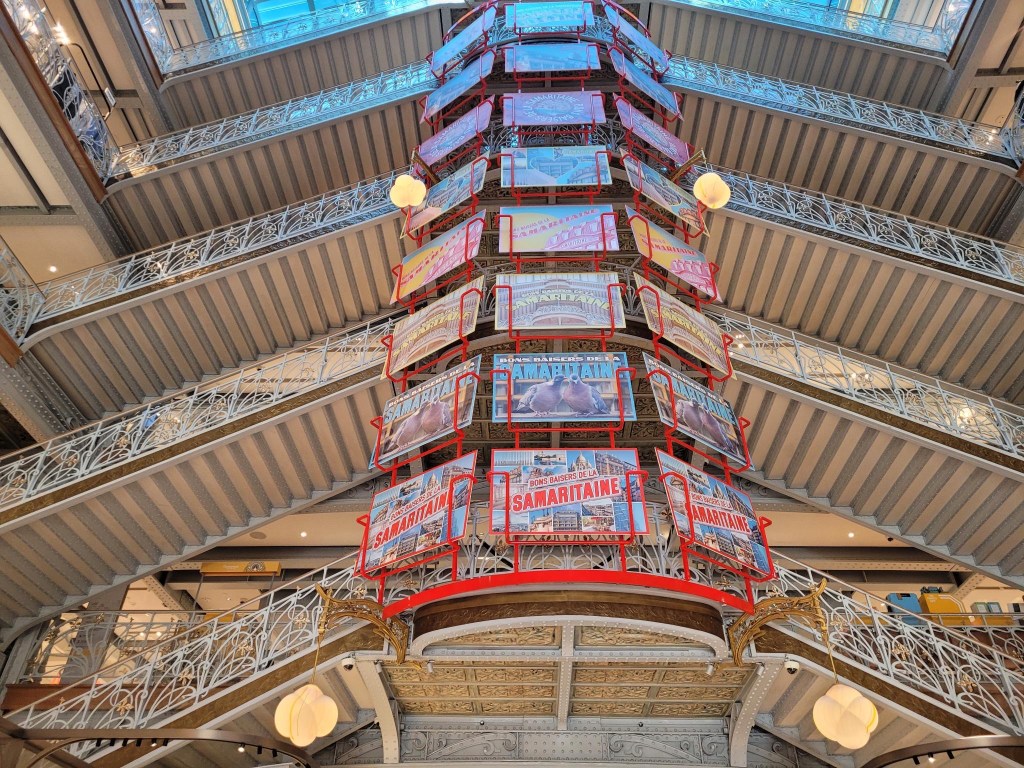
Another beautiful place and far less crowded than the Galerie Lafayette is the luxurious mall of Samaritaine. It’s a bit smaller, but also full of designer brands if you want to get inspired or want to buy something. But that was not the reason why I recommend to pay it a visit. It was the design of the building that caught our attention. Therefore, we took the escalator to the highest level where we could see the stunning Art Nouveau design. The whole building lets in daylight through its glass and steel construction, which feels like a time travel to a different time zone. At the upper level, we could take a closer look at the beautiful floral mosaics and the majestic peacocks which were overlooking the scenery. You see that somehow it always took us to the iconic places where Art Nouveau was present, so I hope you might enjoy its beauty and the reminder of nature amid the big city as well.
- Coulée verte René-Dumont and its surroundings
I truly love this place since it is a great reminder of sustainable transformation in the middle of a huge metropolis. The Coulée verte René-Dumont is a linear garden that was build on an obsolete railway. It’s about 4,5km long and we started our way close to the entrance that’s near the Gare de Lyon and went until the very end. The garden is a lush oasis full of different plants and a place where animals may it be birds or insects alike find a place in the city. The garden offers beds of roses, small ponds and even palm trees that make you feel like walking in a small oasis forgetting that you are in the capital of France. The air feels fresher and outside the Coulée Verte there’s some nice spots to discover. First, we went to a former industrial complex that was transformed to a space where culture meets pop culture: Ground Control. Outside are some food trucks and movable trees to donate you some shade and inside are other food stalls, a library and from what I understood there’s also events taking place. When we took a break at Ground Control there were only a few locals around playing cards and families with their children. We had a cold „Breizh Cola“ and continued at the Viaduct des Arts (if you just leave the Coulée Verte and continue your walk on the Avenue Daumesnil). Unfortunately, most of the shops were closed, but window shopping is always a nice option to get inspired by the local art shops.
- Rosiers Joseph Migneret Garden
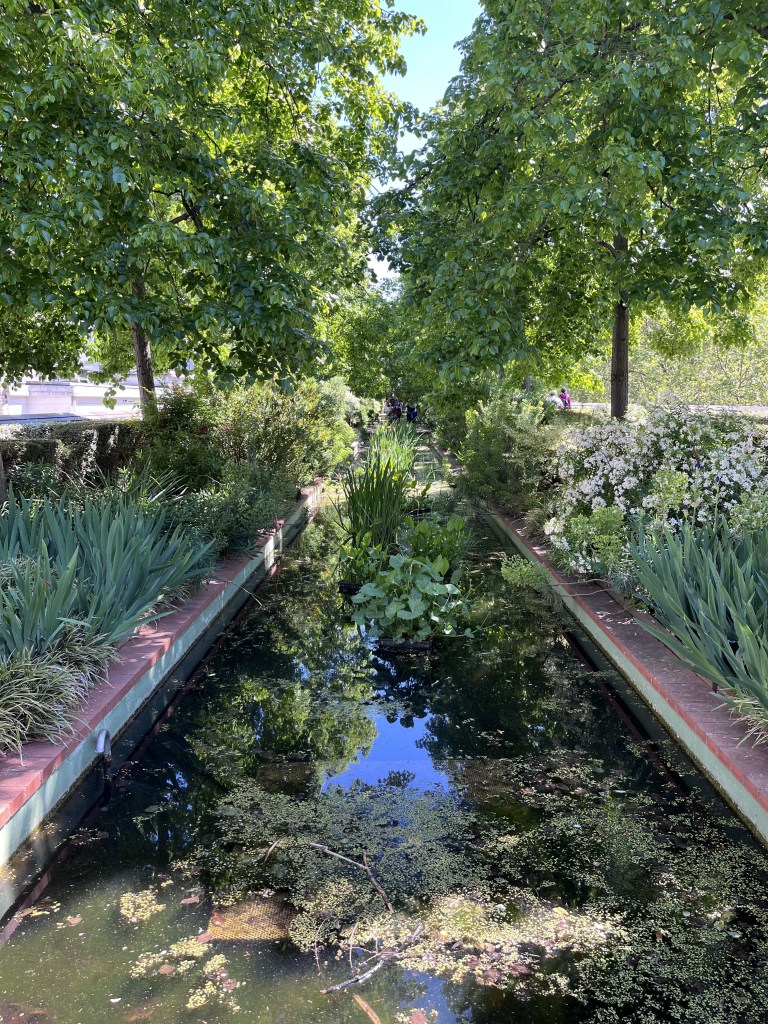
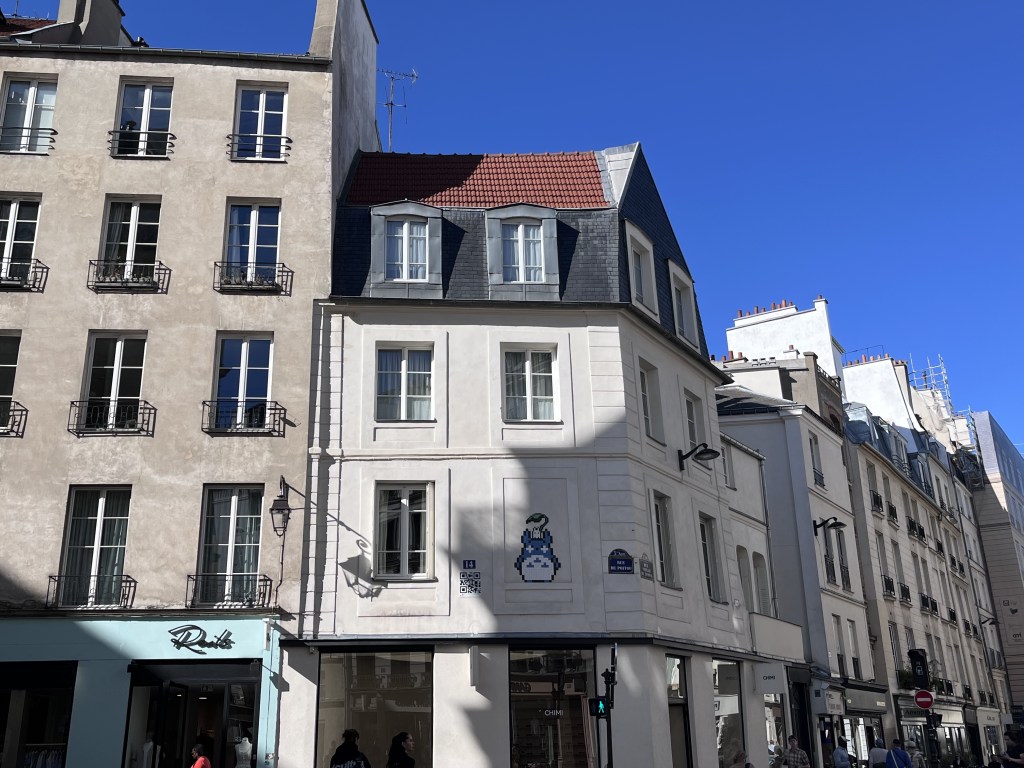
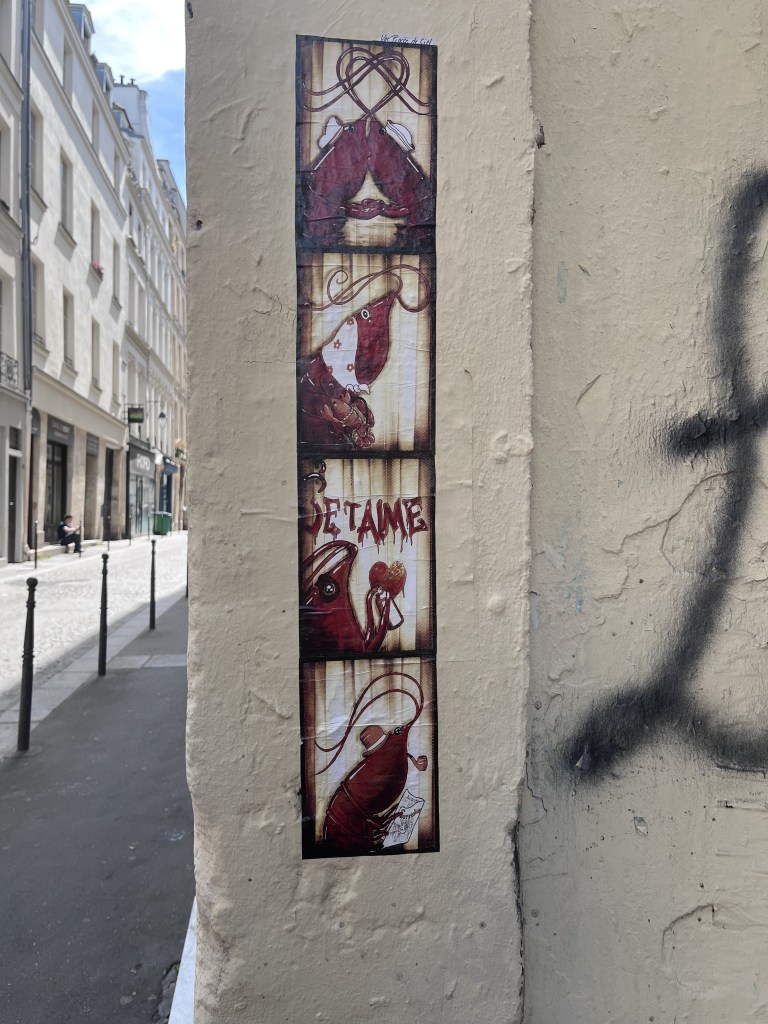
A wonderful green oasis in the Marais district where we had a small break from all the impressions we collected throughout this journey. For those who are traveling with kids: there’s a playground and a café. We just walked around and were surprised how quiet it is in this garden in the middle of Paris. Strongly recommend it and I had the impression that it was also a place where urban gardening was a bigger topic since there were some information to be found around the garden. The surrounding area is also buzzing with urban life, wonderful stores, and individual shops worth discovering. Across the different areas, I spotted some pixel arts at the corners of the houses, which were nice to create a little treasure hunt since we found them all across Paris.
- La Fournée du Palais
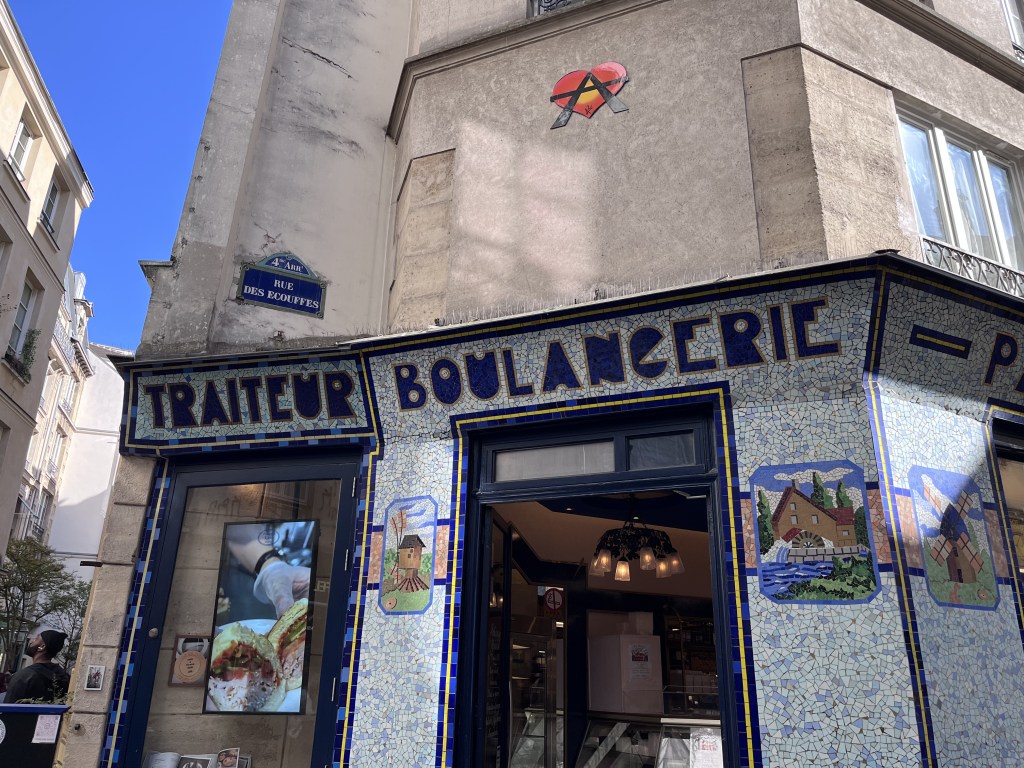
Here’s the bakery where we had our breakfast, and it was close to our hotel. It offered the best croissants which I had in quite a while. It was crisp and caramelized from the outside, and its fluffiness inside was comparable to biting into a cloud (at least this is how I imagine it). The owner was a very kind person, patient enough to let us choose between all the delicious pastries. The place itself is really tiny, so we took our breakfast while standing at one of the tables or took it outside. But believe me, it’s worth going and having some croissants and other delicious pastries.
- Restaurant Musa Belleville – Paris 20
A restaurant that looks like a bar where you spend a nice time with your friends.
It’s nestled in the 20th arrondissement of Paris and reachable when you take the Metro to the station „Belleville“ or „Couronne“. The concept of the restaurant was to offer the meals in the form of Tapas, which offered a fusion of Asian and Levantine flavors. We shared some food with our friends, and I have to admit that the carrots were the very best I ever tried. They came with a nutty and slight hot flavor. I took the mocktail „Ruby“, which was fruity, herbal, and created an early summer feeling in my mind even though it was April.
We strongly recommend this place with its extraordinary food and very good service.
- The Living Kitchen: Rooftop Restaurant and Bar by Zoku Paris
This place is a rooftop bar and restaurant that is part of a hotel. The terrace was a quiet place with a few other guests around, so it wasn’t crowded, but with the right amount of others hanging around to create a nice spring vibe while some electronic music was audible in the background. The rooftop bar looked like an urban garden with plants all around, which was also the case for the rooms inside that we could oversee. It created this sustainable vibe of an urban garden in which you just want to hang around and have some nice food and drinks.
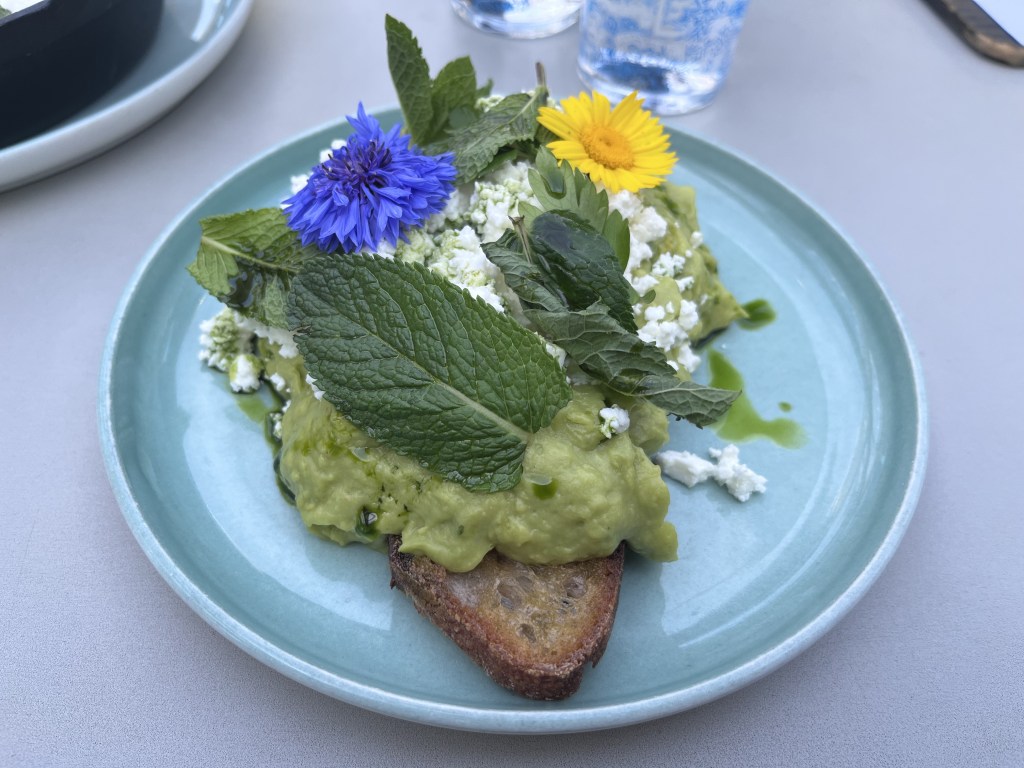
The food was fresh with many wonderful, healthy ingredients and convinced us so much that we took the breakfast or brunch here another day. My personal favorite was the savory avocado toast, which was carefully decorated with flowers and somehow fitted to the lush surroundings of the place.
I hope you enjoyed reading and get inspired. Here are some more impressions along the way.