
A Sustainable Travel Journey – Gateway to Authenticity

One of my friends from AIESEC is an expert in sustainable tourism and gave an alumni talk about community-based tourism.

Have you ever heard about this special part of sustainable tourism?

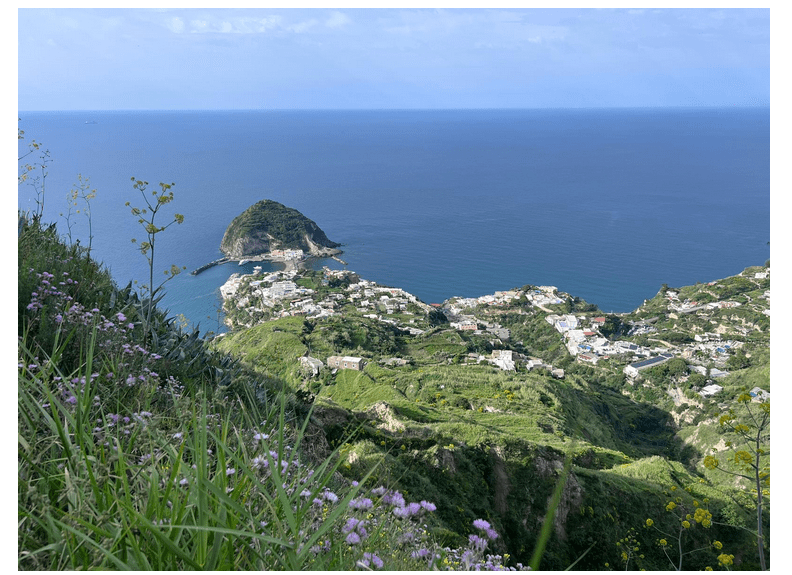
Let Jana take you on a trip to the wonderful island of Ischia where the ocean breeze calms your mind and lush greenery already inspired many movies and writers.

Thank you, Jana, for your time and your precious insights about community-based tourism and one of my favorite travel gems.

As summer approaches, the allure of tourism beckons once again. But in a world awakened by the pandemic, there’s a growing need to rethink our travel habits and embrace sustainable tourism. In this article, join us on a journey to a captivating Italian island, in a context that embodies authenticity and fosters genuine connections amidst the changing dynamics of the tourism industry.

Our adventure begins in Naples, Italy, a city that offers a refreshing break from the usual checklist-driven journey. As we make our way to the port, we’re pleasantly surprised by the absence of long lines and overwhelming crowds. Naples serves as a gateway to a different kind of experience, one that values cultural exchange and genuine human connections over bare commercial transactions.

Boarding the ferryboat, we leave the mainland behind and set sail for the island, eagerly anticipating the mesmerizing views and atmosphere. Before the opening of the main tourist season, Ischia felt like a step back in time, with its castle, palaces, and picturesque villages scattered across the landscape. Unlike popular tourist destinations, this island has managed to preserve its character.

The locals here have chosen to stay true to themselves and the local customs. Their commitment to authenticity shines through as they continue to live their lives in harmony with their cultural heritage. Engaging with warm-hearted islanders gives us a chance to learn from them, understand their traditions, and create meaningful connections demonstrating the island’s dedication to preserving its way of life while embracing visitors with open arms.

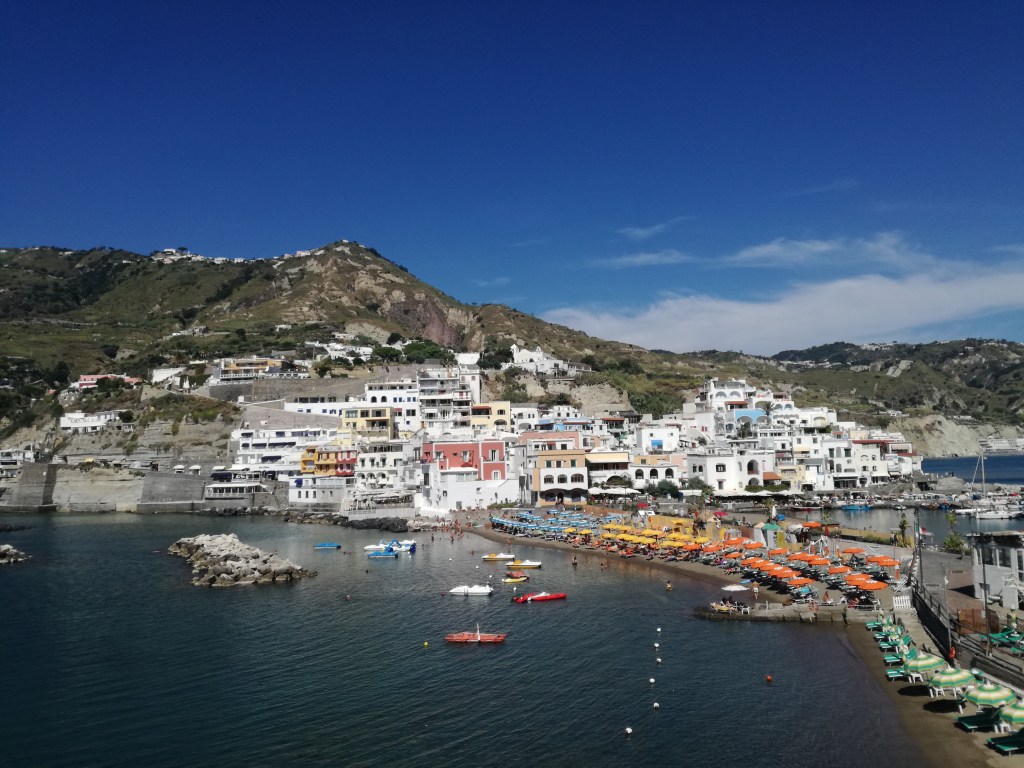
  • The beach of San Angelo, Ischia
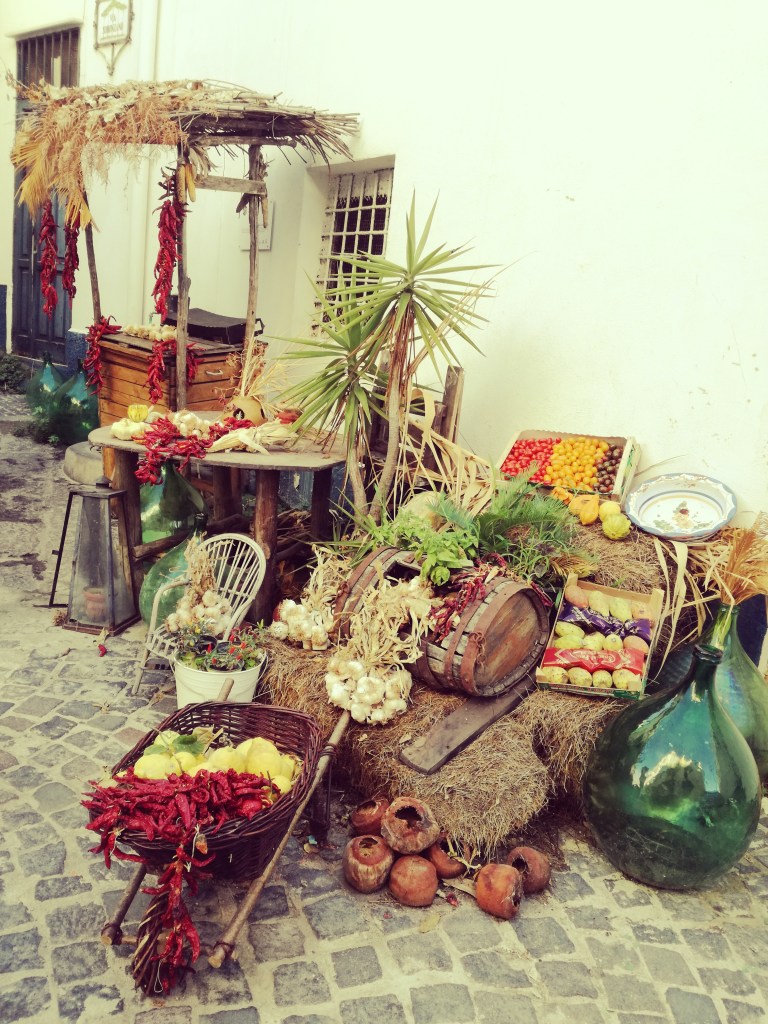
  • Local food grown in Ischia
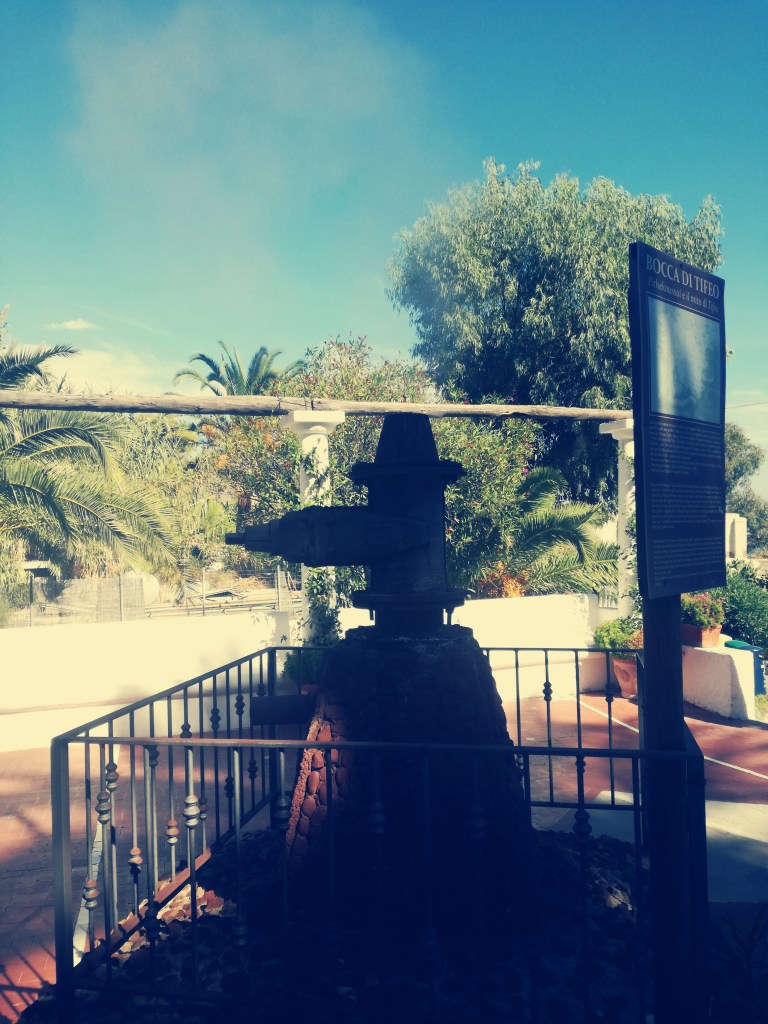
  • Steam mill in Ischia
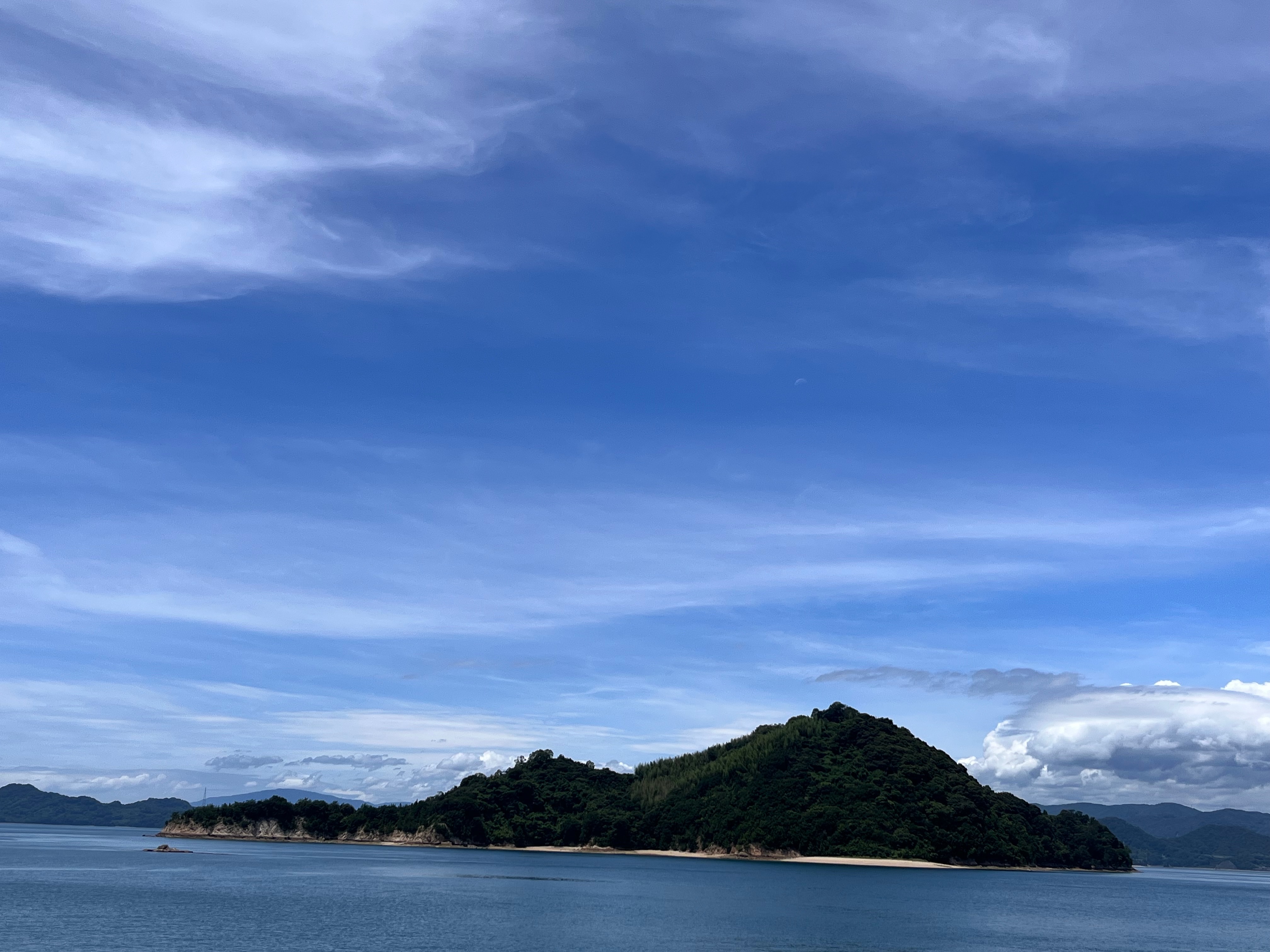
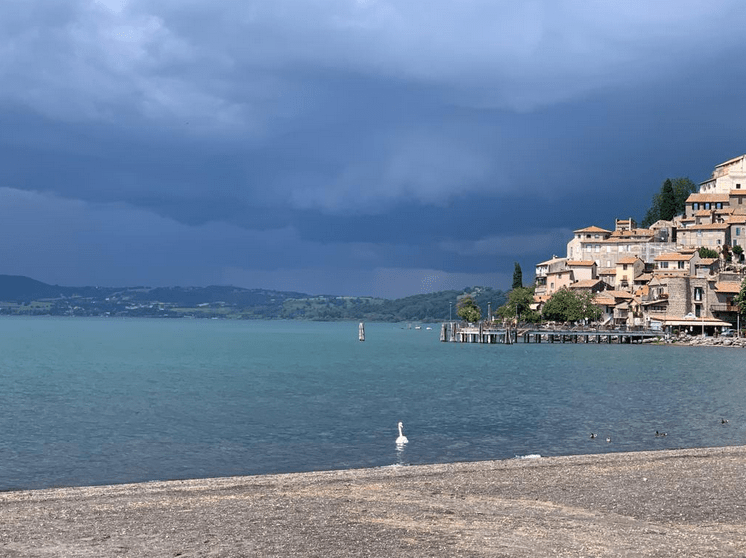
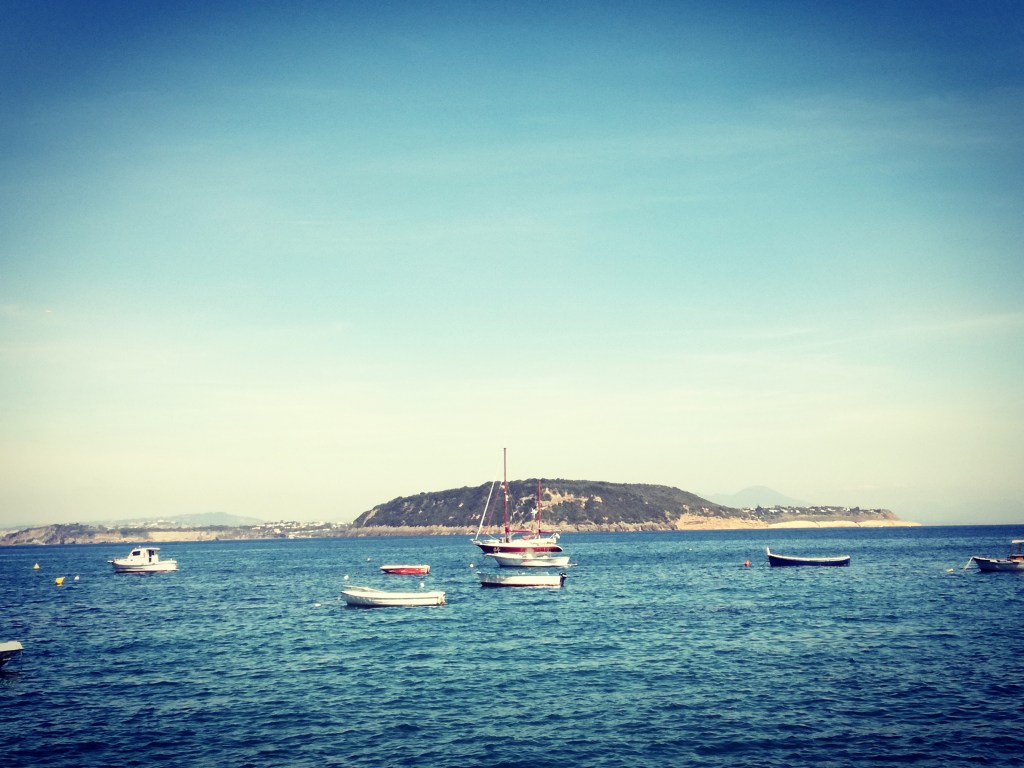
  • Ischia Island, Ocean view
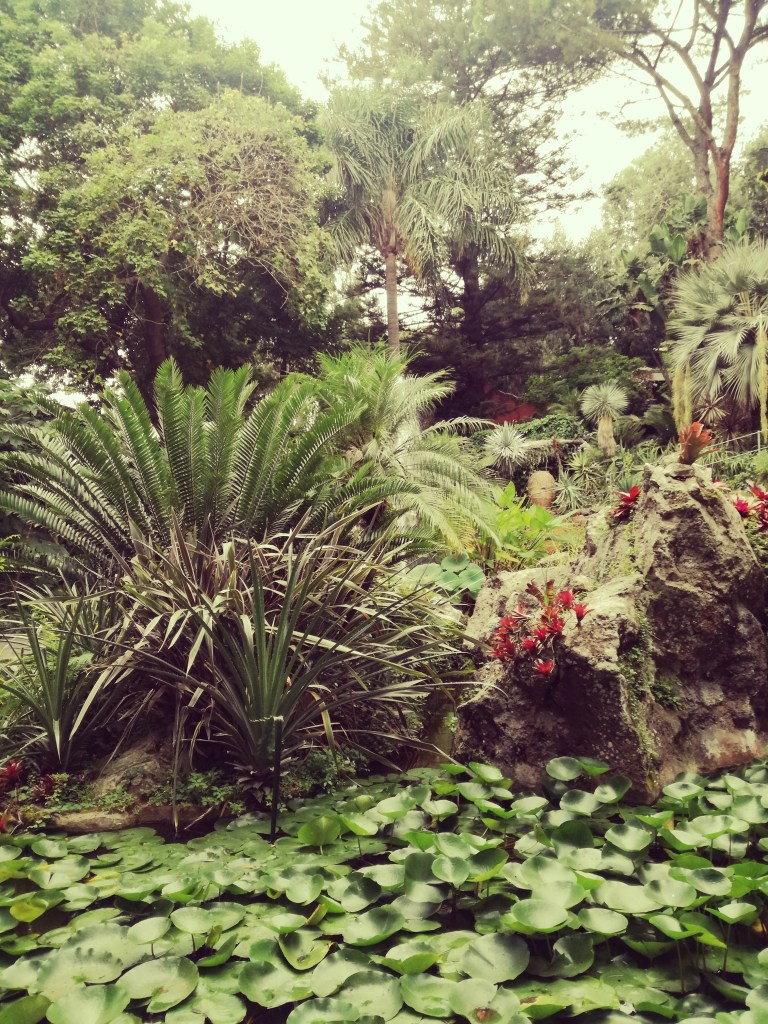
  • Wonderful garden in Forio, Ischia

Our journey to this island served as a speculative exercise of sustainable tourism—a concept that seeks to balance economic, social, and environmental impacts while meeting the needs of travelers, the industry, and local communities. It’s a form of travel that not only benefits us as visitors but also protects our planet and ensures a better future for generations to come. I’d like to see it as a pathway to well-being.

The complex implications of sustainable tourism require a thorough approach to stakeholder involvement, particularly in low and middle-income countries. An approach is required which focuses on conserving natural areas and improving the well-being of local communities. It also recognizes the importance of economic viability, ethical considerations, and social equity for the host communities. Over time, the concept of sustainability has expanded to include green tourism, responsible tourism, and other related ideas, widening its scope to cover environmental, social, community, and economic concerns.

To fully embrace sustainable tourism, we need to distinguish between weak and strong sustainability. Weak sustainability proponents believe that natural and manufactured capital can be exchanged, assuming that any decline in natural resources can be compensated for by technological solutions. On the other hand, strong sustainability acknowledges that without nature, there can be no people, and without people, no economy.

The weak sustainability approach, which echoes past beliefs in limitless resources, gambles on the assumption that scientific and technological progress will save the day. However, strong sustainability reminds us of the fundamental interdependence between humanity and nature. It urges us to take a more cautious and holistic approach, valuing our natural resources as essential foundations for a thriving society.
In our voyage to the Italian island, we witness firsthand the positive outcomes of sustainable practices. From locally sourced and organic food to eco-friendly accommodation options, the island takes pride in its commitment to sustainability. Furthermore, the island’s economy thrives through support for local artisans and small businesses.

As we conclude our voyage to this enchanting Italian island, we are reminded of the immense potential for sustainable tourism to shape the future of travel. Embracing strong sustainability, we can foster a harmonious relationship between humans and nature, prioritizing the well-being of both.

To continue on this path of sustainable tourism, it is crucial to be aware of the concept of a double materiality assessment. This approach recognizes the interconnectedness between environmental and social aspects, as well as economic considerations. By assessing the impacts of tourism on both the natural environment and local communities, we can make informed decisions that promote positive change.

In the case of Ischia, the non-financial materiality encompasses the preservation of historical sites and buildings, ensuring their cultural value and integrity are maintained, as well as the protection of the island’s sea water and thermal springs, which offer unique recreational and wellness experiences. On the other hand, financial materiality sees the above as assets in driving tourism and economic growth. Historical sites in Italy are some of the most important globally and are ceaselessly sustaining cultural tourism, while the sea water and thermal springs contribute to maritime tourism, water-based activities, wellness, and potentially medical tourism. By embracing sustainable practices and balancing economic considerations with the preservation of Ischia’s natural and cultural heritage, the destination can thrive as an authentic and responsible tourist destination.

As travelers, we have the power to make a difference. By choosing sustainable practices, supporting local businesses, and engaging with communities on a deeper level, we contribute to the preservation of cultural heritage, the protection of ecosystems, and the overall well-being of the destinations we visit.

Let us remember that sustainable tourism is not just a passing trend but a mindset that shapes our experiences and leaves a positive impact. As we explore the world, let us cherish the unique charm of each destination while striving to be responsible travelers, embracing authenticity, and nurturing a deep respect for the delicate balance of our planet.

Together, we can pave the way for a future where sustainable tourism flourishes, strong sustainability guides our actions, and the beauty of our world is cherished by generations to come.

Buon Viaggio!!

If you’re curious to learn more and get in touch, please reach out to Jana on LinkedIn!

Getting Lost in Helsinki

Since I have been volunteering for a couple of years now, I’ve had the pleasure to meet fantastic people along my journey with AIESEC. One of them is my dear friend Irina, who I wanted to visit in Helsinki and learn more about the beautiful country of Finland. A couple of years after Irina came to Germany, where we met thanks to AIESEC, it was my turn to visit her home country.

“A journey of a thousand miles begins with a single step”.

In this case, it already started during the boarding at Düsseldorf airport. While I was waiting for the boarding, a kind looking woman was smiling at me, and I was a bit confused at that moment. Have we ever met before, and I couldn’t remember? No, maybe she was one of these enthusiastic individuals who just brighten up your day? After I took my seat in the airplane, the same woman was sitting next to me. She introduced herself as Yuki and had visited friends in Germany. We had a pleasant conversation on how she was strongly connected to Germany since her son studied there, and she just loved the culture and how she made friends who she visits from time to time. She also gave me a glimpse into Japanese culture as she explained the Japanese words for tree and forest to me! She also recommended to me to take some time and visit Tallinn. Unfortunately, I couldn’t make it to the Estonian capital due to a lack of time. But it seems to be a great combination, since the trip only takes 2 hours by ferry. I got literally lost in a delightful conversation and before realizing the airplane was already approaching for a landing.

Finally arriving in Helsinki, Irina and her family prepared a warm welcome, and we chatted all along a fantastic home-made dinner. During my stay I tasted many scrumptious local dishes, so thank you once more for this incredible culinary experience.

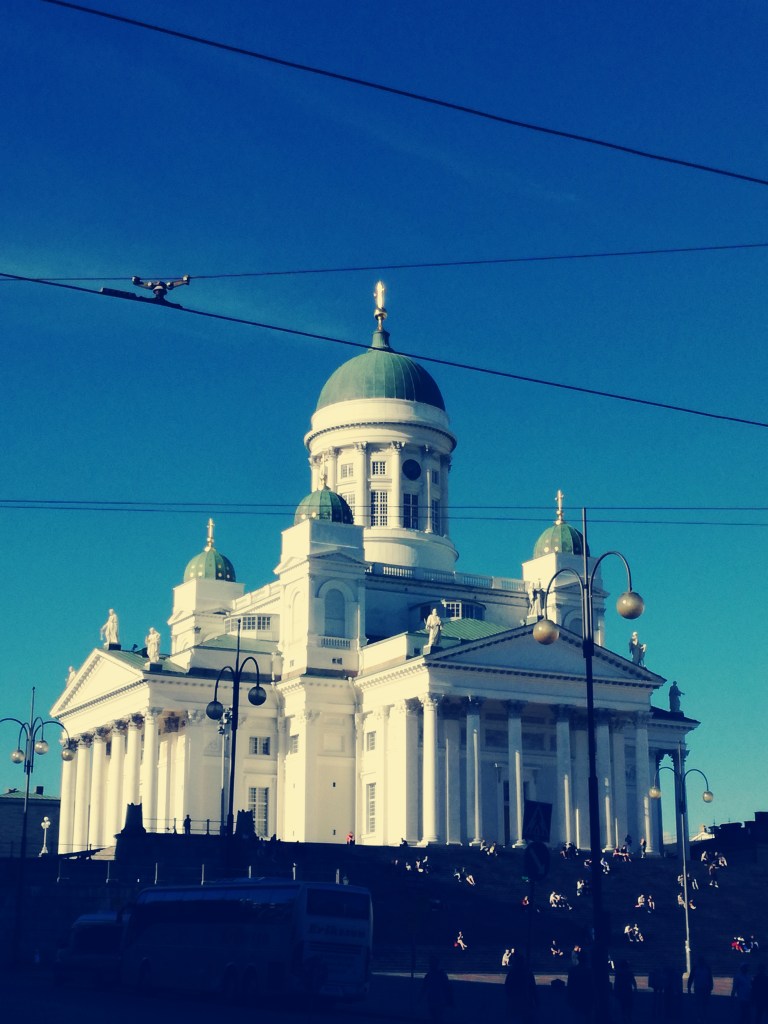
But let’s get started with my first day in Helsinki, Finland’s beautiful capital. Mobility first! Helsinki is incredibly easy to explore with public transportation and the tourist ticket a bargain and includes the many ferry connections within the city. Starting at the city center, my friend and I just went with the flow, keeping our eyes open for all kinds of discoveries. Taking in the historic and modern architecture of the city, the beauty of the Senate Square (Senaatinori) and Helsinki Cathedral (Helsingin tuomiokirkko) impressed me the most. This square is a huge open area surrounded by beautiful houses and there I could see the influence of the German architect Carl Ludwig Engel who designed the place. The statue of tsar Alexander II. is overseeing the main plaza.  All around the Senate Square, in the side alleys, countless beautiful shops and cafés are waiting to be discovered. Somehow our walk took us to the harbour where we chose to use the ferry to “Suomenlinna”. Before we ferried over, we had some lunch, because the market at the harbour offers a variety of fresh seafood and other local specialities, which were too tempting to resist.

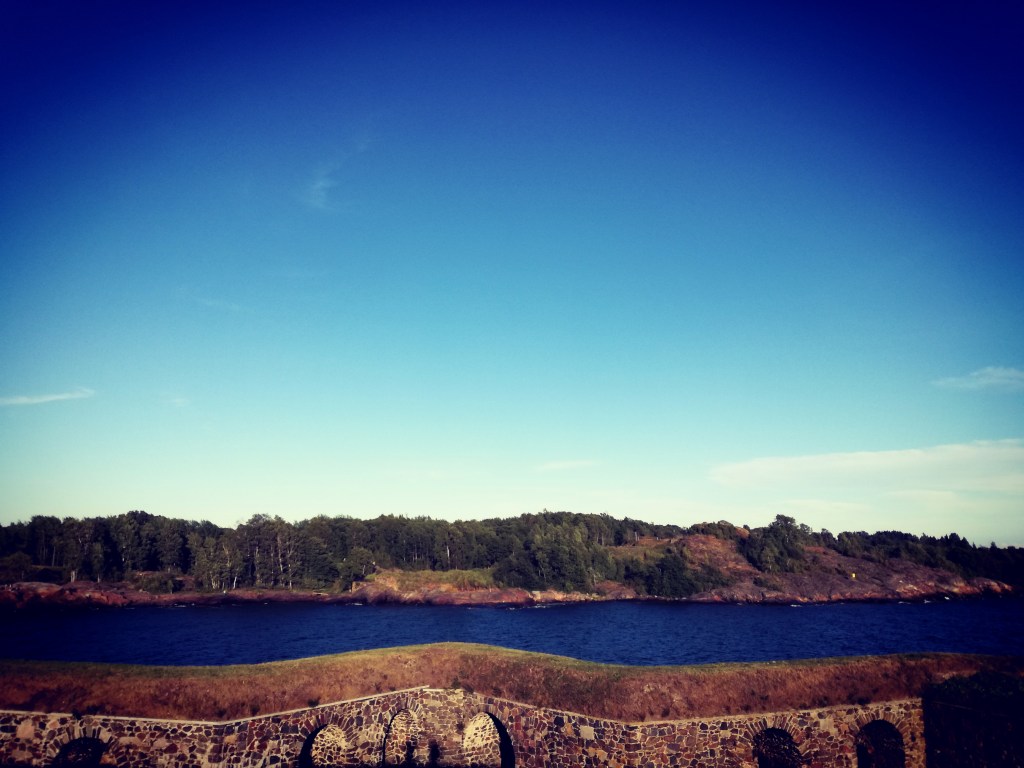
On the ferry under the clear sky, the wind blowing my hair in all directions. The view was spectacular and the nearer we came to the island the better we could see the beautiful skyline of Helsinki. The sea fortress on the island Suomenlinna is a UNESCO World Heritage Site and is not just a picturesque place to enjoy with friends and family, but also a place to learn more about history. During summer when I visited Helsinki the view on the Baltic Sea is fantastic. I could have stayed the whole day on the huge walls of the fortress, soaking in the sun shine and the cool sea breeze, engulfing myself in the mesmerizing emerald blue of the sea, but there was so much more to discover.

  • Suomenlinna, Helskinki, Finland

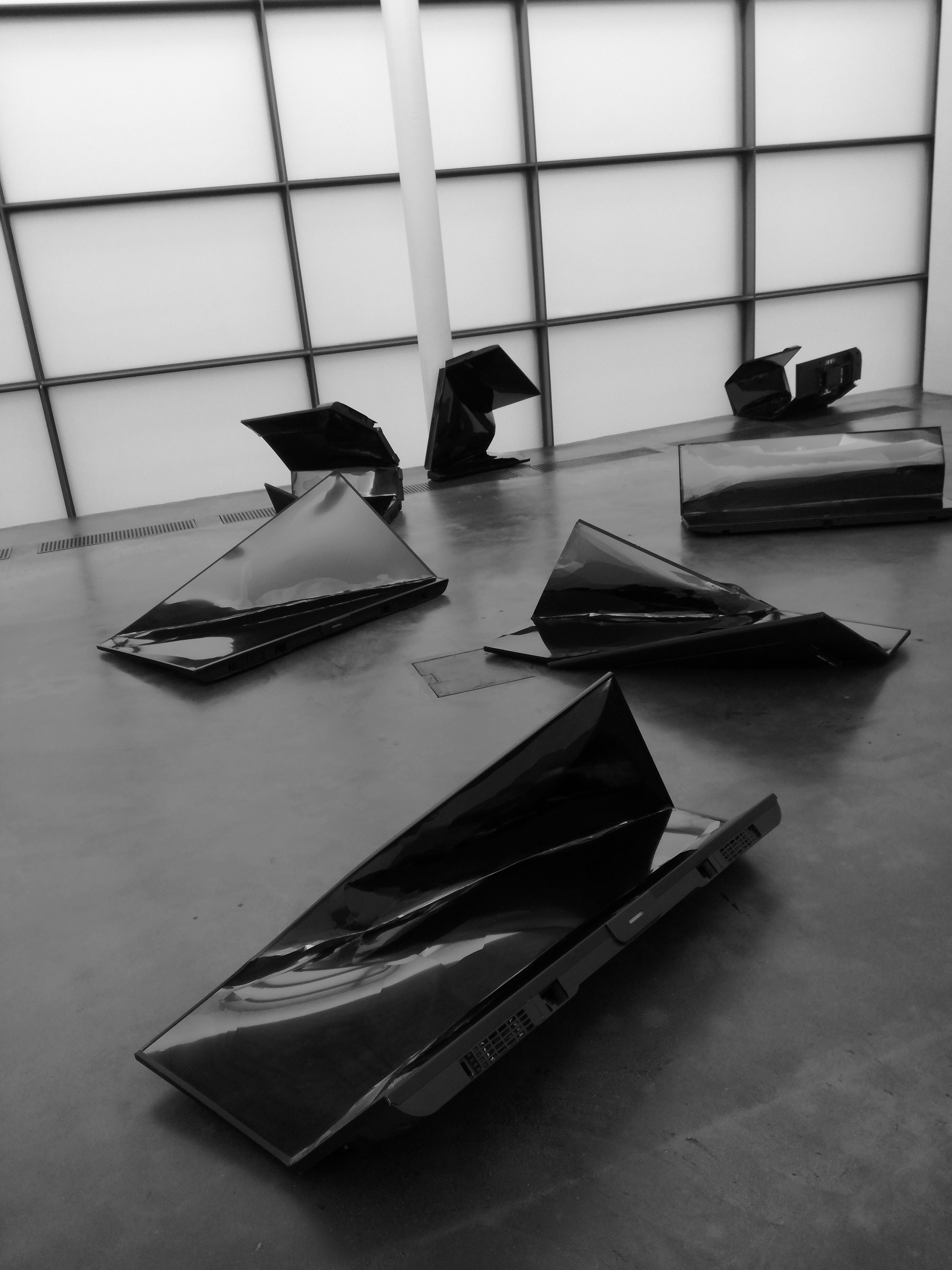
Since Finnish history is rich and heavily influenced by Sweden and Russia, and if you want to learn more about it, there is no better place to start than at the Finnish National Museum where I travelled from prehistoric times to present day Finland. It was also amazing to learn more about the Sámi who live in the Northern parts of the country. For me one museum is not enough and since Finland is also well known for its arts and design, a visit to the famous “Kiasma” was unavoidable. I really loved the digital art and joining an augmented reality installation. Additionally, the museum building is spectacular and provides different perspectives to all kinds of different angles and viewpoints. Sure, after so much stimulating input, it was time to slow down a bit and digest it. Being in Finland, there is no way to come around the Moomins, thus we headed to one of the Moomin Cafés you can find across the city. You do remember the cute little trolls which were invented by Tove Jansson? I loved the animated series as a child. Therefore, I was really excited to revisit these beautiful characters from my childhood while sipping some tea and enjoying some sweets.

When we visited Stockmann mall, one of the most famous ones in Helsinki, I couldn’t resist buying some Moomin merchandise and blueberry liquorice and blueberry flavoured coffee. By the way, the Fins just love blueberry. Everything is blueberry-flavoured, even coffee. That was really delicious, and wherever I travelled afterwards I couldn’t find anything similar. So, try it out, you’ll be surprised about the combined flavour of coffee and blueberry.

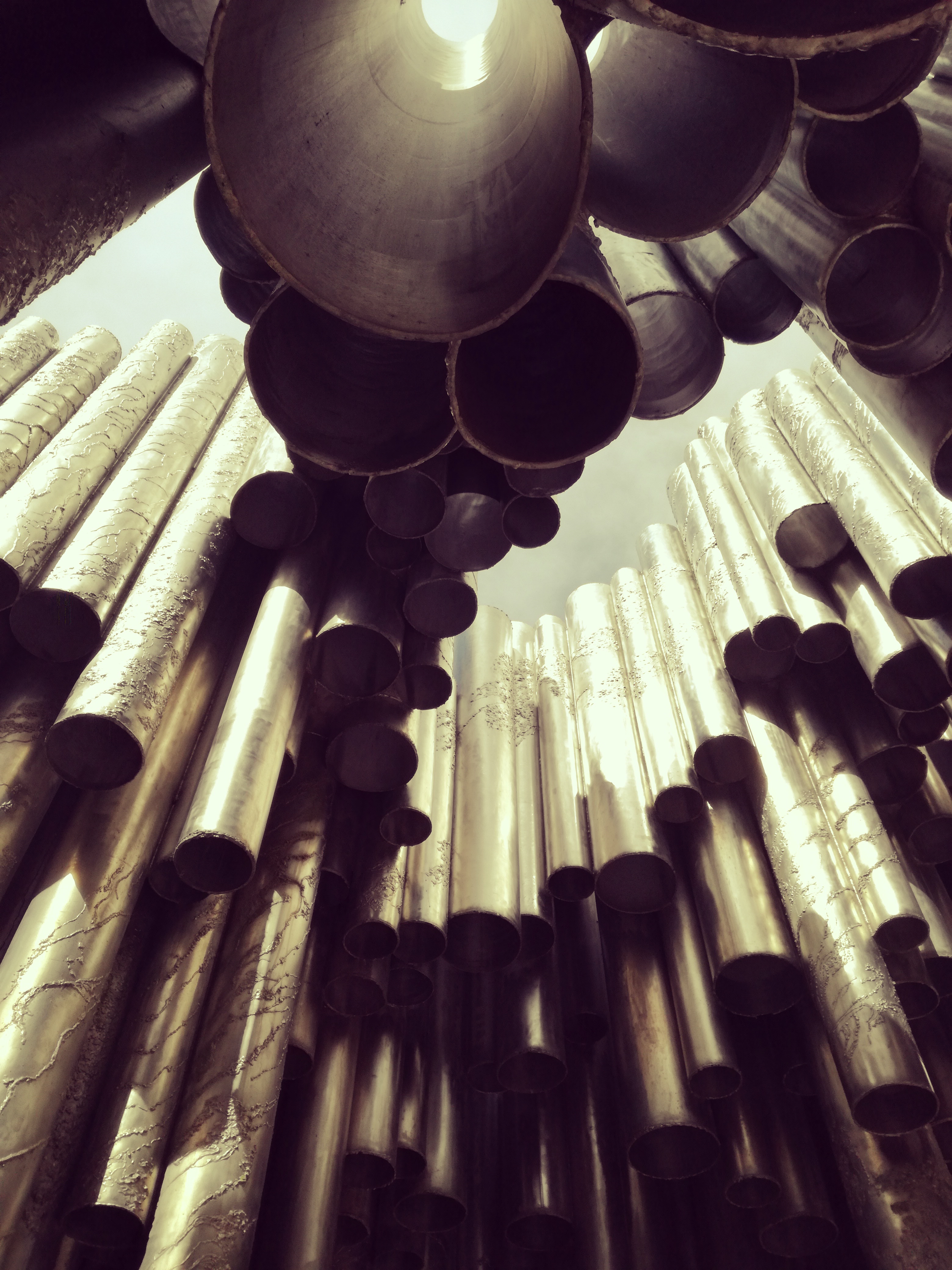
I always enjoy architecture, trying to understand what inspires and shapes a city’s characteristics. A famous place I read beforehand, and I wanted to visit is the Kamppi Chapel of Silence. A wondrous and special building where no sound ever meets the visitor’s ears from the outside. The inner room of prayer was spacious and full of light, a truly special atmosphere. Just standing there for a while and enjoying the sound of the silence together with the other visitors was magical. Everybody tried to avoid making any sounds and interrupt this atmosphere. Despite a loud sports festival on the outside, no sounds entered this haven, and it really provided a place to rest and pray. I was stunned and fascinated by this experience that while taking some pictures from the outside not only did metaphorically get lost at the moment but literally. My dear friend Irina was nowhere to be found in the crowd! I was lost! What to do now? I could not call her, so I summoned my best pathfinder skills and puzzled back the way to her home. Finally, reunited, we continued our sightseeing at the Sibelius monument, which is situated in the park of the same name. Jean Sibelius was the composer of “Finlandia”, the national anthem. I strongly recommend listening to this oeuvre and get an idea of Sibelius’ work while enjoying the park, which provided lush green and the shades of the greens on this sunny day.
Because we lost some time due to my obsession to take the perfect picture, we went straight and without any distractions to Temppeliaukio Church, which is excavated into solid rock. Ok, it’s a hot spot for tourists, but it’s very special, and I’ve never seen a place like this before. And I would have never expected a church from the outside. The air was chilly, but the atmosphere so peaceful and clear. I found a spot to rest inwardly, and somehow it touched my heart. I had the impression to get a bit overwhelmed with this inner peace and rested for a moment. Ok, enough rest, I was in Helsinki to explore the city! So we went up in the air and took a bird’s eye view onto the city at the Atelje bar. Here, we could enjoy the terrific view while planning our next moves.

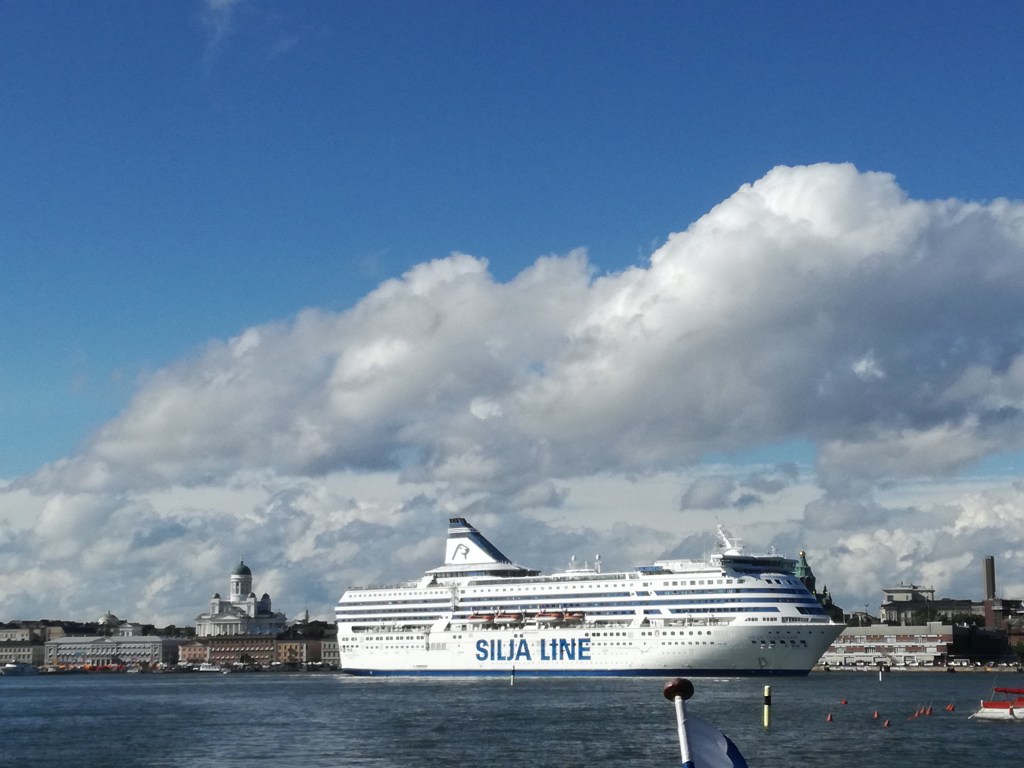
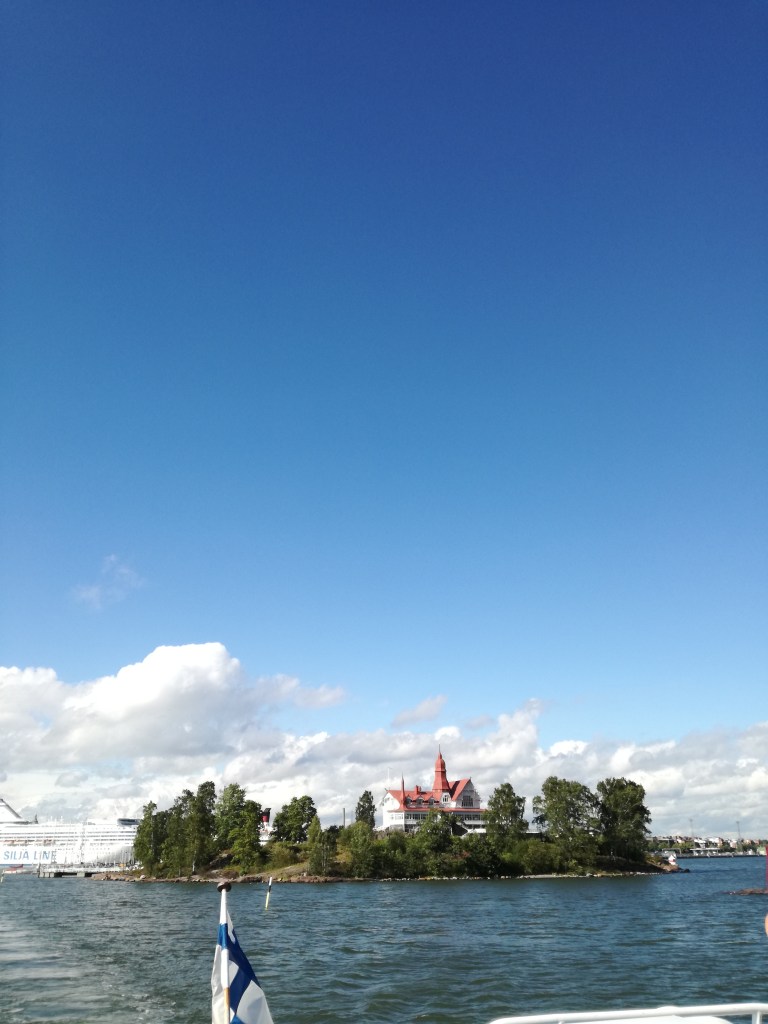
After walking so much we were getting the munchies and since we were already standing in front of it, we entered Café Fazer. It’s a huge food company which started as French-Russian confectionary. Sure, Belgian and Swiss chocolate is the most famous in the world, but the creamy consistence of Fazer chocolate is worth a try. And I truly enjoyed the liquorice ice cream, which isn’t that sweet but an intriguing flavour to experience. In the closing lights of the day we took a small tour by ferry, that I could learn a bit more about the different islands and districts in Helsinki and enjoy once more the blue of the Baltic Sea before flying home the next day in the afternoon.

Summarizing, Helsinki is a fantastic city and very easy to explore thanks to a cheap but efficient public transportation system. With its many connections one is never stranded even once one gets lost 😉. And thanks to my local guide I could really immerse in the city instead of scratching on the surface. Thus, whenever you have the chance to visit your friends across the globe, always say yes and never say no! You will never know what your next adventure will bring?

Kiitos and hei hei!


The latest IPCC report and first steps to make a sustainable travel change

The current news about the latest reports of the IPCC state that climate change is man-made and the rise of temperature with an average of 1.5C° will be reached 10 years earlier than estimated. Watching the news about the recent events like the flooding in Germany, the Netherlands and Belgium quite close to where I live and the devastating fires in Southern Europe and Algeria are worrisome.

This is not only a wake-up call, because our “house is on fire”, but an immediate call-to-action. Otherwise, it is likely, that we will observe more natural disasters across the globe for example more flooding, rising sea levels and fires like these days in Europe.

Personally, I feel scared, because my own little steps won’t help to reach the goal of keeping the temperatures below 1.5C°, but I strongly believe that we all together can and will have an impact. If you follow me on Instagram, you may have recognized that I volunteer as well and focus on living sustainably. And I’d like to share some inspiration to take immediate steps. If you plan to travel, you may use them as well, but you can use it in your daily life for sure.
Two years ago, before the current report was published, I was reflecting upon my own travel behaviour. Am I really travelling sustainably? Do I need to consider concepts of sufficiency to have a sustainable impact? After looking from different perspectives and learning more about sustainable travel and tourism, I really put my previous behaviour to the test. I had to admit that my travelling habits needed to change.

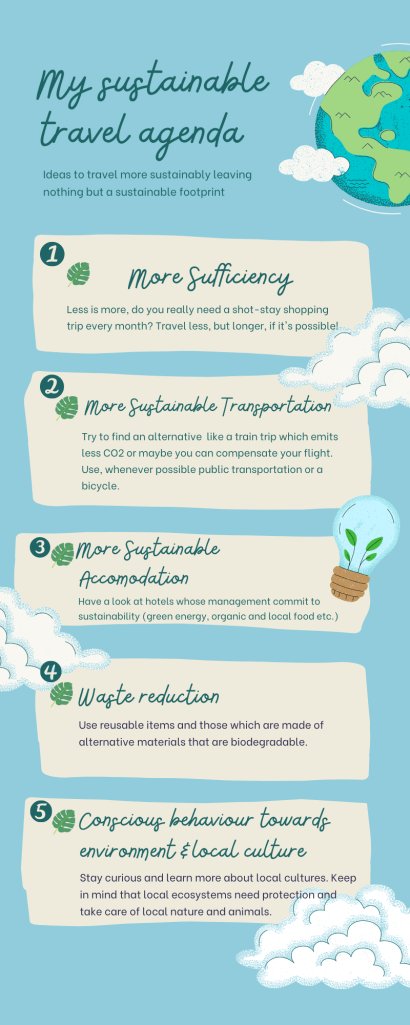
1. Sufficiency is briefly described as an improved consumption pattern, consuming less while acting more sustainable. In terms of sustainable travel, a longer stay is not only much better to learn about the local culture and create a more immersive experience, but it also reduces your CO2 footprint significantly, since transportation is the main contribution to that. But more on that later. Maybe you could even expand your vacation to a staycation and create a unique travel experience, deeper connections to people and their culture, and a change of your perspective if you are willing to learn and open up.
I had to ask myself the question if I needed to travel more often and especially travelling abroad which means that I need to travel by airplane. Therefore, I decided only one long-haul flight every two years but take more time to discover my destination and its people. Personally, the way to go is to travel consciously, not more often, but more intense.

2. Transportation is one big topic in travel industry, because it is “expected to account 5% of all man-made CO2” and it will even increase further, because tourism numbers will rise until 2030. The UNWTO calculated that the CO2-emmissions of cars will decrease, but the amount of CO2 that will be emitted by airplanes will even augment until 2030 to 665 million tons of CO2 (compared to 458 million tons in 2016).
So what can you do to minimize your personal CO2-footprint while exploring the beauty of the world?
Choose your transportation to the destination of your choice wisely:

🚅Take a train
🚘Use car-sharing
✈Compensate your flights

How to move from A to B onsite:

👣Walk around and discover those places that are not crowded
🚃 Use public transportation
🚲Take a bike – some countries are a paradise for cyclists and those who want to become one, and you also do some good for your health condition

Another crucial factor is, as mentioned, time, because your CO2-footprint is supposed to be very high while taking the plane for short-term trips. Therefore, in addition to limiting my travels by plane, I will try to travel as much as possible by train and public transport.

3. Accommodation may have a lesser CO2-footprint than transportation with approx. 6% compared to the total amount of all areas within tourism industry, but it also has an influence on the environment and the life of the employees who do everything to make sure you have a good experience in your favourite hotel. And believe me, there are plenty of good case practices across the globe.
So, what can you do to find a sustainable hotel or hotel?
My first advice is that you should check the homepage carefully. Here are some questions I ask myself before I choose to book.

How does the management commit to sustainability?

Is there a separate landing page for sustainability, or do they just mention it for the purpose of greenwashing to appear sustainable?

Do they support the Sustainable Development Goals?

Do they have further information about their sustainable best practices:

  • Do they support local initiatives (women empowerment, community work, disabled people)?
  • Do they use local food suppliers or do they grow their own vegetables?
  • How do they use technology for cooling and heating? Are they net-zero?
  • Are there any information about waste management (use of resources, avoid plastic, recycling, water management, because it’s a scarce resource in some parts of the world)

You can also check, if the hotel or hostel has a certification (Green Grey, GSTC etc.), but in my humble opinion not all hotels providing sustainable best practices have automatically an approval. I also experienced cases with a certification and plenty of plastic waste, so do some research and have fun while learning and enjoying great places while contributing to sustainability.

3. Waste is one great aspect to have a huge influence to reduce CO2-footprint, because plastic “originates from fossil fuel”. The more plastic you avoid and replace with biodegradable items, the better for our oceans and your health, because microplastic is a serious problem for animals and humans alike.
So, what can you do to improve your personal waste management, before your journey starts:

✅⠀Reusable coffee mug

✅⠀Reusable water bottle, check out the availability of tab water and refill stations

✅⠀Shower soap, shampoo and conditioner soap bars, yes, your hair will shine 🙂

✅⠀Sunscreen without nanoparticles

✅⠀Check out for reusable hygiene articles you may find in your local/online zero waste store

Photo by Anna Oliinyk on Unsplash

You can also improve your waste management onsite, because every plastic bottle you can avoid is a win. If no tab water and no refill station is close, just consider taking a small break in a cozy café and enjoy the moment. Sometimes a break is refreshing, and maybe a great conversation is already waiting for you.
If you still have some reusable items, please don’t throw them away, just use them as long as you can before you replace it with a sustainable alternative made from bamboo, wood or steel.
If you’re heading for a beach or places that maybe have a less improved waste management, lead by example: do a beach clean-up, collect some trash and avoid buying items with too many wrappings.


5. Last but not least you will have a sustainable impact with every conscious choice you take, for example:

Enjoy local and fresh food (no, I don’t understand people who complain that their favourite food from home is not served thousands of kilometres away), because this also decreases your CO2-footprint, if you don’t chase after your favourite dishes from home

Buy local products, because you support local businesses and show interest and respect towards their culture

This article was supposed to be published earlier, but after learning about the current IPCC report and some further reading about climate change and the negative impact it can have, if we don’t start to act now, I felt quite frustrated that this little article and the whole project of blogging wouldn’t have enough impact.

I hope you enjoyed reading and got inspired a bit. Feel free to add a comment and share!


Let’s travel digitally!

Have you ever travelled digitally? Did you ever consider a trip where you won’t even leave your living room?

Me neither until I heard of this concept during an online event within my AIESEC Alumni Europe community! Well, why would I do that? When you remember some weeks before we had quite strict travel restrictions all across the globe and the situation was frustrating to all of us. Luckily, the situation is improving every day, but at that time I wanted to have a surprising and innovative gift (also a small reward for myself 🙂 ) and yes, I wanted to get some new input instead of complaining about the situation.

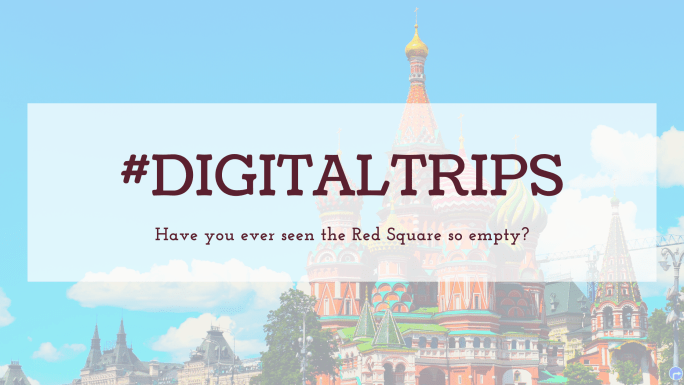
My first virtual travel went to Moscow and started at the world-famous Red Square. Usually, from what I know, it as a crowded space full of life. You can imagine that I was quite surprised to see this famous place so empty! Maybe the weather conditions were not that inviting, because our guide navigated us through grey and rainy weather. We started at the historical heart of Moscow: the Kremlin and learned that its massive walls were “newly” built by the Italian architect  Aristotele Fioravanti in the 14th century! Of course, we stopped by the famous “Spasski tower” whose bells traditionally welcome the New Year in Russia! Further we went past Lenin’s Mausoleum, but we didn’t enter. It’s the resting place of the Soviet leader Vladimir Lenin, whose mortal remains are lying in state there.

Off we went to the famous Saint Basil’s Cathedral that always appeared as if it was decorated with sugar icing. The colours and the architecture looked very impressive even though we just could watch it from our screen! I was even more impressed when I learned that the cathedral was consisting of 9 domes and churches! I would really love to visit this amazing cathedral and learn more about its architecture!

When the rain got too heavy, our guide Anna sought shelter at the nearby GUM to show us the famous and luxurious mall with all its glory. Flashing colours and hallways full of designer brands mixed with Soviet nostalgia created this very special atmosphere of the place and we got it even though we were thousands of kilometres away! Unfortunately, the GUM is famous for its ice cream and every visitor young or old gets themselves some, but not for us! Oh, those lucky people!

We continued with our trip towards the Bolshoi Theatre and learned about the famous ballet and the difficulty to get some tickets as visitors, because this is a cultural highlight for locals and visitors alike!

In the end we had some time for a chat and questions to discover that Moscow even has a vivid coffee culture and lots of modern urban spaces to meet, chat and work.

My conclusion in the very end was that this digital trip was worth a try! Thanks to our dear guide Anna we could learn, interact and see some of the most famous spots in Russia’s capital! Will we ever see the Red Square that empty again? It is comparable to a good movie trailer. You can learn, watch, observe and even chat with locals. But in the very end, you really want to visit a place and we definitely put it on our bucket list!

Digital travel is a nice way to avoid overtourism and to reduce your CO2 footprint and get a glimpse to a different culture, but it is not a substitute for the real deal. In the very end it’s up to you, but I really recommend to try it out!

The cake in the picture was an original recipe from Anna to taste some traditional Russian food: приятного аппетита!

[No paid ad!]


Between green megacities, learnings about sustainability and local traditions

The main purpose of this trip was to attend a Chinese Wedding in Malaysia, but of course, we did a little backpacking in addition to this event to discover two megacities and learn more about sustainability from a different perspective.

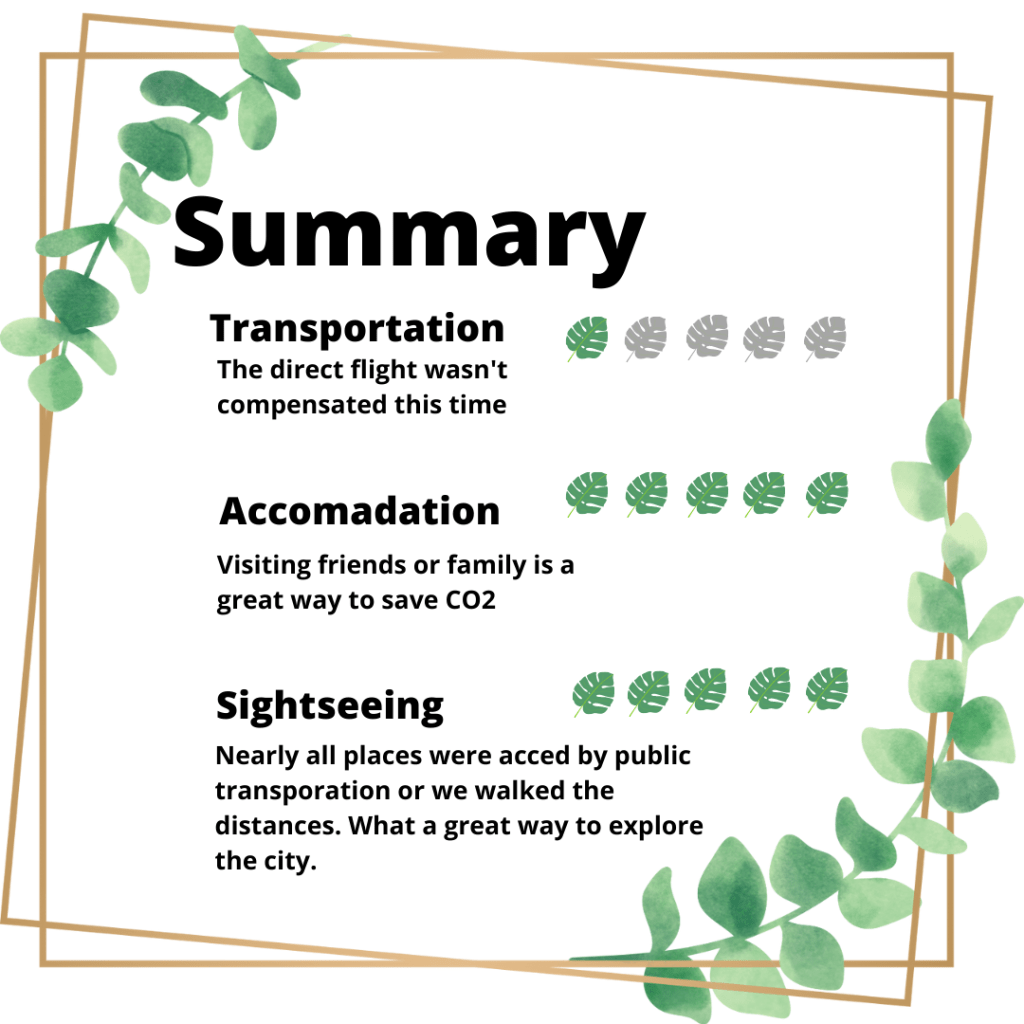
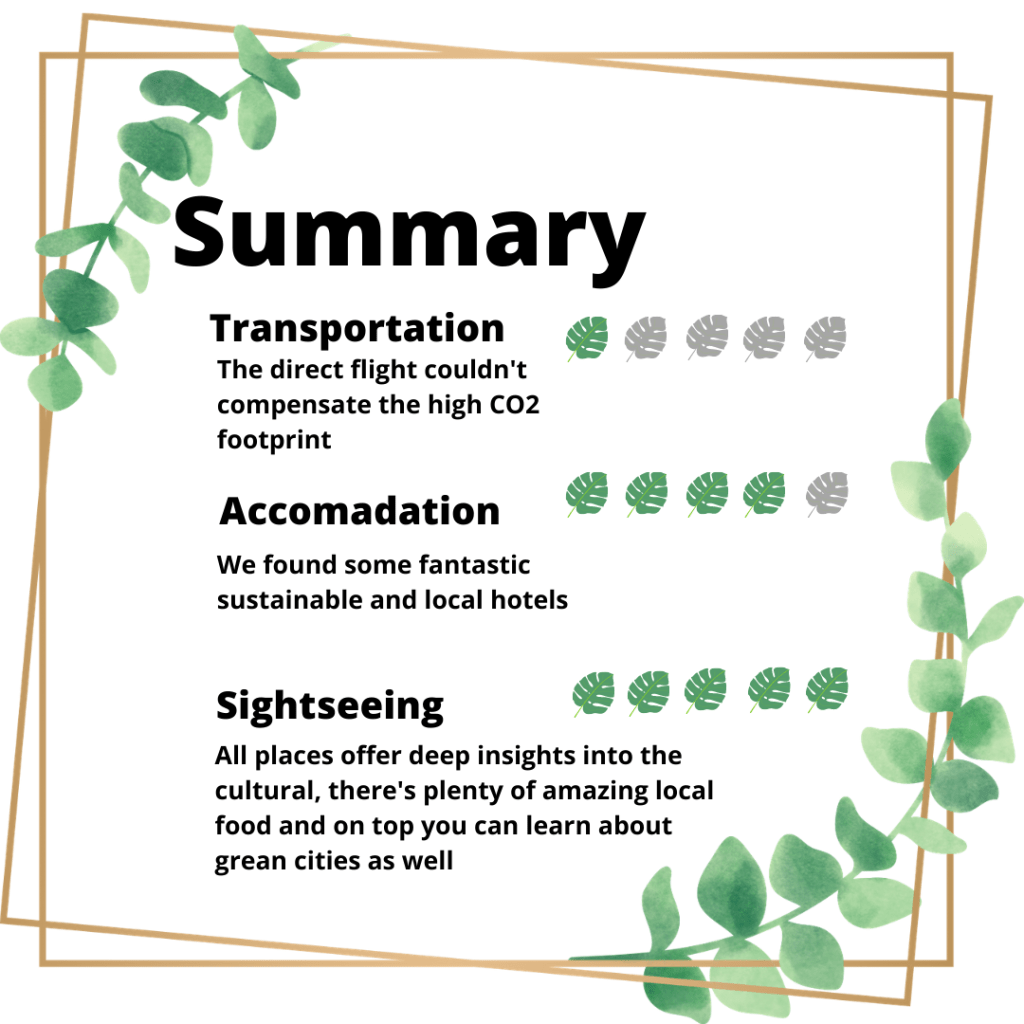
Travelling to Singapore and Malaysia causes a bigger CO2-footprint than a trip within Europe. But, if you want to go abroad it’s much better to book a direct flight, because most CO2 will be emitted during take-off and landing.

Therefore, we booked a direct flight with the flag carrier of Singapore to have a less negative impact on the environment, which was very pleasant.

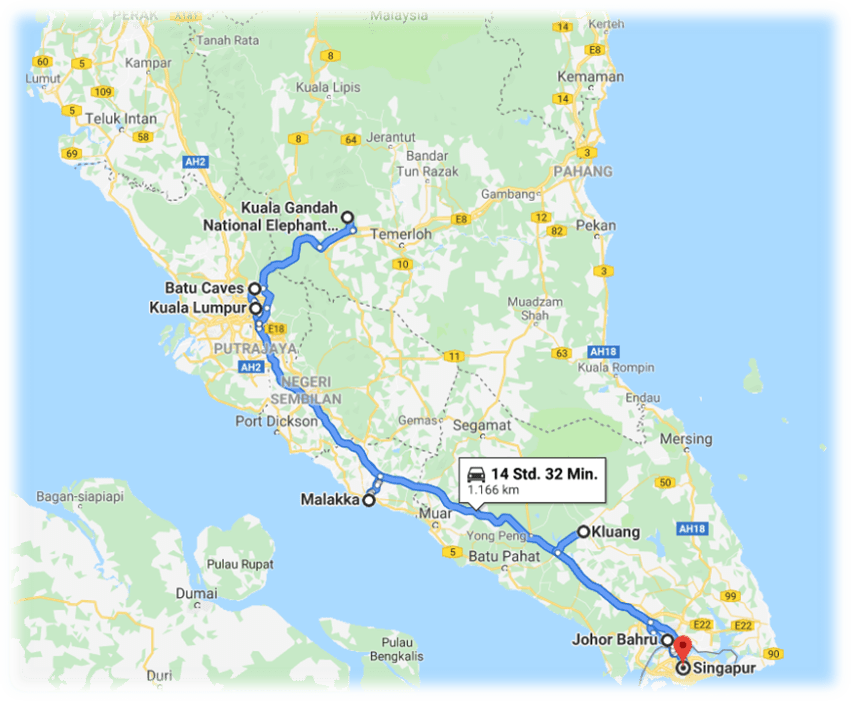
Backpacking trip starting in Singapore to Malaysia and back

Singapore

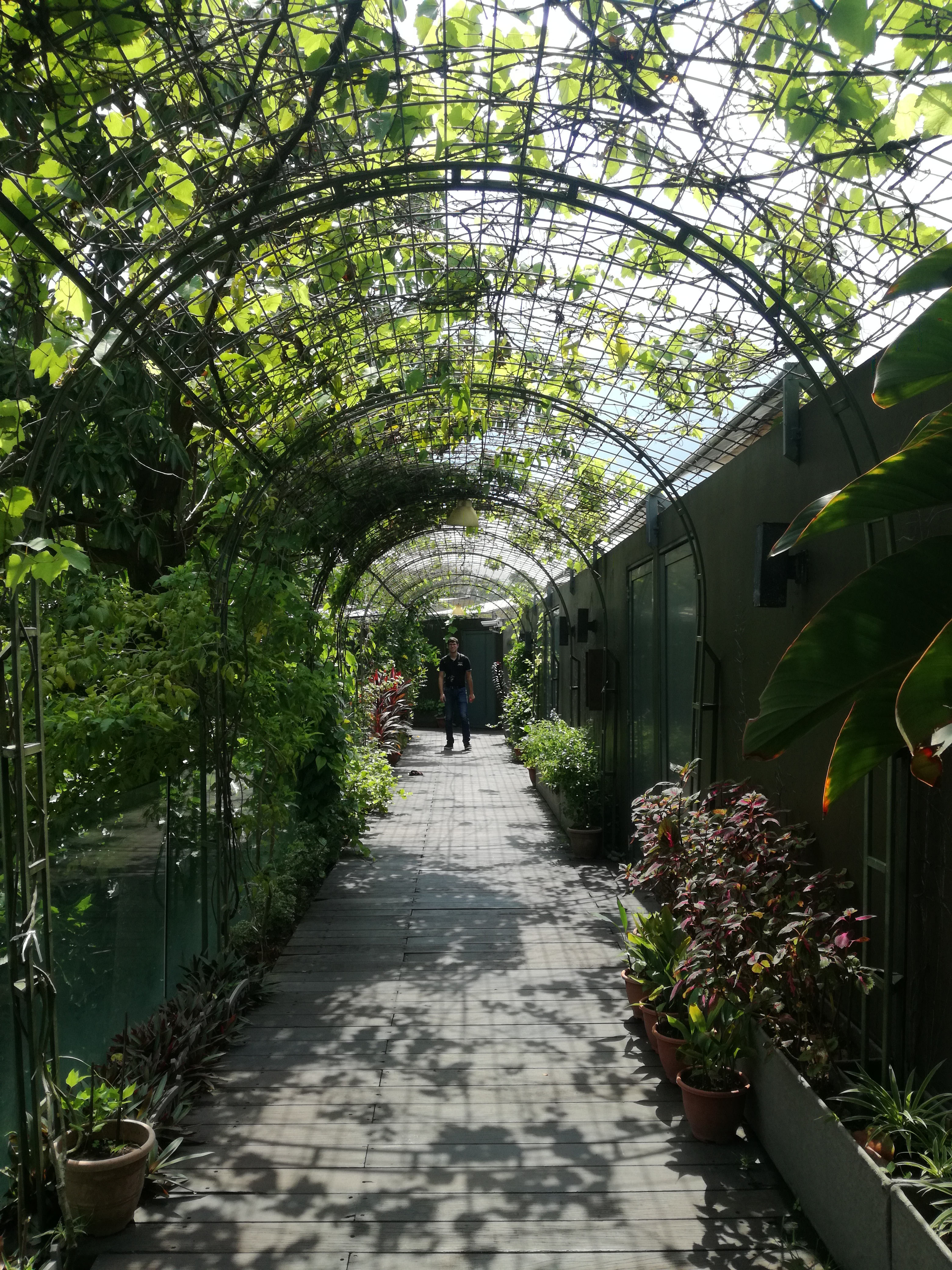
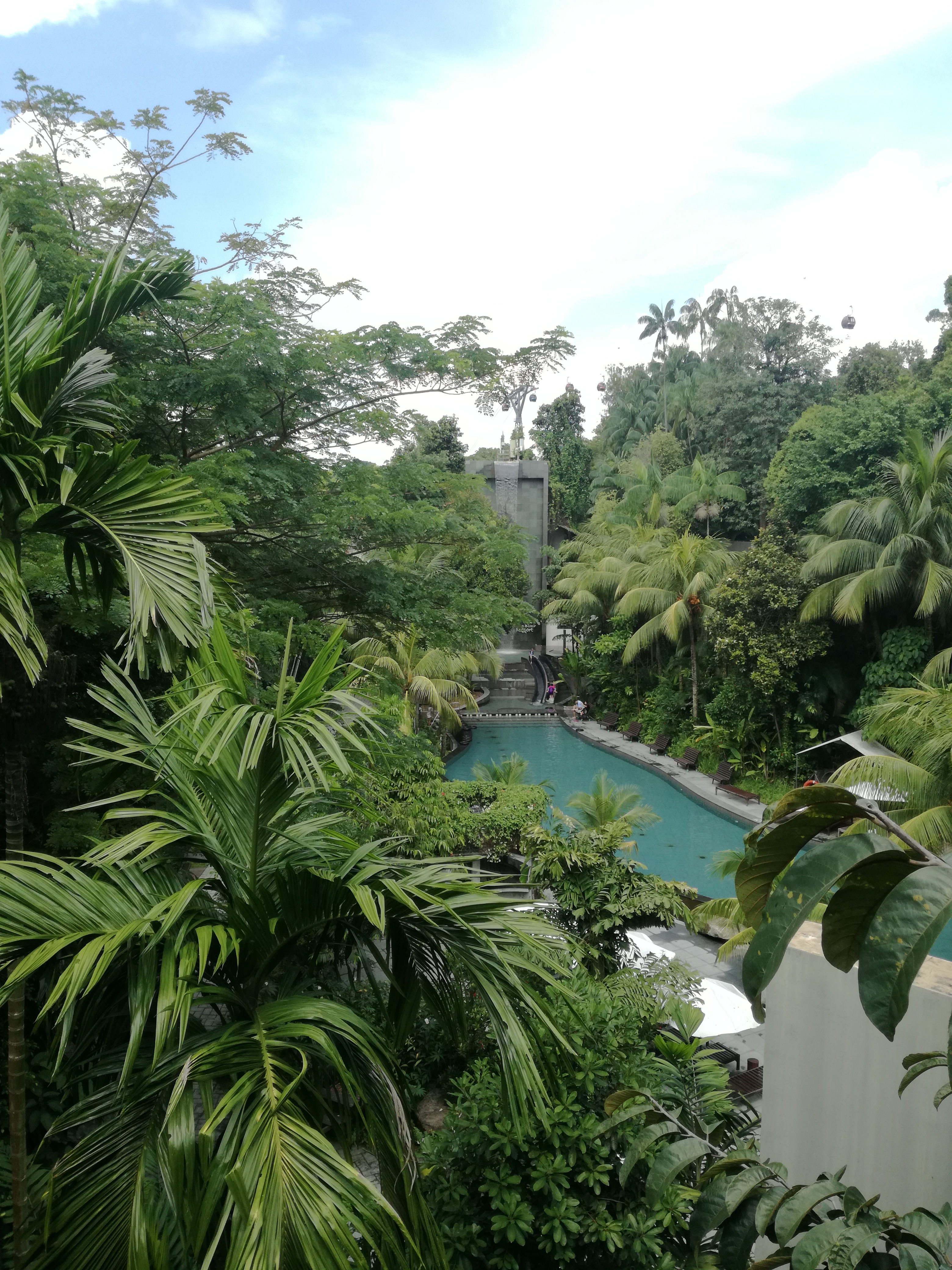
After a 12-hour journey we were happy to check in at the Siloso beach hotel at Sentosa Island. A green oasis surrounded by the sound of the jungle and with its own waterfall, this green hotel claims to be a sustainability hub.

How did they achieve this? On a guided tour through the hotel everything was explained and shown to us. First of all, the whole building is built on stilts and the natural topography was preserved. Leaving the natural wetlands untouched provided a natural protection against mosquitos thanks to the frogs you really don’t need chemical protection against mosquito bites. Furthermore, no trees were cut down for its construction, it is a real marvel to see how the trees grow right through the villas and the building. On their rooftop garden they grow their own flowers for decoration and herbs to season their fresh organic food. Their plan is to expand and even grow their own vegetables. By the way food, their healthy and delicious breakfast gave us energy for exploring the city.  

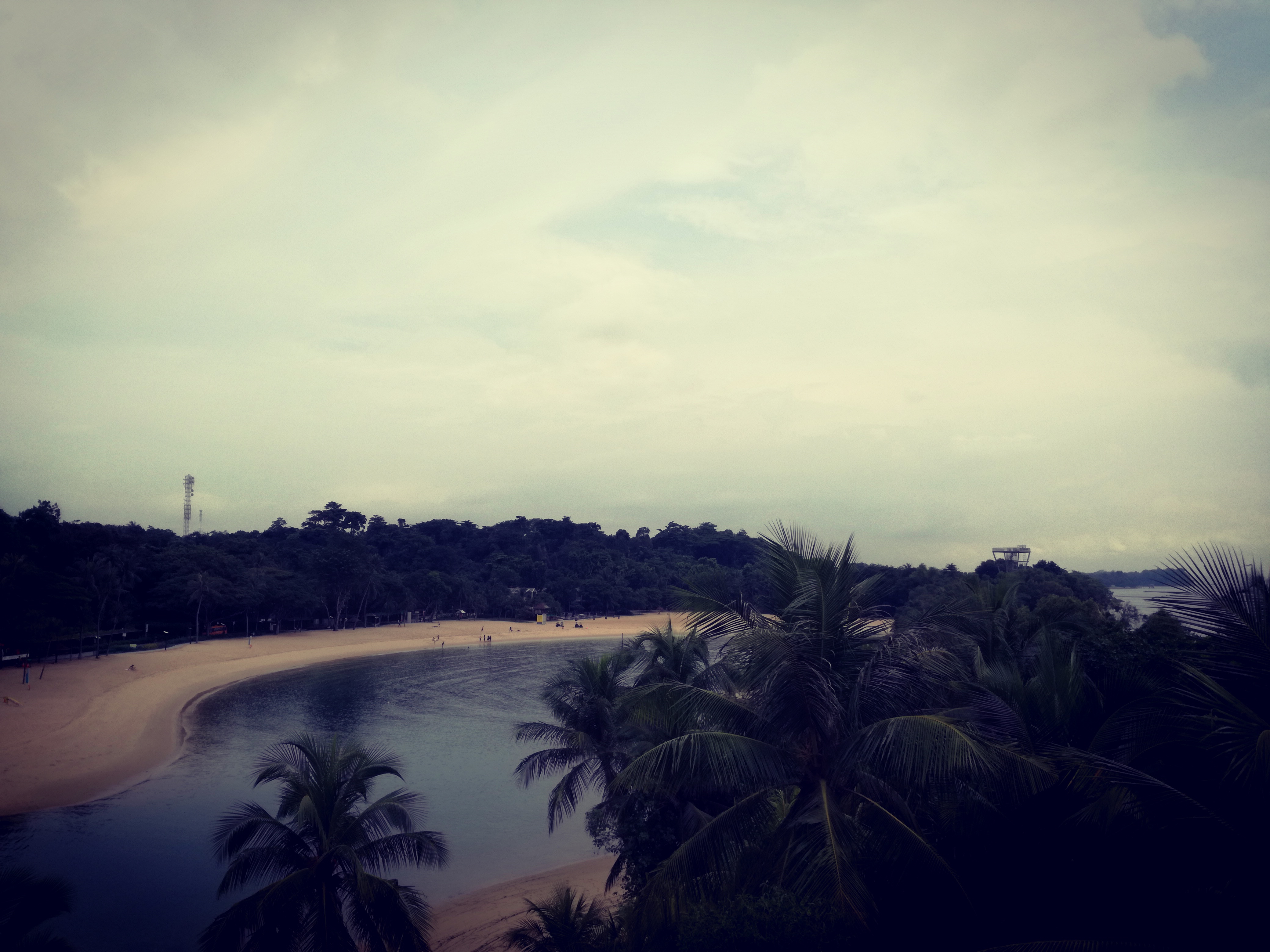
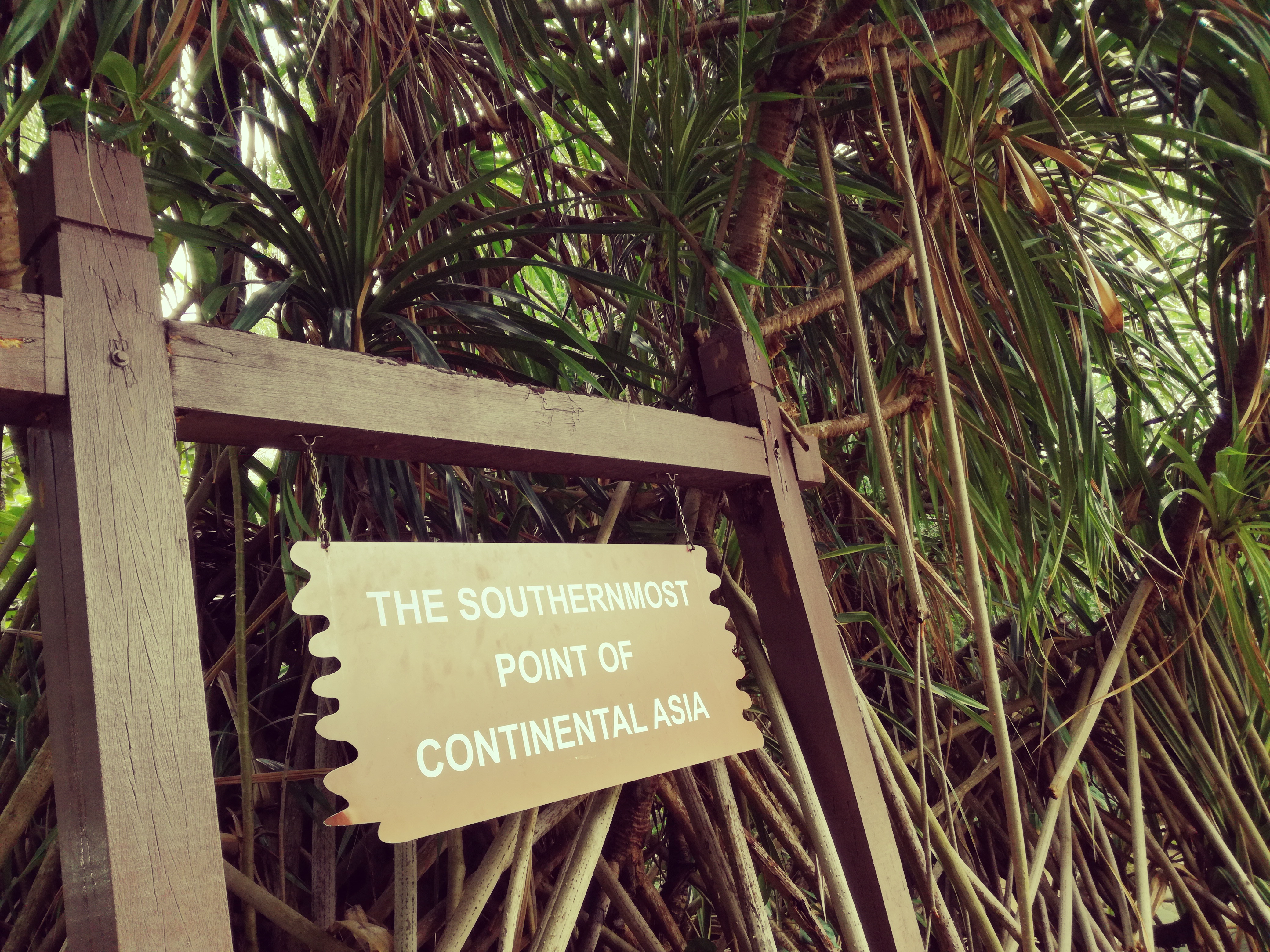
Since Singapore is a metropolis defined by the limits of its island, a well-oiled public transportation system is indispensable and was also our choice of transportation. But for our first discovery we set of on foot. Strolling along the beaches of Sentosa Island, enjoying coconut ice cream we headed to the most southern point of continental Asia (because it is connected by bridges).

The first stop outside of Sentosa Island was Chinatown and after the first impressions of Singapore we suddenly got quite hungry. A nearby food court offered delicious fresh food which wasn’t so easy to choose. The district is vivid and colourful and for a first day we got a lot of impressions. The evening ended at the harbour with a marvellous view of Singapore’s skyline which we won’t forget so easily.

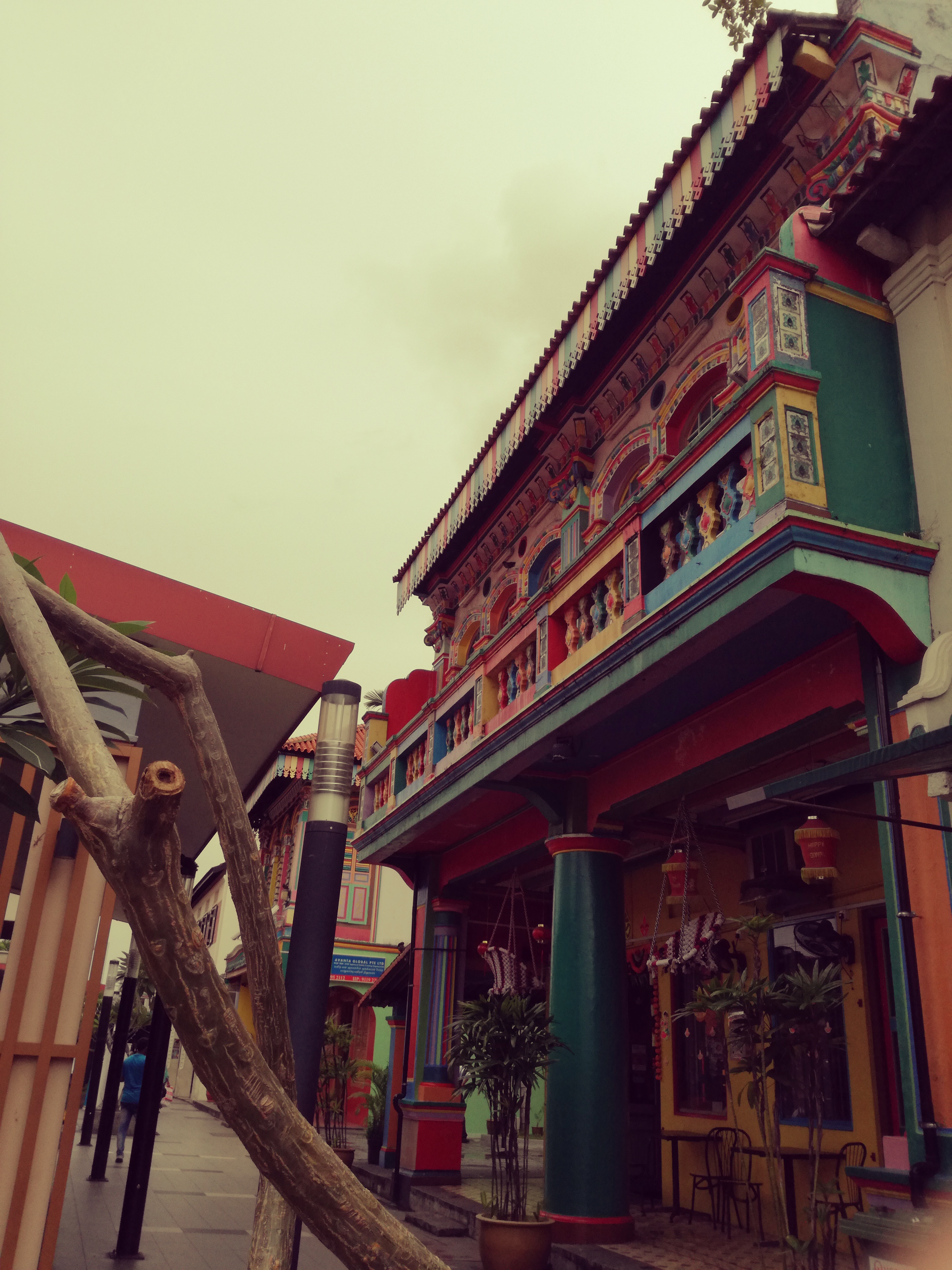
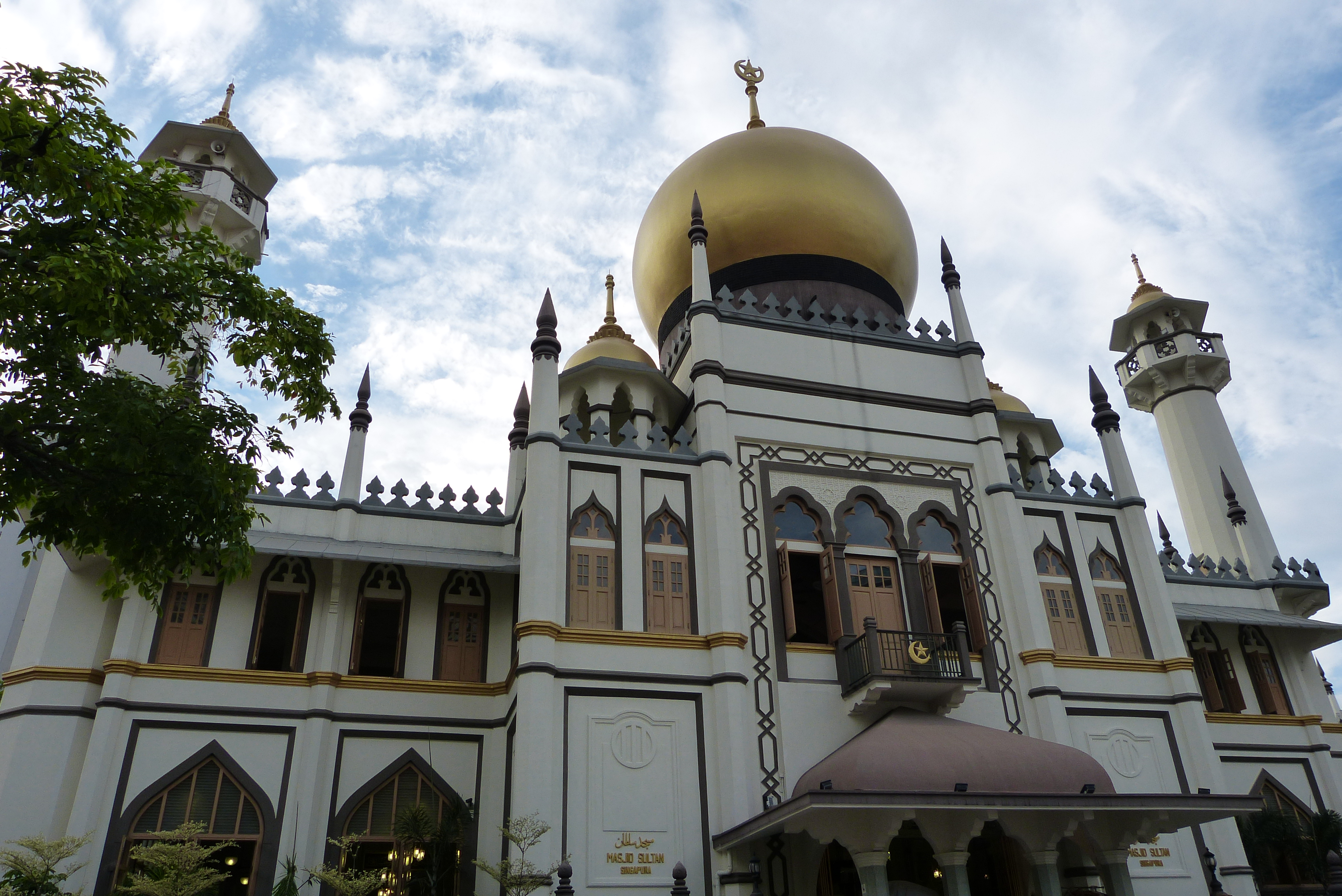
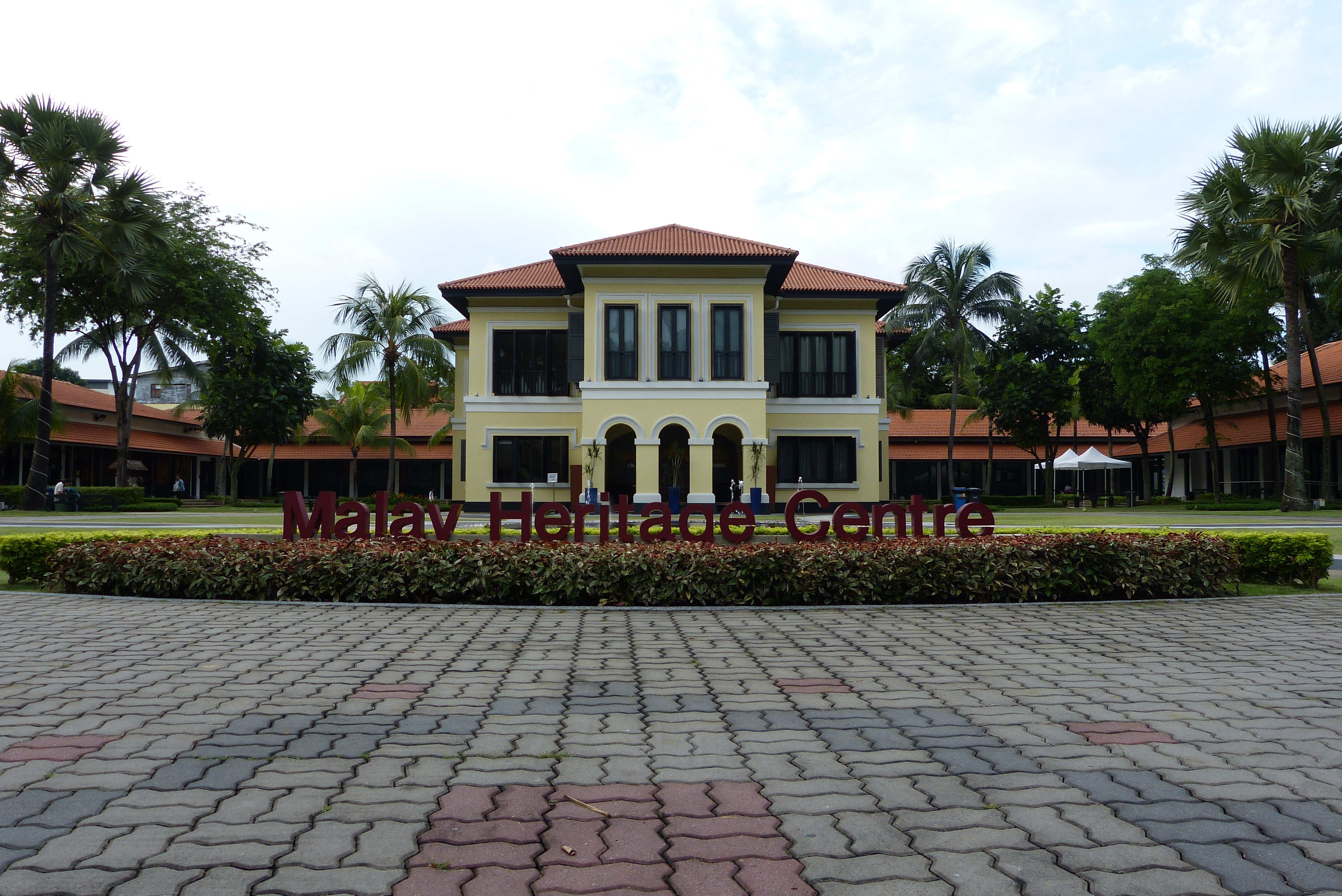
The next day we headed towards Little India with its many shops offering everything from colourful fabrics to beautiful jewellery and impressive Hindu temples. After some light shopping we took a small break to have some fresh Indian food. It was delicious, spicy and even though I haven’t been to India, yet, it was fantastic to have a glimpse into this amazing culture. We continued our route to Bugis which is vivid and full of amazing shopping opportunities and went to Kampong Glam. The Masjid Sultan Mosque is one of the most important mosques in Singapore and was an important centre for culture, arts and trade in the 90ies. Around it are many streets which took me back to a time when I travelled to Egypt and Turkey. The nearby Arab Street was full of lovely little shops and for a moment I had the impression that I made a little trip around the globe. But it didn’t end here yet. We walked on to the Malay heritage centre. In front of it we took a rest for a moment and wondered if we were still in the same city. What a city! So many cultures at one spot!

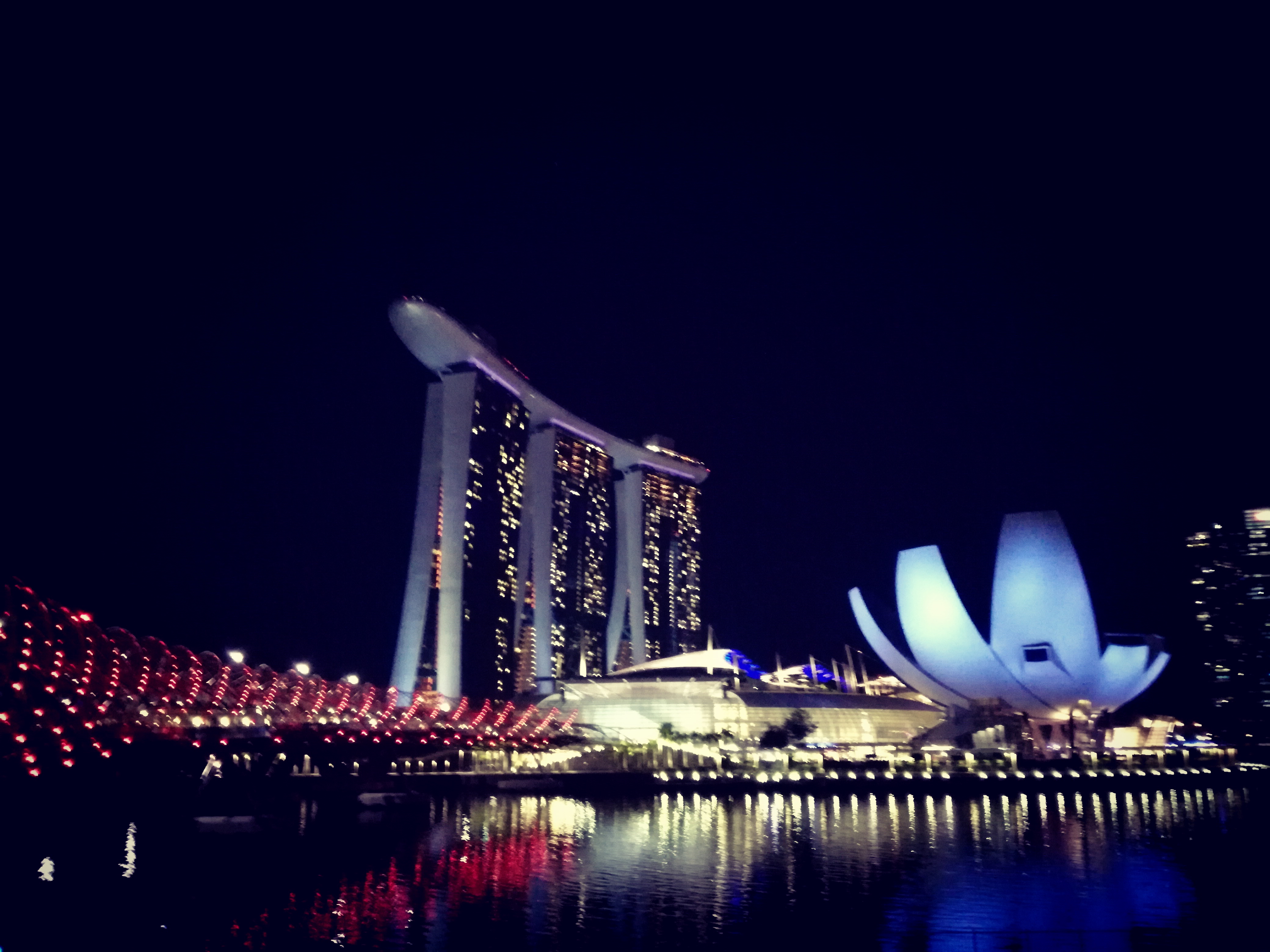
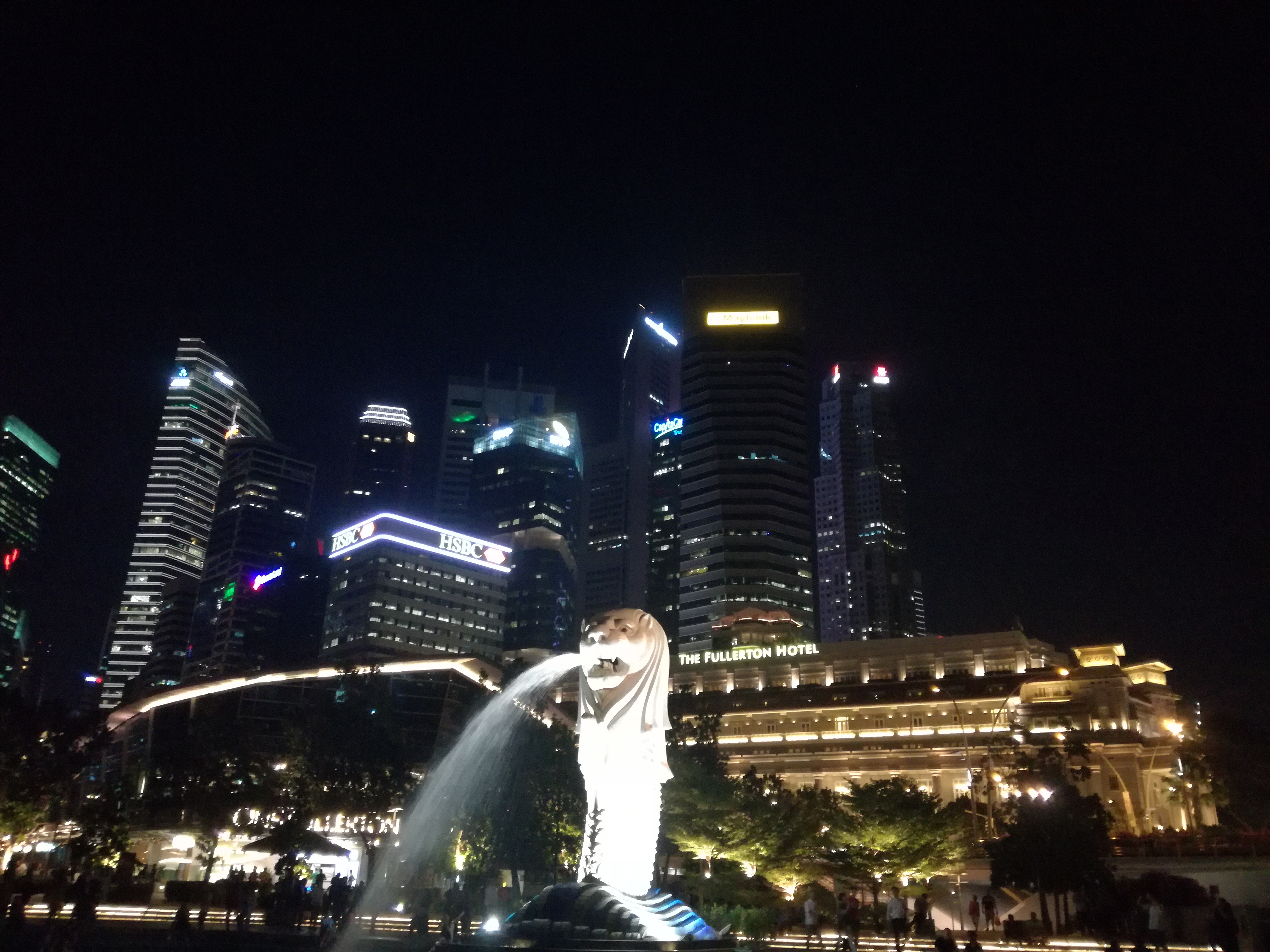
After all these overwhelming impressions we enjoyed the light and music show at the Super Trees which you can relish twice per day. It was very relaxing and amazing to learn that the Super Trees are vertical gardens and some of them even have solar panels. They contribute to a sustainable power generation and provide the city with energy. I have to admit that we didn’t manage to visit the Cloud Gardens and The Flower Dome which will be on the list for a next visit. But we continued our stroll across the Double Helix Bridge and said hello to the Merlion, Singapore’s mascot, and stayed for a while to savor the beautiful skyline once more before we had to leave the next day.
Our motto was to eat like a local because that is the best way to dive into the many cultures, in my opinion. Singapore is famous for its many hawker centres! The food there is local, fresh and it can save you a lot of money, since they are regularly frequented by the locals.

What would a Singapore trip be without some famous noodle soups! Therefore, we visited a street food stall with a Michelin star: Hill Street Tai Hwa Pork Noodle. If you don’t especially enjoy liver you might give it a pass, because even though the noodle soup was delicious, I just don’t like liver 😉

Sometimes you are in the mood for a dessert and we came across a very crazy looking café. It was one of the weirdest cafés I visited so far: The Gudetama café whose mascot is a little yellow egg from Japan! And even our cheesecake was decorated with the little sad egg which won the hearts of young and old!

Personally, what impressed me the most after these three days was the amazing architecture and how it created a harmonic symbiosis with the Gardens by the Bay. It showed me how technological progress can be applied to build a resilient and sustainable city that provides enough space for nature and people.
Malacca and a coach ride with learnings

After three days in this amazing megacity our journey took us to our next highlight: Malacca, a UNESCO world cultural heritage.

Malaysia is much bigger than the small island state of Singapore. Infrastructure is quite different, and transportation relies mainly on road traffic. So, we hopped onto one of the many coaches connecting the cities all over the Malaysian peninsula.

While we prefer a train ride, we still got to see a lot of the country and I had some important learnings. Something I recognized during the bus ride were the many and huge palm oil plantations which influence the environment and the local wildlife and how devastating that could be, as we learned later.

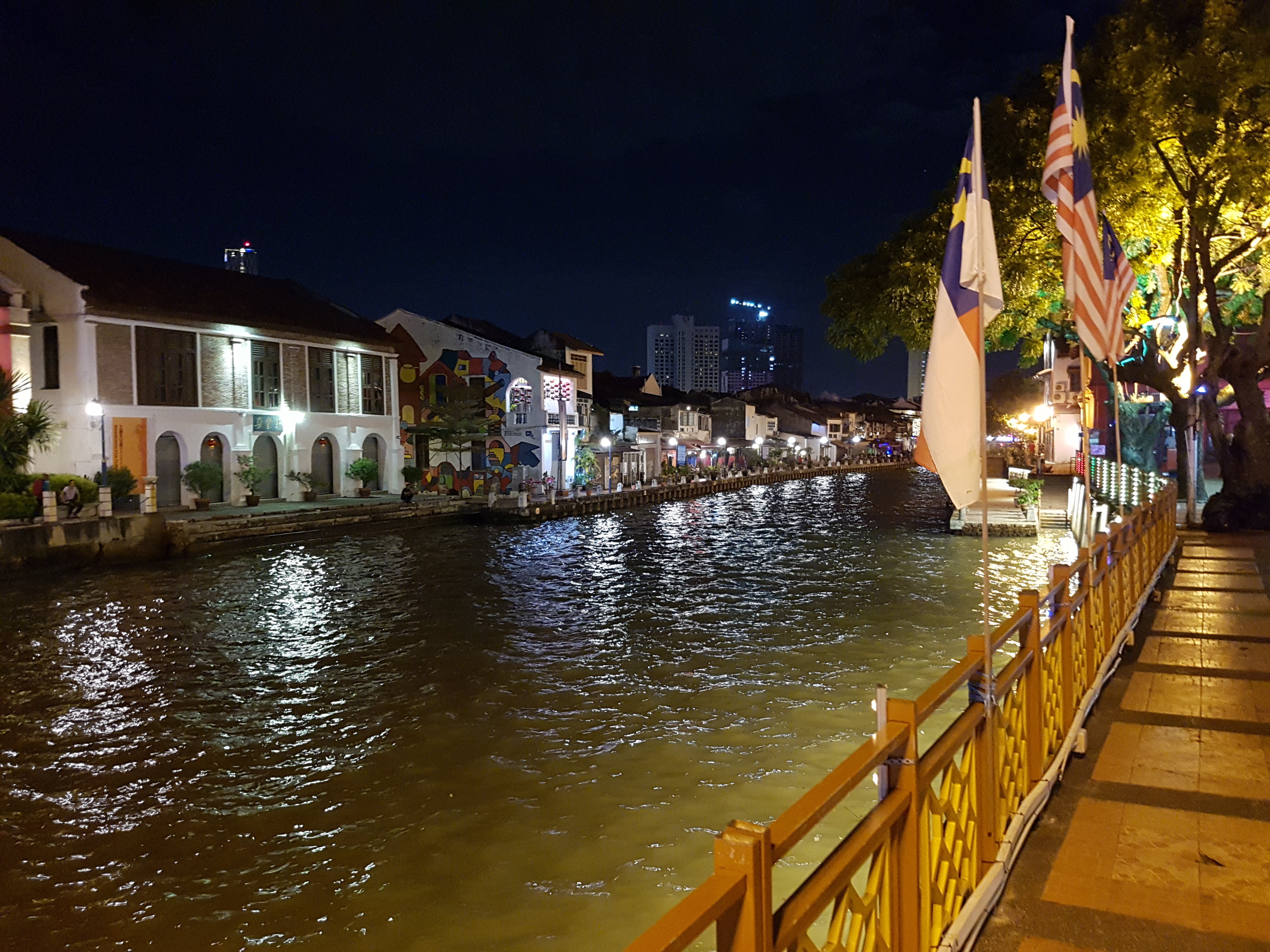
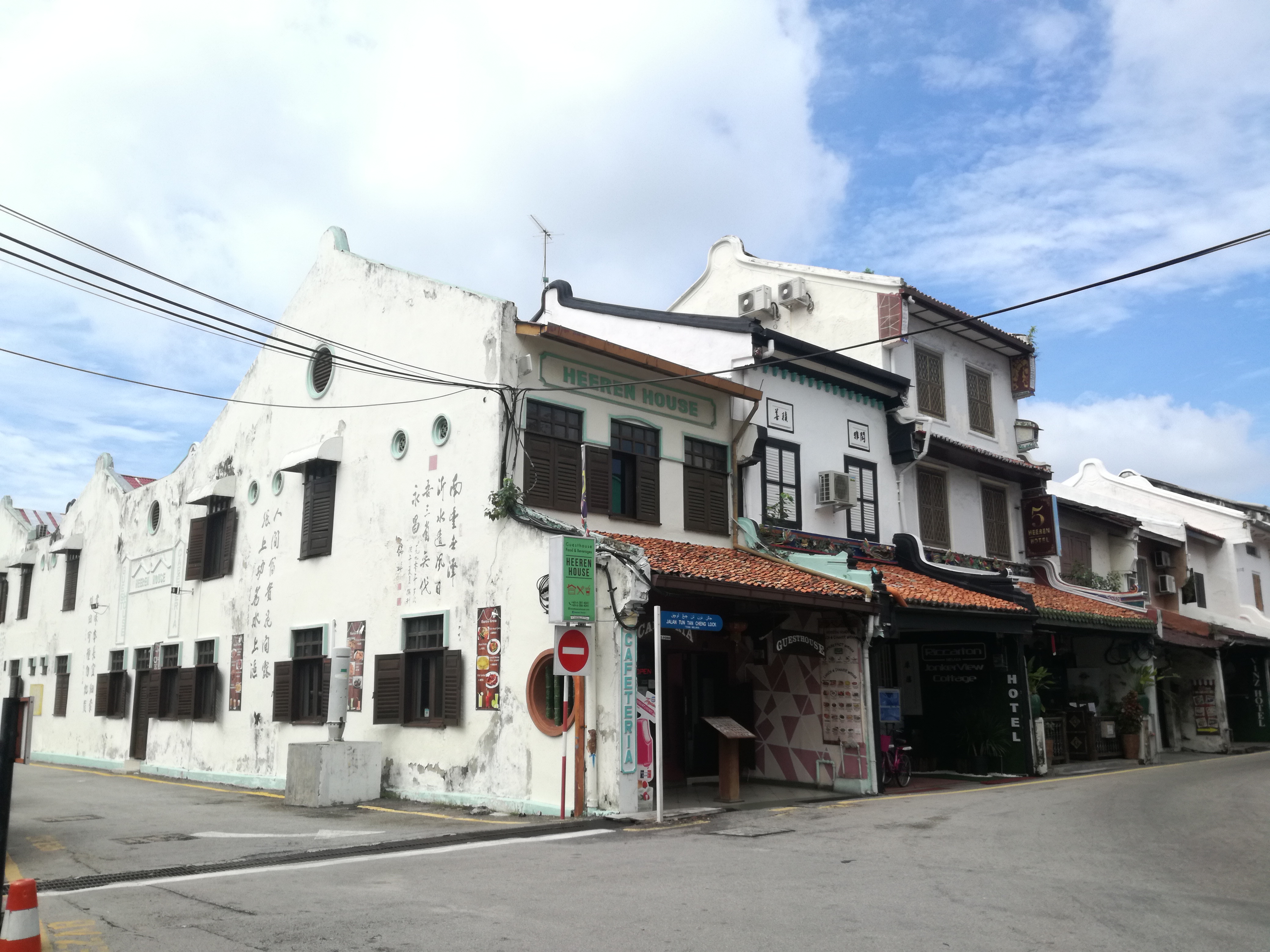
As curious and sustainable travellers who want to make the best of every journey, we booked a local homestay which was called “Heren House” right beside the river and closely to the famous Jonker street. The guest house within an historical building offered an authentic glimpse to the life of local people. The rooms are equipped with traditional wooden and massive furniture. The staff was really friendly and helpful. The experience was authentic and even more individual as we supported the local economy.

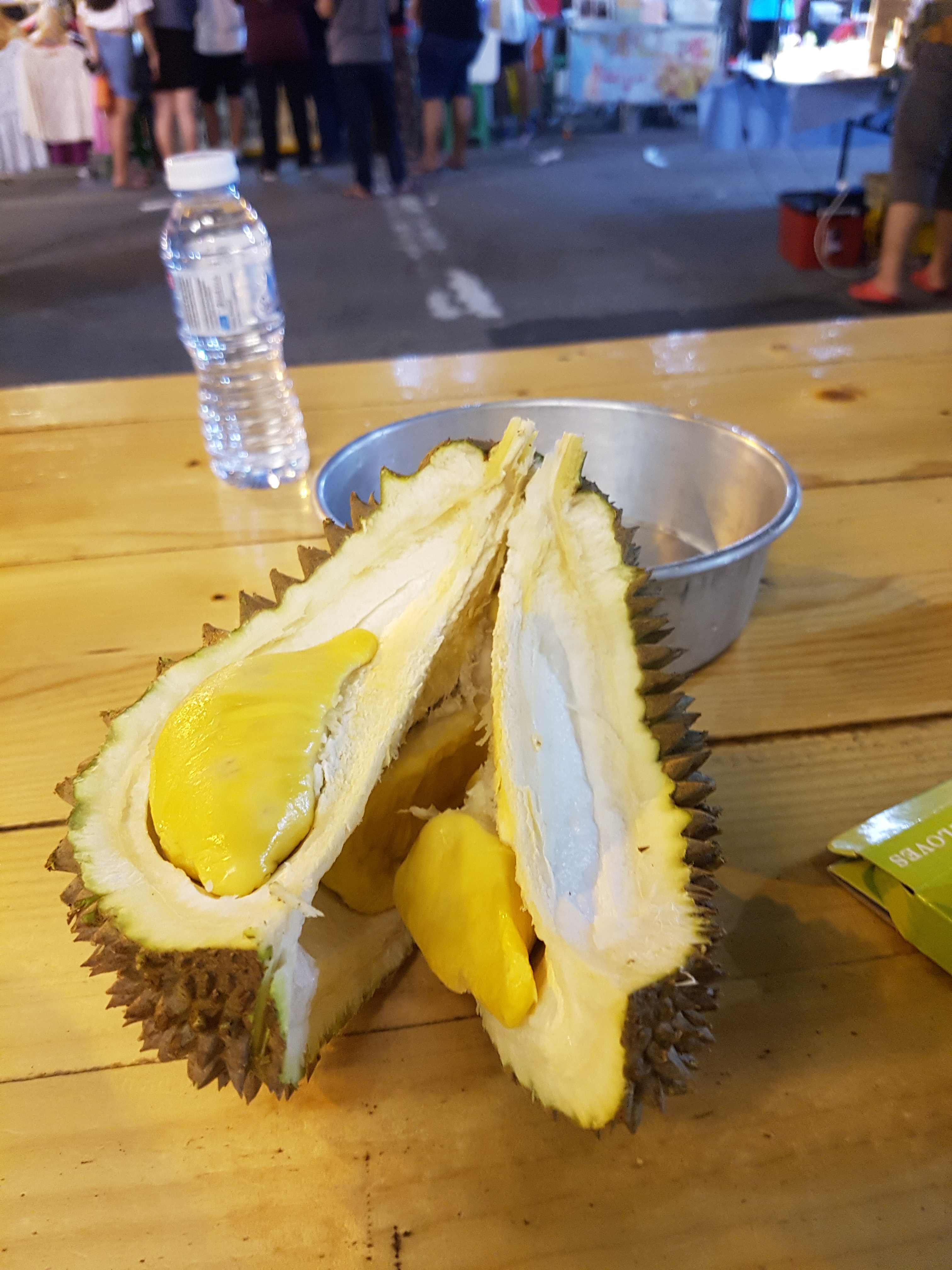
Malacca was fantastic to go to the night market at Jonker Street in the middle of the Chinese district with a variety of local and fresh food and lots of opportunities for shopping. Of course, I needed to try something new and different. A very special and smelly fruit which you recognize before you’ll see it: Durian! The first Durian in my entire life and it was maybe my first break out of the routine moment during this holiday.

We dedicated one day to the rich history of Malacca! It was influenced by the Dutch, the Portuguese and the British, so get your time machine started!

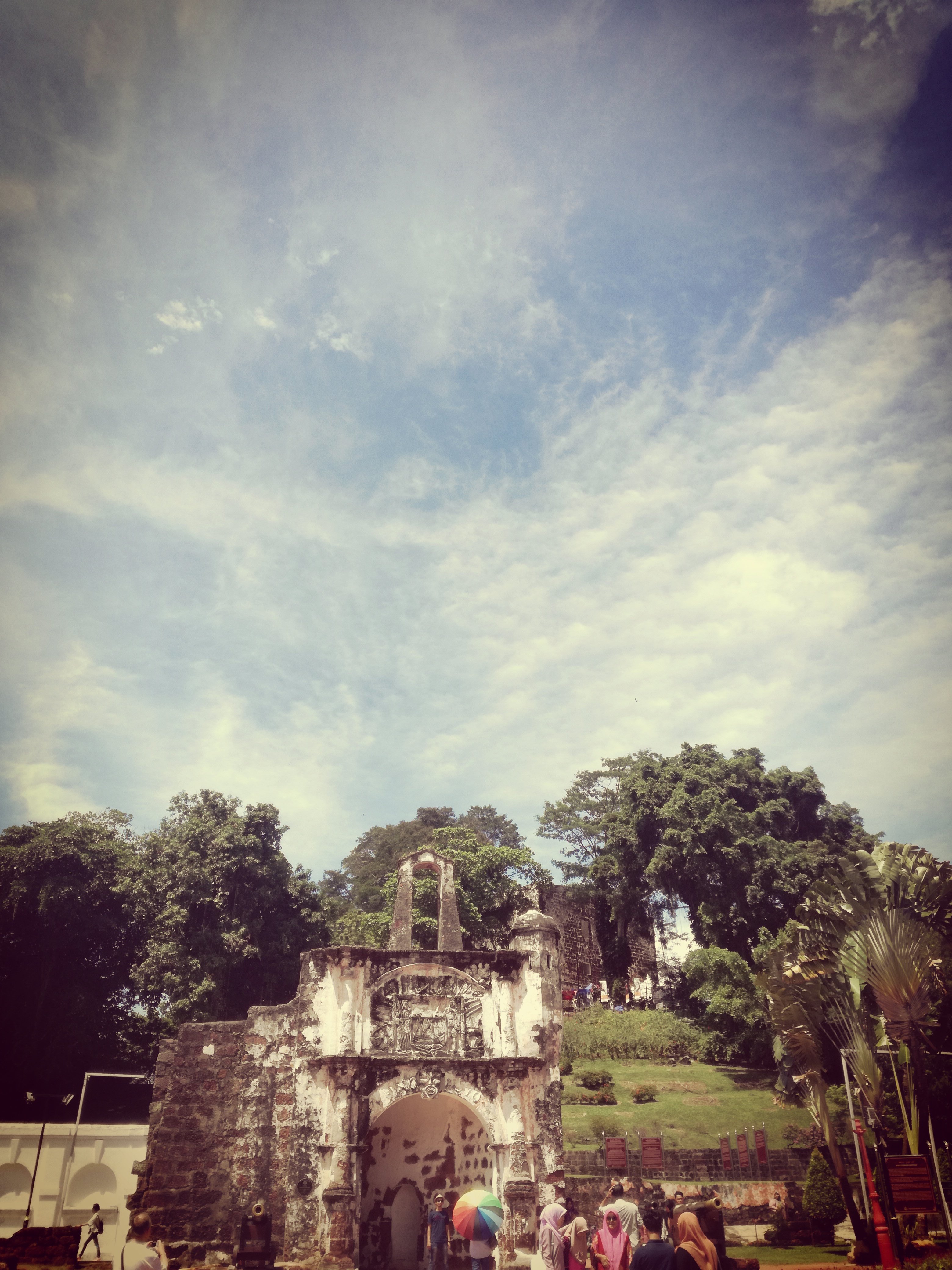
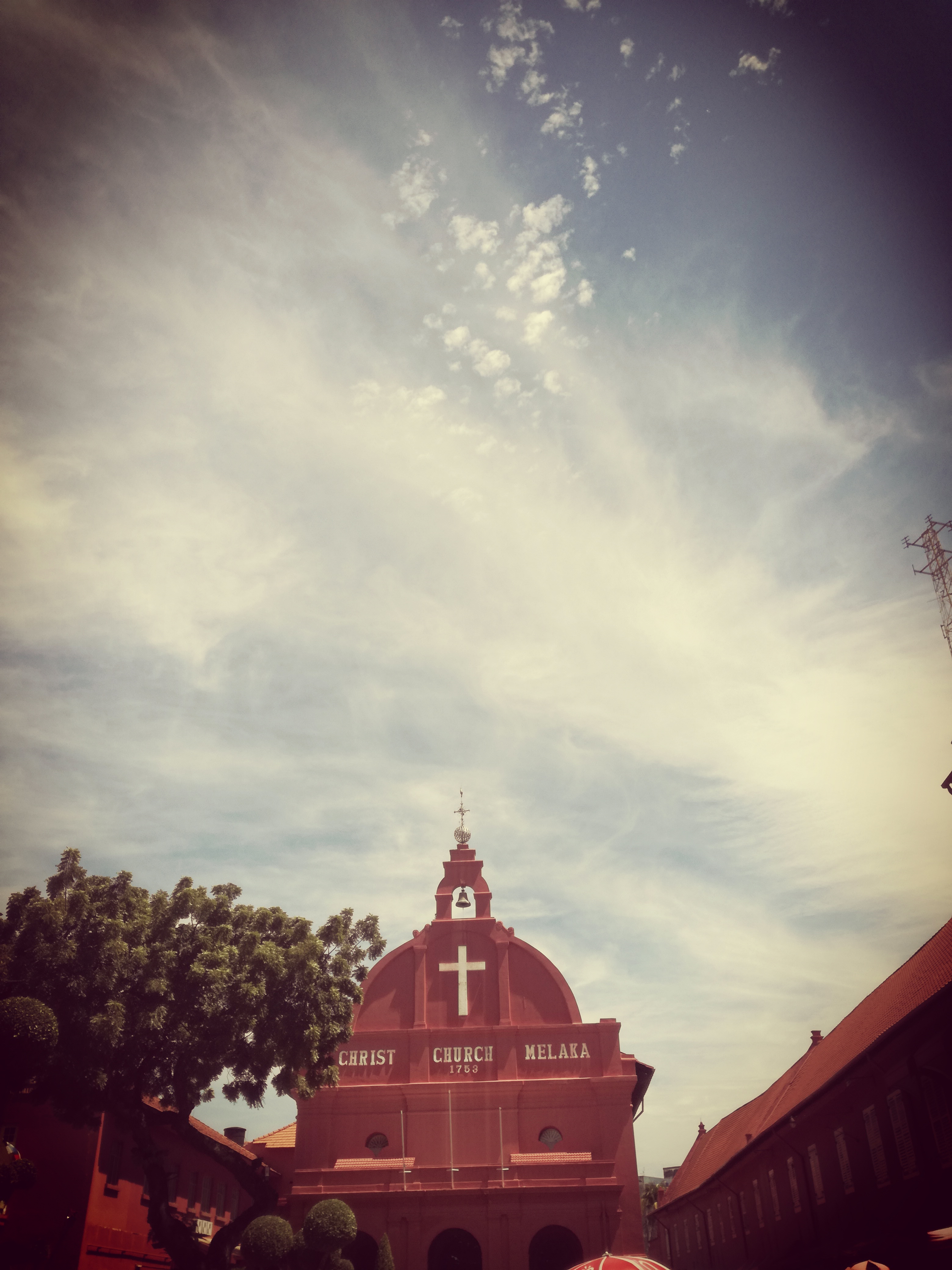
We began our walk at the Red Square with its Stadhuys. It was built by the Dutch in the 17th century and yes, the square well-deserved its name. The whole place is coloured in vivid red and sets a contrast to its surroundings. Our path took us further to explore the Portuguese history and we went to the hill of St. Paul’s church. The view above Malacca and the ocean is fantastic! Finishing our walk at “A Famosa” a former Portuguese fortress we just felt like time travellers.

The city is usually very crowded by tourists and especially couples from Kuala Lumpur who enjoy the city for a weekend trip.

I wouldn’t say that overtourism is already a problem, but I guess we need to respect local traditions and act respectfully towards those who live in the city.

I would like to address this topic, because personally I was quite shocked to see a tourist who was begging for money to finance further trips across Malaysia.

To escape the hotspots we decided to take a walk at the “Malacca River” and discovered lovely shops and street art. Usually, we really don’t check and plan every shop and route we take, it just happens naturally to follow where our interest is paying attention to.

The last day included a walk through the old town which is famous for its art scene and its handicrafts! We had a stop at the Urang Utan House, an art gallery from a local artist who is also selling unique shirts with his great designs which combines modern and urban life in Malacca with traditional Eastern philosophy. Here we saw that between the historic places great urban places could be found which totally created a unique atmosphere between urbanism and the local culture!

One special artisan shop called Wah Aik offers special insights to the Chinese culture! The two brothers are specialized in creating unique bound feet shoes. You can learn of a tradition that is nowadays forbidden, but the shoes are a masterpiece of art and can be bought for those who are interested in handcraft and Chinese culture. It was a fantastic visit, because one of the owners took his time to explain us a bit more about the history of the shoes and the former tradition of the lotus feet and showed us many old newspaper articles in different languages praising their craftsmanship! The tradition of the lotus feet doesn’t fit modern times anymore, but the tradition of making handcrafted shoes is something very special! I was very grateful for this learning and enriched to understand much more of this special handicraft!

The food we tasted here is also very special, so let me give you further insights.

I was really impressed by the Nyonya or Peranakan kitchen you can find in many restaurants across the city. Peranakan are the early Chinese descendants who settled in Malacca and inter-married to Malays. This special food is very delicious and combines the best of both worlds! For me, it was a mix of herbs, spices and a fruity texture. A very good restaurant we discovered is The Bulldog!

Kuala Lumpur

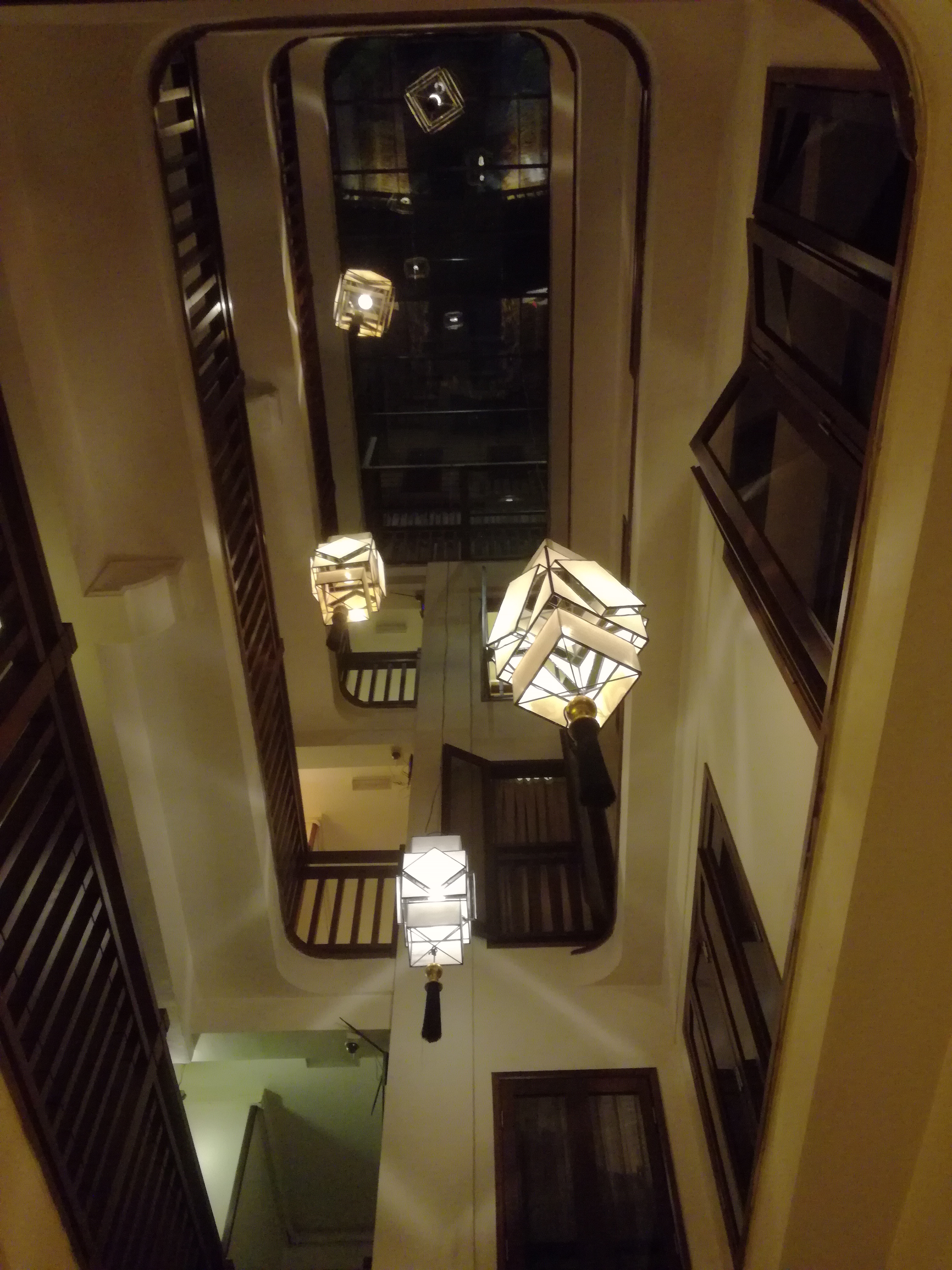
Moving forward, we were off to Kuala Lumpur, the vibrant capital of Malaysia, the next day. After another coach ride, we checked in at the Anggun boutique hotel whose rich history dates back to the 30ies of the last century and tells the story of a Chinese sojourner who made his luck in Malaysia. While not a certificated sustainable hotel, many initiatives were adapted to act sustainably. For example, a higher energy efficiency and less plastic consumption. The hotel building itself evokes the charm of the 60ies of Kuala Lumpur. I especially loved the inner courtyard and the green terrace in the middle of the city.

The hotel was close to Bukit Bintang a district where the city never sleeps and where we discovered so many restaurants that we had an information overload! Starting with Jalan Alor and its many open-air restaurants, we tried some fresh sugar cane juice and had once more Durian for dessert! Everything appeared so delicious that we couldn’t help ourselves but had to try it! But this was not supposed to be a foodie trip, so let’s check out what else we spotted in KL!

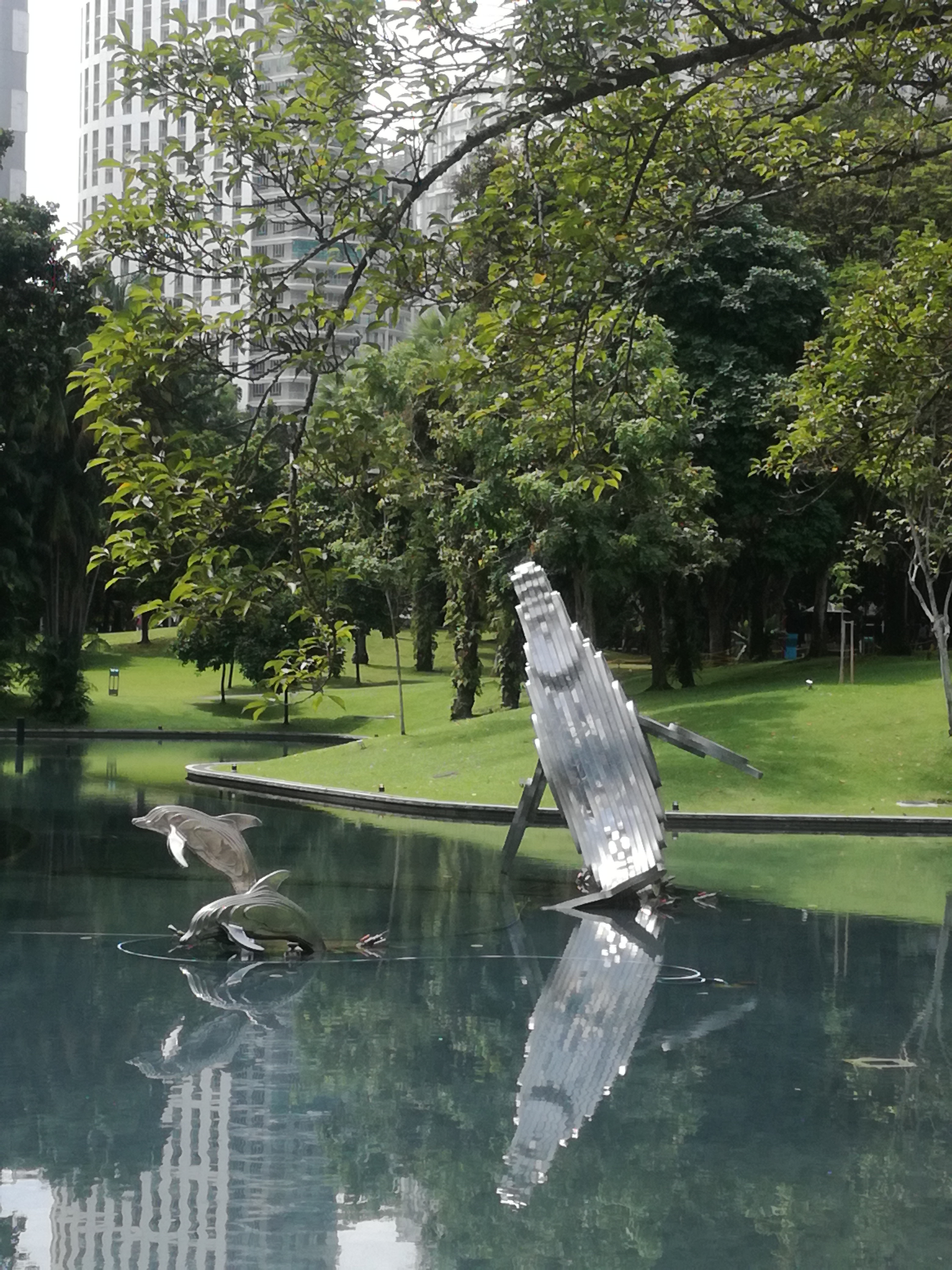
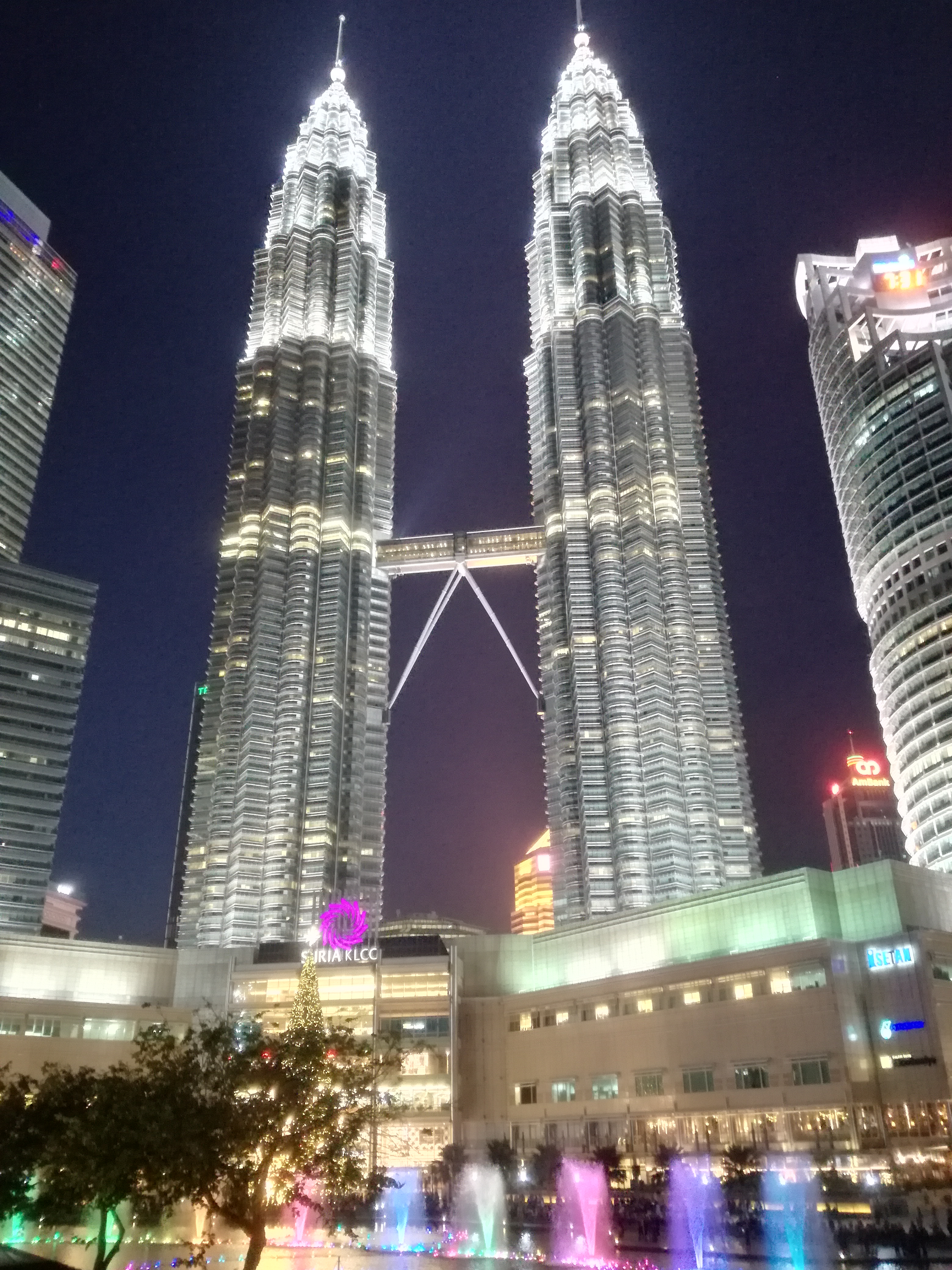
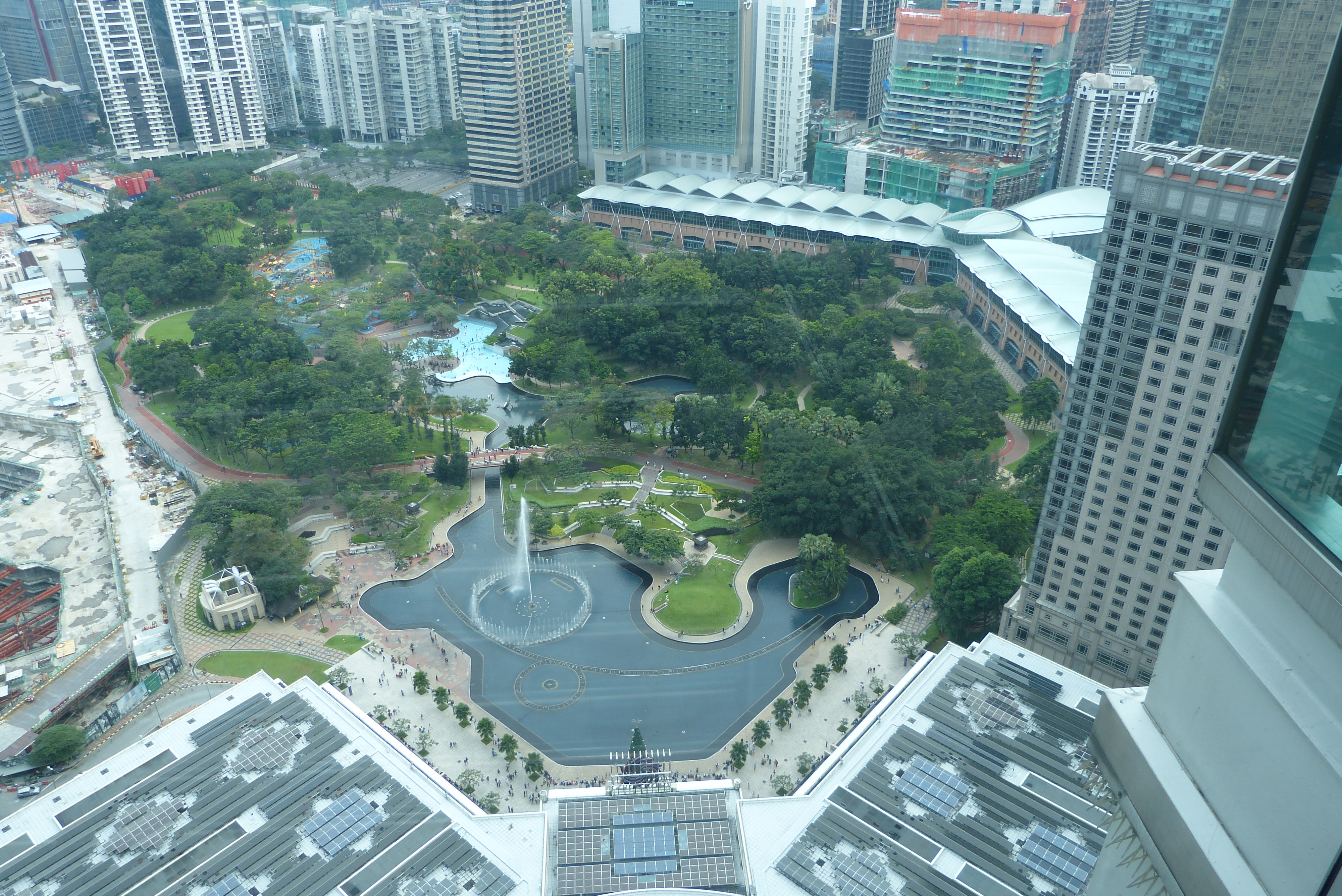
One of the architectural highlights and a must-see are the Petronas Towers, because they are one of the first sights you will discover when you enter the city. But we were quite surprised to find a green oasis in front of the two steel giants, the KLCC park! A great place to calm down in the hustle and bustle of the megacity. Lake Symphony was a scenic view to rest your eyes and see many people having a good time with friends and families! I loved the whale sculpture which showcased that nature still plays a crucial role in those areas where you wouldn’t expect it! And we also planned some extra time to enjoy the light show in the evening!

If you want to see an urban jungle and I really literally mean urban jungle with lush greens and the opportunity to see wildlife in the middle of the rain forest you need to visit KL Forest Eco Park.

We went across the skywalk and listened to the sounds of the jungle and nature can make a great and loud concert deafening out the sounds of the hectic city.

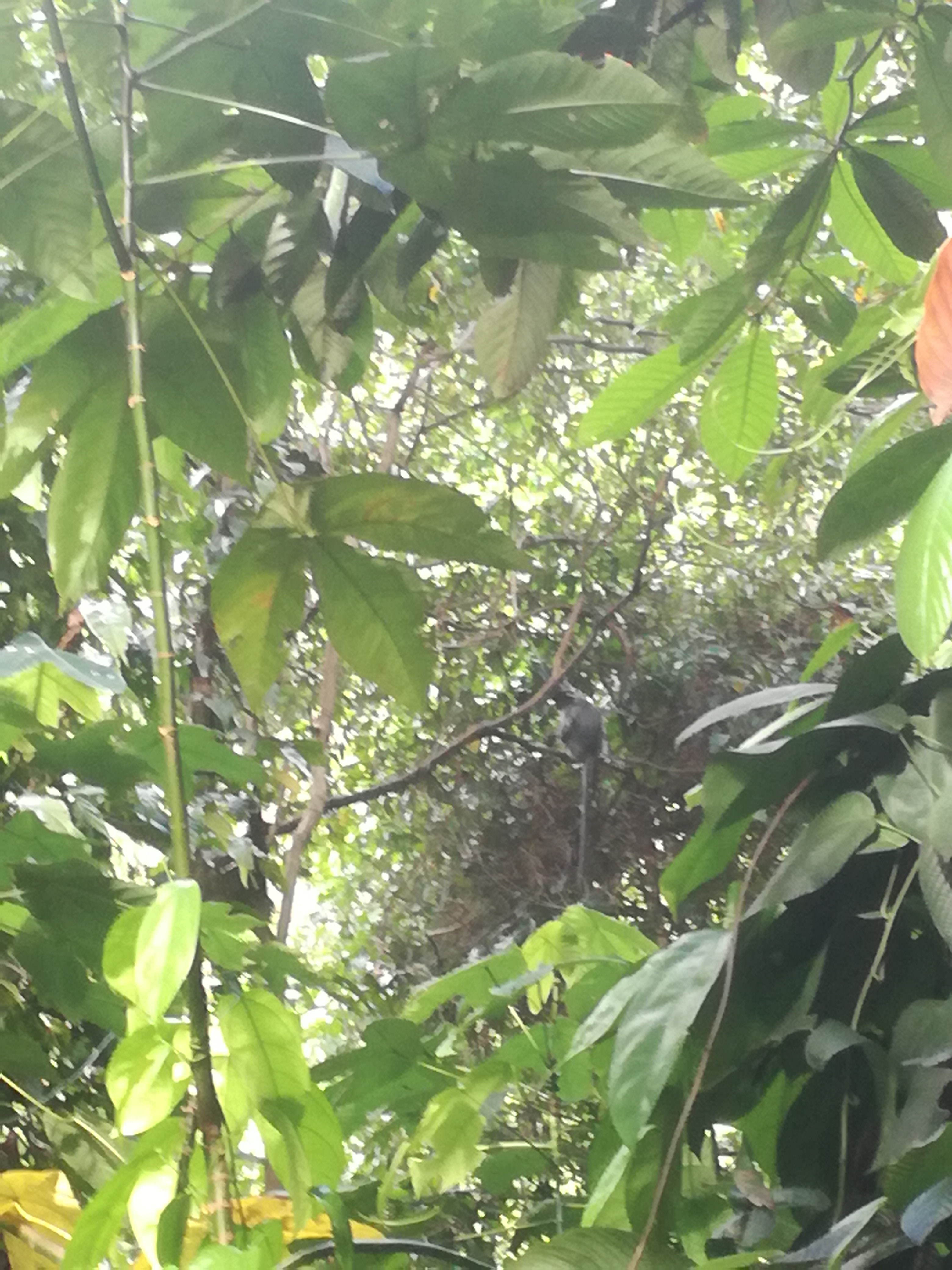
The forest is one of the green lungs of KL and because we were patient enough, we even spotted some of its inhabitants: monkeys!

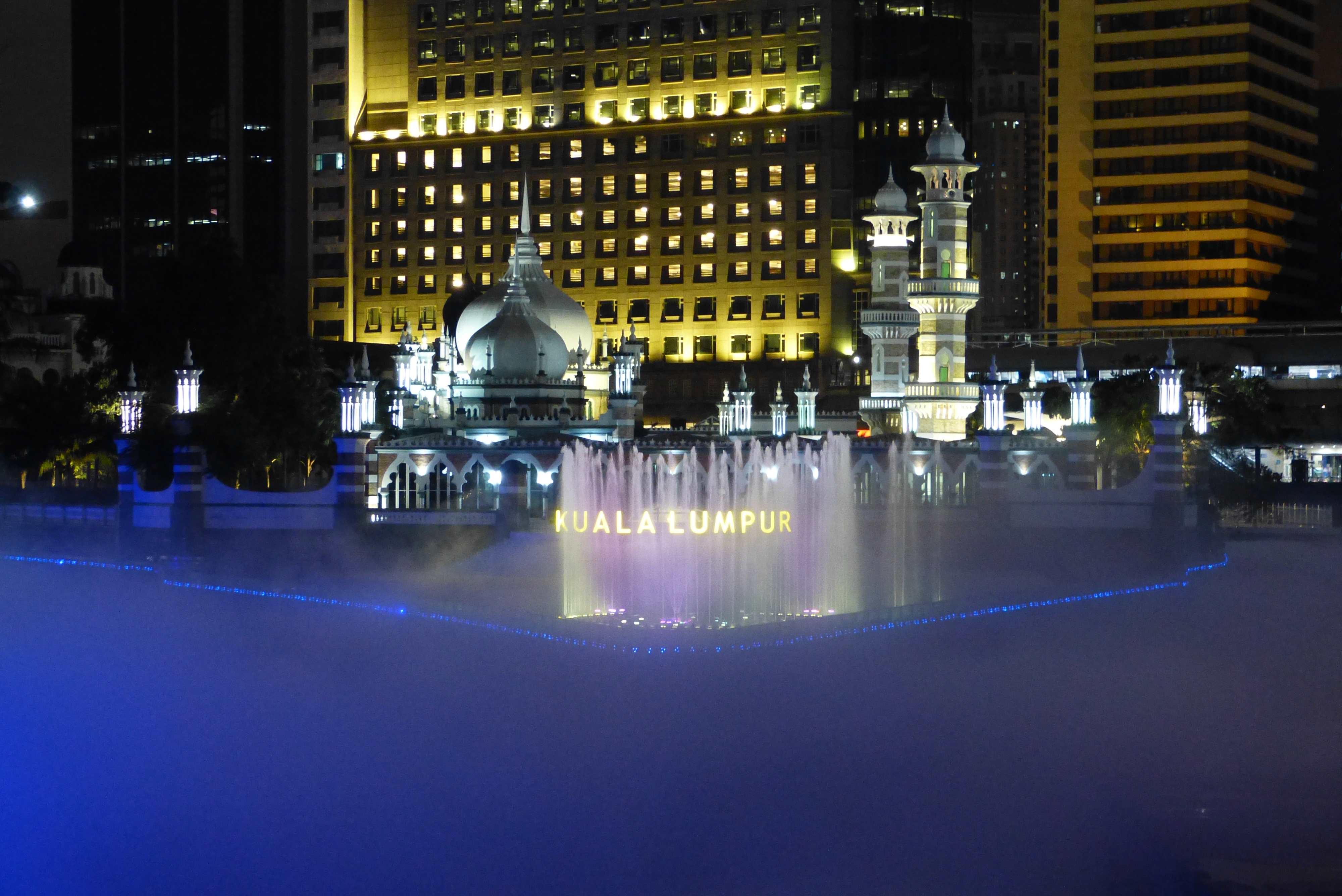
We spend one evening at the River of Life which is a fantastic place to learn about the colonial era and the history of Malaysia. It is a project to clean up the river Klang which was in a very bad state. This walk took us to the British colonial era with historical buildings at the riverbank. We felt like time travellers once more when the artificial fog created this amazing feeling to dig deeper to history. It’s like a magic veil that carries you to a different time and space. Right before Masjid Jamek which is one of the oldest mosques in KL is a beautiful spring fountain with a light and music show in the evening and that’s a great way to finish the day.

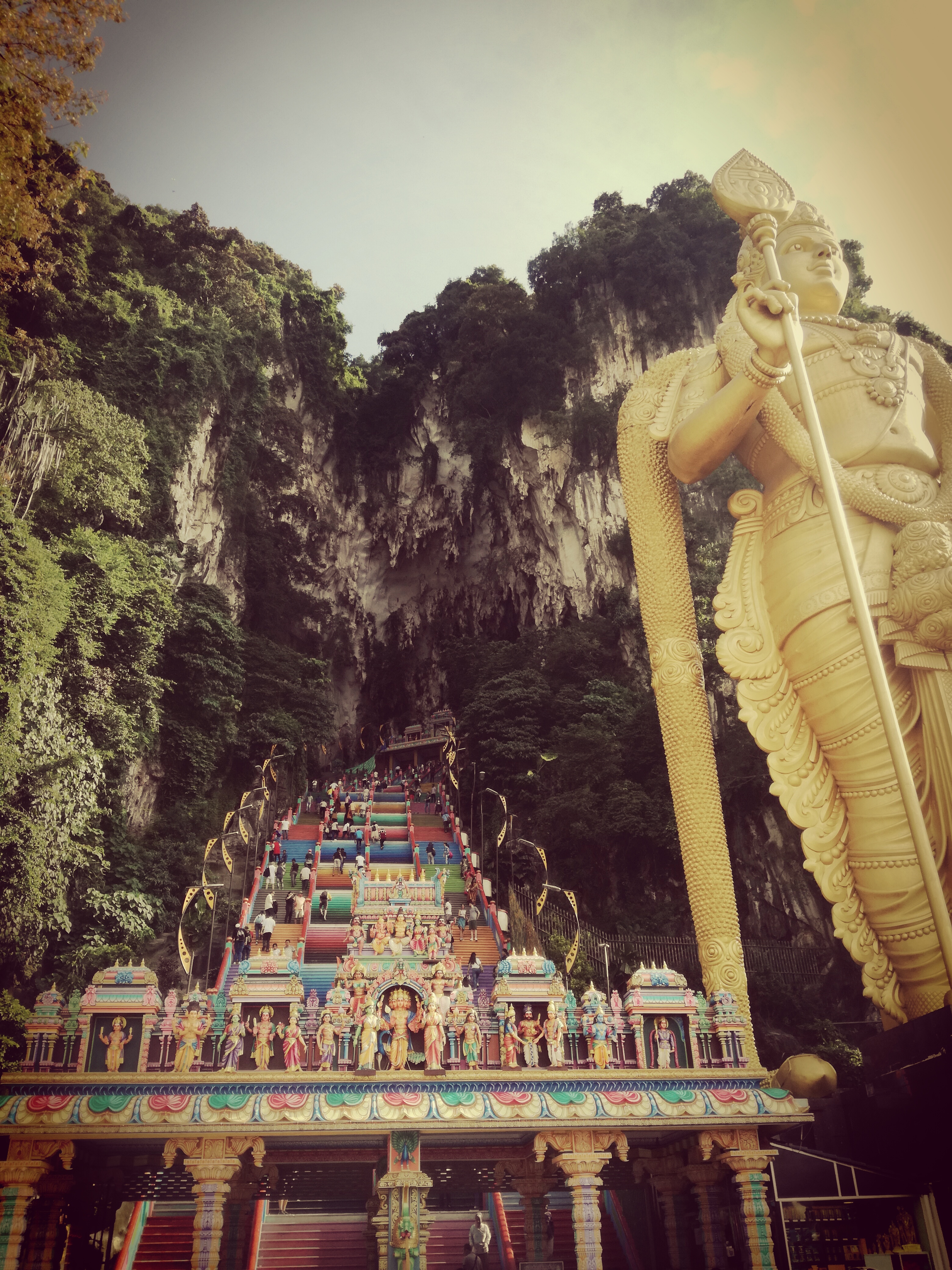
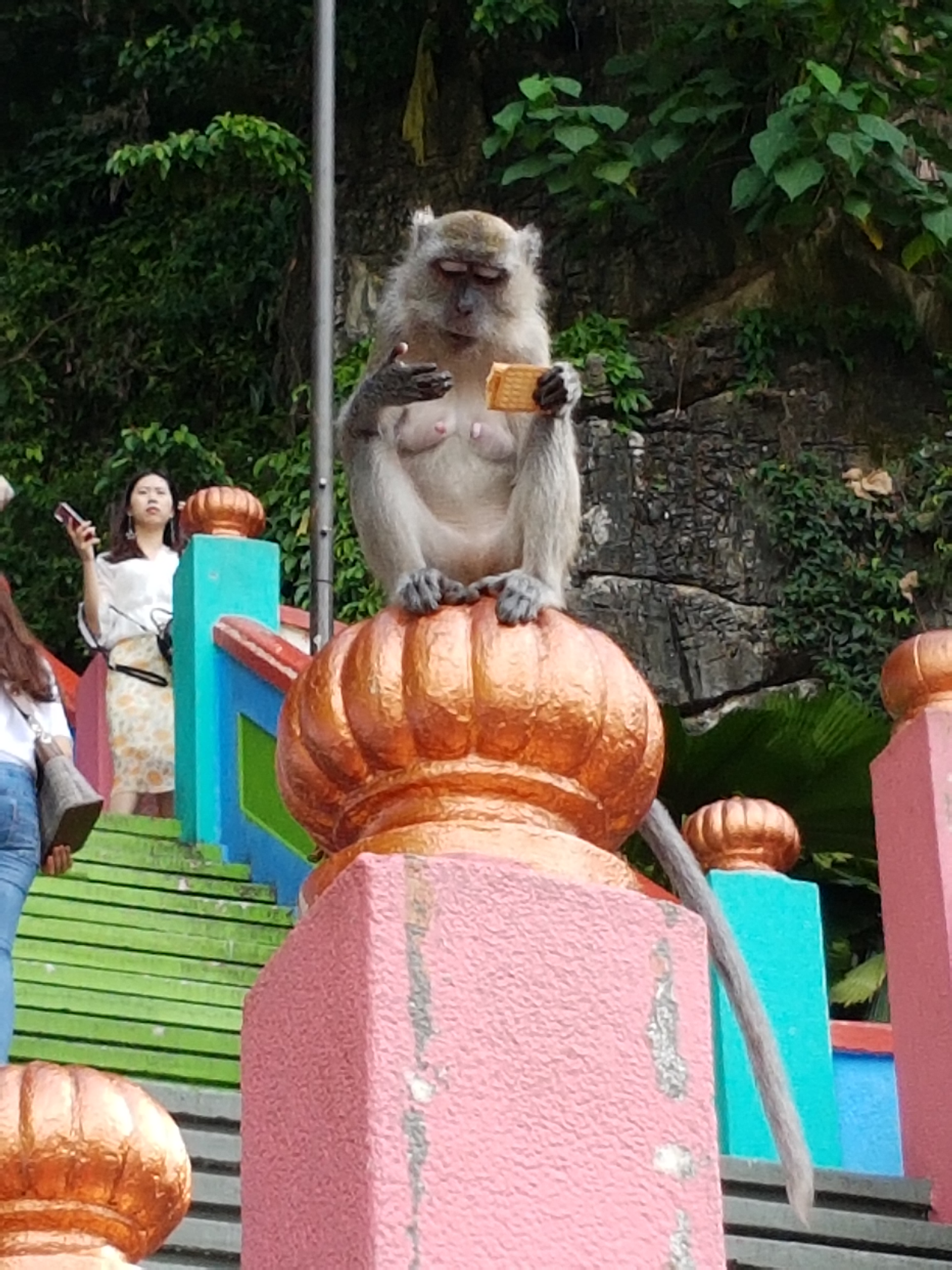
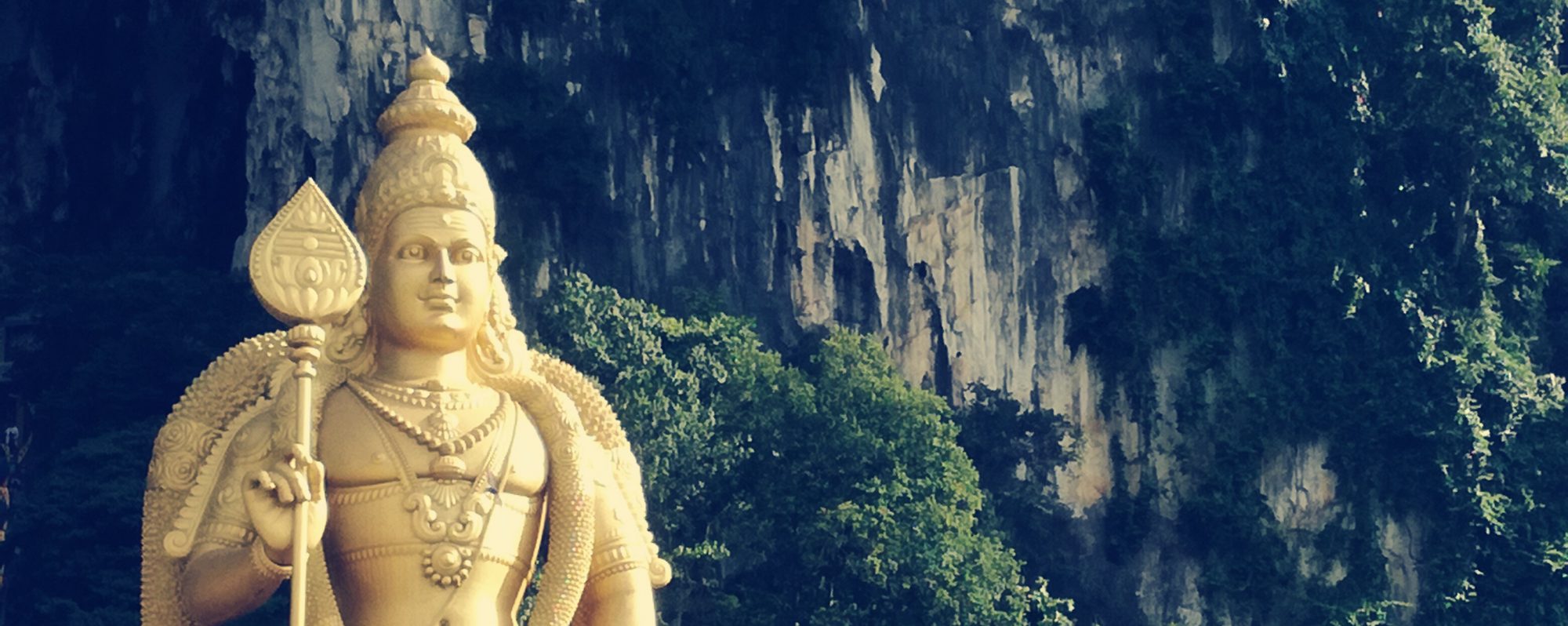
To get a better understanding of the countries’ multiculturalism we booked a little tour which took us to the famous Batu caves on the next day which are an important Hindu temple. We had a great tour guide who gave us further information about the sanctuary which was dedicated to Lord Murugan. Beware of the monkeys which loiter around the beautiful coloured steps and just wait for tourists to feed them! I really had to stay calm, because I knew these cheeky monkeys from Bali J The temple lies within a cave and is truly a masterpiece of craftsmanship, full of vivid colours and astonishing carvings. I was impressed and wondered how it was possible to build this temple within a cave!

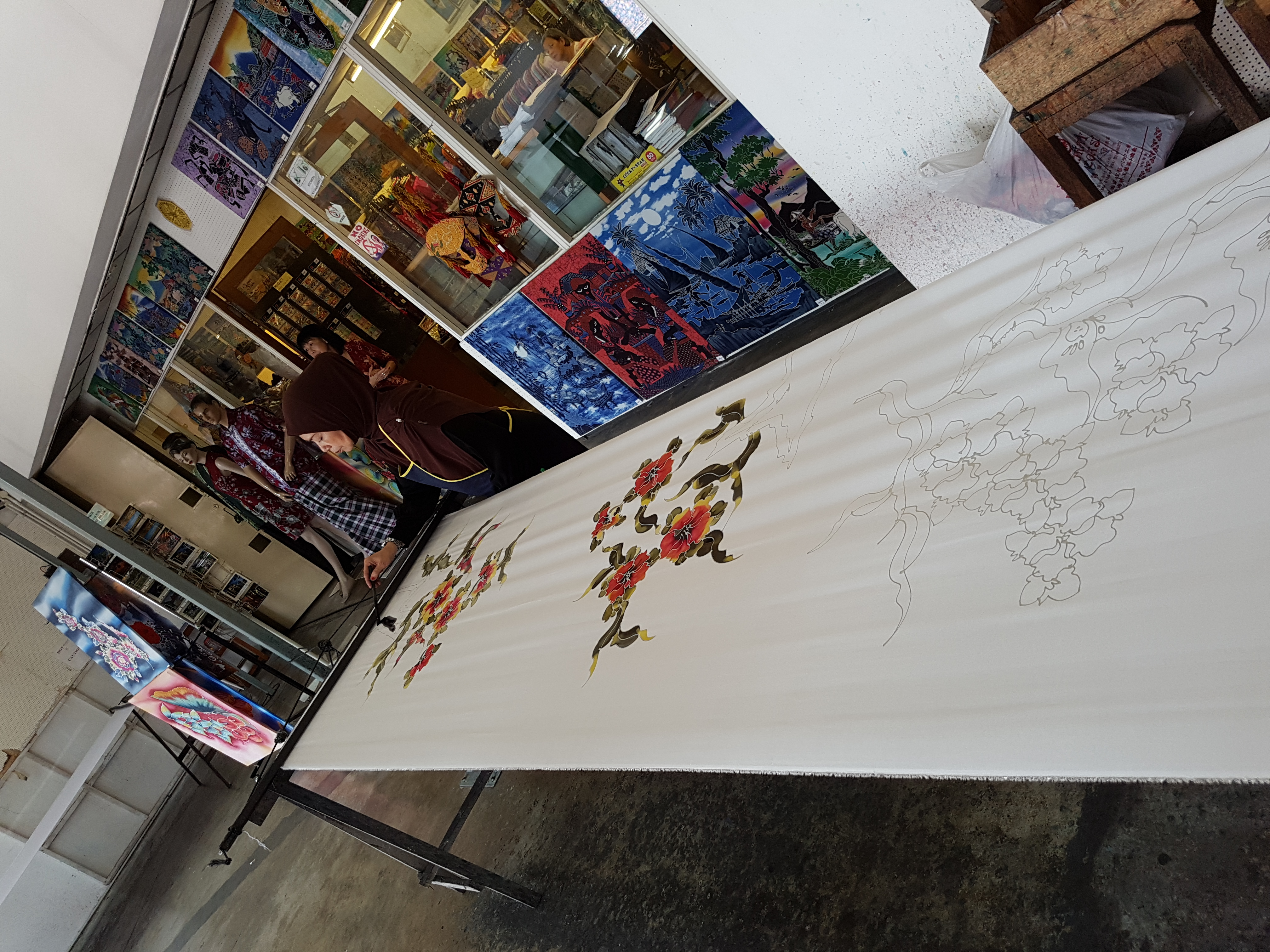
We continued our journey to a traditional batik dyeing manufacture where we could see how the traditional art of dyeing exquisite textiles.

Afterwards we continued to one amazing place.

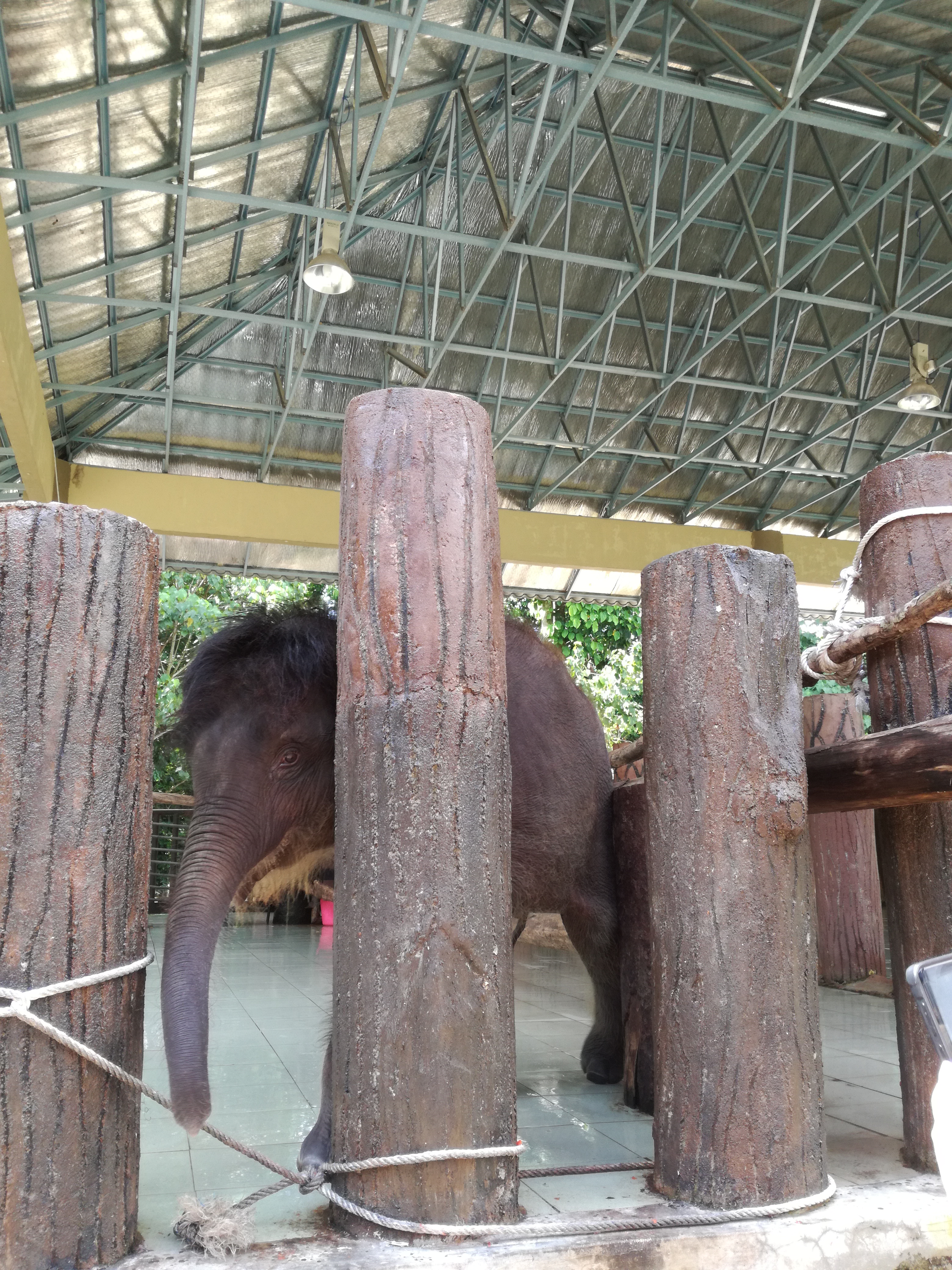
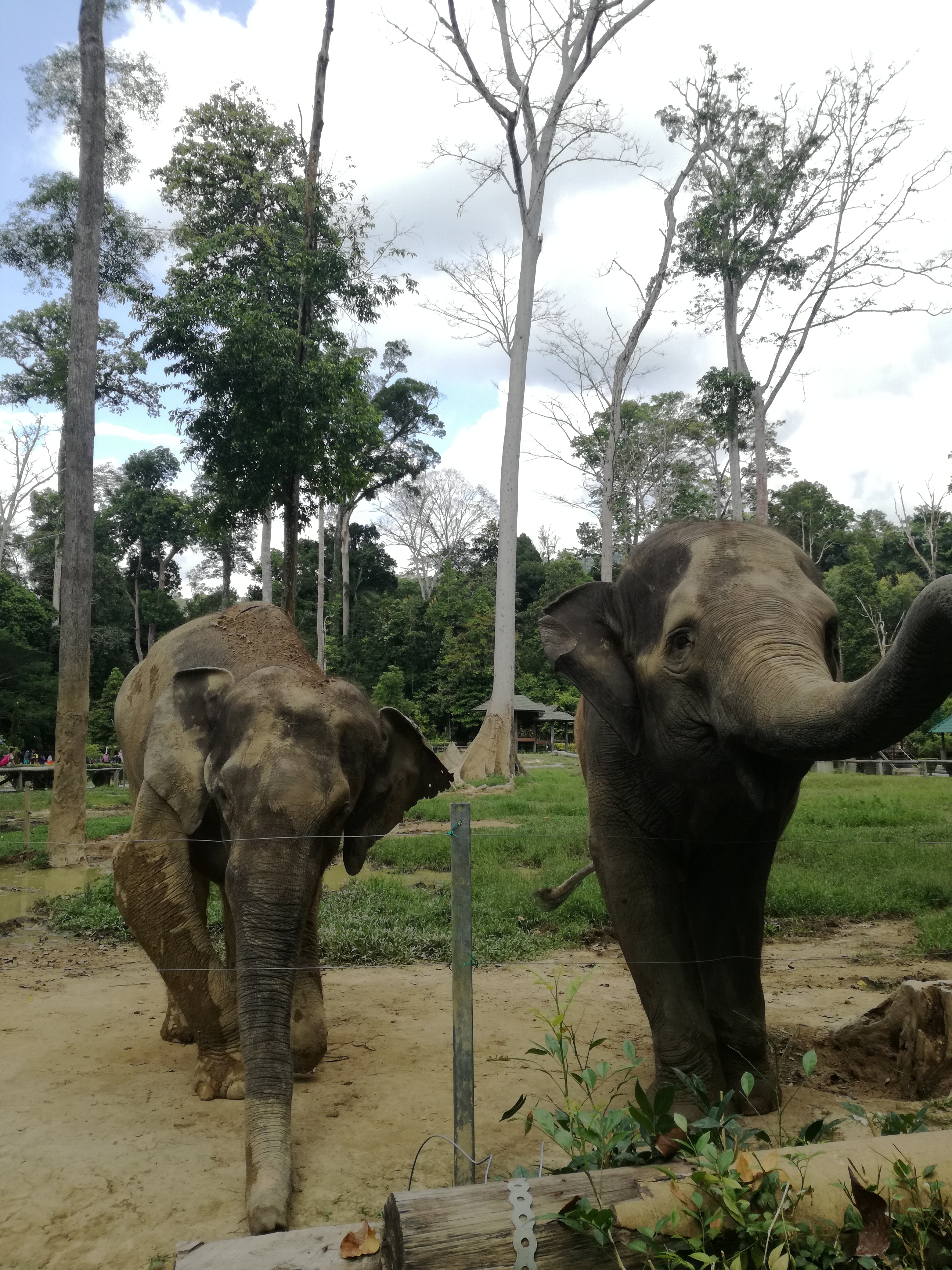
A site, I wasn’t sure it was a good idea to visit, was the elephant sanctuary Kualah Gandah. I knew that they helped these animals, but I feared that it might be a tourist attraction where the animals would be put under too much stress. But where could elephants stay, if their natural habitat was taken away from them due to the huge palm oil plantations?

And here it all comes together from what I observed from the way to Malacca. Before we took the decision to visit this sanctuary, I did a lot of research and I found out that this care centre was financed through the Malaysian government to help the elephants. Before we could see these gentle giants, we watched a movie about how difficult and dangerous it is to capture an elephant when they are lost in one of the huge plantations we saw on our way to the capital.

After this movie we could see and feed the animals and we really had the impression that they care for the animals, because only those with severe injuries and disabilities stayed in Kuala Gandah to acclimatize the new ones. The others were transported to live in a wildlife reserve. The only thing I refused was to take a personal picture with one of the calves. The sanctuary is depending on tourist donations, because they get limited financial support from the government. The visit was great to learn about the animals and their environment in Malaysia.

After Kuala Lumpur the stayed a bit longer in Johor Bahru near the border to Singapore. Why? The main purpose of our journey was a Chinese wedding as I mentioned beforehand. During this time, we used the possibility to talk to locals and to learn more about the life in Malaysia. It was also great to get a better access to local traditions and food which you won’t have as tourist.

The trip was truly amazing, because we got so many impressions and could really have authentic experiences with many deeper insights we gained. After all it was not enough time for me, and I wish to return and learn much more. In many ways it was possible to commit to sustainability, even though it was not possible in all areas.

The article doesn’t contain paid ads!


Tourism and COVID-19

How Your Community Can Empower Sustainable Tourism

Just a few words to introduce this article which I wrote during one of my voluntary engagements in the past year! It was inspired by a collaboration with a business incubator TheSpace for which I volunteer as coach to support a sustainable travel agency 2Morrow Trip! Enjoy reading!

SARS-CoV-2 and the resulting global lockdown and the travel restrictions are a massive shock to the tourism industry in every nation. It is estimated that tourism arrivals could fall by 20%-30% compared to 2019. Tourism is among the industries that are hit the hardest by the global pandemic [1]. 

But what exactly can be done in these tough times? This question was asked among our community members in Africa and Europe because we all are passionate travellers and explorers, who are now confined to one location.

Therefore, we started a video project that showcases our whereabouts with our unique perspective, so together we can break out of our daily routine. It is also a chance to develop myself and step out of my comfort zone. Usually, I do not produce videos or stand comfortably in front of a camera. 

The idea was to support a friend with his travel startup, but it developed into a video project that is meant to connect people, give them some hope and invite them to travel digitally during the lockdown. 

While working on this voluntary project, many thoughts and ideas came up, such as how the current situation could lead to more sustainable tourism after the crisis. 

As stated in Sustainable Development Goal No. 12: “Sustainable Consumption and Production Patterns: Tourism should develop and implement tools to monitor sustainable development impacts for sustainable tourism that create jobs and promote local culture and products [2].”

But with many jobs at risk and global travel restrictions current, support of this goal is difficult. What are we observing now and what could be applied to tourism after the crisis? 

Economically: 

In all our videos, we see empty places. Some of them are usually full of tourists, others are more rural areas where we can see a quiet and peaceful landscape. Do you ask yourself about the influence mass tourism has on local people and the environment? If you remember your last trip to one of your favourite places, you realized that it is also a popular spot for others. How did it influence your experience? And, did you ever think about the locals who live in such a tourist hot spot? In the time before SARS-CoV-2 we do remember many discussions about mass tourism in popular hot spots and here we see a chance to introduce you to places that are still unknown, but beautiful and rich in culture. Rural destinations, especially, are struggling these days, but raising awareness about them offers a chance for them to be discovered and to attract new visitors after the crisis [3]. In these areas, you will not find a mature infrastructure yet, but starting from nothing offers a fantastic opportunity to build a sustainable infrastructure from the very beginning. This could be a chance, especially for smaller hotels to strongly commit themselves to sustainability to attract new travellers. In times of crisis, there is a rising awareness about sustainability and our interdependence with nature as well. Because of the way many people are losing their jobs now, this might result in a decision-making process that considers the different dimensions of sustainability. It puts us in a position to thoroughly reflect upon this situation. One way or another, the reader must cope with this challenge her- or himself. Consequently, we should also contemplate our travel behaviour [4]. 

Ecologically: 

In terms of the influence tourism has on nature, it is often argued that external costs like CO2 are not considered in the pricing of tourism services, for example, flight tickets [5]. We currently observe a decline in CO2 and other greenhouse gases [6]. The emissions in China, for example, fell 25% at the beginning of the year, which resulted in better air quality in their cities [7]. Besides a reduction in CO2 emissions, it is also observed that fewer vehicles on the road cause less roadkill in the UK [8]. What can we learn from these findings? It is argued that nature should be part of the solution [9]. We may use these learnings to harmonize our actions towards nature and support the SDGs as well. This may result in a more sustainable lifestyle, not just for consumers but also producers and suppliers.

Socially: 

Travelling – most of us love discovering the world to get connected with others, learning about diverse cultures and yourself, while being lost in an unknown place. Whatever our reasons are, we are social beings, and nowadays we have to physically distance ourselves. Our video project cannot break this barrier, but it will give you the feeling of staying connected around the globe with like-minded individuals. We should not forget that we are in a comparable situation. We want to keep our hearts and heads up until we can see each other again. We can look forward with the knowledge that our curiosity and an open mindset are the keys to recreate the world more sustainably. 

One can conclude that with our project, we would like to engage, commit and be part of the solution for more sustainable tourism.   

Do you want to #hopinonline with us? Please reach out too for further information on how to engage in our video project. 

For more information, please also read the article from my friend, Krisztina Kapuvári.

[1] International Tourist Arrivals Could Fall by 20-30% in 2020

[2] Goal 12: Sustainable Development Knowledge Platform

[3] A Call for Action to Mitigate the Socio-Economic Impact of COVID-19 and Accelerate Recovery

[4] Tourism After Corona: Impacts of COVID 19 Pandemic and Way Forward for Tourism, Hotel and Mice Industry in Sri Lanka

[5] (2007): Dr Susanne Becken, Prof. John E. Hay; Tourism and Climate Change: Risks and Opportunities 

[6] Carbon Emissions Are Falling Sharply Due to Coronavirus. But Not for Long

[7] Will COVID-19 Have a Lasting Impact on the Environment? 

[8] Climate Crisis: In Coronavirus Lockdown, Nature Bounces Back – but for How Long?

[9] As COVID-19 and Nature Are Linked, so Should Be the Recovery

Authored & Published by Stephanie K. | Illustrated by Oğuz Yılmazlar |Edited by Gergely Lázár & Lee Vallance |Supported by Amazon, Facebook, Instagram, LinkedIn, Substack, Twitter & WordPress 

PaleBlue.WhatAreYouStillWaitingFor.Space

© 2020 WAYSWiFt Works

SUBSCRIBE

How do you benefit from travelling sustainably?

A topic I truly care about is sustainable travelling, not only because I got a travel bug from an early age, but because I want to preserve the possibility to explore the world for future generations.At the end of April I did my first AlumniTalk about that topic and I would like to showcase some benefits which a more sustainable travel behaviour is offering to you.The reason why we should care is obvious, so I’ll skip this part for the moment.

Actions against climate change: Your decision is making a change! Instead of taking a short haul flight, why don’t you take the train? It sometimes provides some unexpected surprises and gives you some time to relax, work or slowdown. Even if you take the decision to book a flight, you may check the possibility of a direct flight and you can also choose to do a CO2 compensation. It is offered by different companies which invest your money in planting trees or help people to use and implement green technology.

• Enjoy travelling in different and surprising ways and change your perspective: It’s strongly connected to a change of your perspective when avoiding the crowds, talk to people and eat some food you never experienced before. You may discover new places and hidden pearls, meet new friends and collect some unforgettable moments.

• Commitment to the Sustainable Development Goals: You can actively support the agenda 2030 and help to act in a more sustainable way! Demanding sustainable goods and services helps to create more jobs in sustainable tourism and a wider range of new sustainable services.

• Consciousness and learning: It may take some time to plan your trip or to prepare a bit, but you may understand the local culture maybe a bit better than others. Onsite your destination of choice you can also visit local markets or take some time in a museum to learn about local culture or different ways concepts of living. Whatever you expect and you want to learn from your journey, it will be a fantastic experience or a surprising insight of your own travel behaviour (for example: have you ever asked yourself how much CO2 you produce during a journey?)

What are your sustainable travel experiences?

Thank you very much for reading and happy travelling.