The main purpose of this trip was to attend a Chinese Wedding in Malaysia, but of course, we did a little backpacking in addition to this event to discover two megacities and learn more about sustainability from a different perspective.
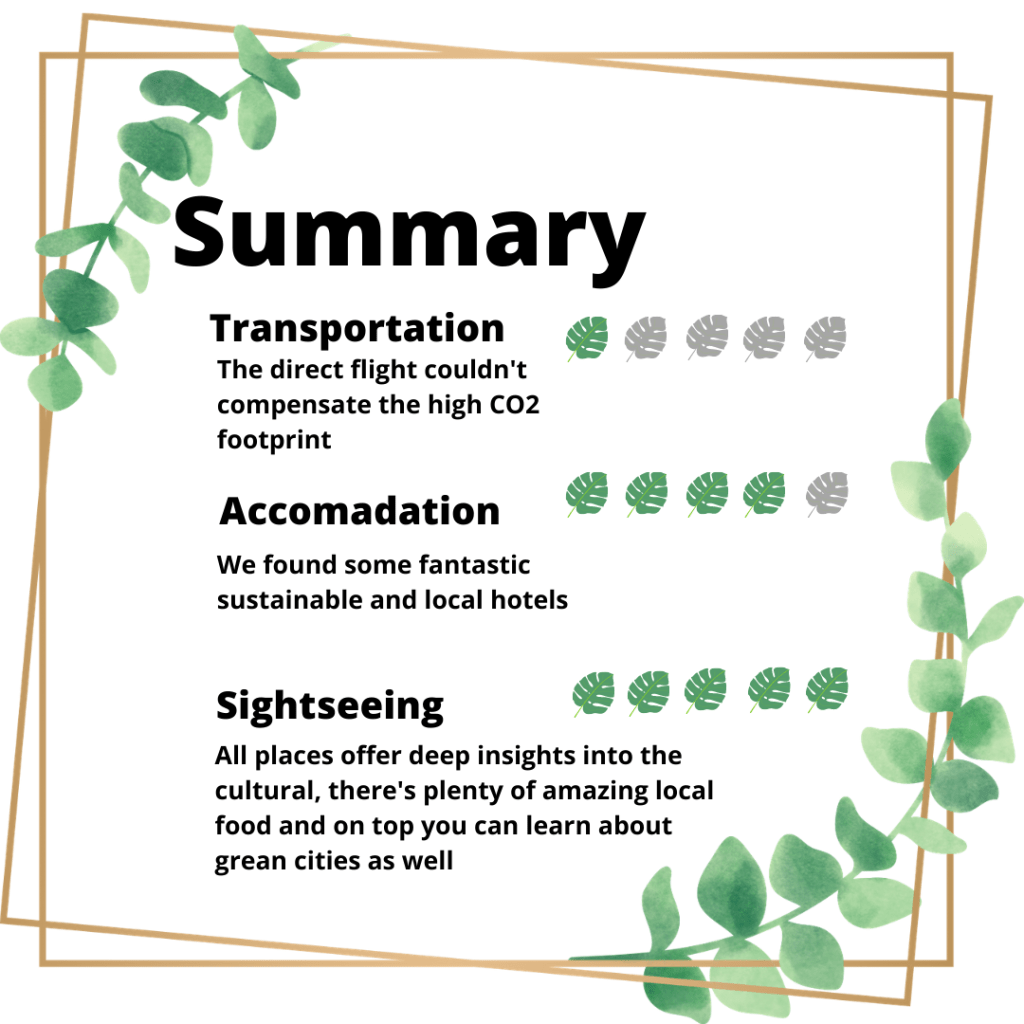
Travelling to Singapore and Malaysia causes a bigger CO2-footprint than a trip within Europe. But, if you want to go abroad it’s much better to book a direct flight, because most CO2 will be emitted during take-off and landing.
Therefore, we booked a direct flight with the flag carrier of Singapore to have a less negative impact on the environment, which was very pleasant.
Singapore
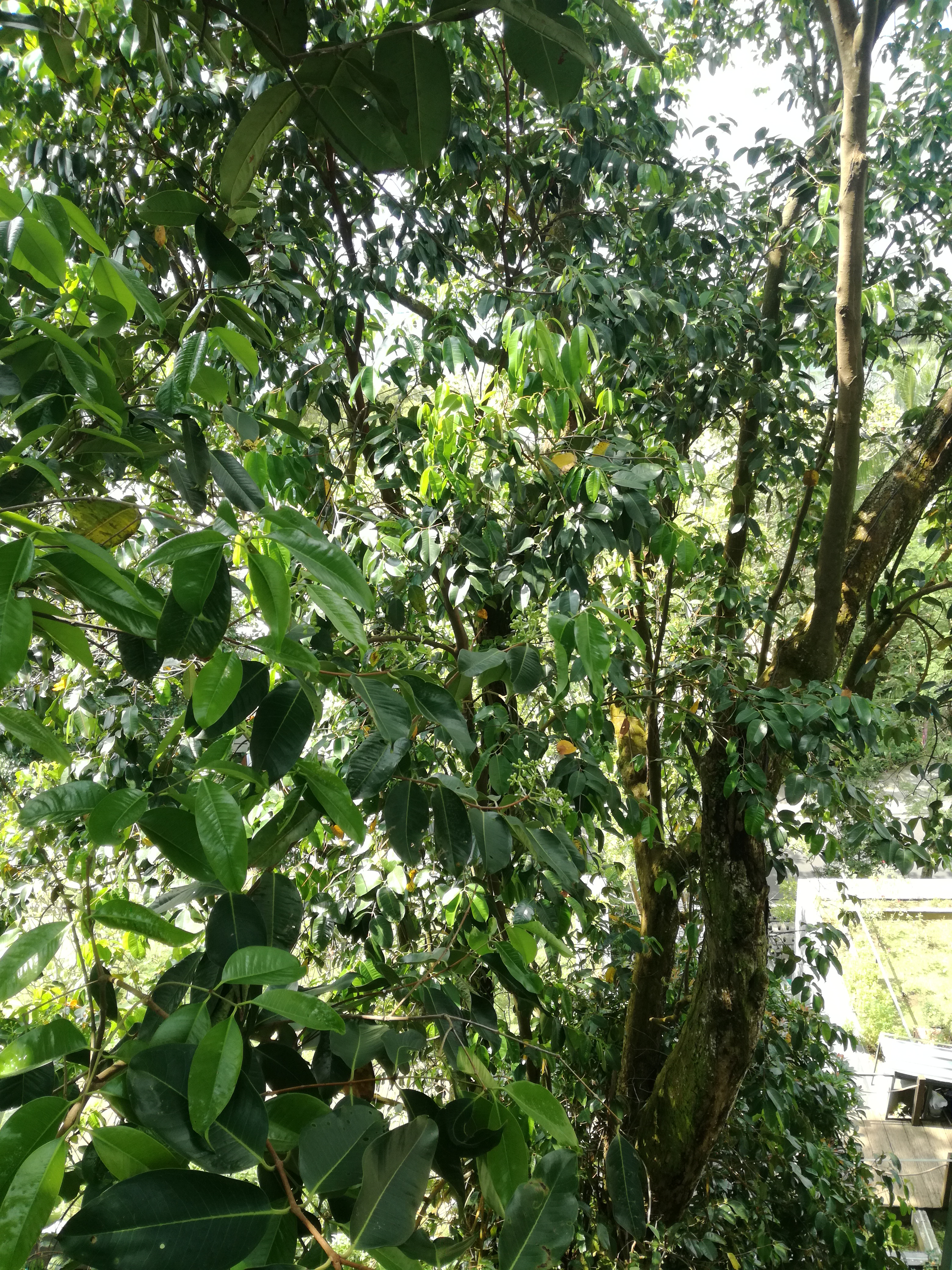
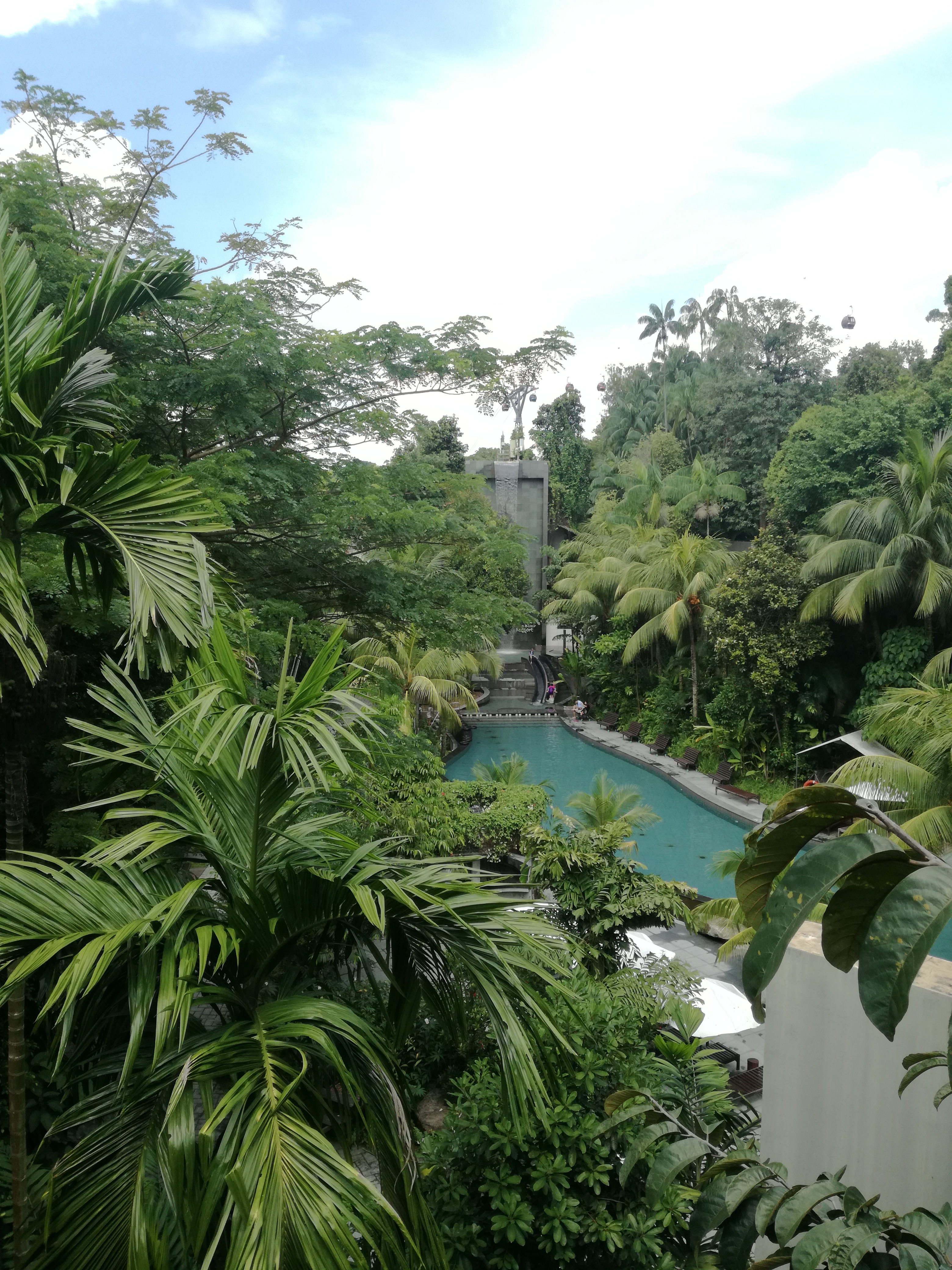
After a 12-hour journey we were happy to check in at the Siloso beach hotel at Sentosa Island. A green oasis surrounded by the sound of the jungle and with its own waterfall, this green hotel claims to be a sustainability hub.
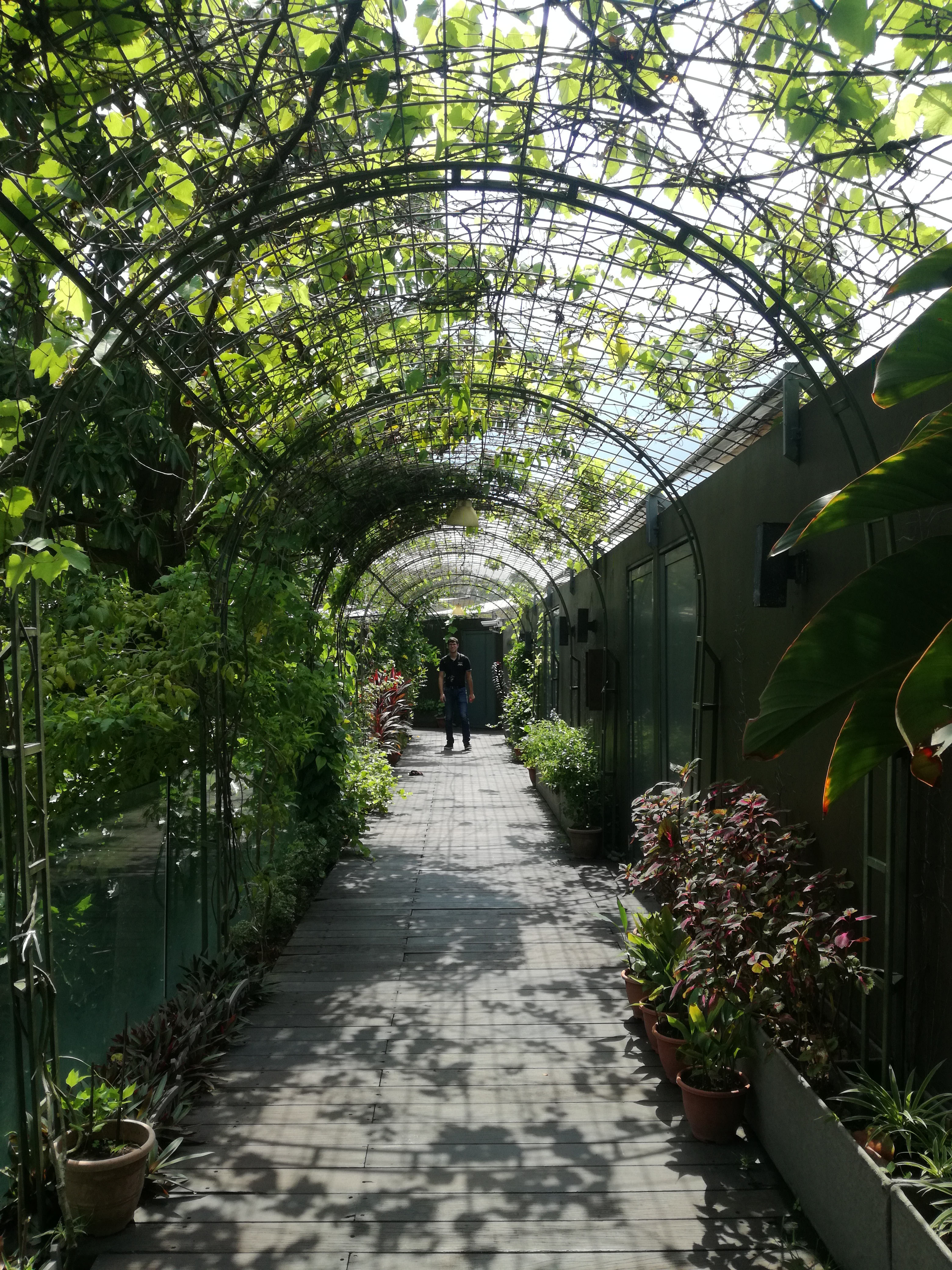
How did they achieve this? On a guided tour through the hotel everything was explained and shown to us. First of all, the whole building is built on stilts and the natural topography was preserved. Leaving the natural wetlands untouched provided a natural protection against mosquitos thanks to the frogs you really don’t need chemical protection against mosquito bites. Furthermore, no trees were cut down for its construction, it is a real marvel to see how the trees grow right through the villas and the building. On their rooftop garden they grow their own flowers for decoration and herbs to season their fresh organic food. Their plan is to expand and even grow their own vegetables. By the way food, their healthy and delicious breakfast gave us energy for exploring the city.
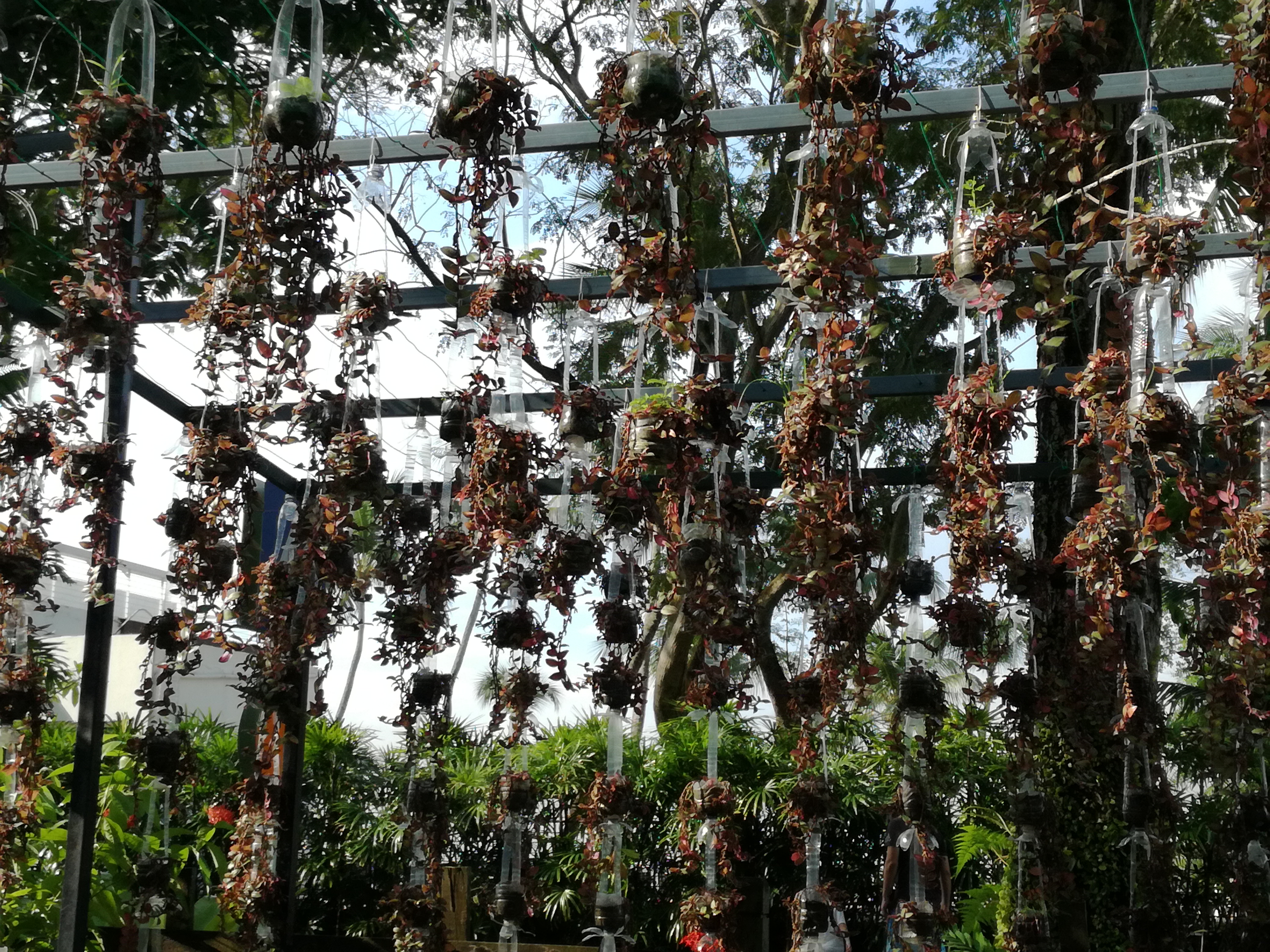
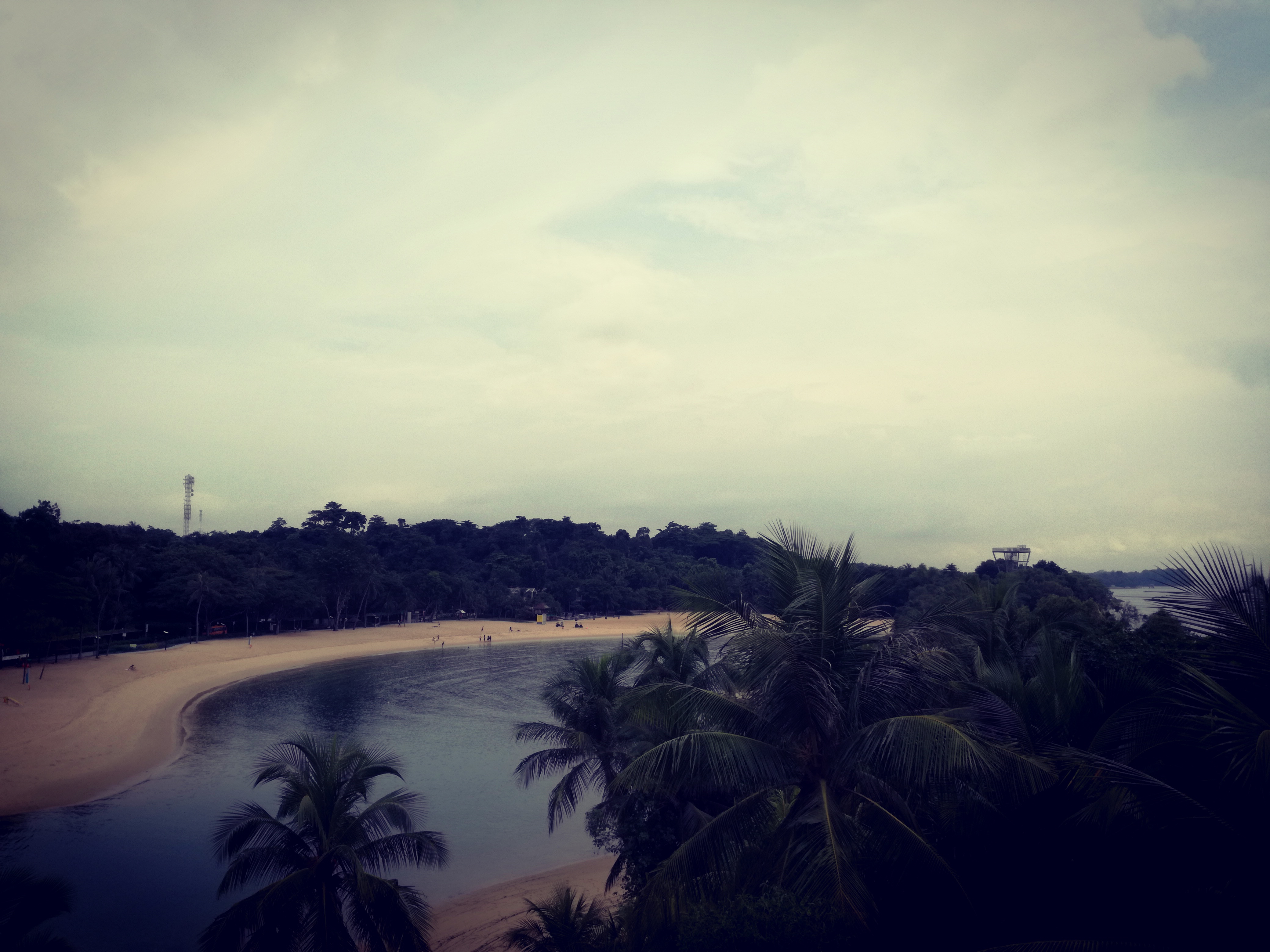
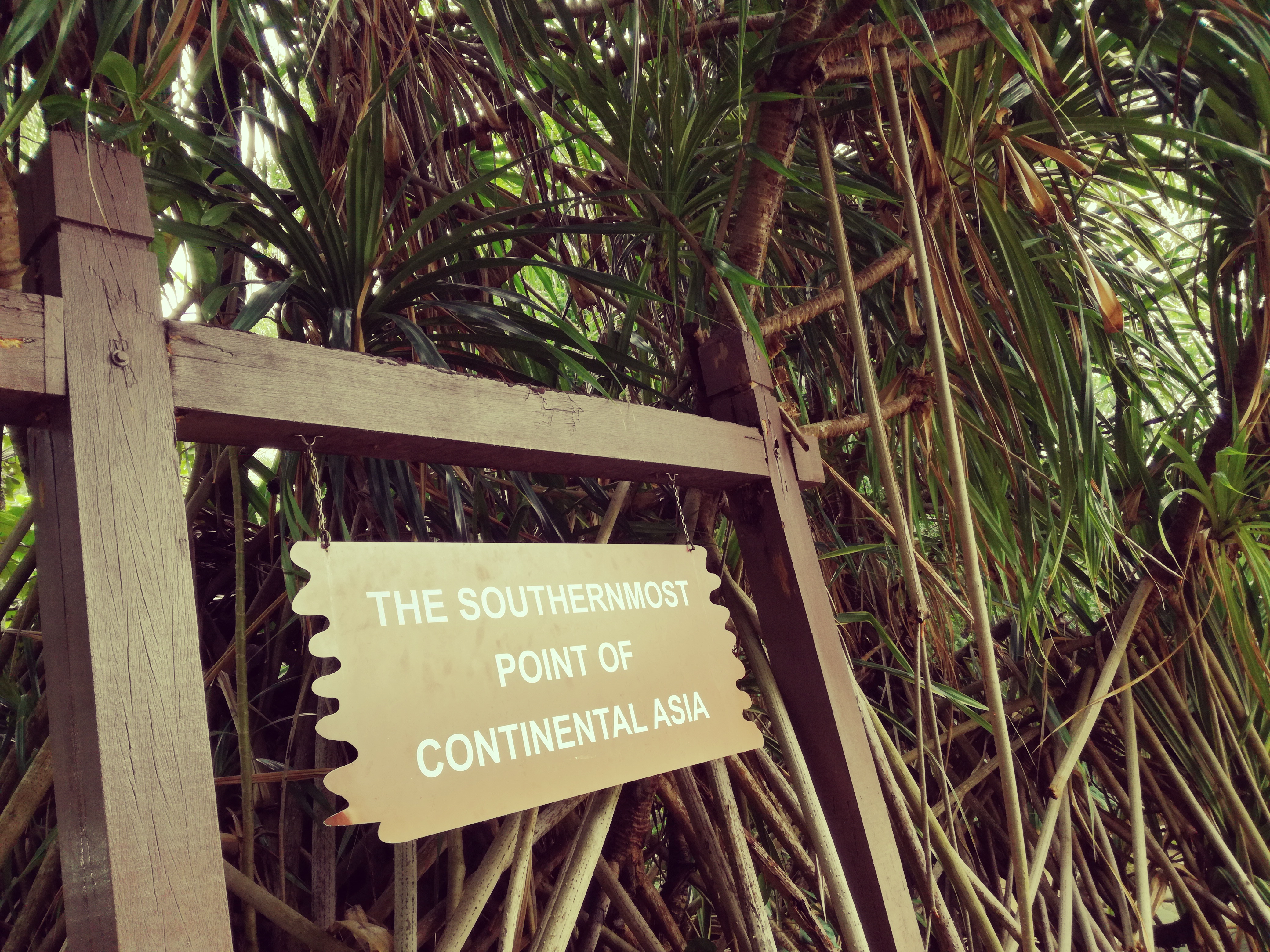
Since Singapore is a metropolis defined by the limits of its island, a well-oiled public transportation system is indispensable and was also our choice of transportation. But for our first discovery we set of on foot. Strolling along the beaches of Sentosa Island, enjoying coconut ice cream we headed to the most southern point of continental Asia (because it is connected by bridges).
The first stop outside of Sentosa Island was Chinatown and after the first impressions of Singapore we suddenly got quite hungry. A nearby food court offered delicious fresh food which wasn’t so easy to choose. The district is vivid and colourful and for a first day we got a lot of impressions. The evening ended at the harbour with a marvellous view of Singapore’s skyline which we won’t forget so easily.
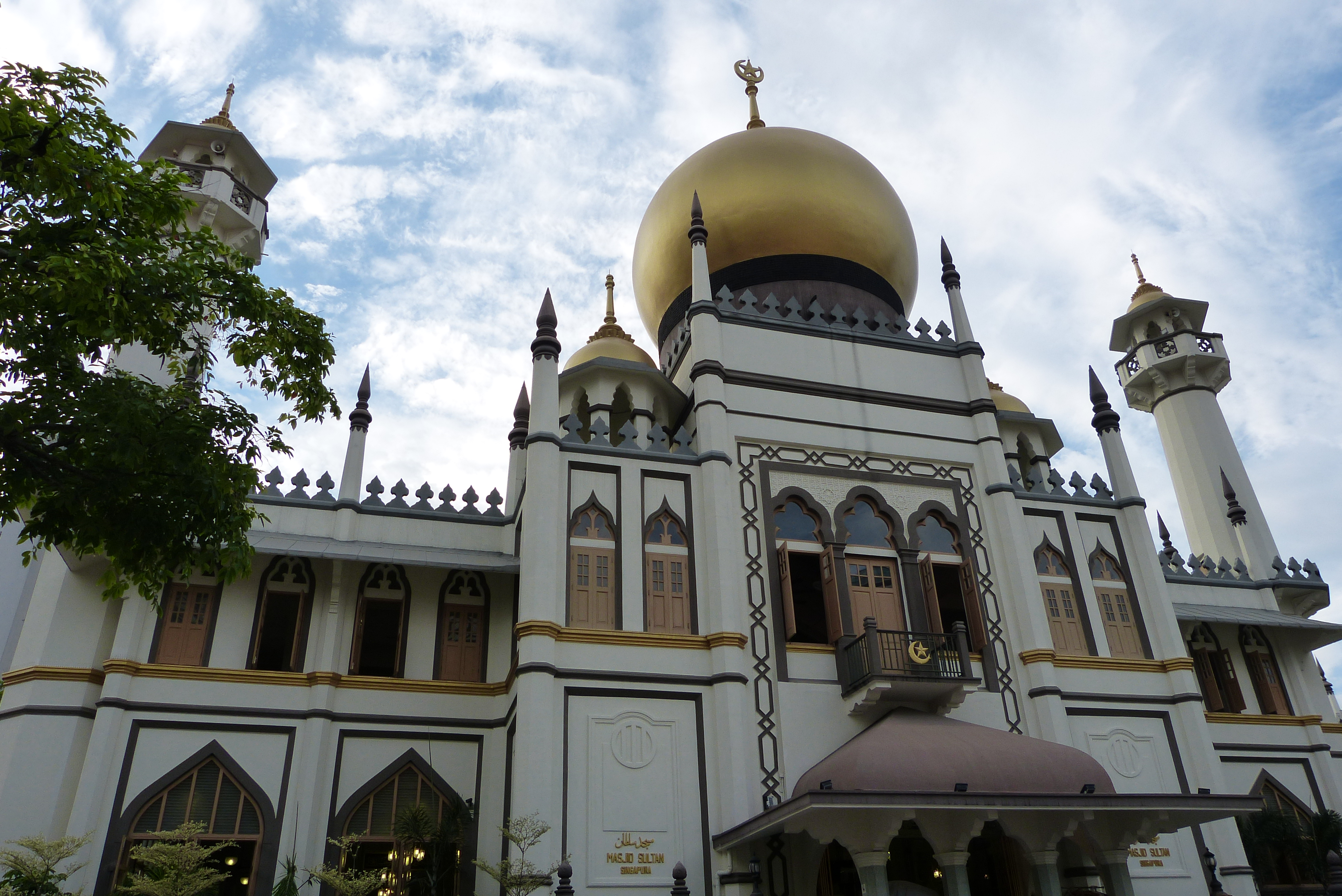
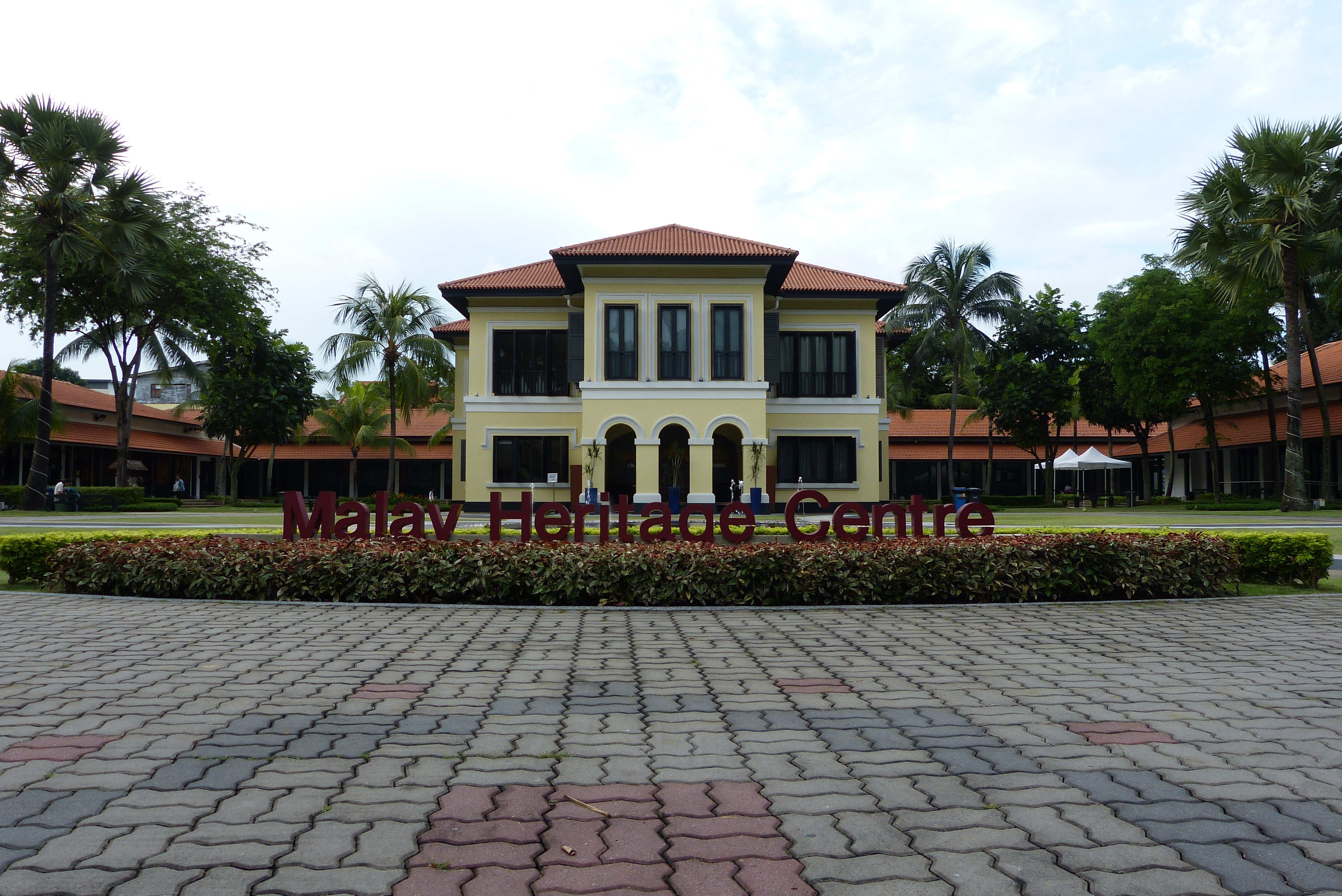
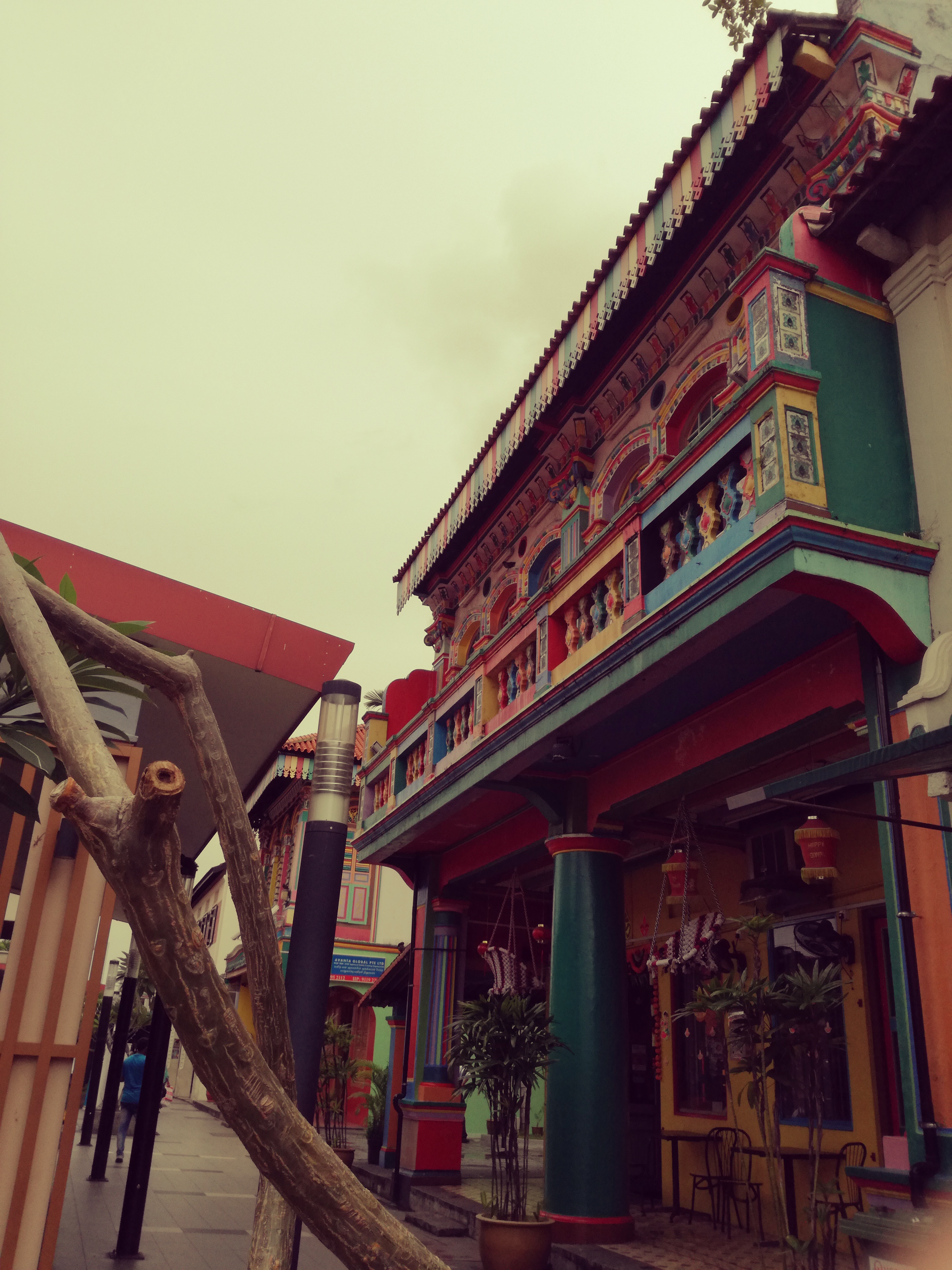
The next day we headed towards Little India with its many shops offering everything from colourful fabrics to beautiful jewellery and impressive Hindu temples. After some light shopping we took a small break to have some fresh Indian food. It was delicious, spicy and even though I haven’t been to India, yet, it was fantastic to have a glimpse into this amazing culture. We continued our route to Bugis which is vivid and full of amazing shopping opportunities and went to Kampong Glam. The Masjid Sultan Mosque is one of the most important mosques in Singapore and was an important centre for culture, arts and trade in the 90ies. Around it are many streets which took me back to a time when I travelled to Egypt and Turkey. The nearby Arab Street was full of lovely little shops and for a moment I had the impression that I made a little trip around the globe. But it didn’t end here yet. We walked on to the Malay heritage centre. In front of it we took a rest for a moment and wondered if we were still in the same city. What a city! So many cultures at one spot!
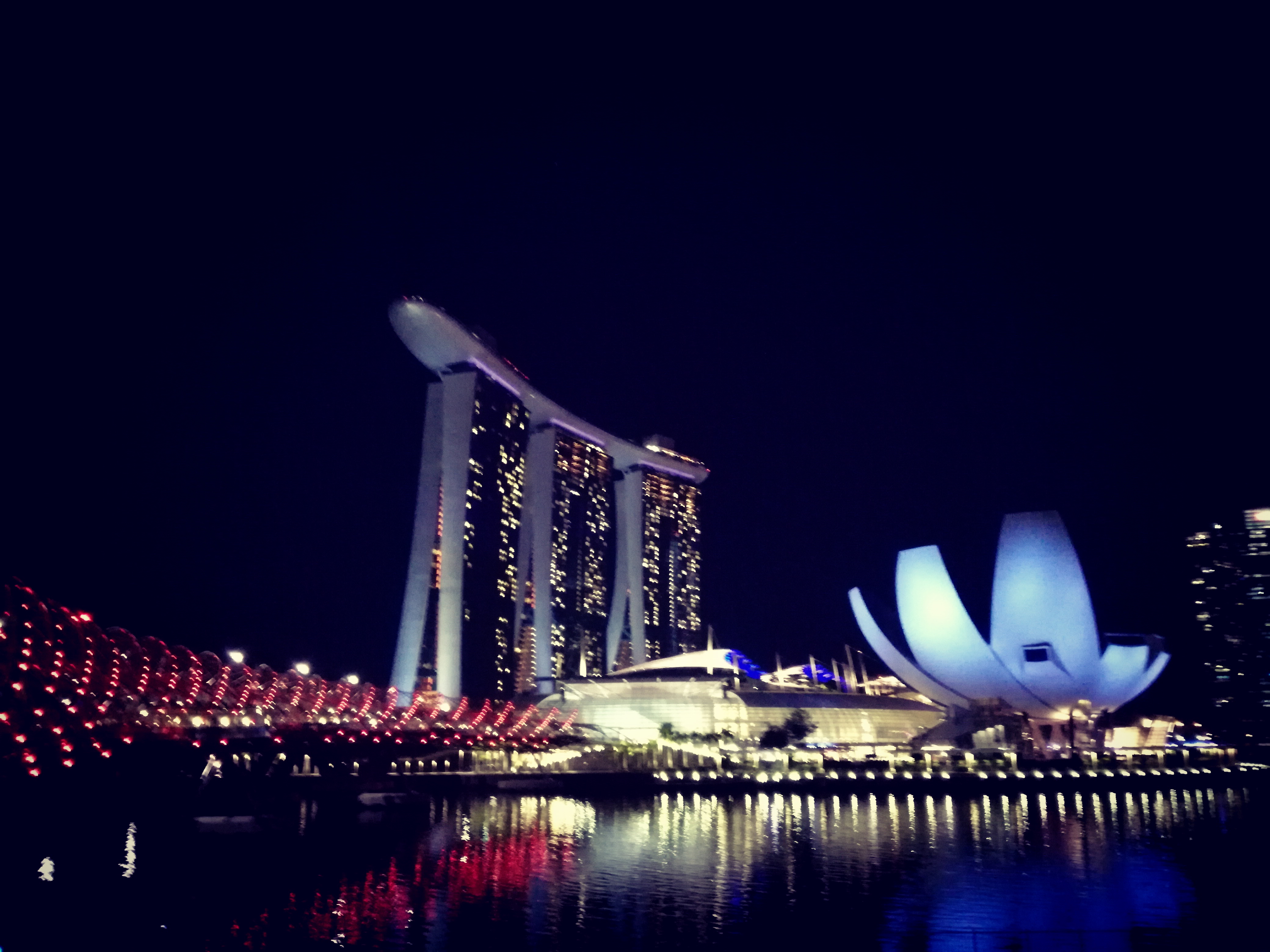
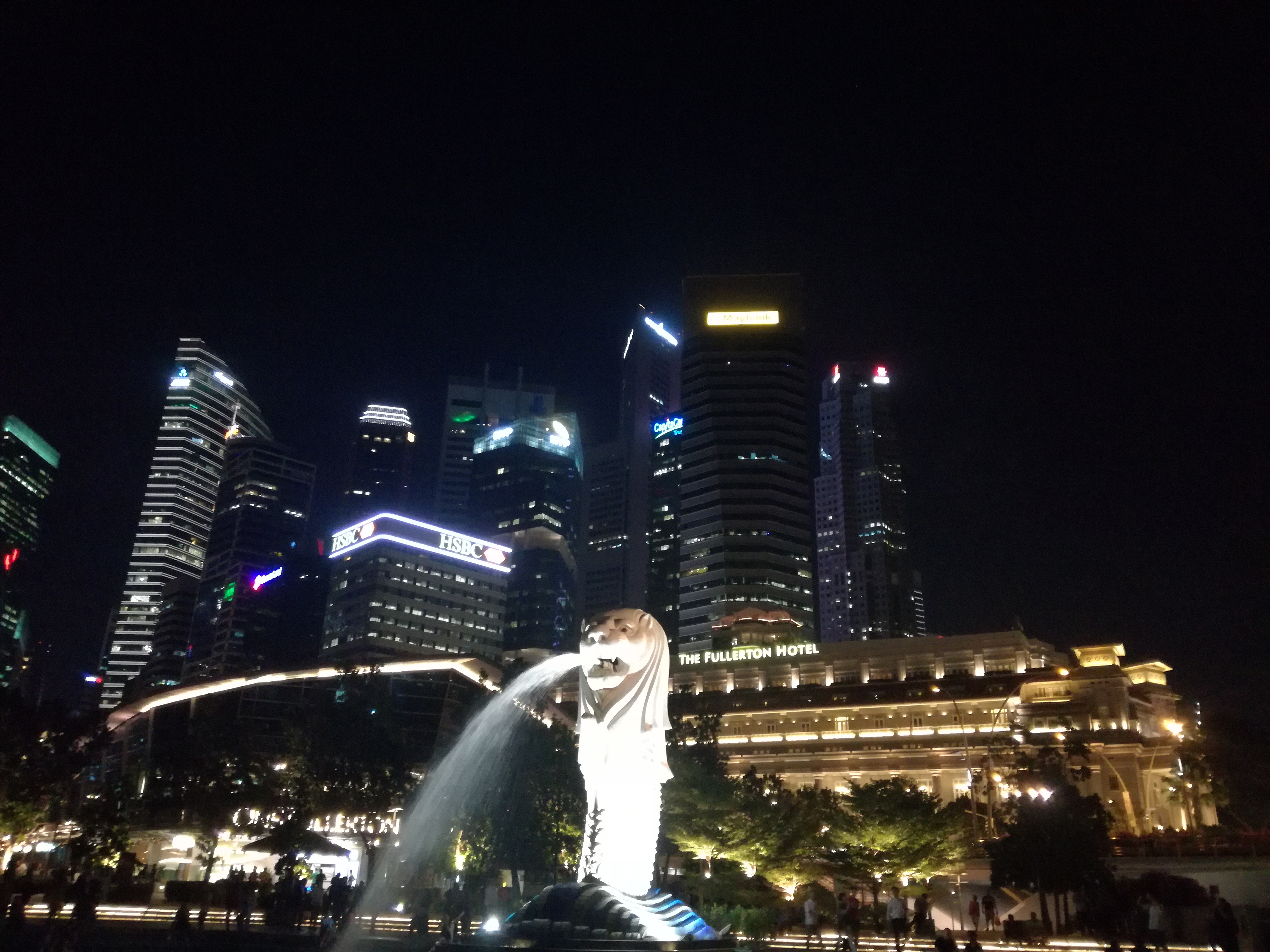
After all these overwhelming impressions we enjoyed the light and music show at the Super Trees which you can relish twice per day. It was very relaxing and amazing to learn that the Super Trees are vertical gardens and some of them even have solar panels. They contribute to a sustainable power generation and provide the city with energy. I have to admit that we didn’t manage to visit the Cloud Gardens and The Flower Dome which will be on the list for a next visit. But we continued our stroll across the Double Helix Bridge and said hello to the Merlion, Singapore’s mascot, and stayed for a while to savor the beautiful skyline once more before we had to leave the next day.

Our motto was to eat like a local because that is the best way to dive into the many cultures, in my opinion. Singapore is famous for its many hawker centres! The food there is local, fresh and it can save you a lot of money, since they are regularly frequented by the locals.
What would a Singapore trip be without some famous noodle soups! Therefore, we visited a street food stall with a Michelin star: Hill Street Tai Hwa Pork Noodle. If you don’t especially enjoy liver you might give it a pass, because even though the noodle soup was delicious, I just don’t like liver 😉
Sometimes you are in the mood for a dessert and we came across a very crazy looking café. It was one of the weirdest cafés I visited so far: The Gudetama café whose mascot is a little yellow egg from Japan! And even our cheesecake was decorated with the little sad egg which won the hearts of young and old!
Personally, what impressed me the most after these three days was the amazing architecture and how it created a harmonic symbiosis with the Gardens by the Bay. It showed me how technological progress can be applied to build a resilient and sustainable city that provides enough space for nature and people.
Malacca and a coach ride with learnings
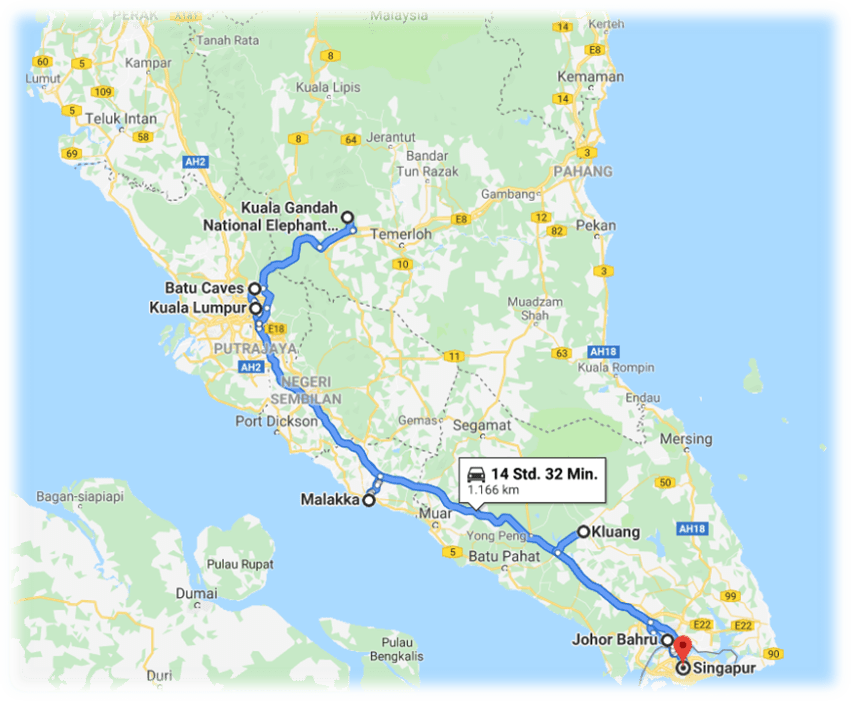
After three days in this amazing megacity our journey took us to our next highlight: Malacca, a UNESCO world cultural heritage.
Malaysia is much bigger than the small island state of Singapore. Infrastructure is quite different, and transportation relies mainly on road traffic. So, we hopped onto one of the many coaches connecting the cities all over the Malaysian peninsula.
While we prefer a train ride, we still got to see a lot of the country and I had some important learnings. Something I recognized during the bus ride were the many and huge palm oil plantations which influence the environment and the local wildlife and how devastating that could be, as we learned later.
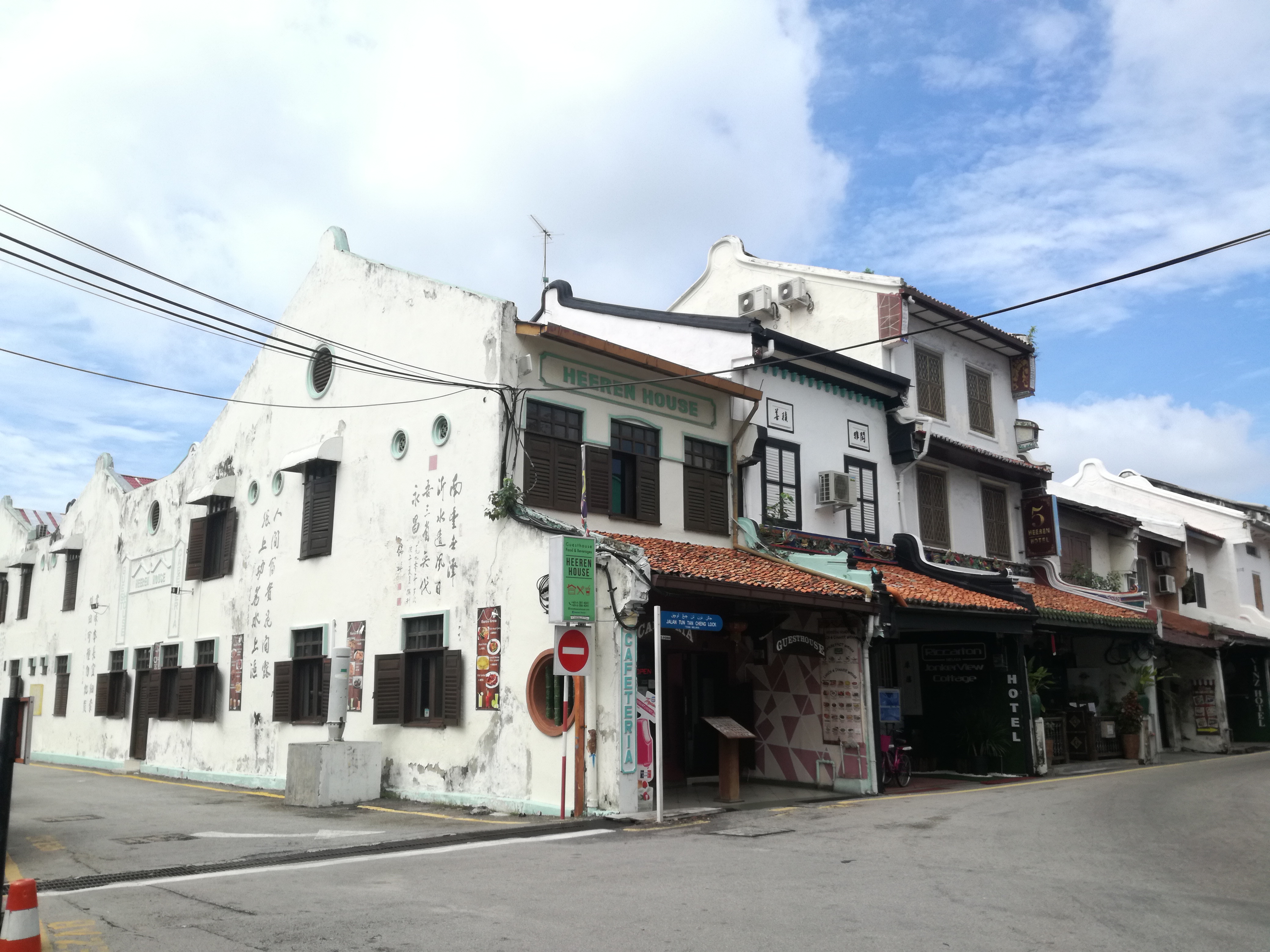
As curious and sustainable travellers who want to make the best of every journey, we booked a local homestay which was called “Heren House” right beside the river and closely to the famous Jonker street. The guest house within an historical building offered an authentic glimpse to the life of local people. The rooms are equipped with traditional wooden and massive furniture. The staff was really friendly and helpful. The experience was authentic and even more individual as we supported the local economy.
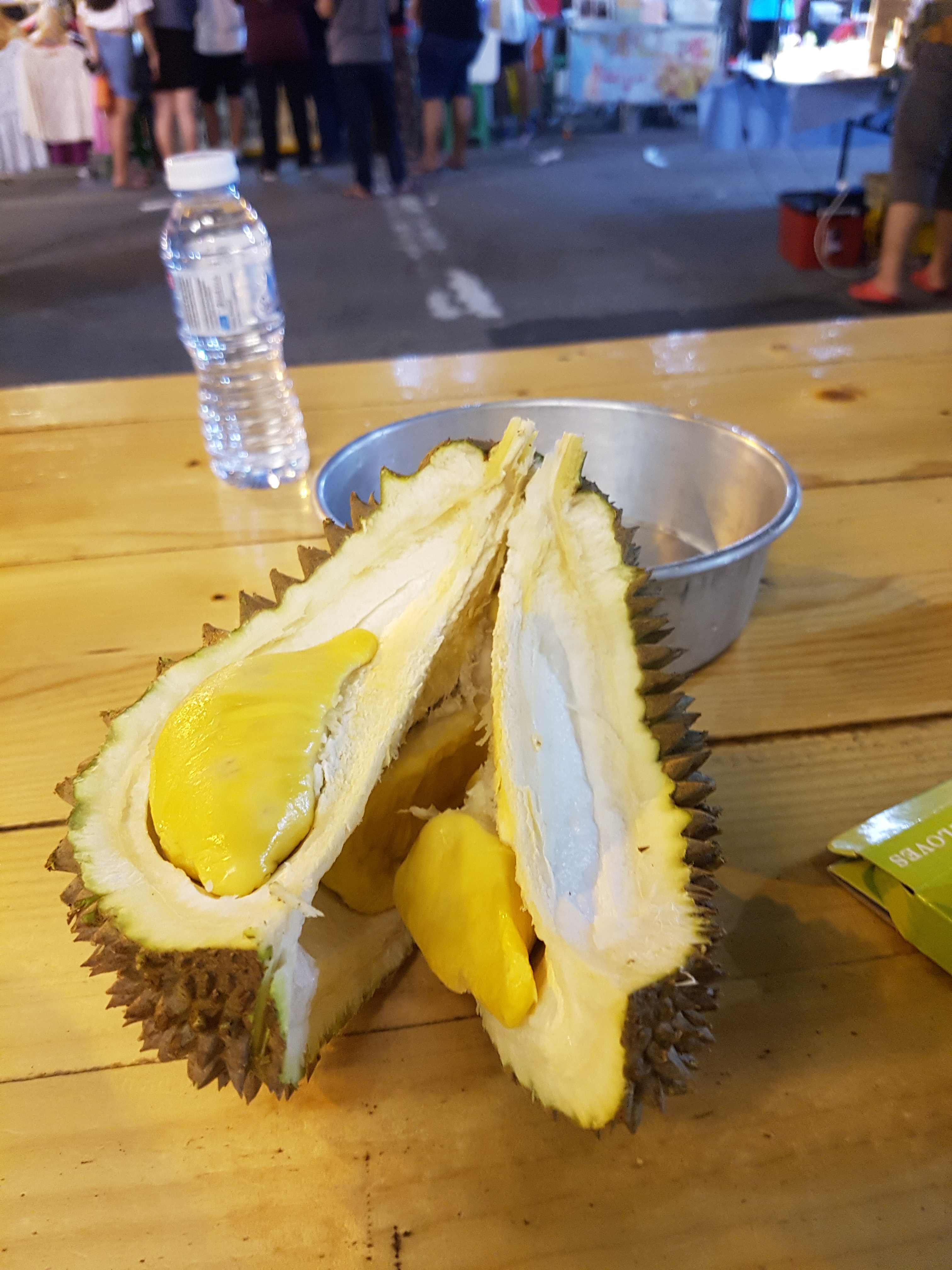
Malacca was fantastic to go to the night market at Jonker Street in the middle of the Chinese district with a variety of local and fresh food and lots of opportunities for shopping. Of course, I needed to try something new and different. A very special and smelly fruit which you recognize before you’ll see it: Durian! The first Durian in my entire life and it was maybe my first break out of the routine moment during this holiday.
We dedicated one day to the rich history of Malacca! It was influenced by the Dutch, the Portuguese and the British, so get your time machine started!
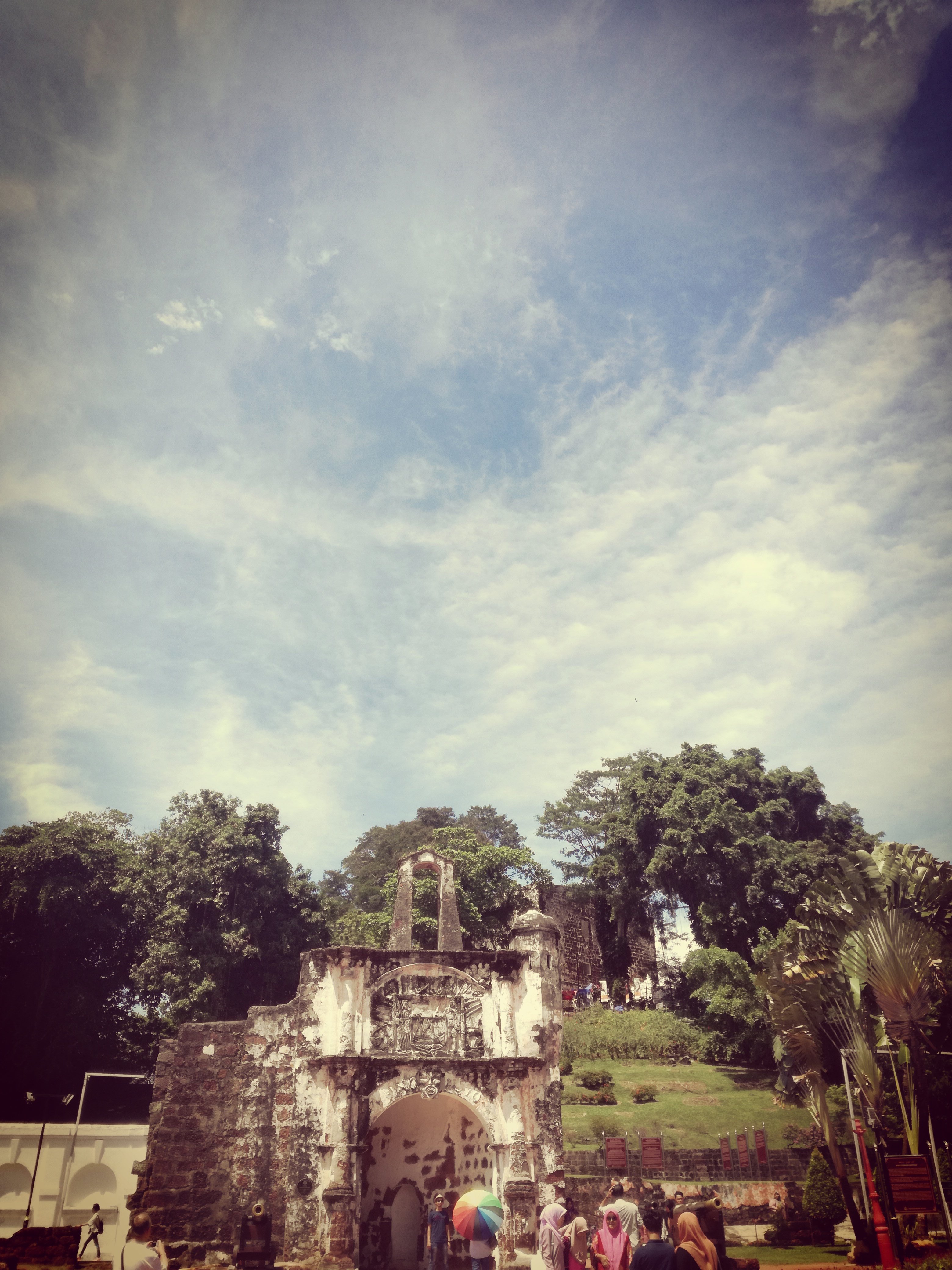
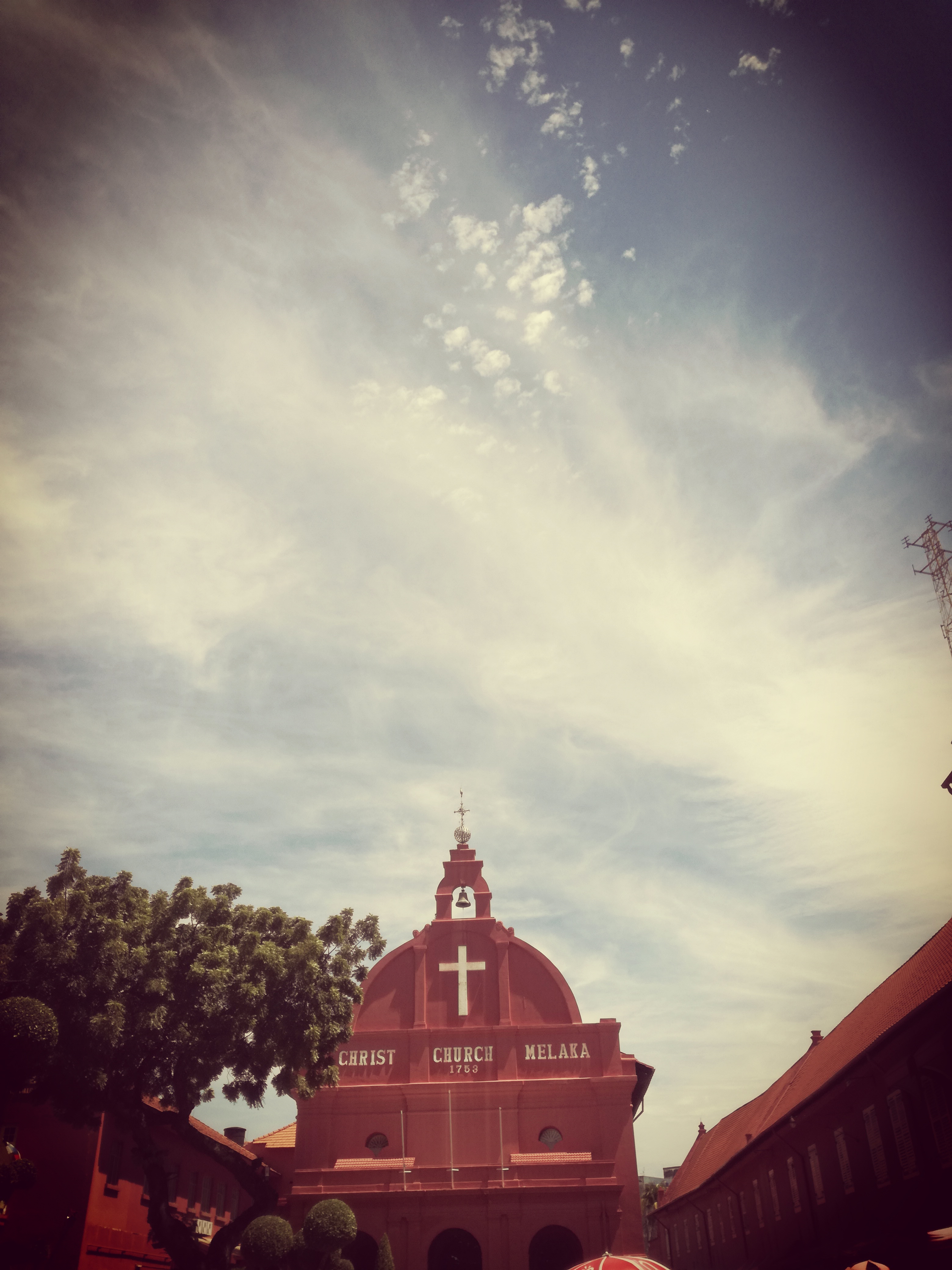
We began our walk at the Red Square with its Stadhuys. It was built by the Dutch in the 17th century and yes, the square well-deserved its name. The whole place is coloured in vivid red and sets a contrast to its surroundings. Our path took us further to explore the Portuguese history and we went to the hill of St. Paul’s church. The view above Malacca and the ocean is fantastic! Finishing our walk at “A Famosa” a former Portuguese fortress we just felt like time travellers.
The city is usually very crowded by tourists and especially couples from Kuala Lumpur who enjoy the city for a weekend trip.
I wouldn’t say that overtourism is already a problem, but I guess we need to respect local traditions and act respectfully towards those who live in the city.
I would like to address this topic, because personally I was quite shocked to see a tourist who was begging for money to finance further trips across Malaysia.
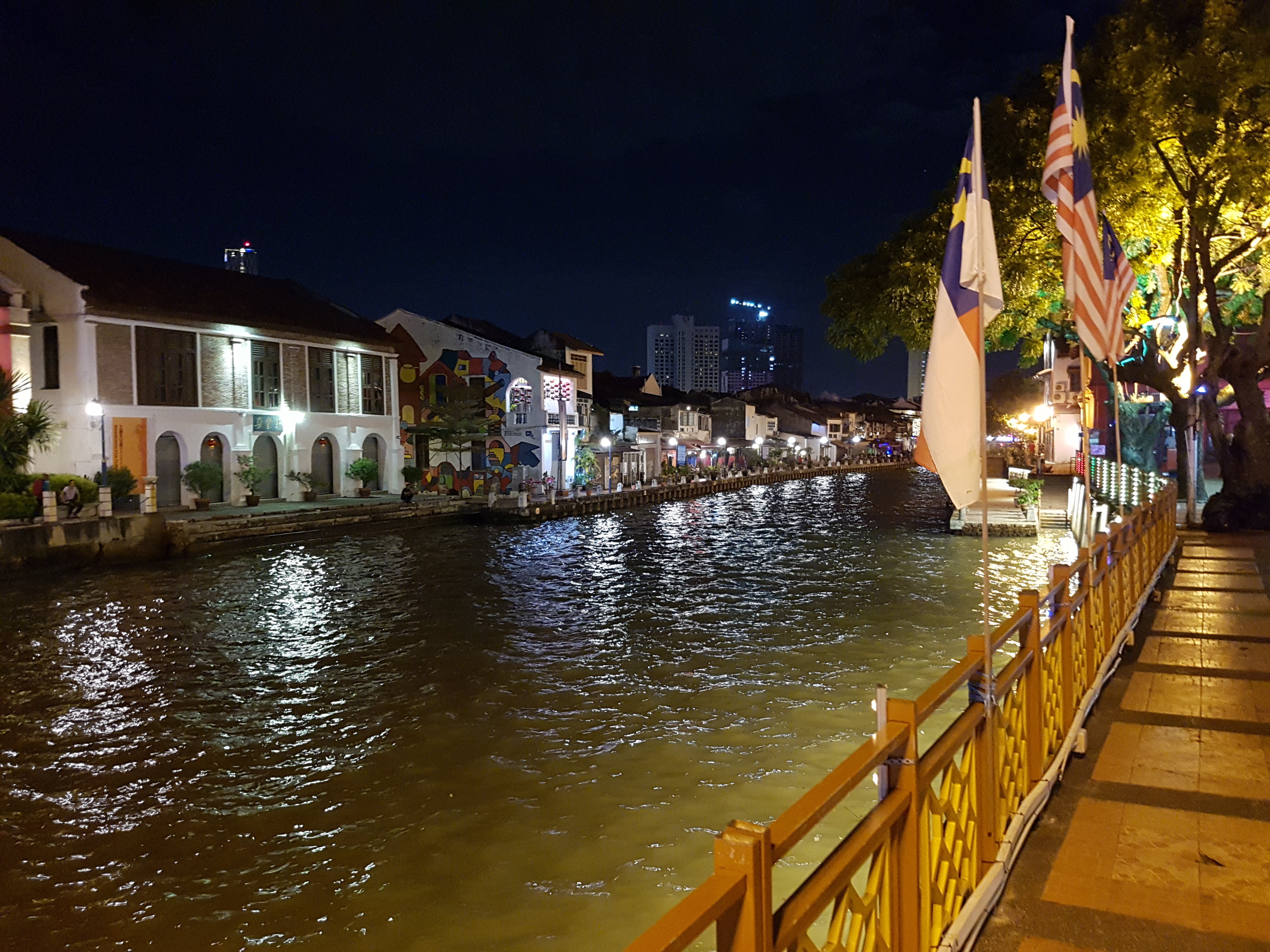
To escape the hotspots we decided to take a walk at the “Malacca River” and discovered lovely shops and street art. Usually, we really don’t check and plan every shop and route we take, it just happens naturally to follow where our interest is paying attention to.
The last day included a walk through the old town which is famous for its art scene and its handicrafts! We had a stop at the Urang Utan House, an art gallery from a local artist who is also selling unique shirts with his great designs which combines modern and urban life in Malacca with traditional Eastern philosophy. Here we saw that between the historic places great urban places could be found which totally created a unique atmosphere between urbanism and the local culture!
One special artisan shop called Wah Aik offers special insights to the Chinese culture! The two brothers are specialized in creating unique bound feet shoes. You can learn of a tradition that is nowadays forbidden, but the shoes are a masterpiece of art and can be bought for those who are interested in handcraft and Chinese culture. It was a fantastic visit, because one of the owners took his time to explain us a bit more about the history of the shoes and the former tradition of the lotus feet and showed us many old newspaper articles in different languages praising their craftsmanship! The tradition of the lotus feet doesn’t fit modern times anymore, but the tradition of making handcrafted shoes is something very special! I was very grateful for this learning and enriched to understand much more of this special handicraft!
The food we tasted here is also very special, so let me give you further insights.
I was really impressed by the Nyonya or Peranakan kitchen you can find in many restaurants across the city. Peranakan are the early Chinese descendants who settled in Malacca and inter-married to Malays. This special food is very delicious and combines the best of both worlds! For me, it was a mix of herbs, spices and a fruity texture. A very good restaurant we discovered is The Bulldog!
Kuala Lumpur
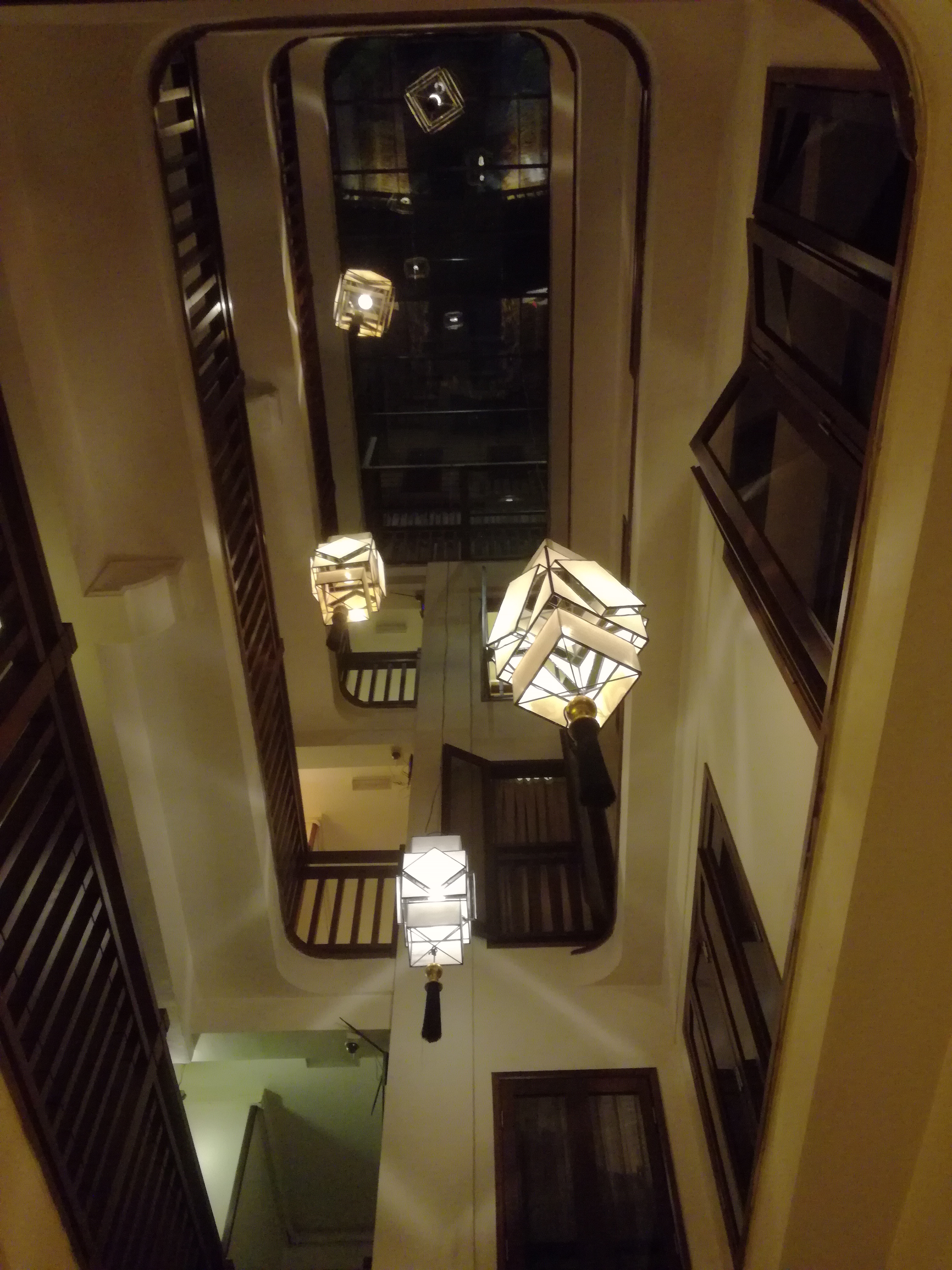
Moving forward, we were off to Kuala Lumpur, the vibrant capital of Malaysia, the next day. After another coach ride, we checked in at the Anggun boutique hotel whose rich history dates back to the 30ies of the last century and tells the story of a Chinese sojourner who made his luck in Malaysia. While not a certificated sustainable hotel, many initiatives were adapted to act sustainably. For example, a higher energy efficiency and less plastic consumption. The hotel building itself evokes the charm of the 60ies of Kuala Lumpur. I especially loved the inner courtyard and the green terrace in the middle of the city.
The hotel was close to Bukit Bintang a district where the city never sleeps and where we discovered so many restaurants that we had an information overload! Starting with Jalan Alor and its many open-air restaurants, we tried some fresh sugar cane juice and had once more Durian for dessert! Everything appeared so delicious that we couldn’t help ourselves but had to try it! But this was not supposed to be a foodie trip, so let’s check out what else we spotted in KL!
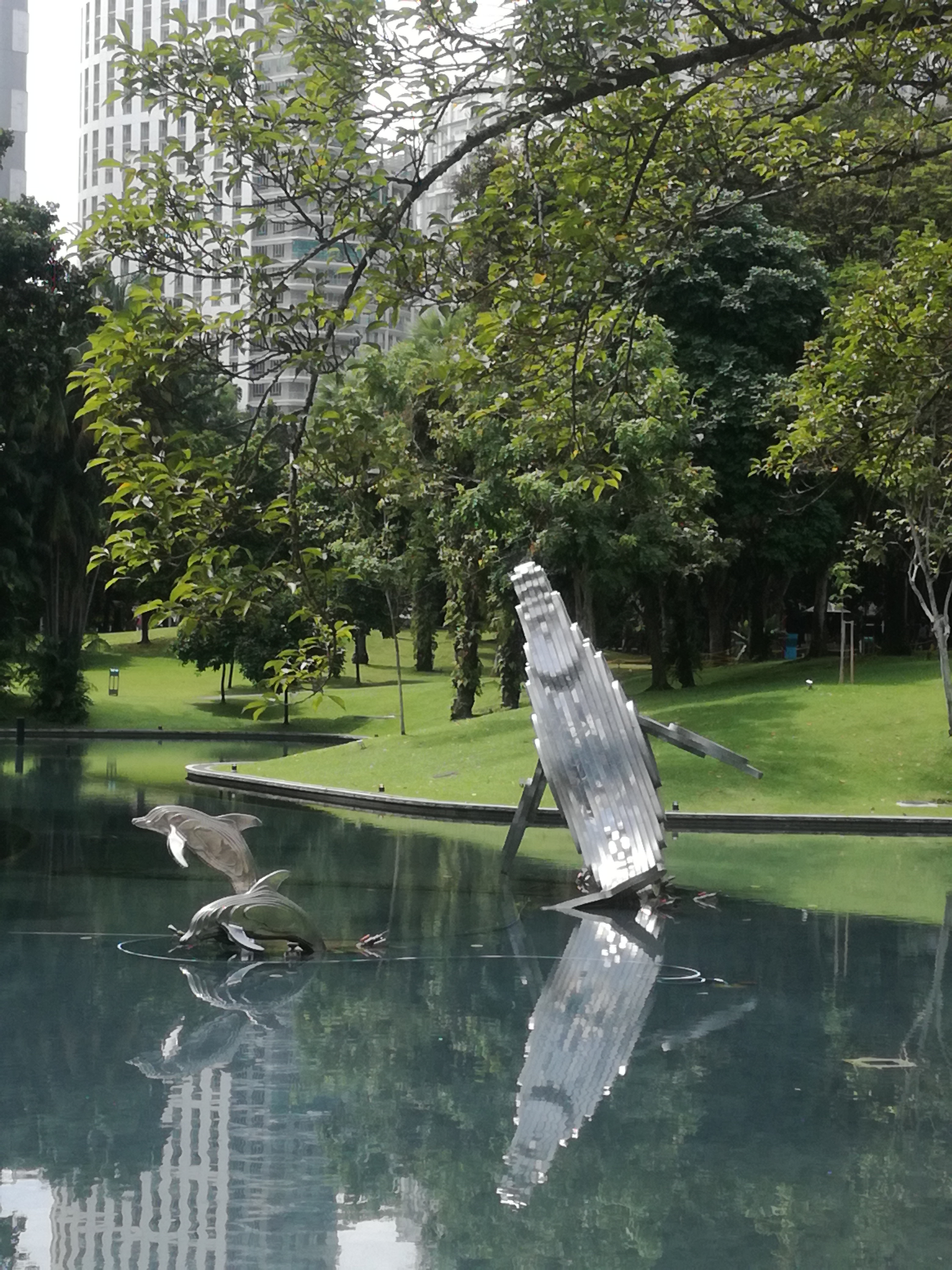
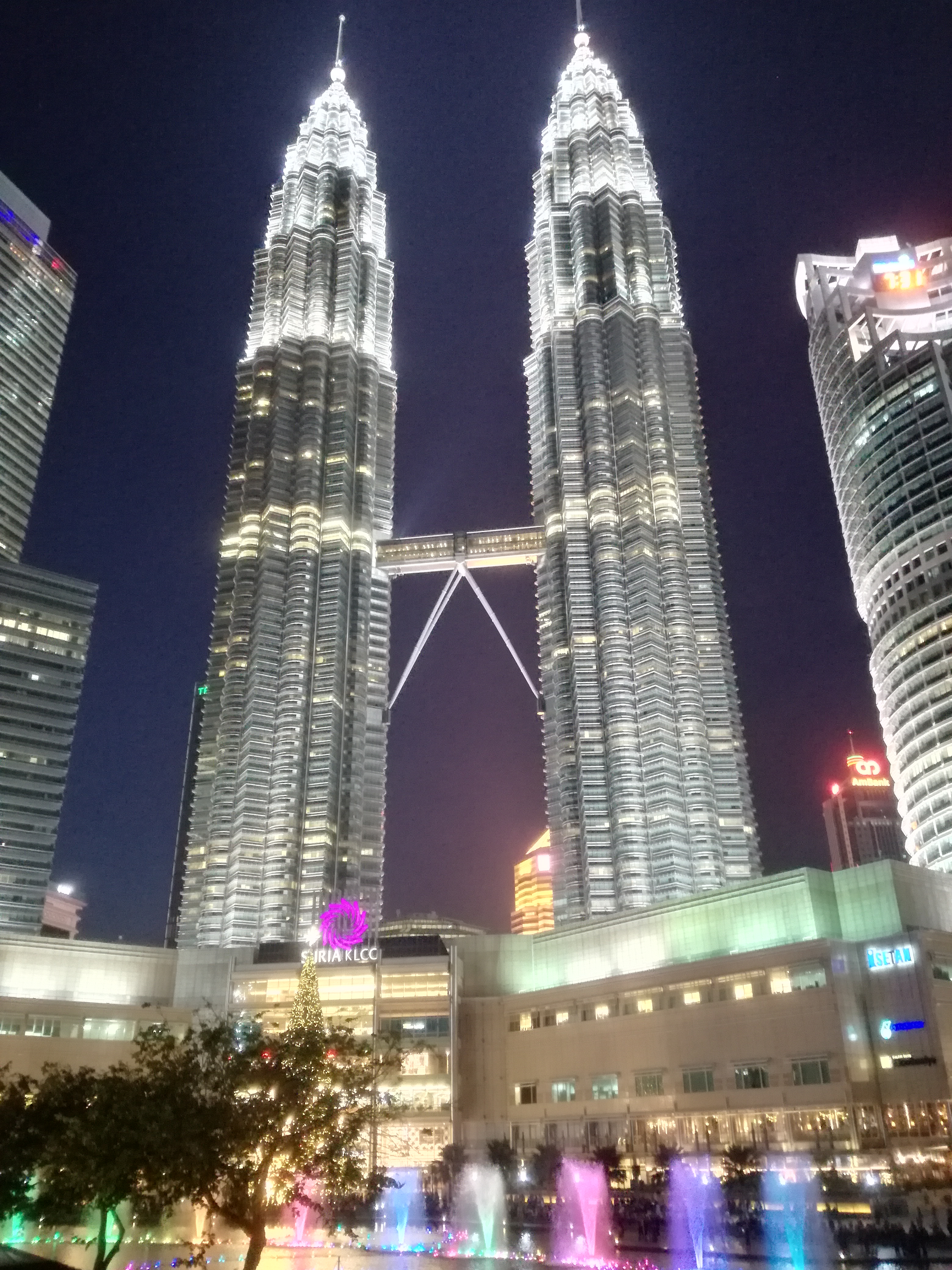
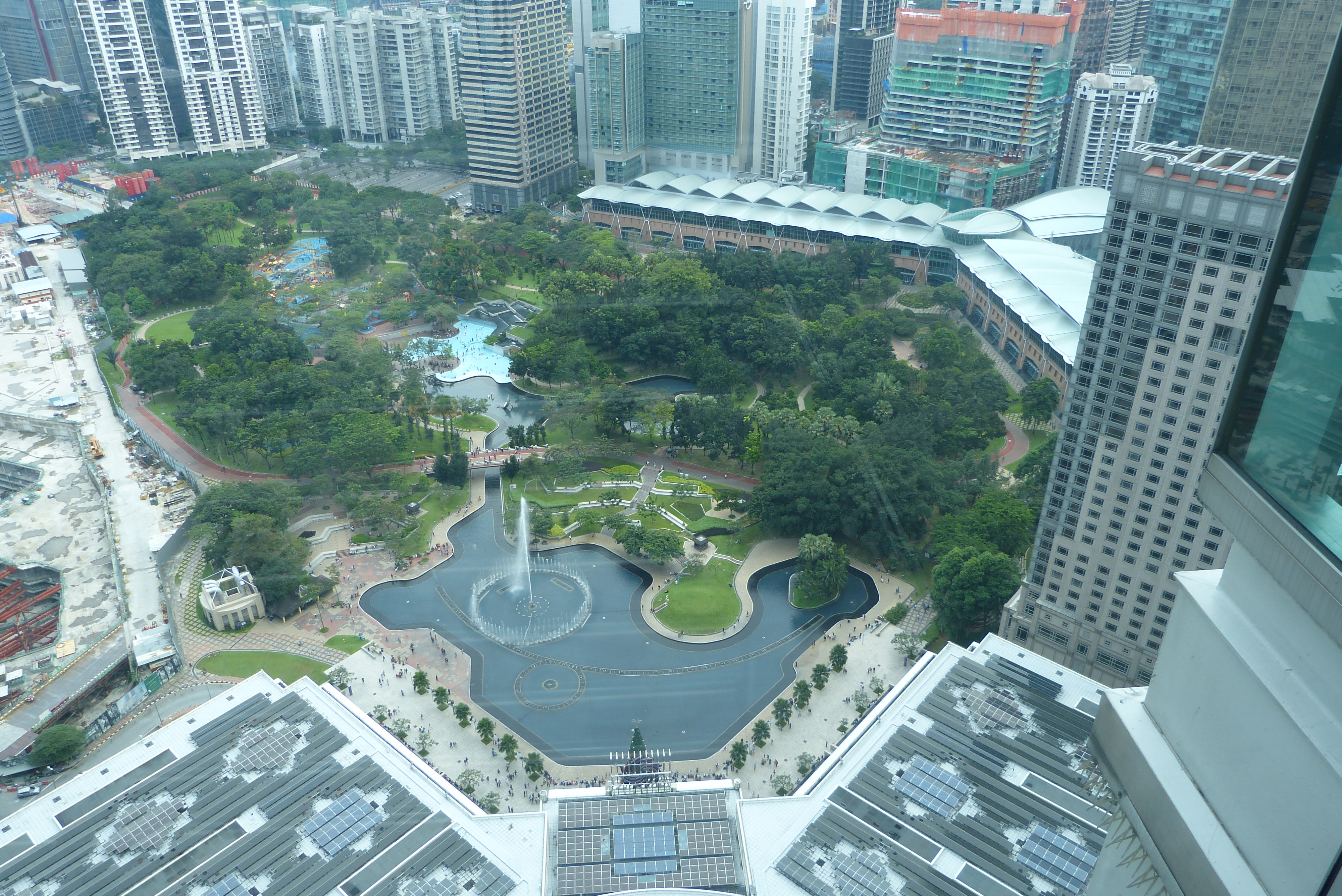
One of the architectural highlights and a must-see are the Petronas Towers, because they are one of the first sights you will discover when you enter the city. But we were quite surprised to find a green oasis in front of the two steel giants, the KLCC park! A great place to calm down in the hustle and bustle of the megacity. Lake Symphony was a scenic view to rest your eyes and see many people having a good time with friends and families! I loved the whale sculpture which showcased that nature still plays a crucial role in those areas where you wouldn’t expect it! And we also planned some extra time to enjoy the light show in the evening!
If you want to see an urban jungle and I really literally mean urban jungle with lush greens and the opportunity to see wildlife in the middle of the rain forest you need to visit KL Forest Eco Park.
We went across the skywalk and listened to the sounds of the jungle and nature can make a great and loud concert deafening out the sounds of the hectic city.
The forest is one of the green lungs of KL and because we were patient enough, we even spotted some of its inhabitants: monkeys!
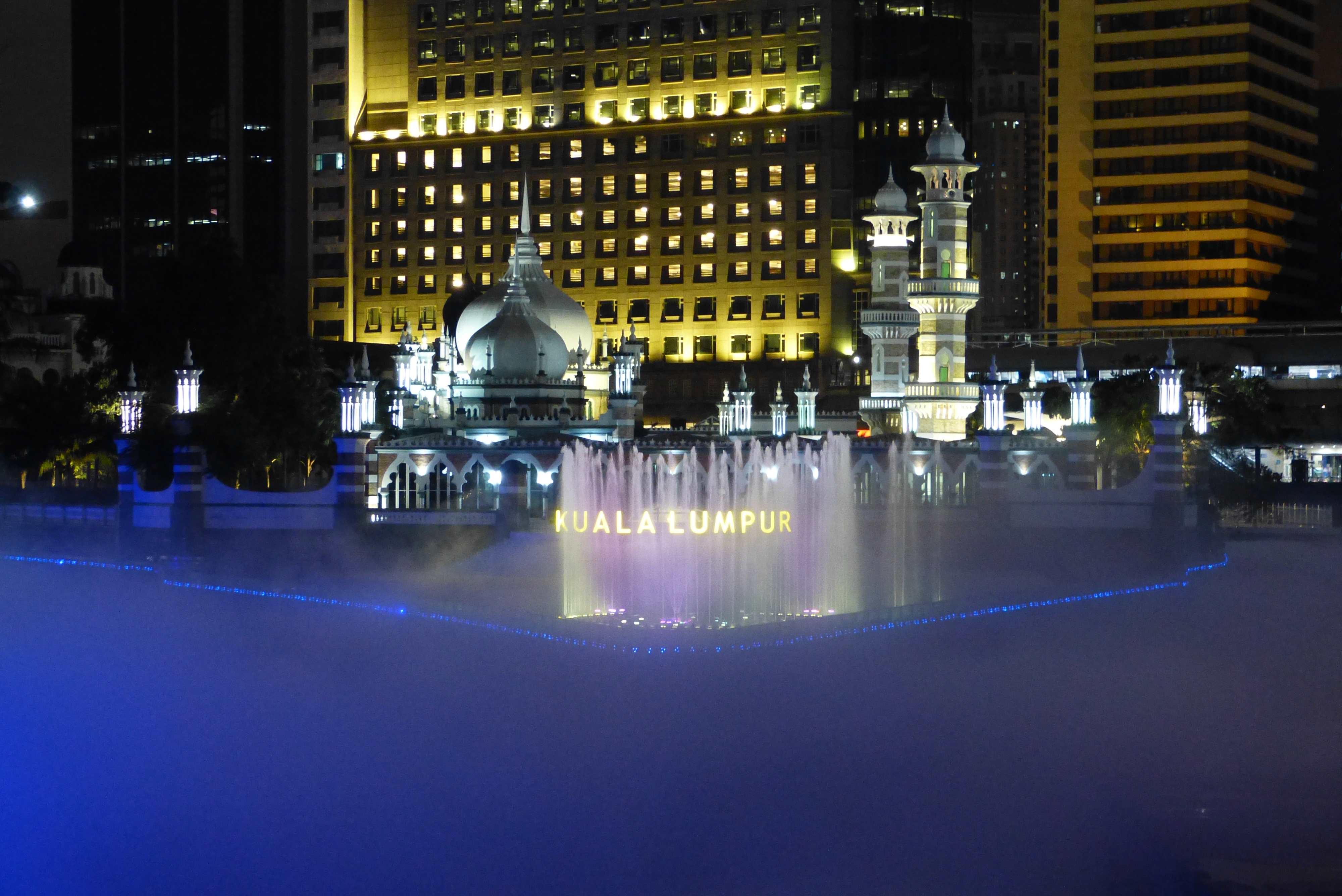
We spend one evening at the River of Life which is a fantastic place to learn about the colonial era and the history of Malaysia. It is a project to clean up the river Klang which was in a very bad state. This walk took us to the British colonial era with historical buildings at the riverbank. We felt like time travellers once more when the artificial fog created this amazing feeling to dig deeper to history. It’s like a magic veil that carries you to a different time and space. Right before Masjid Jamek which is one of the oldest mosques in KL is a beautiful spring fountain with a light and music show in the evening and that’s a great way to finish the day.
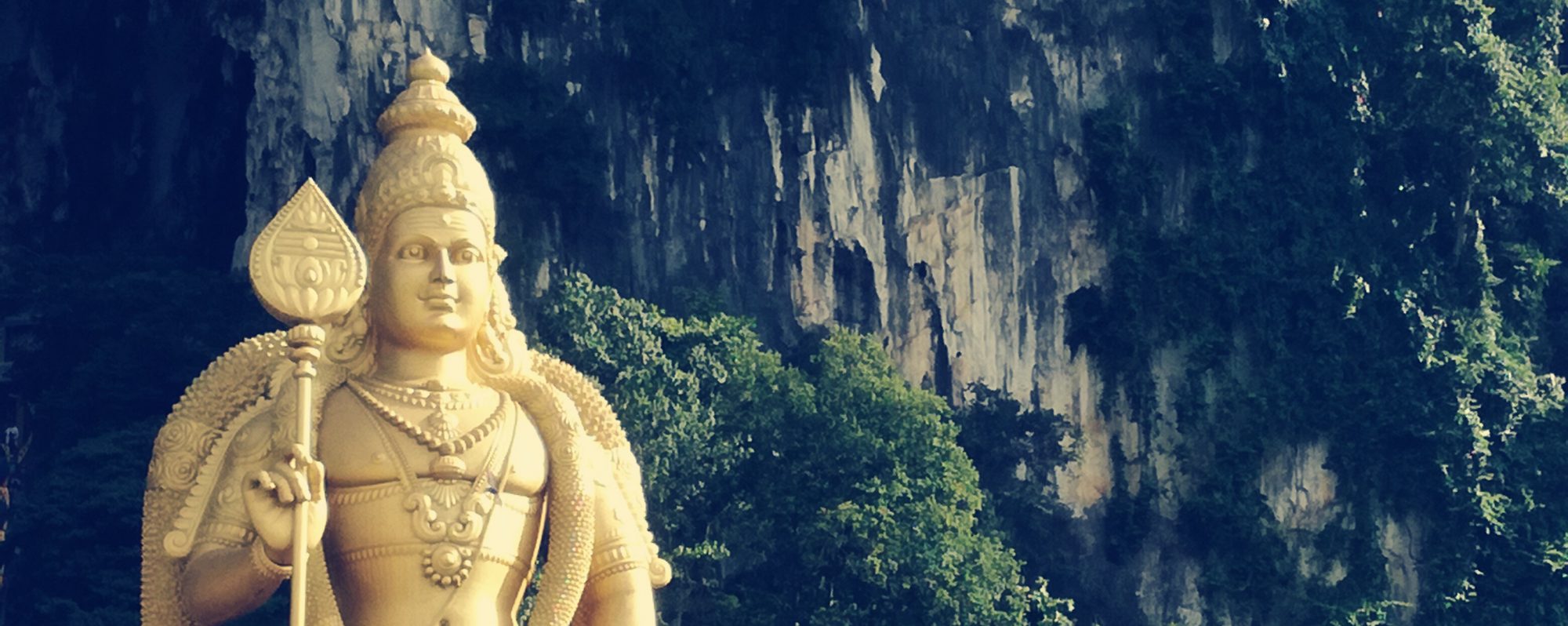
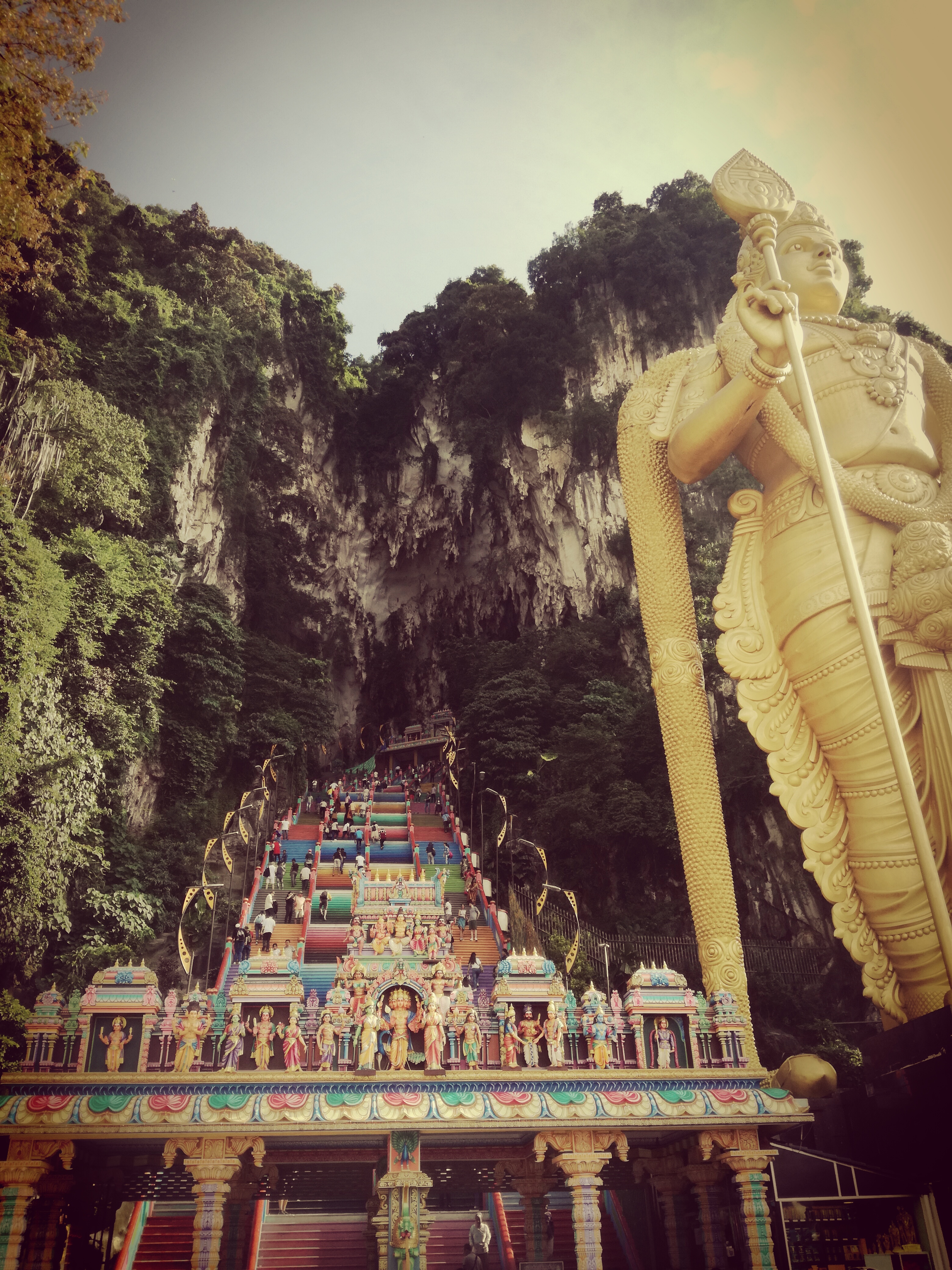
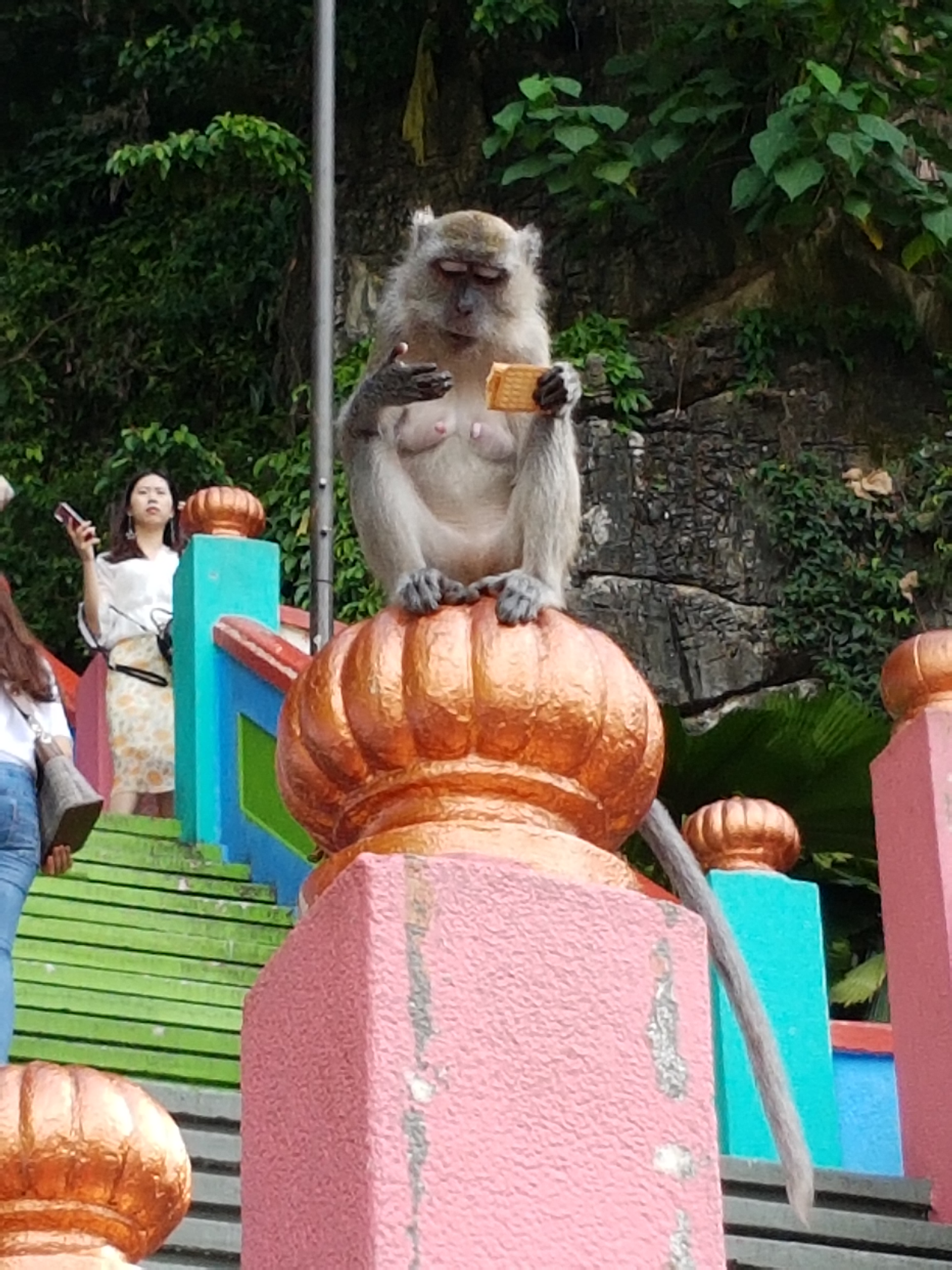
To get a better understanding of the countries’ multiculturalism we booked a little tour which took us to the famous Batu caves on the next day which are an important Hindu temple. We had a great tour guide who gave us further information about the sanctuary which was dedicated to Lord Murugan. Beware of the monkeys which loiter around the beautiful coloured steps and just wait for tourists to feed them! I really had to stay calm, because I knew these cheeky monkeys from Bali J The temple lies within a cave and is truly a masterpiece of craftsmanship, full of vivid colours and astonishing carvings. I was impressed and wondered how it was possible to build this temple within a cave!
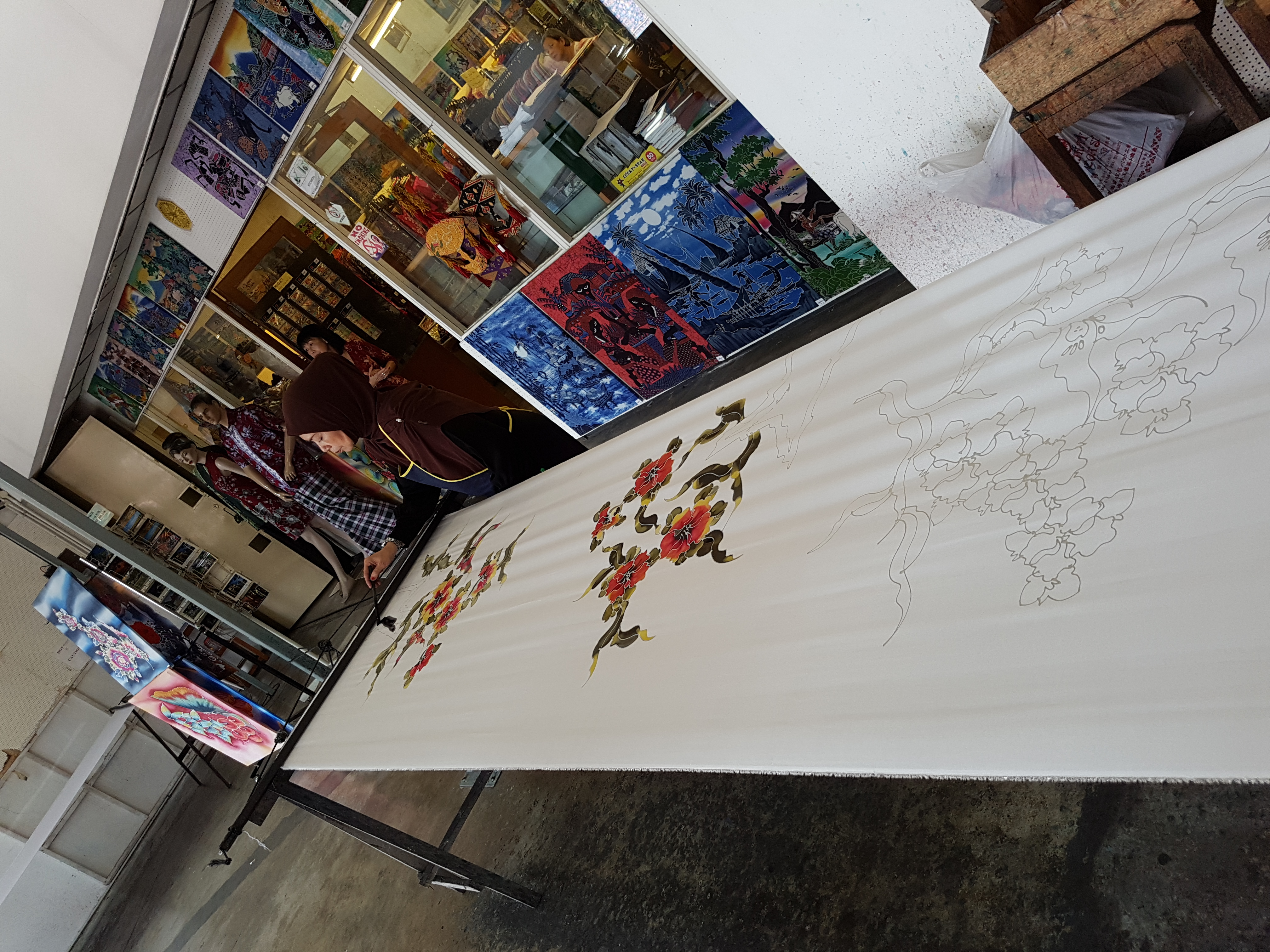
We continued our journey to a traditional batik dyeing manufacture where we could see how the traditional art of dyeing exquisite textiles.
Afterwards we continued to one amazing place.
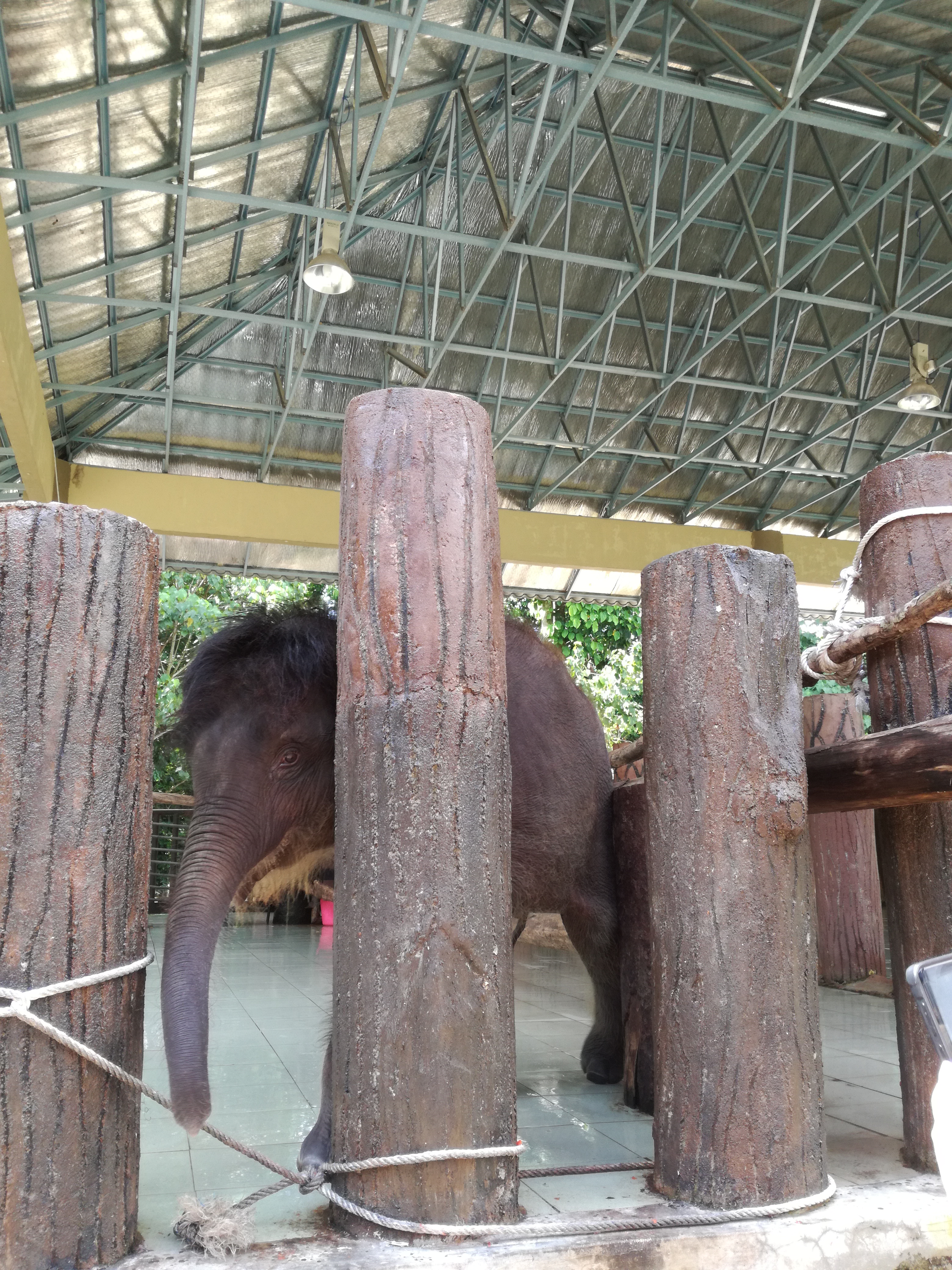
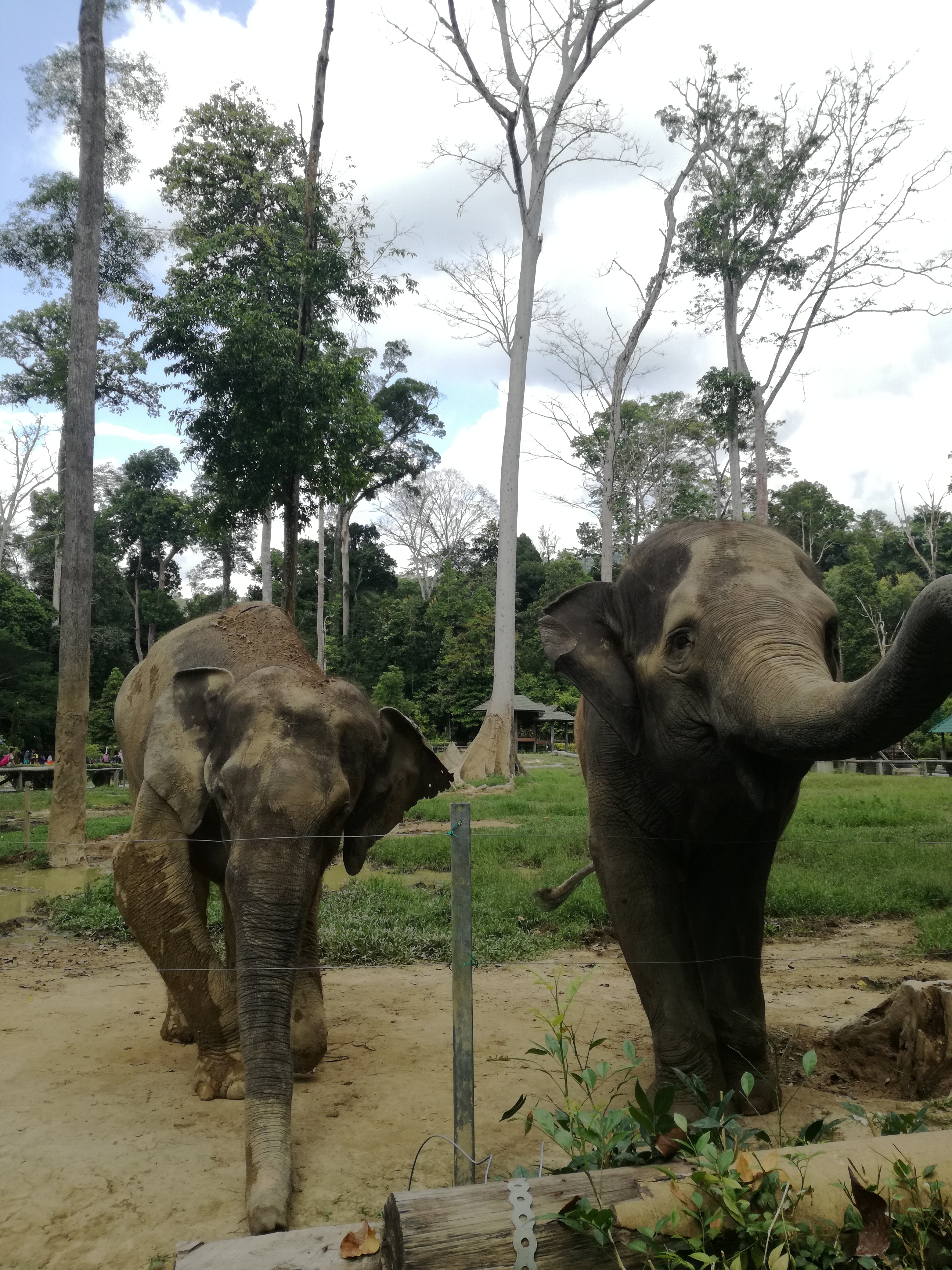
A site, I wasn’t sure it was a good idea to visit, was the elephant sanctuary Kualah Gandah. I knew that they helped these animals, but I feared that it might be a tourist attraction where the animals would be put under too much stress. But where could elephants stay, if their natural habitat was taken away from them due to the huge palm oil plantations?
And here it all comes together from what I observed from the way to Malacca. Before we took the decision to visit this sanctuary, I did a lot of research and I found out that this care centre was financed through the Malaysian government to help the elephants. Before we could see these gentle giants, we watched a movie about how difficult and dangerous it is to capture an elephant when they are lost in one of the huge plantations we saw on our way to the capital.
After this movie we could see and feed the animals and we really had the impression that they care for the animals, because only those with severe injuries and disabilities stayed in Kuala Gandah to acclimatize the new ones. The others were transported to live in a wildlife reserve. The only thing I refused was to take a personal picture with one of the calves. The sanctuary is depending on tourist donations, because they get limited financial support from the government. The visit was great to learn about the animals and their environment in Malaysia.
After Kuala Lumpur the stayed a bit longer in Johor Bahru near the border to Singapore. Why? The main purpose of our journey was a Chinese wedding as I mentioned beforehand. During this time, we used the possibility to talk to locals and to learn more about the life in Malaysia. It was also great to get a better access to local traditions and food which you won’t have as tourist.
The trip was truly amazing, because we got so many impressions and could really have authentic experiences with many deeper insights we gained. After all it was not enough time for me, and I wish to return and learn much more. In many ways it was possible to commit to sustainability, even though it was not possible in all areas.
The article doesn’t contain paid ads!

 Conscious Travelista