
Reintroduction of Overnight Trains in Europe

It’s time for some new inspiration! Since December is a time where some of us are going home to celebrate Christmas or just have a cozy holiday season with their loved ones. Did you ever think about using an overnight train instead of booking a flight? Get inspired by Gergely who is a dear friend from AIESEC providing you with ideas and some facts, too!

Traveling by air is significantly increasing our ecological footprint. Moreover, Europe is relatively small, you spend more time in the terminal than on the plane. For sure, it is faster, and there are low-cost options, which work well for short distances, however, I doubt that you would go for a long-haul flight on a no-frills airline. When the length is over 10 hours by plane, you have to stay hydrated, and you can only get food on a full-service airline. Some airlines have good food on board with comfy seats. But let’s turn back to trains, more specifically the overnight trains of Europe in various countries. What if you travel at night? What happens is that at night, you are sleeping and waking up in a new country. Therefore you won a whole day at your destination. I think it is a very sustainable way of traveling, especially if you have a dense rail network. If it is electrified, it is even better. Electrification has a longer story than you would expect, attempts have been made as early as the 1900s. What country made tons of efforts to do so? It was Hungary! At that time, Hungary knew that electrification was the future of rail transport. I am Hungarian myself, so I do not know why we aren’t the leaders of electrified tracks. We had a fantastic engineer, called Kálmán Kandó, who invented the electric locomotive and introduced the idea of electrification in Italy. Experiments for increasing the speed were carried out and by the ideas of Kandó, the 25 kV 50 Hz AC (twenty-five kilovolts, fifty Hertz alternate current) have become the standard (for high-speed rails mostly). The first line to be electrified like this was the Budapest-Vienna railroad on the Hungarian side in the early 1930s. This was nearly destroyed in the World War. I know it is expensive to electrify and sometimes the terrain does not make it feasible (like the rocky Dinarides in Croatia).
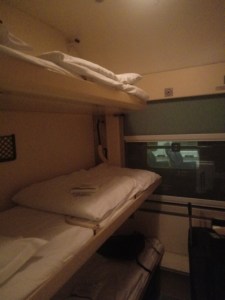
Figure 1: My PKP, Sleeping compartment between Budapest and Warsaw

Overnight trains are also cost-effective because you have a reservation included in the ticket price. National rail companies also reintroduced such services to nearby large cities. Let’s start with Hungary, from where you can get to Berlin, Zürich and Stuttgart (via Munich) with an overnight carriage operated by the Hungarian State Railways. The compartments are cozy and you can opt for one for yourself for the whole journey. If you are lucky, nobody comes into your compartment. Sometimes you even get breakfast when you wake up. Therefore you saved one night in a hotel. Here I have a personal case. Every month, I am taking the train to Warsaw. This has proven to be very convenient because the train stops right behind the hotel I am normally staying at. I just get off, exit the station, walk for a few minutes and there I am. The workplace is not far from this place either, just 15 minutes by foot. So it is even better to travel here by train, because had I taken the plane, I would have been forced to go by bus to the city center, then change to another bus or tram to finally get to my hotel. For traveling to Poland, I am using the sleeper cars provided by the Polish State Railways. Moreover, these trains leave from the city center and arrive there as well. My train departs from Budapest-Nyugati (Western) or Keleti (Eastern) station, both situated a few minutes from the center. The train’s destination is Warsaw-Centralna (Central), which is right in the downtown. Before boarding, the attendant asks me what I want: coffee or tea. A biscuit for a sweet breakfast is provided in the compartment.
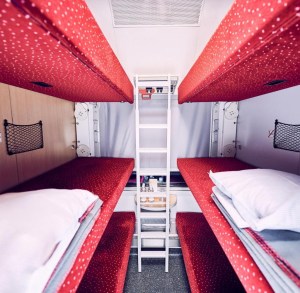
Figure 2: Inside an ÖBB Nightjet couchette
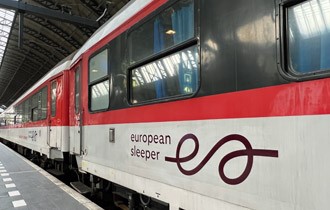
Figure 3: A new, European Sleeper train outside

Textfeld:  Figure 2: Inside an ÖBB Nightjet couchetteTextfeld:  Figure 3: A new, European Sleeper train outsideTurning back to the issue of overnight trains: these have been immensely popular since the introduction of traveling by rail. Before the introduction of low-cost airlines, it was normal to cover longer distances by rail. Hence, overnight trains were also popular, sometimes even covering distances as large as between Budapest and Paris. This service was in operation until 2001. Then it was discontinued. Long-distance night trains were reintroduced in 2017, in Austria, when their operator ÖBB introduced NightJet. This provided a new link to the nearby larger cities. Of course, COVID put a very long halt to this type of service as almost no international travel became possible. When this was lifted in late 2021, new routes (including Paris and Brussels) were added to the pallet. The loosening of bars opened new routes to other providers. Like European Sleeper, which is a relatively new company, operated in Belgium and the Netherlands. Currently, they only run one route three times a week: Berlin to Brussels via Amsterdam. Next year, they are planning to add Dresden and Prague to their network. Hence it becomes possible to reach Brussels from Prague without having to change trains anywhere. Hopefully, they can fulfill this ambition. By 2025, they would like to reach Barcelona from the Dutch capital. It is worth noting here that Spain uses a different gauge than the rest of Europe. The rest of Europe uses the standard gauge (1435 millimeters), while Spain uses the Iberian one (1668 millimeters). However, there used to be another service, called Trenhotel Joan Miró, between Paris and Barcelona and that was on standard gauge. However, it was discontinued in 2020, due to the pandemic. Even before the pandemic, the sole French destination was the border crossing between Spain and France, namely Hendaye. Making this connection possible would be crucial to reconnecting Spain with international train traffic. These new services and the reintroduction of some older overnight services can make the way towards sustainable traveling. We have seen: that the introduction of Nightjet provided a good connection to further destinations in the morning, for example Budapest. Budapest is accessible from Vienna within 3 hours by train. Most services are done with Railjet, but there are some others as well. This is what I used during my trip to ERAC (European Regional Alumni Conference, which is an annual conference organized by AIESEC[1]) this year. I took the train from Budapest to Vienna by the EuroCity (not Railjet), then Vienna to Milan by Nightjet, and from Milan to Naples by the high-speed railway through the wondrous Emilia-Romagna, Tuscany, Lazio and Campania. On the way back, I took the high-speed rail to Rome, then to Vienna by Nightjet, then to Budapest by Railjet. Railjet is a fast service providing good connections between Budapest, Vienna, and Munich.

All in all, the reintroduction of overnight trains all around Europe is an excellent step towards green travel and reducing the ecological footprint. Nowadays if you buy a train ticket, they indicate how much carbon dioxide is emitted when you choose planes, cars, and trains. Train wins by a big margin. Especially when it is an electric train. Let’s see it in the below chart examining three routes!

RouteCarPlaneTrain
Warsaw-Sopot34.6 kilograms82.7 kilograms9.5 kilograms
Budapest-Warsaw62.75 kilograms150 kilograms 17.24 kilograms
Budapest-Naples125.52 kilograms300 kilograms34.48 kilograms

Austria also largely electrified their network. They know what the future is. Electric trains, high speeds and comfort for passengers allow them to travel in their sleep for a reasonable price. Often these are a fraction of the airlines, even the low-cost airlines. Moreover, France banned flights between cities which can be reached within two and a half hours. Have you ever heard of banning the trains? Trains have to function all day long, all year long. In many European cities, planes are forbidden to land between 11 PM and 5 AM to allow locals to sleep. You cannot do it with trains. They will go to stations even at midnight.


[1]     AIESEC is the world’s largest student’s organization, founded in 1948, present in 110 countries. The term “alumni” refers to members who were involved in this organization in their active years.
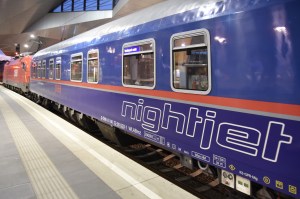
Nighttrain

Figure 4: A Nightjet train from the outside

Source:


A Sustainable Travel Journey – Gateway to Authenticity

One of my friends from AIESEC is an expert in sustainable tourism and gave an alumni talk about community-based tourism.

Have you ever heard about this special part of sustainable tourism?

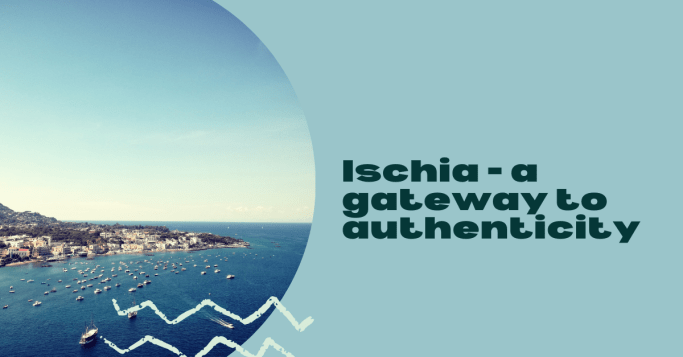
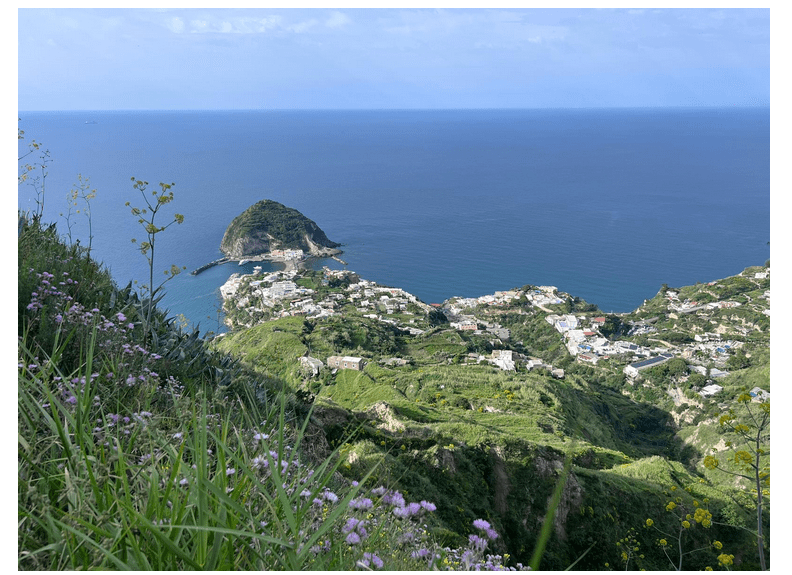
Let Jana take you on a trip to the wonderful island of Ischia where the ocean breeze calms your mind and lush greenery already inspired many movies and writers.

Thank you, Jana, for your time and your precious insights about community-based tourism and one of my favorite travel gems.

As summer approaches, the allure of tourism beckons once again. But in a world awakened by the pandemic, there’s a growing need to rethink our travel habits and embrace sustainable tourism. In this article, join us on a journey to a captivating Italian island, in a context that embodies authenticity and fosters genuine connections amidst the changing dynamics of the tourism industry.

Our adventure begins in Naples, Italy, a city that offers a refreshing break from the usual checklist-driven journey. As we make our way to the port, we’re pleasantly surprised by the absence of long lines and overwhelming crowds. Naples serves as a gateway to a different kind of experience, one that values cultural exchange and genuine human connections over bare commercial transactions.

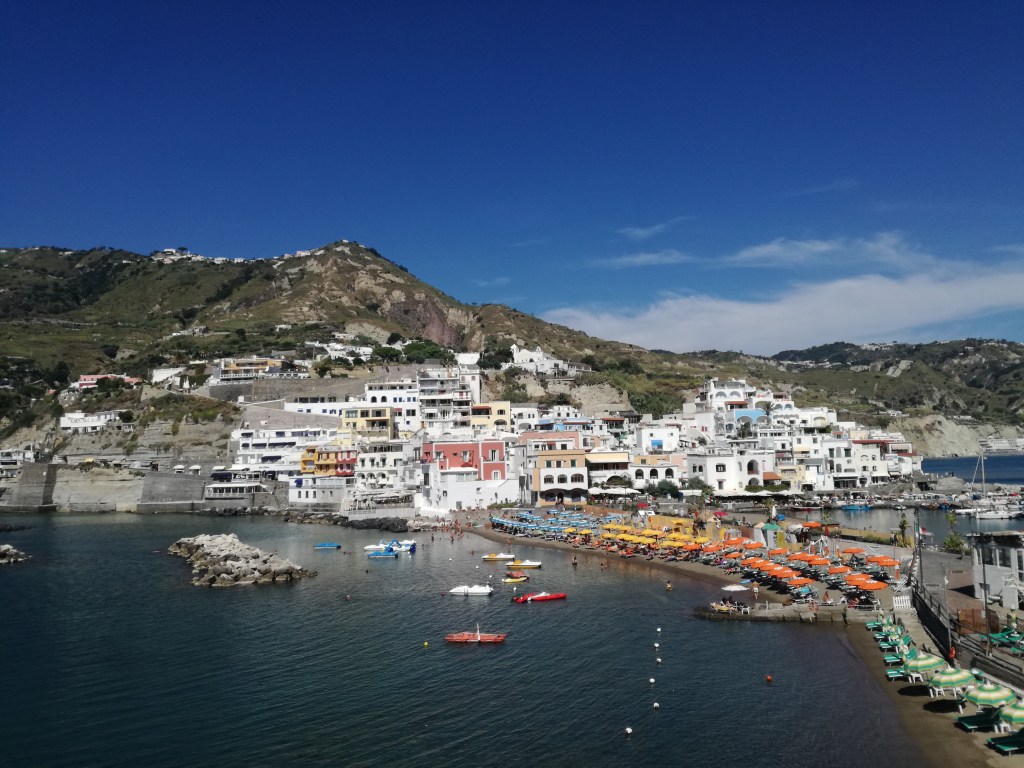
Boarding the ferryboat, we leave the mainland behind and set sail for the island, eagerly anticipating the mesmerizing views and atmosphere. Before the opening of the main tourist season, Ischia felt like a step back in time, with its castle, palaces, and picturesque villages scattered across the landscape. Unlike popular tourist destinations, this island has managed to preserve its character.

The locals here have chosen to stay true to themselves and the local customs. Their commitment to authenticity shines through as they continue to live their lives in harmony with their cultural heritage. Engaging with warm-hearted islanders gives us a chance to learn from them, understand their traditions, and create meaningful connections demonstrating the island’s dedication to preserving its way of life while embracing visitors with open arms.

  • The beach of San Angelo, Ischia
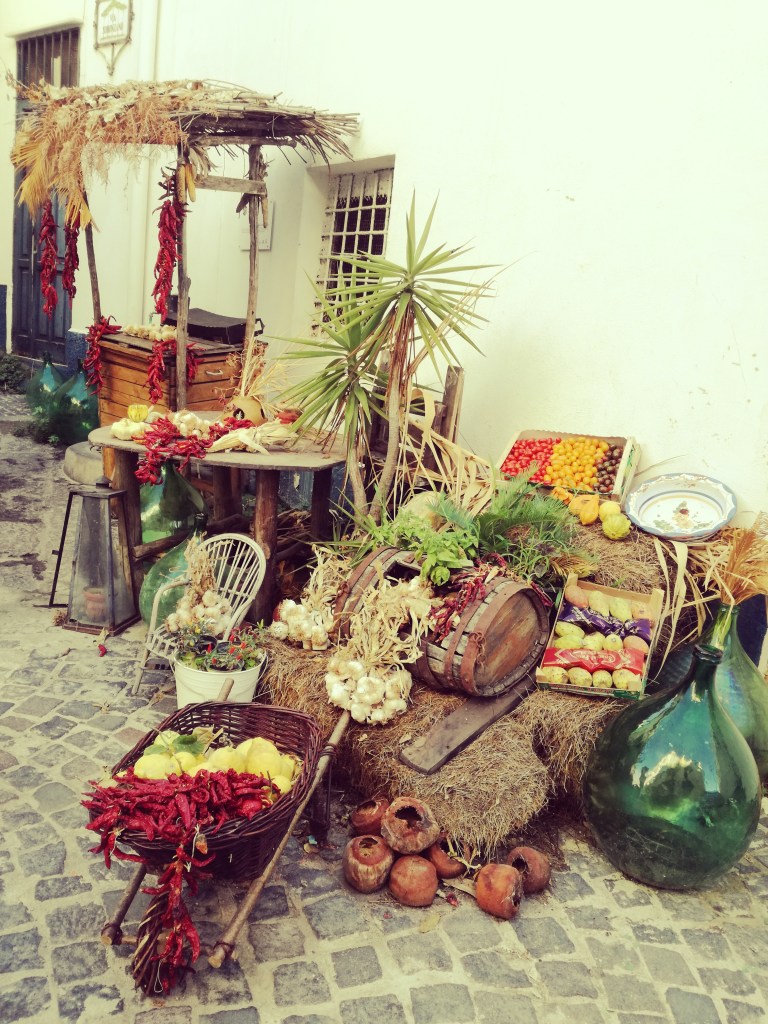
  • Local food grown in Ischia
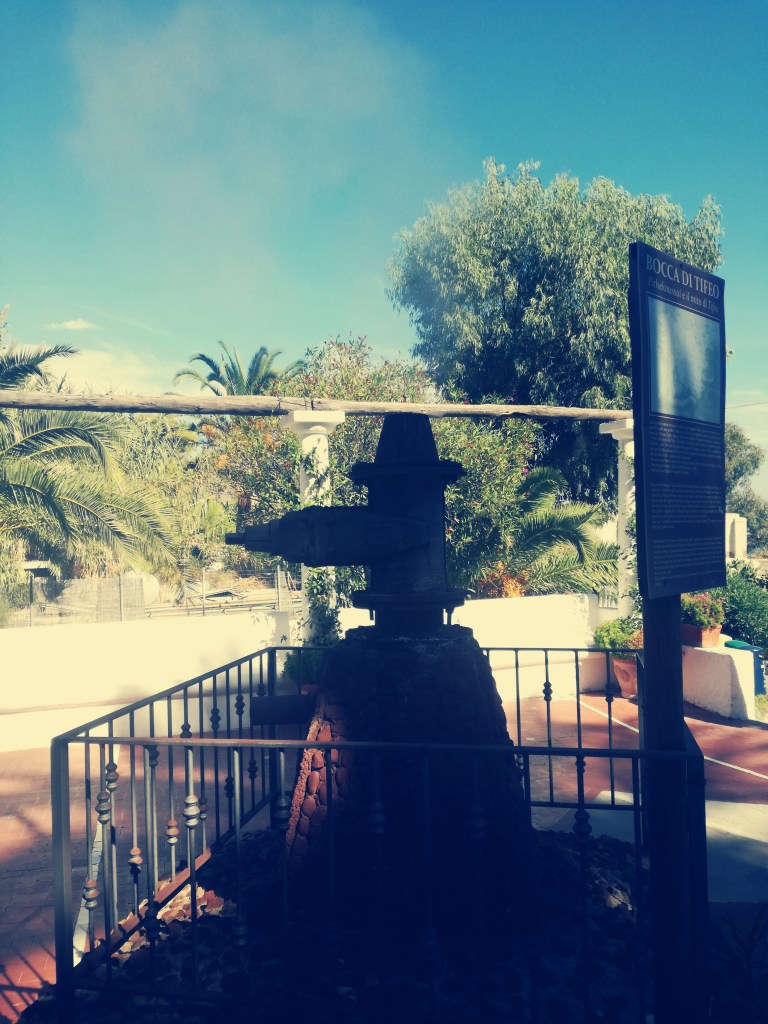
  • Steam mill in Ischia
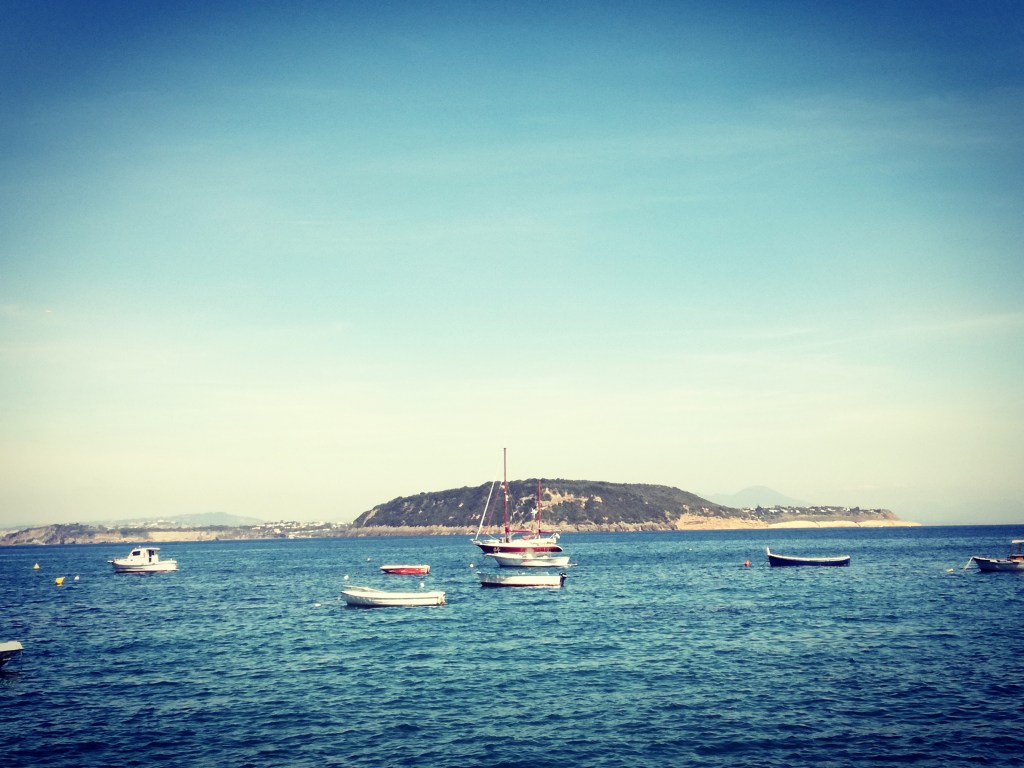
  • Ischia Island, Ocean view
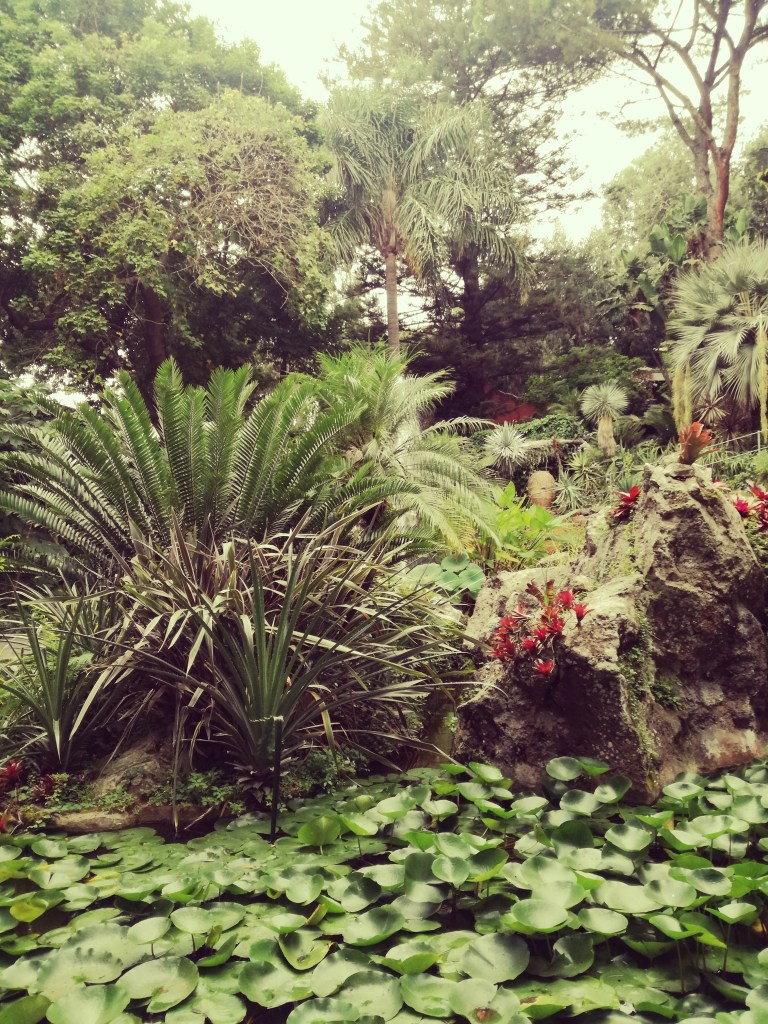
  • Wonderful garden in Forio, Ischia

Our journey to this island served as a speculative exercise of sustainable tourism—a concept that seeks to balance economic, social, and environmental impacts while meeting the needs of travelers, the industry, and local communities. It’s a form of travel that not only benefits us as visitors but also protects our planet and ensures a better future for generations to come. I’d like to see it as a pathway to well-being.

The complex implications of sustainable tourism require a thorough approach to stakeholder involvement, particularly in low and middle-income countries. An approach is required which focuses on conserving natural areas and improving the well-being of local communities. It also recognizes the importance of economic viability, ethical considerations, and social equity for the host communities. Over time, the concept of sustainability has expanded to include green tourism, responsible tourism, and other related ideas, widening its scope to cover environmental, social, community, and economic concerns.

To fully embrace sustainable tourism, we need to distinguish between weak and strong sustainability. Weak sustainability proponents believe that natural and manufactured capital can be exchanged, assuming that any decline in natural resources can be compensated for by technological solutions. On the other hand, strong sustainability acknowledges that without nature, there can be no people, and without people, no economy.

The weak sustainability approach, which echoes past beliefs in limitless resources, gambles on the assumption that scientific and technological progress will save the day. However, strong sustainability reminds us of the fundamental interdependence between humanity and nature. It urges us to take a more cautious and holistic approach, valuing our natural resources as essential foundations for a thriving society.

In our voyage to the Italian island, we witness firsthand the positive outcomes of sustainable practices. From locally sourced and organic food to eco-friendly accommodation options, the island takes pride in its commitment to sustainability. Furthermore, the island’s economy thrives through support for local artisans and small businesses.

As we conclude our voyage to this enchanting Italian island, we are reminded of the immense potential for sustainable tourism to shape the future of travel. Embracing strong sustainability, we can foster a harmonious relationship between humans and nature, prioritizing the well-being of both.

To continue on this path of sustainable tourism, it is crucial to be aware of the concept of a double materiality assessment. This approach recognizes the interconnectedness between environmental and social aspects, as well as economic considerations. By assessing the impacts of tourism on both the natural environment and local communities, we can make informed decisions that promote positive change.

In the case of Ischia, the non-financial materiality encompasses the preservation of historical sites and buildings, ensuring their cultural value and integrity are maintained, as well as the protection of the island’s sea water and thermal springs, which offer unique recreational and wellness experiences. On the other hand, financial materiality sees the above as assets in driving tourism and economic growth. Historical sites in Italy are some of the most important globally and are ceaselessly sustaining cultural tourism, while the sea water and thermal springs contribute to maritime tourism, water-based activities, wellness, and potentially medical tourism. By embracing sustainable practices and balancing economic considerations with the preservation of Ischia’s natural and cultural heritage, the destination can thrive as an authentic and responsible tourist destination.

As travelers, we have the power to make a difference. By choosing sustainable practices, supporting local businesses, and engaging with communities on a deeper level, we contribute to the preservation of cultural heritage, the protection of ecosystems, and the overall well-being of the destinations we visit.

Let us remember that sustainable tourism is not just a passing trend but a mindset that shapes our experiences and leaves a positive impact. As we explore the world, let us cherish the unique charm of each destination while striving to be responsible travelers, embracing authenticity, and nurturing a deep respect for the delicate balance of our planet.

Together, we can pave the way for a future where sustainable tourism flourishes, strong sustainability guides our actions, and the beauty of our world is cherished by generations to come.

Buon Viaggio!!

If you’re curious to learn more and get in touch, please reach out to Jana on LinkedIn!

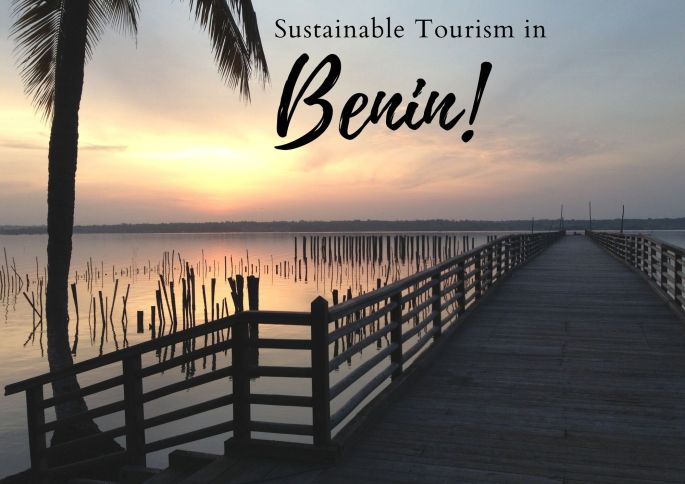
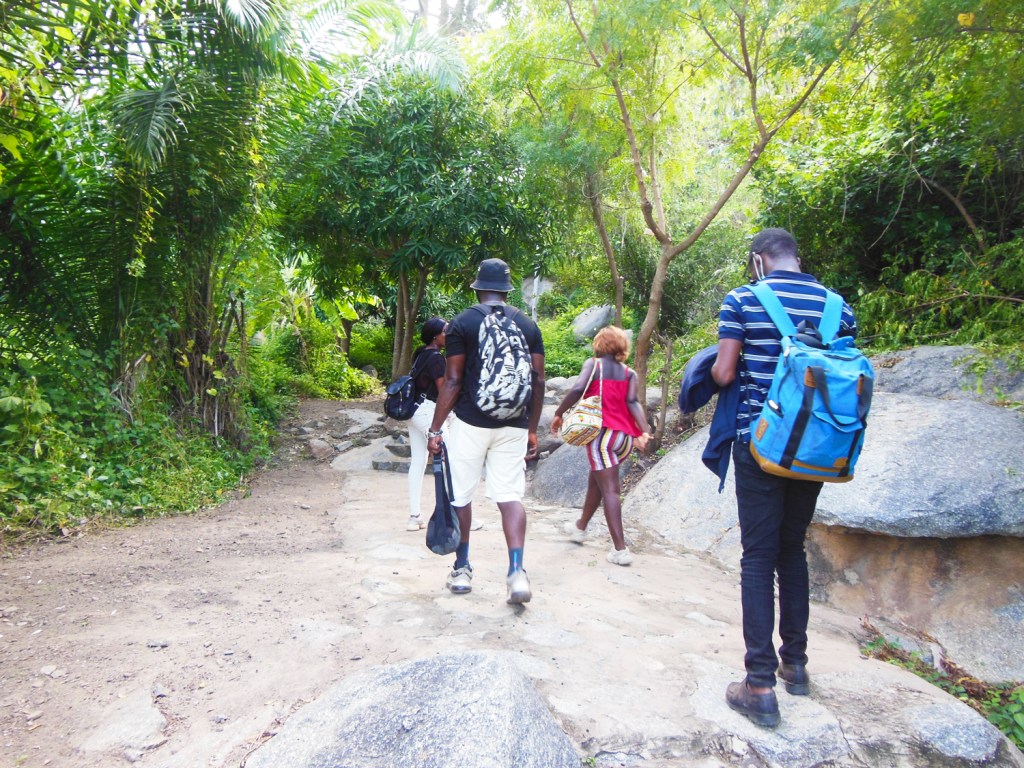
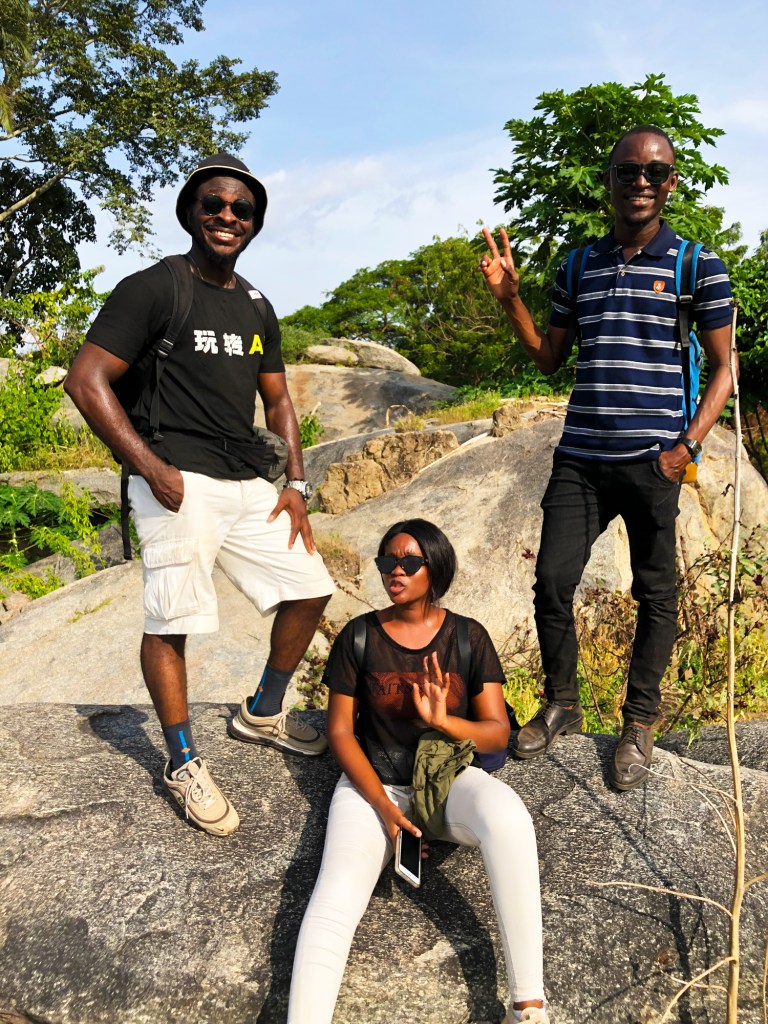
Sustainable Tourism in Benin

First steps to become a sustainable travel pro

It’s been a while after my last posting, but today I would like to share an amazing guest article from a friend in Benin with you.

Bernis and I work together since two years, since, as you may know volunteer in my leisure time and show my commitment towards the Sustainable Development goals.

By the way: the next articles won’t take so long, there’s enough content, but working in a new job sometimes requires to refocus for a while 🙂

Enjoy the interview!

1. Please give us an introduction about 2Morrow Trip and how you would like to change the world!

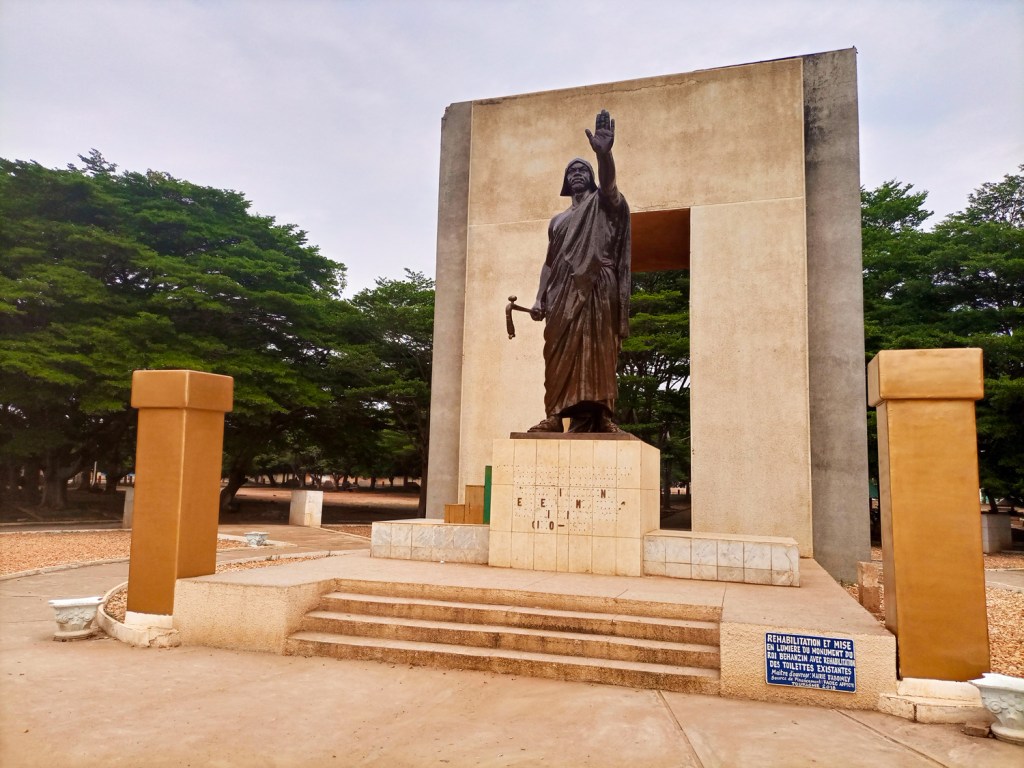
2Morrow Trip is a tourism agency located in Cotonou in the Benin Republic. We provide sustainable and authentic travel experiences by jumping into Benin’s rich culture. Benin is a Western African country with a particularity of a stable peace. Our mission is to engage more young Beninese people in tourism by changing their behavior regarding their country. Most of them do not know our history and tourist places of interest. The Tourism sector is an industry that provides jobs to many people. It is also one of the main industries and receives investments from the current government.We are a travel agency that offers different services to help people explore Benin. We offer a variety of trips and tours for people who want to meet new cultures, network with others, and collaborate for a better world.The services we provide, are:

  • Sightseeing tours/excursions: we organize individual/group visits to the best and hidden tourist places in Benin
  • Team retreats: We organize weekend team buildings and outdoor activities for enterprises/organizations in the need to boost their employees’ self-confidence and motivation.
  • Virtual trip to Benin: Visit Benin digitally is a project we are building currently. The aim is to invite the world to Benin by helping them to jump into our rich culture.

2. What kind of negative externalities are caused by traveling?

The tourism industry provided 272 million jobs worldwide and is one of the biggest industries, but it has also had some negative impacts. The negative impacts of traveling are the erosion that occurs because of the depletion and the natural habitat loss due to building development. Tourism can lead to increased consumption.Let me give you some examples. When we build roads and highways, they have an impact on the surrounding environment, because nature has no place in this area anymore. Plants and animals disappear where highways seal off the fertile soil below the cement.The same thing happens when we build hotels and theme parks; this is all just to accommodate people who are traveling.

When we travel, our cars also have an impact on the environment, because they cause pollution from exhaust fumes. This pollution can lead to soil erosion in areas where there are no trees or vegetation to protect it from rainwater runoff. Here are also some examples of the negative impact we cause while we are traveling:

  • Pollution increases: air, water, plastic, noise
  • Increased demand for imported goods for tourists, which can lead to the loss of local products
  • Life is expensive in the areas where tourists appear, increased prices on goods and services
  • The pressure on the resources of the area when too many tourists stay too long in a place
  • Loss of the cultural identity: customs and traditions. Locals want to copy the tourists and behave like them by copying their way of living
  • The exploitation of animals to entertain the tourists

Travel produces short term revenue and is not sustainable for locals

3. What is the main difference between Beninese travelers and European tourists?

European tourists generally expect the same quality services that they have in their home country. The Beninese tourists look to improve their lives and provide a better life for their children. The tourism industry is a key sector of the Beninese economy, but its development is hindered by the lack of facilities and infrastructure. This is where European tourists come in: they offer both a market for products and expertise to develop this sector.

As a result, there has been an increase in tourism from Europe to Benin over the past decade, both from individuals and groups of people traveling through Africa on what are called “safaris”.

Some points must also be considered to learn more about those differences:

  • Budget: most European travelers have the habits of savings to go on holidays
  • Habit to travel outside of their country or discover a city/country
  • European travelers can easily move around the EU and have easy access to other parts of the world. Beninese tourists can get into West African countries without any further VISA procedure but have some difficulties accessing other parts of Africa and the world.
  • Transportation: There are different options to move around with easy access compared to Beninese travelers for whom flight tickets are expensive.
  • Consciousness about the impact of their traveling within most European countries.
  • Beninese and European travelers, both are looking for quality services with Europeans have a different lifestyle living.
  • Beninese travelers do not often complain compared to European ones who have higher life standards
  • EU travelers consider taking insurance before traveling
  • EU travelers have the particularity to travel in family and with their pets

4. What needs to change in the future?

  • Decrease our carbon footprint by taking non-stop flights or eco-friendly transportation
  • Go green and use reusable items made from bamboo, wood, or glass
  • Educate people about sustainable ways of traveling
  • Support local restaurants by enjoying local food and getting to know them and
  • Buy beautiful souvenirs from local stores and support the local economy
  • Walk where possible: During my tour, I used to ask the participants to walk and go to some places without the car
  • Travel more locally: explore your country first
  • Say no to plastics
  • Take care of every place you visited

5. What needs to change in the future?

  • We can travel more sustainably by adopting certain behaviors. Some are easy, some are hard, but we will all benefit from that:
  • Decrease our carbon footprint by taking non-stop flights or eco-friendly transportation
  • Go green and use reusable items made from bamboo, wood, or glass
  • Educate people about sustainable ways of traveling
  • Support local restaurants by enjoying local food and getting to know them
  • Buy beautiful souvenirs from local stores and support the local economy
  • Walk where possible: During my tour, I used to ask the participants to walk and go to some places without the car
  • Travel more locally: explore your country first
  • Say no to plastics
  • Take care of every place you visit

6. Which trends do you see in the future?

The most important thing I see is the rising demand for digitalization and the use of technology. I can put in this point: the growth of contactless payments, virtual tours or virtual reality tourism, safety and hygiene rising. Some destinations may be chosen based on how the country dealt with the increase in COVID-19 numbers, and people will probably choose to stay local than travel abroad.

Do you want to travel to Benin? Reach out to and learn more Bernis!

Getting Lost in Helsinki

Since I have been volunteering for a couple of years now, I’ve had the pleasure to meet fantastic people along my journey with AIESEC. One of them is my dear friend Irina, who I wanted to visit in Helsinki and learn more about the beautiful country of Finland. A couple of years after Irina came to Germany, where we met thanks to AIESEC, it was my turn to visit her home country.

“A journey of a thousand miles begins with a single step”.

In this case, it already started during the boarding at Düsseldorf airport. While I was waiting for the boarding, a kind looking woman was smiling at me, and I was a bit confused at that moment. Have we ever met before, and I couldn’t remember? No, maybe she was one of these enthusiastic individuals who just brighten up your day? After I took my seat in the airplane, the same woman was sitting next to me. She introduced herself as Yuki and had visited friends in Germany. We had a pleasant conversation on how she was strongly connected to Germany since her son studied there, and she just loved the culture and how she made friends who she visits from time to time. She also gave me a glimpse into Japanese culture as she explained the Japanese words for tree and forest to me! She also recommended to me to take some time and visit Tallinn. Unfortunately, I couldn’t make it to the Estonian capital due to a lack of time. But it seems to be a great combination, since the trip only takes 2 hours by ferry. I got literally lost in a delightful conversation and before realizing the airplane was already approaching for a landing.

Finally arriving in Helsinki, Irina and her family prepared a warm welcome, and we chatted all along a fantastic home-made dinner. During my stay I tasted many scrumptious local dishes, so thank you once more for this incredible culinary experience.

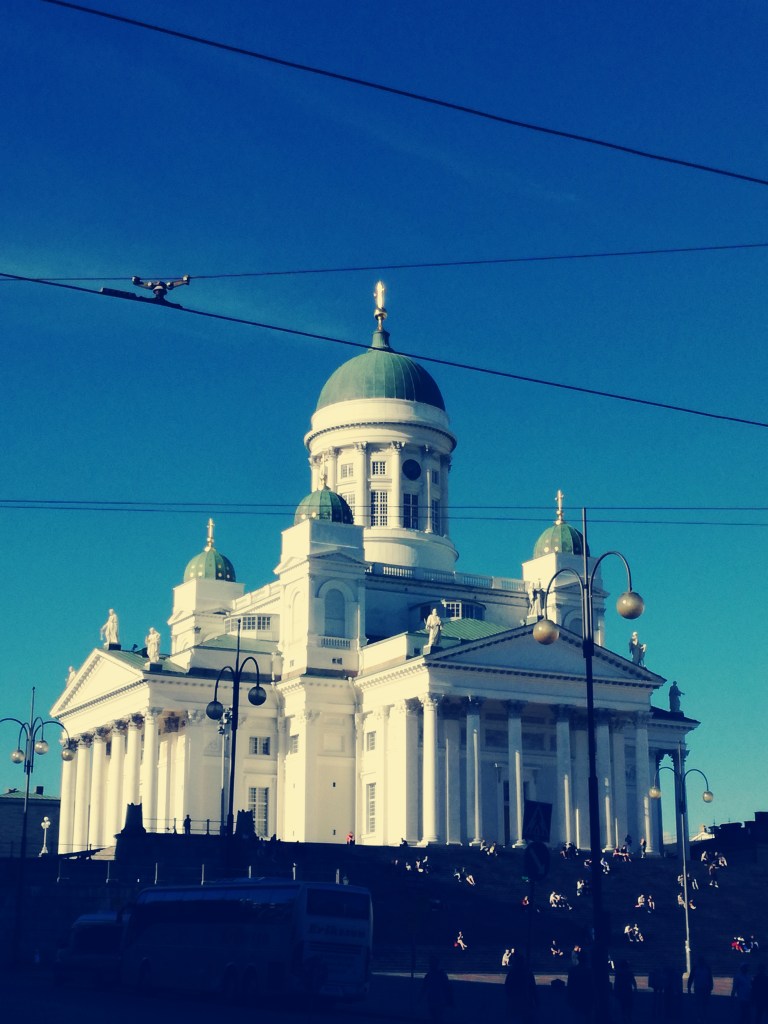
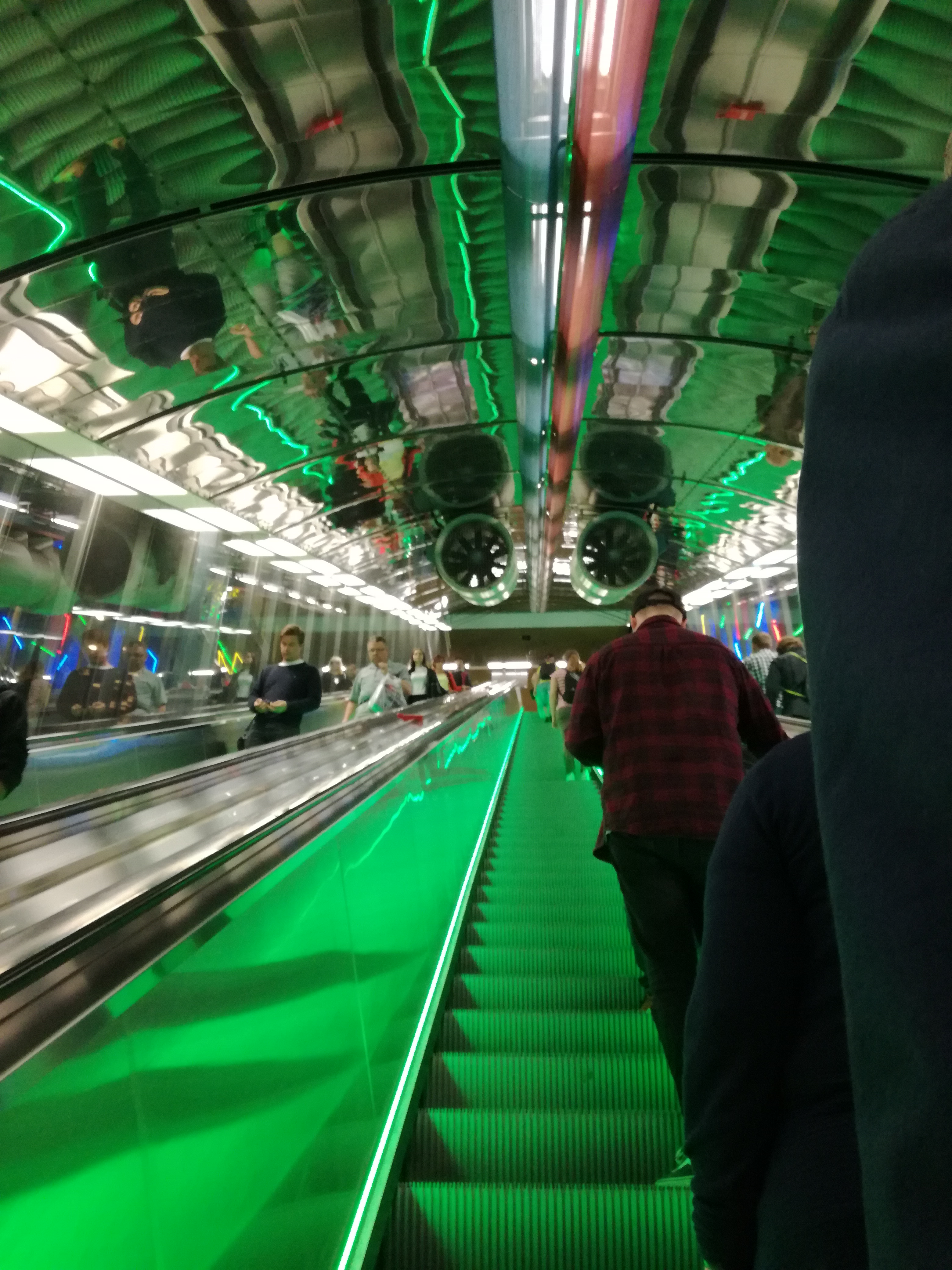
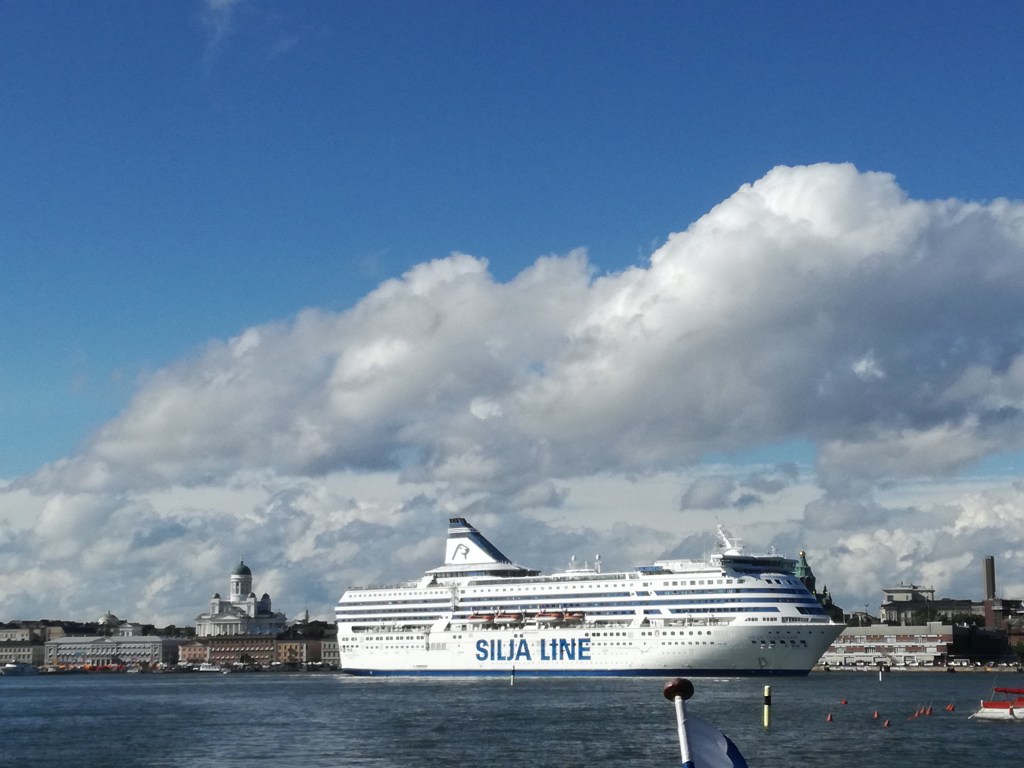
But let’s get started with my first day in Helsinki, Finland’s beautiful capital. Mobility first! Helsinki is incredibly easy to explore with public transportation and the tourist ticket a bargain and includes the many ferry connections within the city. Starting at the city center, my friend and I just went with the flow, keeping our eyes open for all kinds of discoveries. Taking in the historic and modern architecture of the city, the beauty of the Senate Square (Senaatinori) and Helsinki Cathedral (Helsingin tuomiokirkko) impressed me the most. This square is a huge open area surrounded by beautiful houses and there I could see the influence of the German architect Carl Ludwig Engel who designed the place. The statue of tsar Alexander II. is overseeing the main plaza.  All around the Senate Square, in the side alleys, countless beautiful shops and cafés are waiting to be discovered. Somehow our walk took us to the harbour where we chose to use the ferry to “Suomenlinna”. Before we ferried over, we had some lunch, because the market at the harbour offers a variety of fresh seafood and other local specialities, which were too tempting to resist.

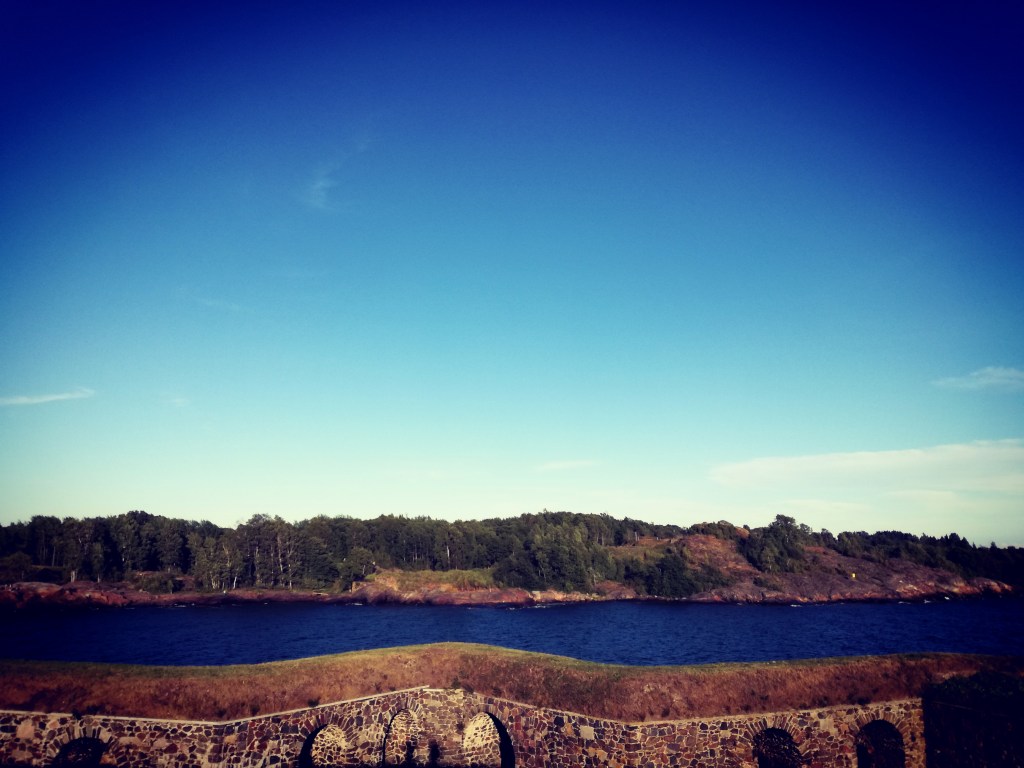
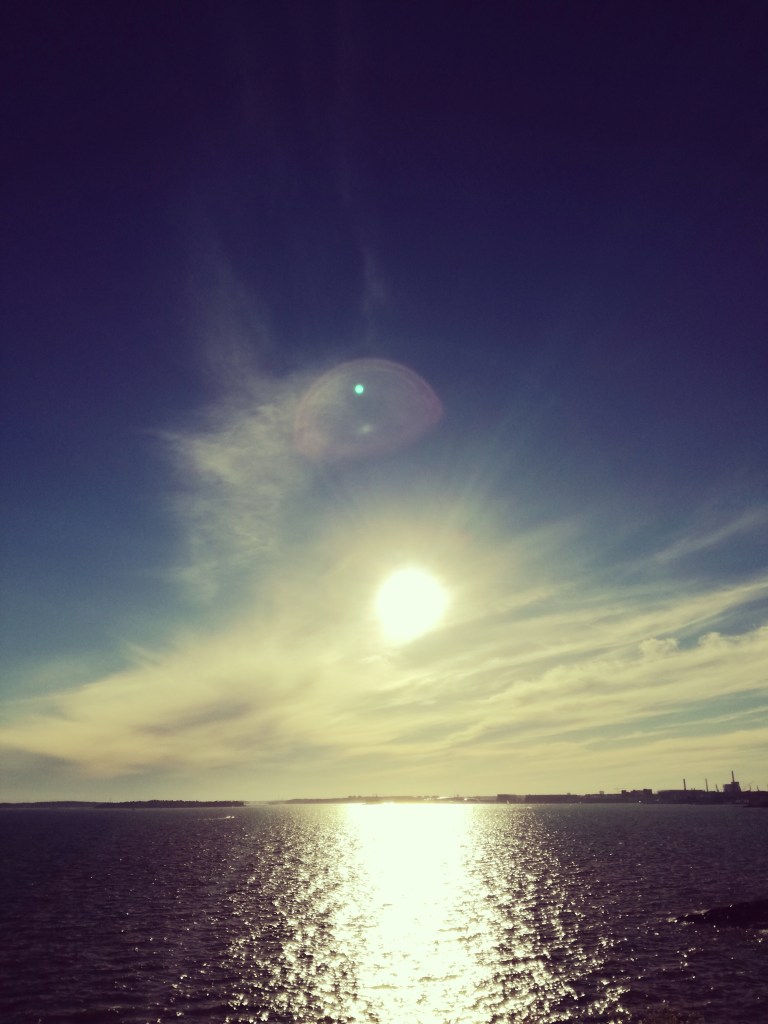
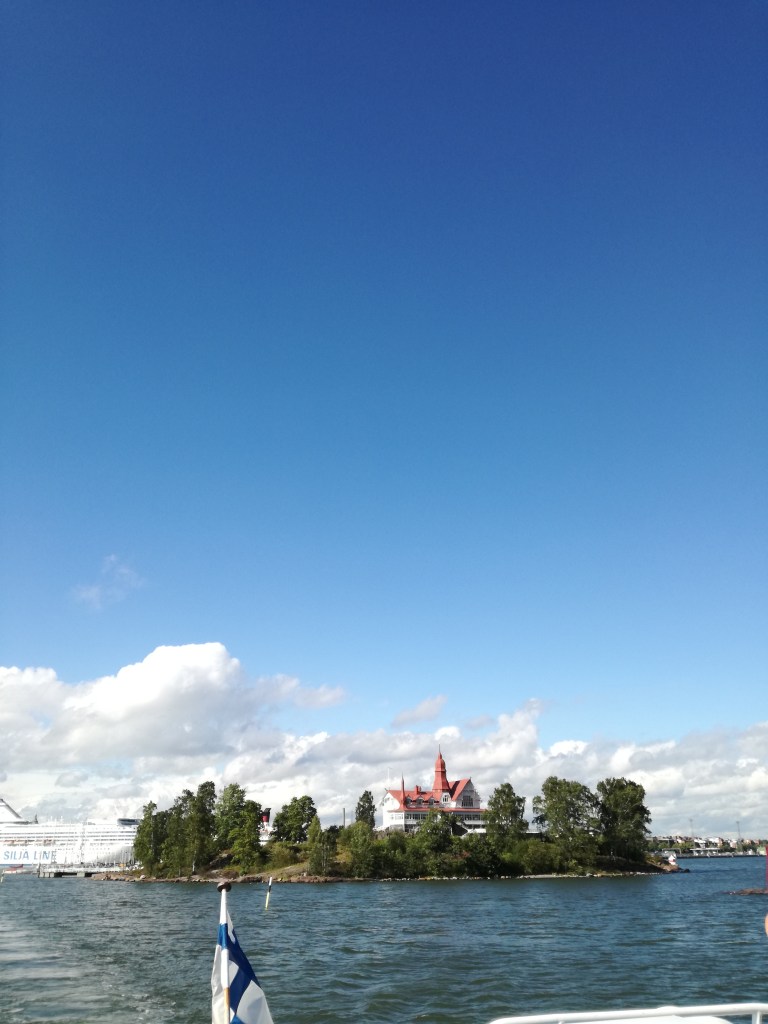
On the ferry under the clear sky, the wind blowing my hair in all directions. The view was spectacular and the nearer we came to the island the better we could see the beautiful skyline of Helsinki. The sea fortress on the island Suomenlinna is a UNESCO World Heritage Site and is not just a picturesque place to enjoy with friends and family, but also a place to learn more about history. During summer when I visited Helsinki the view on the Baltic Sea is fantastic. I could have stayed the whole day on the huge walls of the fortress, soaking in the sun shine and the cool sea breeze, engulfing myself in the mesmerizing emerald blue of the sea, but there was so much more to discover.

  • Suomenlinna, Helskinki, Finland

Since Finnish history is rich and heavily influenced by Sweden and Russia, and if you want to learn more about it, there is no better place to start than at the Finnish National Museum where I travelled from prehistoric times to present day Finland. It was also amazing to learn more about the Sámi who live in the Northern parts of the country. For me one museum is not enough and since Finland is also well known for its arts and design, a visit to the famous “Kiasma” was unavoidable. I really loved the digital art and joining an augmented reality installation. Additionally, the museum building is spectacular and provides different perspectives to all kinds of different angles and viewpoints. Sure, after so much stimulating input, it was time to slow down a bit and digest it. Being in Finland, there is no way to come around the Moomins, thus we headed to one of the Moomin Cafés you can find across the city. You do remember the cute little trolls which were invented by Tove Jansson? I loved the animated series as a child. Therefore, I was really excited to revisit these beautiful characters from my childhood while sipping some tea and enjoying some sweets.

When we visited Stockmann mall, one of the most famous ones in Helsinki, I couldn’t resist buying some Moomin merchandise and blueberry liquorice and blueberry flavoured coffee. By the way, the Fins just love blueberry. Everything is blueberry-flavoured, even coffee. That was really delicious, and wherever I travelled afterwards I couldn’t find anything similar. So, try it out, you’ll be surprised about the combined flavour of coffee and blueberry.

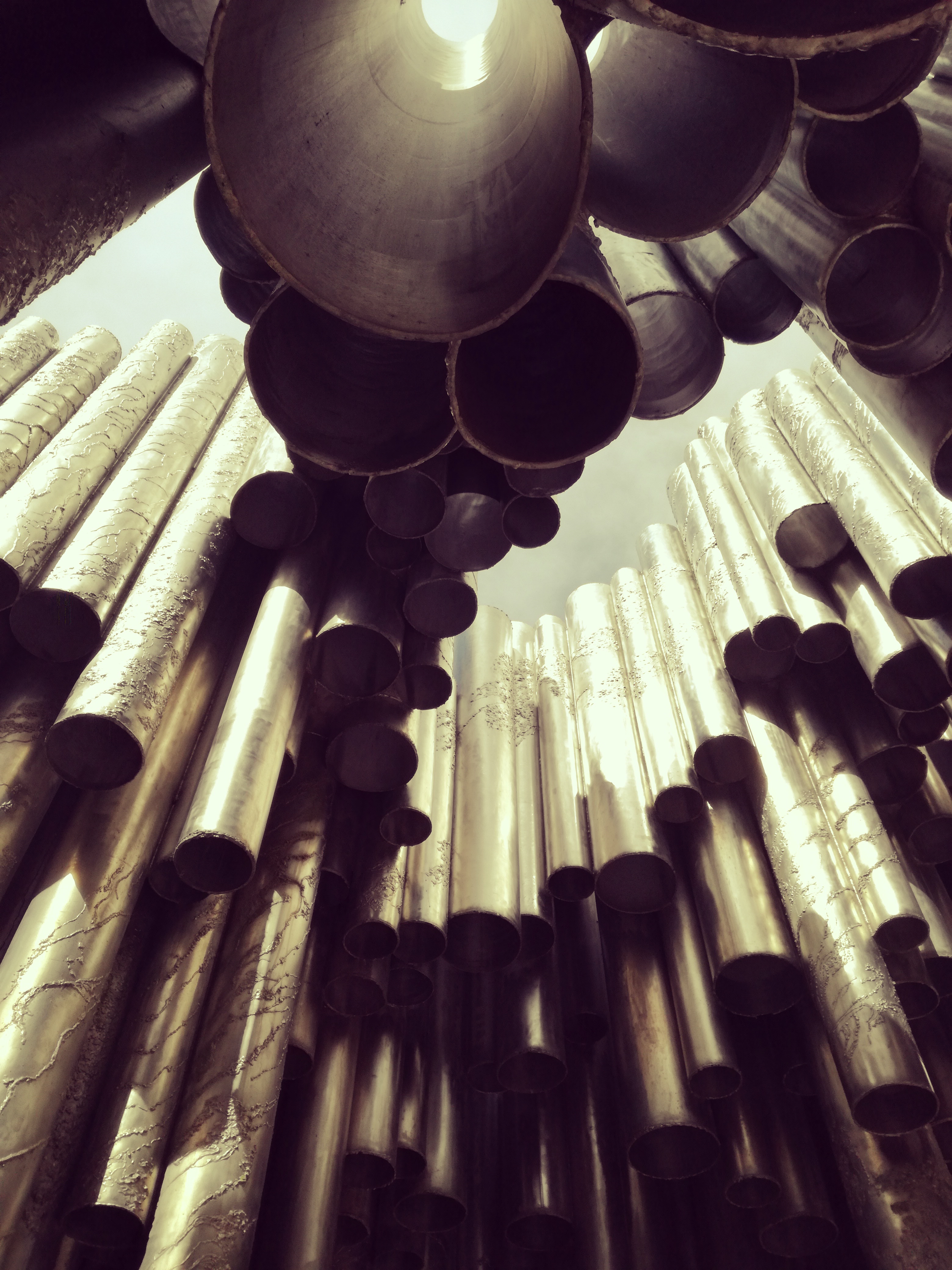
I always enjoy architecture, trying to understand what inspires and shapes a city’s characteristics. A famous place I read beforehand, and I wanted to visit is the Kamppi Chapel of Silence. A wondrous and special building where no sound ever meets the visitor’s ears from the outside. The inner room of prayer was spacious and full of light, a truly special atmosphere. Just standing there for a while and enjoying the sound of the silence together with the other visitors was magical. Everybody tried to avoid making any sounds and interrupt this atmosphere. Despite a loud sports festival on the outside, no sounds entered this haven, and it really provided a place to rest and pray. I was stunned and fascinated by this experience that while taking some pictures from the outside not only did metaphorically get lost at the moment but literally. My dear friend Irina was nowhere to be found in the crowd! I was lost! What to do now? I could not call her, so I summoned my best pathfinder skills and puzzled back the way to her home. Finally, reunited, we continued our sightseeing at the Sibelius monument, which is situated in the park of the same name. Jean Sibelius was the composer of “Finlandia”, the national anthem. I strongly recommend listening to this oeuvre and get an idea of Sibelius’ work while enjoying the park, which provided lush green and the shades of the greens on this sunny day.

Because we lost some time due to my obsession to take the perfect picture, we went straight and without any distractions to Temppeliaukio Church, which is excavated into solid rock. Ok, it’s a hot spot for tourists, but it’s very special, and I’ve never seen a place like this before. And I would have never expected a church from the outside. The air was chilly, but the atmosphere so peaceful and clear. I found a spot to rest inwardly, and somehow it touched my heart. I had the impression to get a bit overwhelmed with this inner peace and rested for a moment. Ok, enough rest, I was in Helsinki to explore the city! So we went up in the air and took a bird’s eye view onto the city at the Atelje bar. Here, we could enjoy the terrific view while planning our next moves.

After walking so much we were getting the munchies and since we were already standing in front of it, we entered Café Fazer. It’s a huge food company which started as French-Russian confectionary. Sure, Belgian and Swiss chocolate is the most famous in the world, but the creamy consistence of Fazer chocolate is worth a try. And I truly enjoyed the liquorice ice cream, which isn’t that sweet but an intriguing flavour to experience. In the closing lights of the day we took a small tour by ferry, that I could learn a bit more about the different islands and districts in Helsinki and enjoy once more the blue of the Baltic Sea before flying home the next day in the afternoon.

Summarizing, Helsinki is a fantastic city and very easy to explore thanks to a cheap but efficient public transportation system. With its many connections one is never stranded even once one gets lost 😉. And thanks to my local guide I could really immerse in the city instead of scratching on the surface. Thus, whenever you have the chance to visit your friends across the globe, always say yes and never say no! You will never know what your next adventure will bring?

Kiitos and hei hei!


The latest IPCC report and first steps to make a sustainable travel change

The current news about the latest reports of the IPCC state that climate change is man-made and the rise of temperature with an average of 1.5C° will be reached 10 years earlier than estimated. Watching the news about the recent events like the flooding in Germany, the Netherlands and Belgium quite close to where I live and the devastating fires in Southern Europe and Algeria are worrisome.

This is not only a wake-up call, because our “house is on fire”, but an immediate call-to-action. Otherwise, it is likely, that we will observe more natural disasters across the globe for example more flooding, rising sea levels and fires like these days in Europe.

Personally, I feel scared, because my own little steps won’t help to reach the goal of keeping the temperatures below 1.5C°, but I strongly believe that we all together can and will have an impact. If you follow me on Instagram, you may have recognized that I volunteer as well and focus on living sustainably. And I’d like to share some inspiration to take immediate steps. If you plan to travel, you may use them as well, but you can use it in your daily life for sure.
Two years ago, before the current report was published, I was reflecting upon my own travel behaviour. Am I really travelling sustainably? Do I need to consider concepts of sufficiency to have a sustainable impact? After looking from different perspectives and learning more about sustainable travel and tourism, I really put my previous behaviour to the test. I had to admit that my travelling habits needed to change.

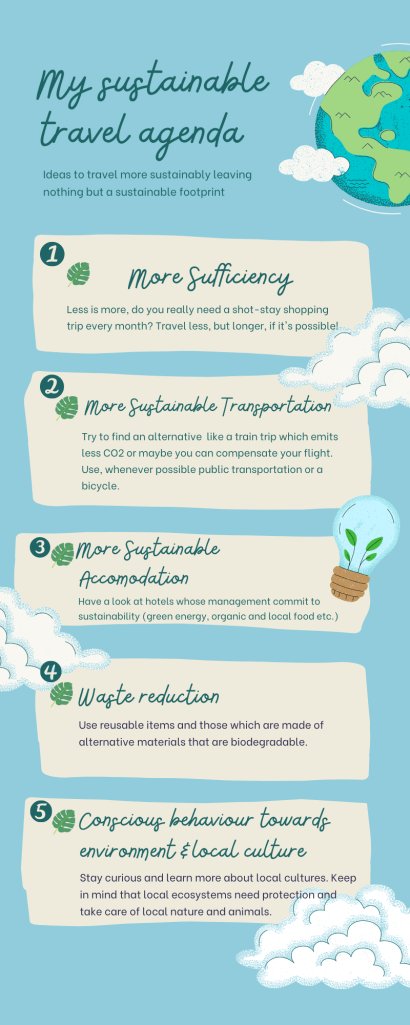
1. Sufficiency is briefly described as an improved consumption pattern, consuming less while acting more sustainable. In terms of sustainable travel, a longer stay is not only much better to learn about the local culture and create a more immersive experience, but it also reduces your CO2 footprint significantly, since transportation is the main contribution to that. But more on that later. Maybe you could even expand your vacation to a staycation and create a unique travel experience, deeper connections to people and their culture, and a change of your perspective if you are willing to learn and open up.
I had to ask myself the question if I needed to travel more often and especially travelling abroad which means that I need to travel by airplane. Therefore, I decided only one long-haul flight every two years but take more time to discover my destination and its people. Personally, the way to go is to travel consciously, not more often, but more intense.

2. Transportation is one big topic in travel industry, because it is “expected to account 5% of all man-made CO2” and it will even increase further, because tourism numbers will rise until 2030. The UNWTO calculated that the CO2-emmissions of cars will decrease, but the amount of CO2 that will be emitted by airplanes will even augment until 2030 to 665 million tons of CO2 (compared to 458 million tons in 2016).
So what can you do to minimize your personal CO2-footprint while exploring the beauty of the world?
Choose your transportation to the destination of your choice wisely:

🚅Take a train
🚘Use car-sharing
✈Compensate your flights

How to move from A to B onsite:

👣Walk around and discover those places that are not crowded
🚃 Use public transportation
🚲Take a bike – some countries are a paradise for cyclists and those who want to become one, and you also do some good for your health condition

Another crucial factor is, as mentioned, time, because your CO2-footprint is supposed to be very high while taking the plane for short-term trips. Therefore, in addition to limiting my travels by plane, I will try to travel as much as possible by train and public transport.

3. Accommodation may have a lesser CO2-footprint than transportation with approx. 6% compared to the total amount of all areas within tourism industry, but it also has an influence on the environment and the life of the employees who do everything to make sure you have a good experience in your favourite hotel. And believe me, there are plenty of good case practices across the globe.
So, what can you do to find a sustainable hotel or hotel?
My first advice is that you should check the homepage carefully. Here are some questions I ask myself before I choose to book.

How does the management commit to sustainability?

Is there a separate landing page for sustainability, or do they just mention it for the purpose of greenwashing to appear sustainable?

Do they support the Sustainable Development Goals?

Do they have further information about their sustainable best practices:

  • Do they support local initiatives (women empowerment, community work, disabled people)?
  • Do they use local food suppliers or do they grow their own vegetables?
  • How do they use technology for cooling and heating? Are they net-zero?
  • Are there any information about waste management (use of resources, avoid plastic, recycling, water management, because it’s a scarce resource in some parts of the world)

You can also check, if the hotel or hostel has a certification (Green Grey, GSTC etc.), but in my humble opinion not all hotels providing sustainable best practices have automatically an approval. I also experienced cases with a certification and plenty of plastic waste, so do some research and have fun while learning and enjoying great places while contributing to sustainability.

3. Waste is one great aspect to have a huge influence to reduce CO2-footprint, because plastic “originates from fossil fuel”. The more plastic you avoid and replace with biodegradable items, the better for our oceans and your health, because microplastic is a serious problem for animals and humans alike.
So, what can you do to improve your personal waste management, before your journey starts:

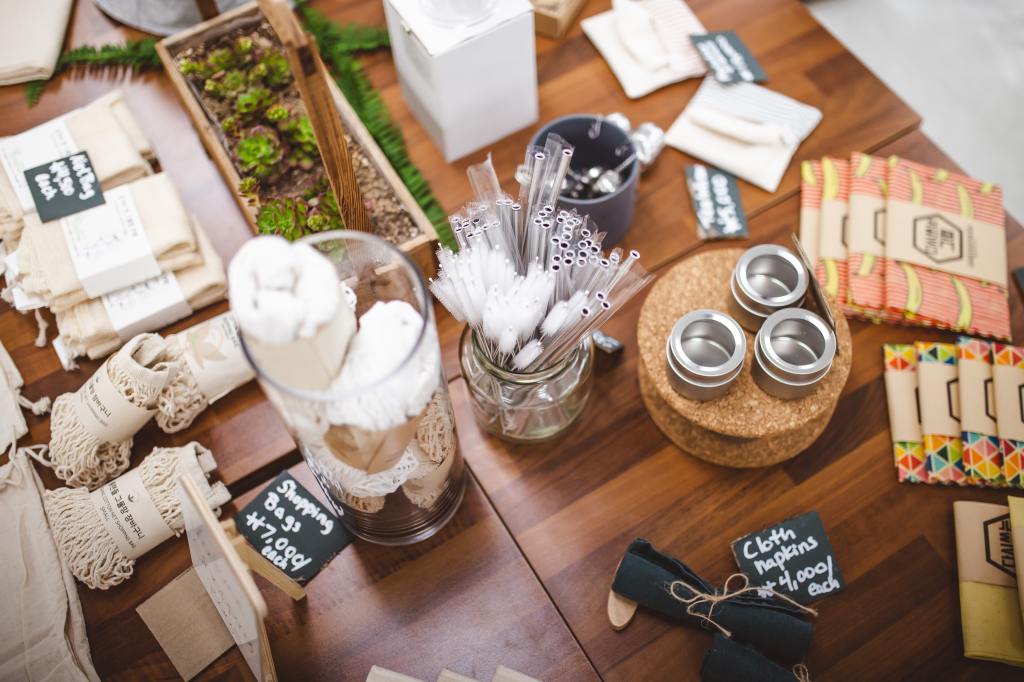
✅⠀Reusable coffee mug

✅⠀Reusable water bottle, check out the availability of tab water and refill stations

✅⠀Shower soap, shampoo and conditioner soap bars, yes, your hair will shine 🙂

✅⠀Sunscreen without nanoparticles

✅⠀Check out for reusable hygiene articles you may find in your local/online zero waste store

Photo by Anna Oliinyk on Unsplash

You can also improve your waste management onsite, because every plastic bottle you can avoid is a win. If no tab water and no refill station is close, just consider taking a small break in a cozy café and enjoy the moment. Sometimes a break is refreshing, and maybe a great conversation is already waiting for you.
If you still have some reusable items, please don’t throw them away, just use them as long as you can before you replace it with a sustainable alternative made from bamboo, wood or steel.
If you’re heading for a beach or places that maybe have a less improved waste management, lead by example: do a beach clean-up, collect some trash and avoid buying items with too many wrappings.


5. Last but not least you will have a sustainable impact with every conscious choice you take, for example:

Enjoy local and fresh food (no, I don’t understand people who complain that their favourite food from home is not served thousands of kilometres away), because this also decreases your CO2-footprint, if you don’t chase after your favourite dishes from home

Buy local products, because you support local businesses and show interest and respect towards their culture

This article was supposed to be published earlier, but after learning about the current IPCC report and some further reading about climate change and the negative impact it can have, if we don’t start to act now, I felt quite frustrated that this little article and the whole project of blogging wouldn’t have enough impact.

I hope you enjoyed reading and got inspired a bit. Feel free to add a comment and share!


How zero-waste stores minimize your amount of waste

Here’s an article I wrote for one of my volunteering engagements and I would love to share this one on my blog as well, because it reflects my personal journey towards zero waste.

This month I would like to showcase how zero-waste shops can help you to reduce your amount of waste and work towards a more sustainable lifestyle.

You might have already heard about the concept of zero waste, but let’s have a small recap of its definition:

“Zero Waste is the conservation of all resources by means of responsible production, consumption, reuse and recovery of products, packaging and materials without burning, and with no discharges to land, water, or air that threaten the environment or human health ” [1].

Another important topic is circular economy which is closely related to this matter and aims to produce, consume, reuse and recycle products in a way that new products can be created without producing any waste [2]. Circular economy is focusing on production patterns and it requires innovative solutions to face the climate crisis, because for every product energy is needed in the production process. It is important to keep that in mind while making our choices towards more sustainability and our own journey towards zero waste.

This, of course, leads us to the Sustainable Development Goal No. 12 which states:

“Ensure sustainable consumption and production patterns” and especially the subcategory 12.5

“By 2030, substantially reduce waste generation through prevention, reduction, recycling and reuse”

With a closer look at your consumption patterns you can ensure to make SDG 12 happen! 

Where exactly does one start?

Of course, this is quite a tough topic and when I started my personal journey towards zero waste, there weren’t many zero-waste stores around. Therefore I started with very small steps . The first ones I did were to avoid plastic and the use of alternatives like bamboo or paper packaging.

After a while the first zero waste stores opened nearby and this was a good opportunity to discover new products. But what exactly makes a difference to usual stores?

Zero-waste stores offer a variety of products from organic fresh fruits and vegetables to natural cosmetics and day-to-day products for your home without any packaging. Some products, especially daily care products, still need some wrapping, but usually recycled paper or other materials which can easily be recycled are used. 

My starting point was plastic. Plastic is a very versatile group of materials and in today’s society, life without plastic is unimaginable. But unfortunately only very little of it is recycled, it is simply disposed of into the environment. This has a devastating impact on nature.

So, after a brief reflection on where I produce plastic waste, I decided to start to go towards zero waste in my bathroom.

A product I commonly used in my daily routine was shower gel, which comes in plastic bottles. Therefore I decided to switch to soap which doesn’t necessarily need packaging or only some paper to wrap it in. While familiarising myself with the topic, I became aware of solid shampoo and conditioner, which I incorporated into my hygiene routine. I even switched to solid deodorant. Most of these products I discovered in nearby zero-waste stores. Quite a few of these products are produced by local businesses, which is in line with our above mentioned SDG.

A calculation estimates the amount of waste I was able to reduce per year in my bathroom by just switching to solid soap and shampoo:

Product Bottles per Year

Shower Gel

12

Shampoo

12

Conditioner

6

Total amount

30 

It doesn’t seem to be much, but imagine myriads of people doing so. Still, the journey is ongoing and I am still reflecting and reviewing my habits to make further improvements. There are many other items I use like a wooden brush or reusable make-up remover pads, but it is difficult to estimate how much waste I reduced by using them, so I did not include them in my calculations.

There are still many other occasions to make a sustainable choice when you go out and buy new products. If you have a zero-waste store close to you, have a look. By discovering their products you might identify in which area of your life you would like to reduce waste. In my experience these shops offer very good service and are more than willing to assist you in your decision-making process or answer any questions.

Thanks to these shops and their range of products you come across a lot of ideas which will inspire you to new ways of reducing waste.

Another easy starting point is to avoid unnecessary plastic packaging for vegetables and fruits, because they naturally come with protective coating. Do you really want to buy a cucumber which is hugging its plastic blanket? Exactly, try to avoid it! Sometimes glass offers a good alternative and you can find many products like fresh juices, yoghurt or jams without a plastic packaging, but in glasses and glass bottles.

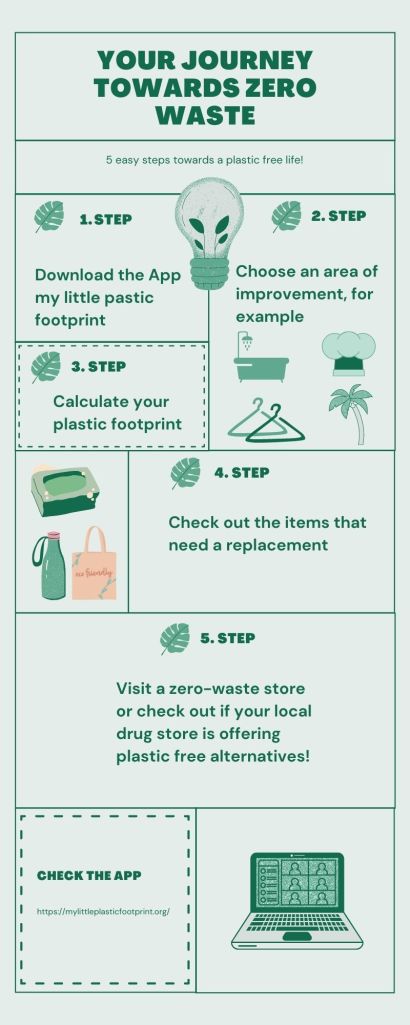
There is a very useful app that helps you to analyse your plastic footprint.

It helps you to identify your footprint and raises awareness in which areas you can find alternative products.

5 Steps towards zero waste!
Your journey towards zero-waste

Discovering new products can be fun and no one said that zero waste has to be a serious topic!

Enjoy making conscious choices!

[1]: https://zerowasteeurope.eu/what-is-zero-waste/

[2] https://www.zerowastescotland.org.uk/circular-economy/about

[3] https://sdgs.un.org/goals/goal12

Authored,& Published by Stephanie Kusemann |Edited by Gergely Lazar Illustrated by Oğuz Yılmazlar |Supported by Amazon, Facebook, Instagram, LinkedIn, Substack, Twitter & WordPress Publications

PaleBlue.WhatAreYouStillWaitingFor.Space

© 2020 WAYSWiFt Works

The opinions expressed by the author and those providing comments are theirs alone and do not necessarily reflect the views of AAI (AIESEC Alumni International).

Let’s travel digitally!

Have you ever travelled digitally? Did you ever consider a trip where you won’t even leave your living room?

Me neither until I heard of this concept during an online event within my AIESEC Alumni Europe community! Well, why would I do that? When you remember some weeks before we had quite strict travel restrictions all across the globe and the situation was frustrating to all of us. Luckily, the situation is improving every day, but at that time I wanted to have a surprising and innovative gift (also a small reward for myself 🙂 ) and yes, I wanted to get some new input instead of complaining about the situation.

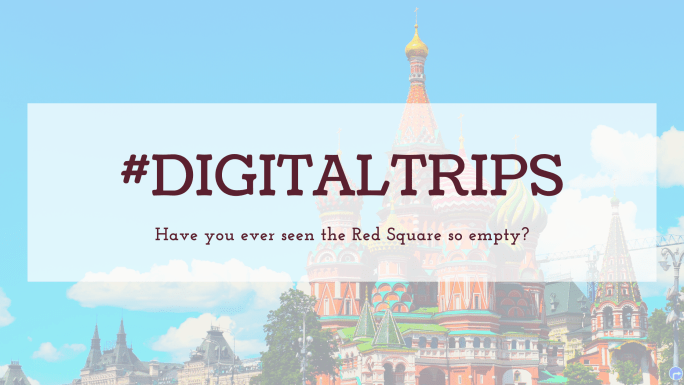
My first virtual travel went to Moscow and started at the world-famous Red Square. Usually, from what I know, it as a crowded space full of life. You can imagine that I was quite surprised to see this famous place so empty! Maybe the weather conditions were not that inviting, because our guide navigated us through grey and rainy weather. We started at the historical heart of Moscow: the Kremlin and learned that its massive walls were “newly” built by the Italian architect  Aristotele Fioravanti in the 14th century! Of course, we stopped by the famous “Spasski tower” whose bells traditionally welcome the New Year in Russia! Further we went past Lenin’s Mausoleum, but we didn’t enter. It’s the resting place of the Soviet leader Vladimir Lenin, whose mortal remains are lying in state there.

Off we went to the famous Saint Basil’s Cathedral that always appeared as if it was decorated with sugar icing. The colours and the architecture looked very impressive even though we just could watch it from our screen! I was even more impressed when I learned that the cathedral was consisting of 9 domes and churches! I would really love to visit this amazing cathedral and learn more about its architecture!

When the rain got too heavy, our guide Anna sought shelter at the nearby GUM to show us the famous and luxurious mall with all its glory. Flashing colours and hallways full of designer brands mixed with Soviet nostalgia created this very special atmosphere of the place and we got it even though we were thousands of kilometres away! Unfortunately, the GUM is famous for its ice cream and every visitor young or old gets themselves some, but not for us! Oh, those lucky people!

We continued with our trip towards the Bolshoi Theatre and learned about the famous ballet and the difficulty to get some tickets as visitors, because this is a cultural highlight for locals and visitors alike!

In the end we had some time for a chat and questions to discover that Moscow even has a vivid coffee culture and lots of modern urban spaces to meet, chat and work.

My conclusion in the very end was that this digital trip was worth a try! Thanks to our dear guide Anna we could learn, interact and see some of the most famous spots in Russia’s capital! Will we ever see the Red Square that empty again? It is comparable to a good movie trailer. You can learn, watch, observe and even chat with locals. But in the very end, you really want to visit a place and we definitely put it on our bucket list!

Digital travel is a nice way to avoid overtourism and to reduce your CO2 footprint and get a glimpse to a different culture, but it is not a substitute for the real deal. In the very end it’s up to you, but I really recommend to try it out!

The cake in the picture was an original recipe from Anna to taste some traditional Russian food: приятного аппетита!

[No paid ad!]


Tourism and COVID-19

How Your Community Can Empower Sustainable Tourism

Just a few words to introduce this article which I wrote during one of my voluntary engagements in the past year! It was inspired by a collaboration with a business incubator TheSpace for which I volunteer as coach to support a sustainable travel agency 2Morrow Trip! Enjoy reading!

SARS-CoV-2 and the resulting global lockdown and the travel restrictions are a massive shock to the tourism industry in every nation. It is estimated that tourism arrivals could fall by 20%-30% compared to 2019. Tourism is among the industries that are hit the hardest by the global pandemic [1]. 

But what exactly can be done in these tough times? This question was asked among our community members in Africa and Europe because we all are passionate travellers and explorers, who are now confined to one location.

Therefore, we started a video project that showcases our whereabouts with our unique perspective, so together we can break out of our daily routine. It is also a chance to develop myself and step out of my comfort zone. Usually, I do not produce videos or stand comfortably in front of a camera. 

The idea was to support a friend with his travel startup, but it developed into a video project that is meant to connect people, give them some hope and invite them to travel digitally during the lockdown. 

While working on this voluntary project, many thoughts and ideas came up, such as how the current situation could lead to more sustainable tourism after the crisis. 

As stated in Sustainable Development Goal No. 12: “Sustainable Consumption and Production Patterns: Tourism should develop and implement tools to monitor sustainable development impacts for sustainable tourism that create jobs and promote local culture and products [2].”

But with many jobs at risk and global travel restrictions current, support of this goal is difficult. What are we observing now and what could be applied to tourism after the crisis? 

Economically: 

In all our videos, we see empty places. Some of them are usually full of tourists, others are more rural areas where we can see a quiet and peaceful landscape. Do you ask yourself about the influence mass tourism has on local people and the environment? If you remember your last trip to one of your favourite places, you realized that it is also a popular spot for others. How did it influence your experience? And, did you ever think about the locals who live in such a tourist hot spot? In the time before SARS-CoV-2 we do remember many discussions about mass tourism in popular hot spots and here we see a chance to introduce you to places that are still unknown, but beautiful and rich in culture. Rural destinations, especially, are struggling these days, but raising awareness about them offers a chance for them to be discovered and to attract new visitors after the crisis [3]. In these areas, you will not find a mature infrastructure yet, but starting from nothing offers a fantastic opportunity to build a sustainable infrastructure from the very beginning. This could be a chance, especially for smaller hotels to strongly commit themselves to sustainability to attract new travellers. In times of crisis, there is a rising awareness about sustainability and our interdependence with nature as well. Because of the way many people are losing their jobs now, this might result in a decision-making process that considers the different dimensions of sustainability. It puts us in a position to thoroughly reflect upon this situation. One way or another, the reader must cope with this challenge her- or himself. Consequently, we should also contemplate our travel behaviour [4]. 

Ecologically: 

In terms of the influence tourism has on nature, it is often argued that external costs like CO2 are not considered in the pricing of tourism services, for example, flight tickets [5]. We currently observe a decline in CO2 and other greenhouse gases [6]. The emissions in China, for example, fell 25% at the beginning of the year, which resulted in better air quality in their cities [7]. Besides a reduction in CO2 emissions, it is also observed that fewer vehicles on the road cause less roadkill in the UK [8]. What can we learn from these findings? It is argued that nature should be part of the solution [9]. We may use these learnings to harmonize our actions towards nature and support the SDGs as well. This may result in a more sustainable lifestyle, not just for consumers but also producers and suppliers.

Socially: 

Travelling – most of us love discovering the world to get connected with others, learning about diverse cultures and yourself, while being lost in an unknown place. Whatever our reasons are, we are social beings, and nowadays we have to physically distance ourselves. Our video project cannot break this barrier, but it will give you the feeling of staying connected around the globe with like-minded individuals. We should not forget that we are in a comparable situation. We want to keep our hearts and heads up until we can see each other again. We can look forward with the knowledge that our curiosity and an open mindset are the keys to recreate the world more sustainably. 

One can conclude that with our project, we would like to engage, commit and be part of the solution for more sustainable tourism.   

Do you want to #hopinonline with us? Please reach out too for further information on how to engage in our video project. 

For more information, please also read the article from my friend, Krisztina Kapuvári.

[1] International Tourist Arrivals Could Fall by 20-30% in 2020

[2] Goal 12: Sustainable Development Knowledge Platform

[3] A Call for Action to Mitigate the Socio-Economic Impact of COVID-19 and Accelerate Recovery

[4] Tourism After Corona: Impacts of COVID 19 Pandemic and Way Forward for Tourism, Hotel and Mice Industry in Sri Lanka

[5] (2007): Dr Susanne Becken, Prof. John E. Hay; Tourism and Climate Change: Risks and Opportunities 

[6] Carbon Emissions Are Falling Sharply Due to Coronavirus. But Not for Long

[7] Will COVID-19 Have a Lasting Impact on the Environment? 

[8] Climate Crisis: In Coronavirus Lockdown, Nature Bounces Back – but for How Long?

[9] As COVID-19 and Nature Are Linked, so Should Be the Recovery

Authored & Published by Stephanie K. | Illustrated by Oğuz Yılmazlar |Edited by Gergely Lázár & Lee Vallance |Supported by Amazon, Facebook, Instagram, LinkedIn, Substack, Twitter & WordPress 

PaleBlue.WhatAreYouStillWaitingFor.Space

© 2020 WAYSWiFt Works

SUBSCRIBE