Like a local in București

Here we go again! Apologies for such a long time without new content, but sometimes you have to catch up with your professional life and it was a bit turbulent in 2022.

Now, I’m happy to be back with some fresh inspiration and impressions from this year’s travel.

I dedicate this article to all the wonderful people I met at ERAC 2022, our wonderful hosts and the organizing committee, and all those who helped me when technology failed!

As you already know, besides blogging, I am very active in AIESEC Alumni which once more provided a reason to travel after a two-year’s break due to COVID. This time, beautiful Bucharest was already awaiting the AIESEC Alumni European conference and a great study tour. Due to the current situation, we are facing here in Europe, the program focus shifted to Leading for Peace, even though sustainability was still a part of it.

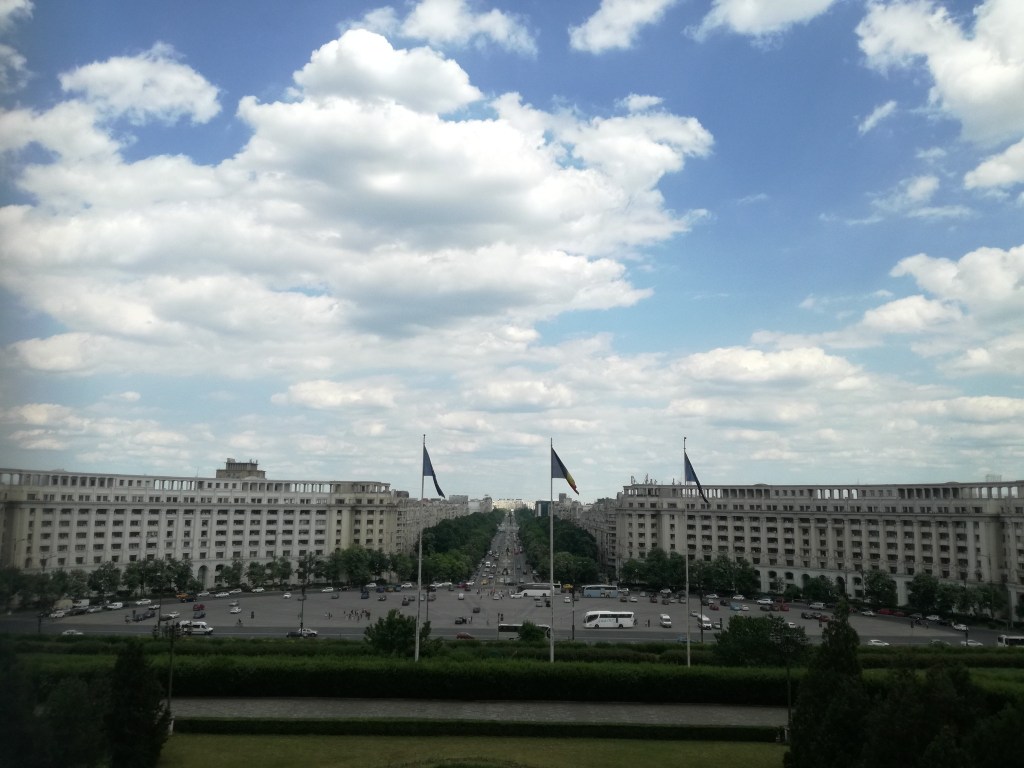
Fitting to the change in program, a guided tour through the Palace of the Parliament (Romanian Palatul Parlamentului) was included. It is an astonishing building with spacious halls and ceilings. From the outside, you get an outstanding impression of the size of the second-largest administrative building in the world since it looks like a whole city district in itself. And believe me, it is enormous. During the one-hour-long tour, we saw less than 10% of the whole building. After taking some pictures on the balcony where usually politicians and VIPs speak to the people of the Romania at the end of our tour we leisurely strolled through the close-by “Parcul Izvor”. I can strongly recommend going there for sunset when the Palace shows itself in the beautiful light of dawn reflecting in bright pink.

The before-mentioned panel on “Leading for Peace” provided us with new personal, but also political thoughts and perspectives. This lead to further reflections and deeper discussions within the group.

Besides fantastic workshops about storytelling and an abundance versus fear mind-set, the whole atmosphere of the conference provided me with even more positive energy which kept me energized for a few more weeks after my return. Another highlight for me was sharing a personal story about my time in school. Receiving very good feedback, even the comment this is a “real leadership story”, helped me enormously to put my personal development into perspective and continue my growth. This was in retrospect one of my most important learnings of the year.

At some point, the conference has to end. And after many wonderful conversations and discussions and revivals, unfortunately, some of us had to depart. The ones who stayed for the voluntary Study Tour typically allow the participants to dive deep into the local customs and life of the host country after the big AIESEC conferences. So, off I went to explore the vibrant city life of Bucharest for two days even if I had to pass on the chance to hike through Transylvania.

And what’s the best way to explore a city?

Exactly! By public transportation and walking! And that is how Monica and her friends, our local tour guides, took us around the city. But beware, all public transportation in Romania’s capital works without cash! So make sure your bank and credit cards are working properly. I will tell you later why that’s so important!

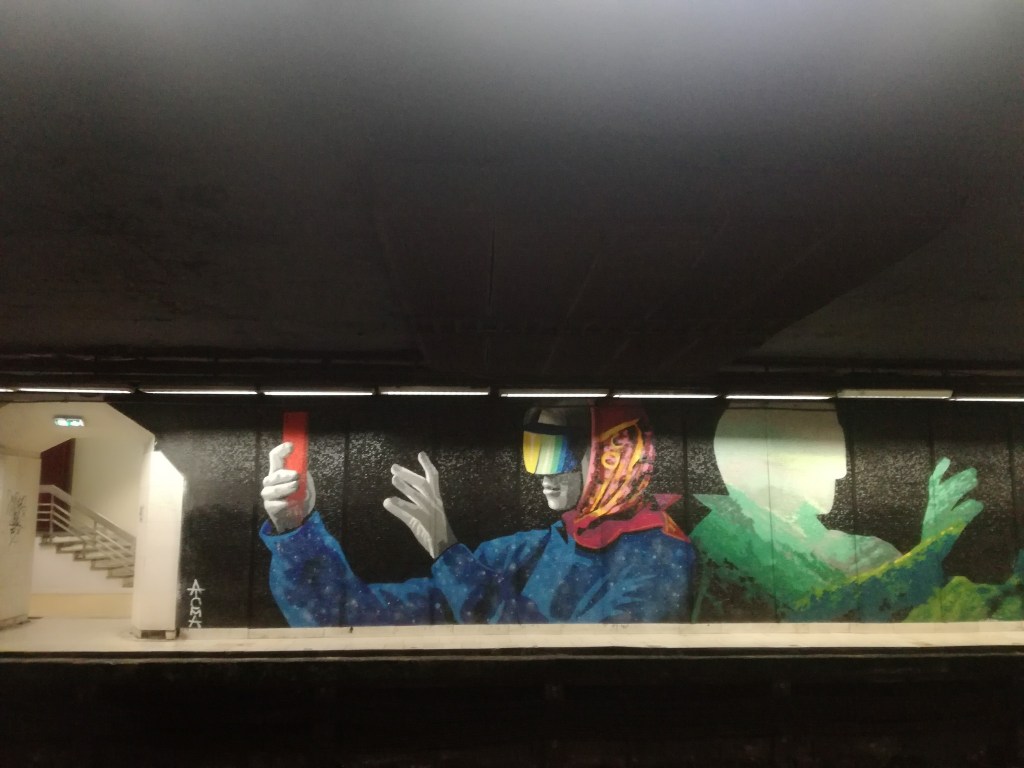
By the way, the metro in Bucharest has some wonderful more or less hidden street art to spot when you travel to the different parts of the city.

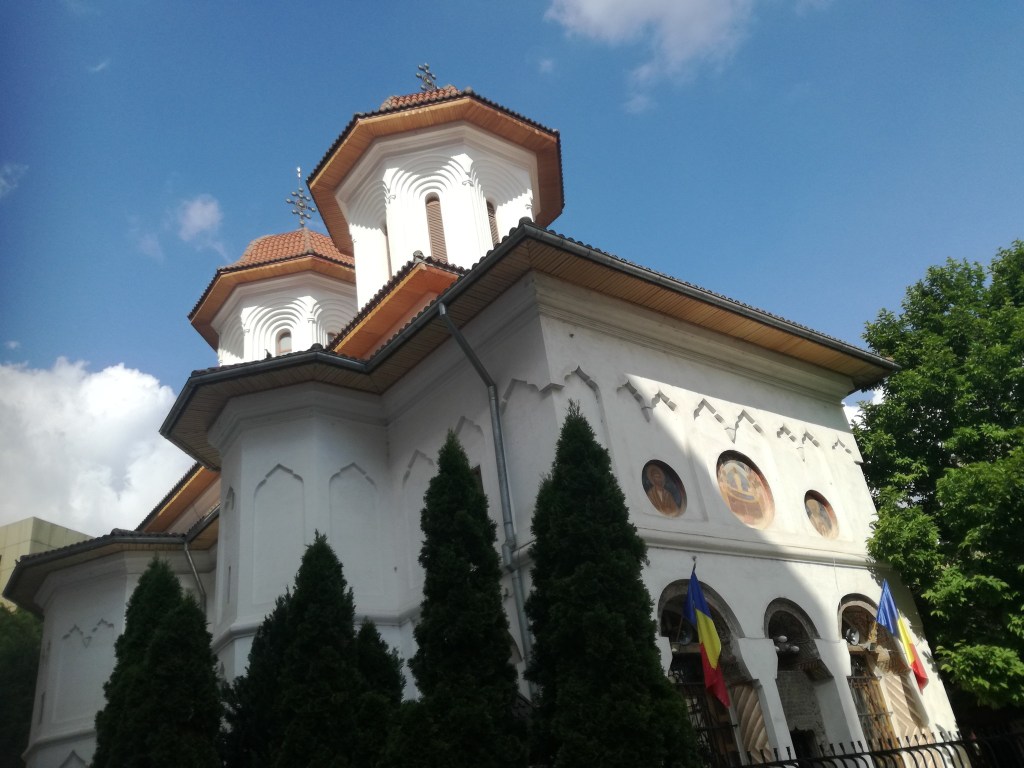
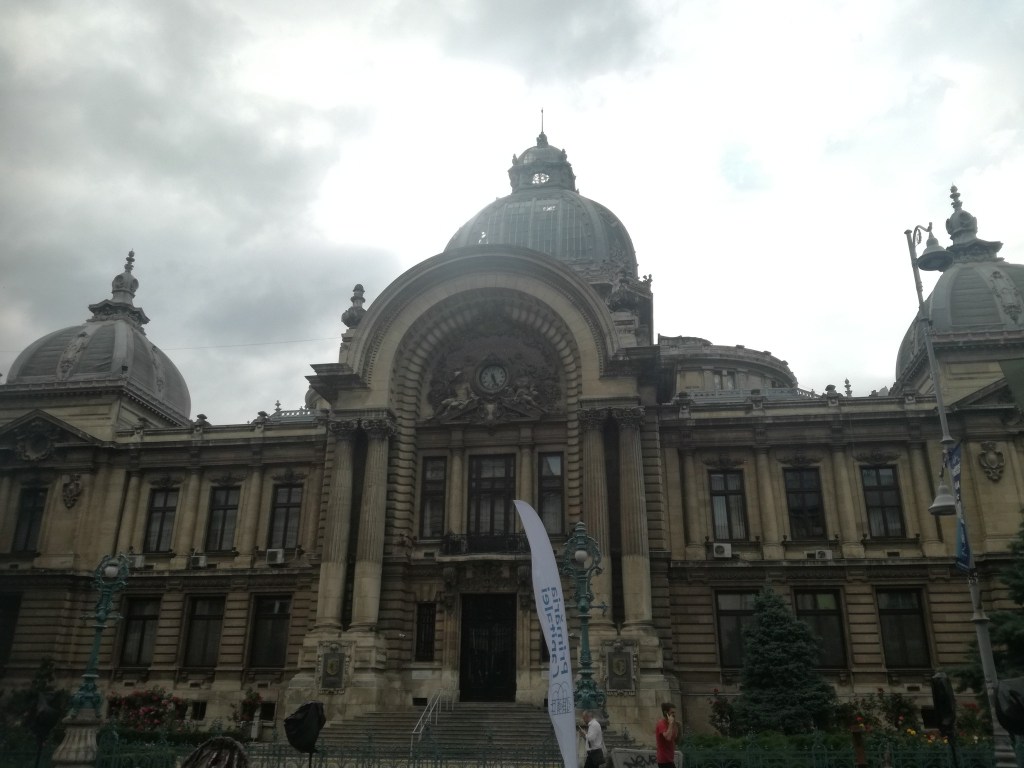
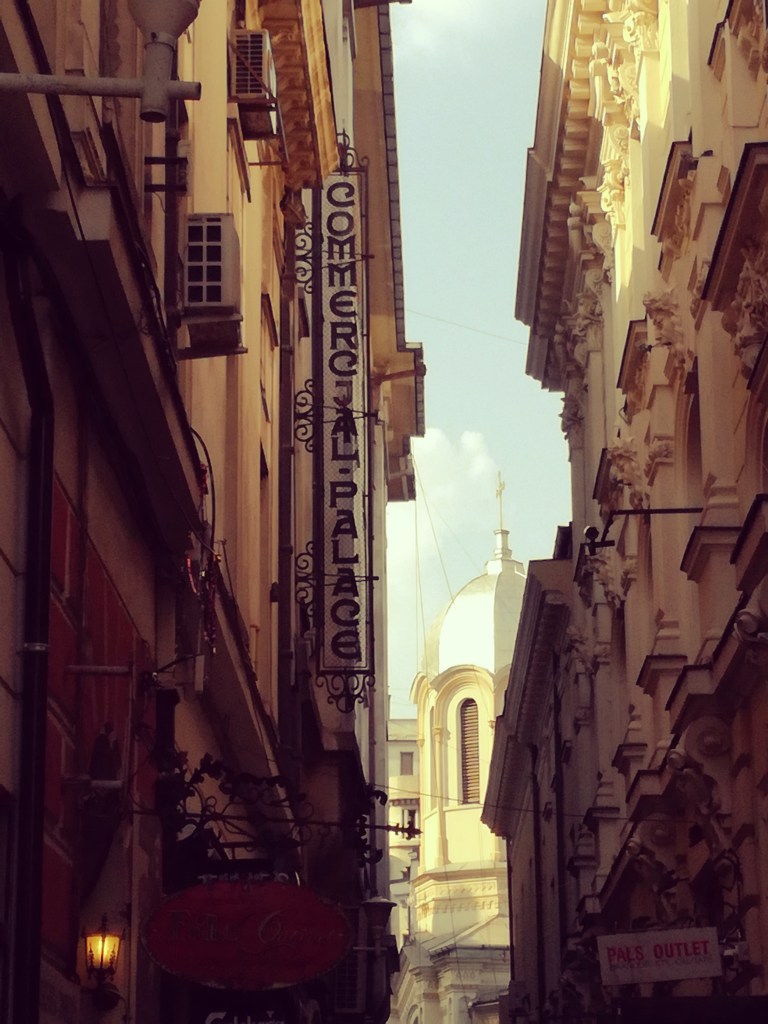
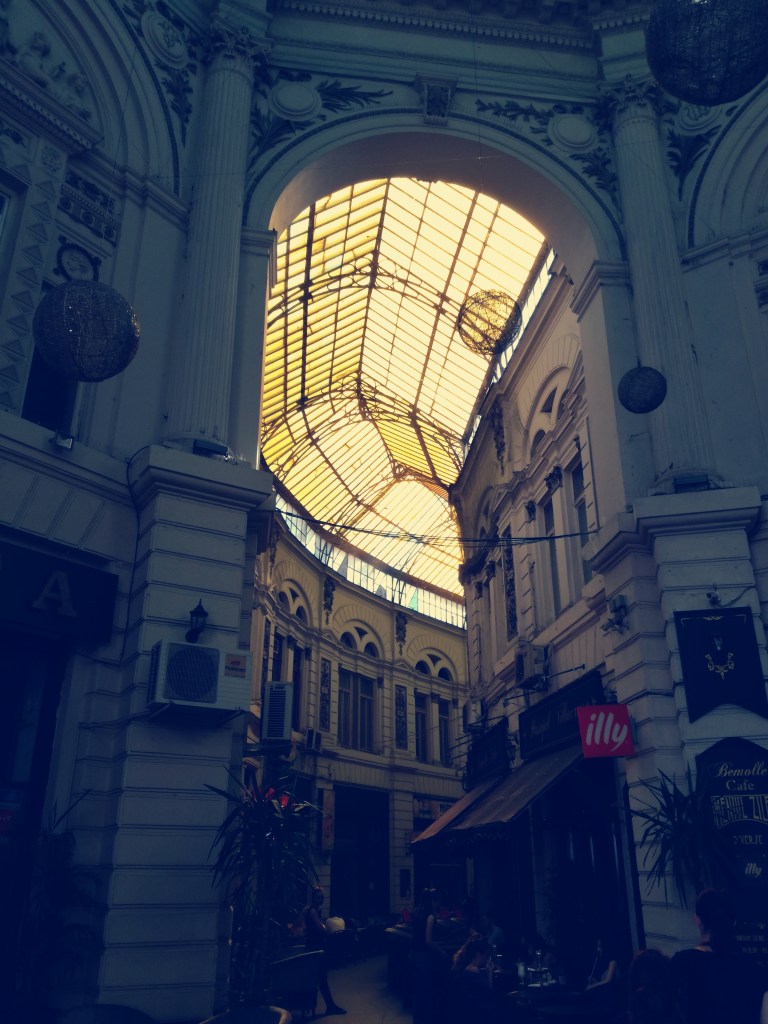
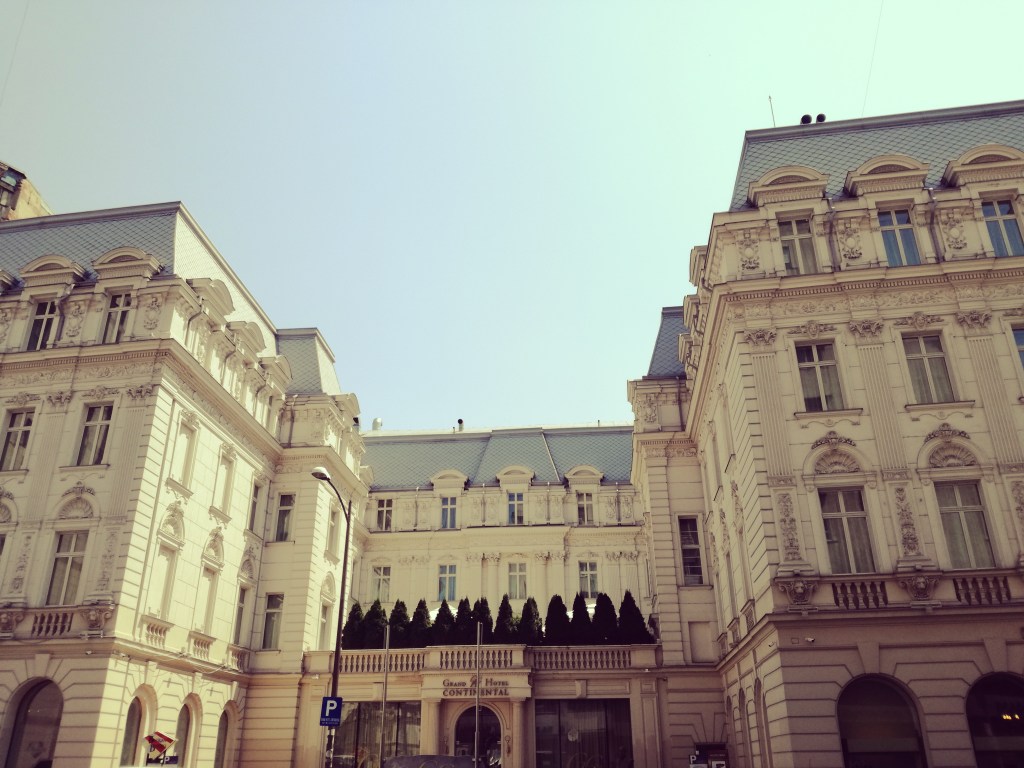
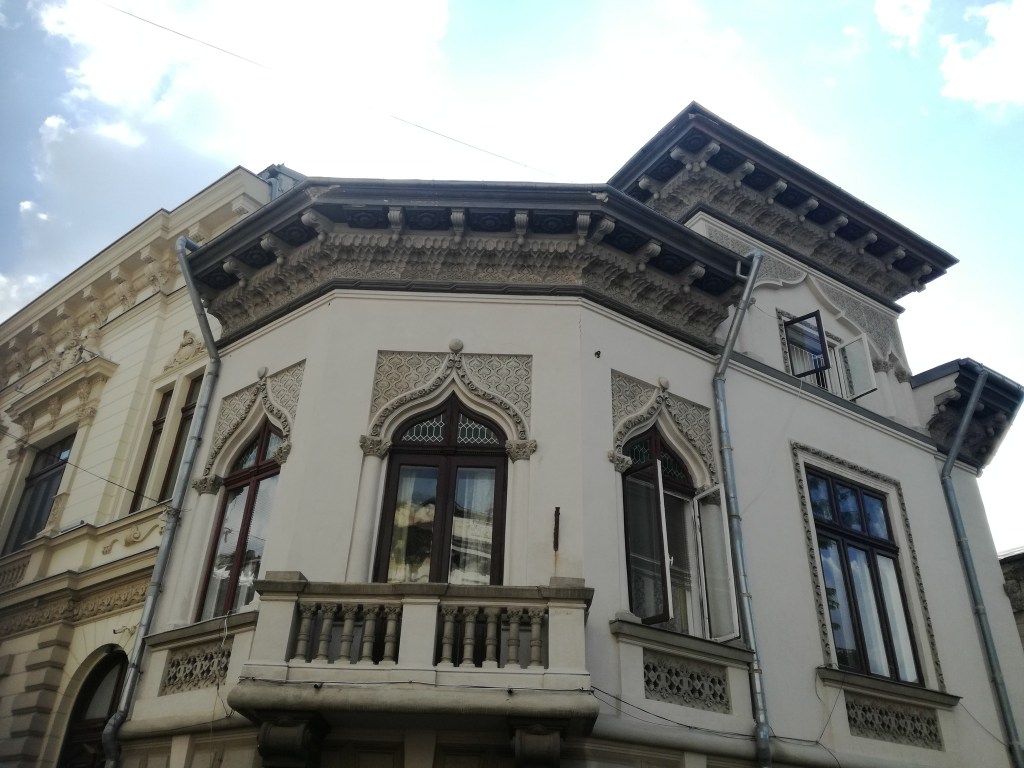
Of course, we started with exploring the old town, strolling through the centuries of history the city has to offer. Already during my first visit, I noticed much fold of architectural styles that made up the town. It was clearly oriental-influenced Art Nouveau and Art Deco buildings are vying with Neo-Romanian and communist-era architecture. At every corner, it seems, the buildings are telling stories of Bucharest’s rich history, which our guides translated into words.
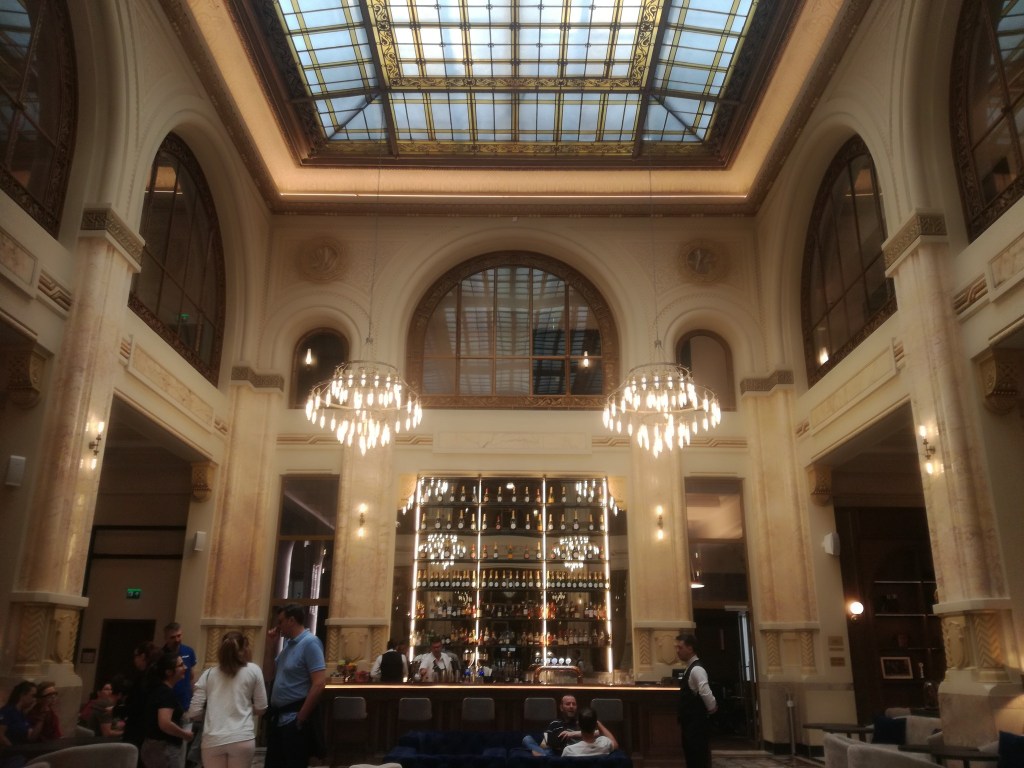
One stopover was at “Maramorosch”, once the most influential bank in Romania, now a hotel. In Bucharest, everyone loves good coffee and there is no better place to have one in style than in this splendorous display of grandeur and a cosmopolitan lifestyle in the spacious lobby of this hotel. Please note it’s also open to visitors. In one of the rooms behind the lobby, there seems to be a place for fine dining. After our coffee or beverage of choice, we left this Belle Epoque-influenced hotel to continue our tour.
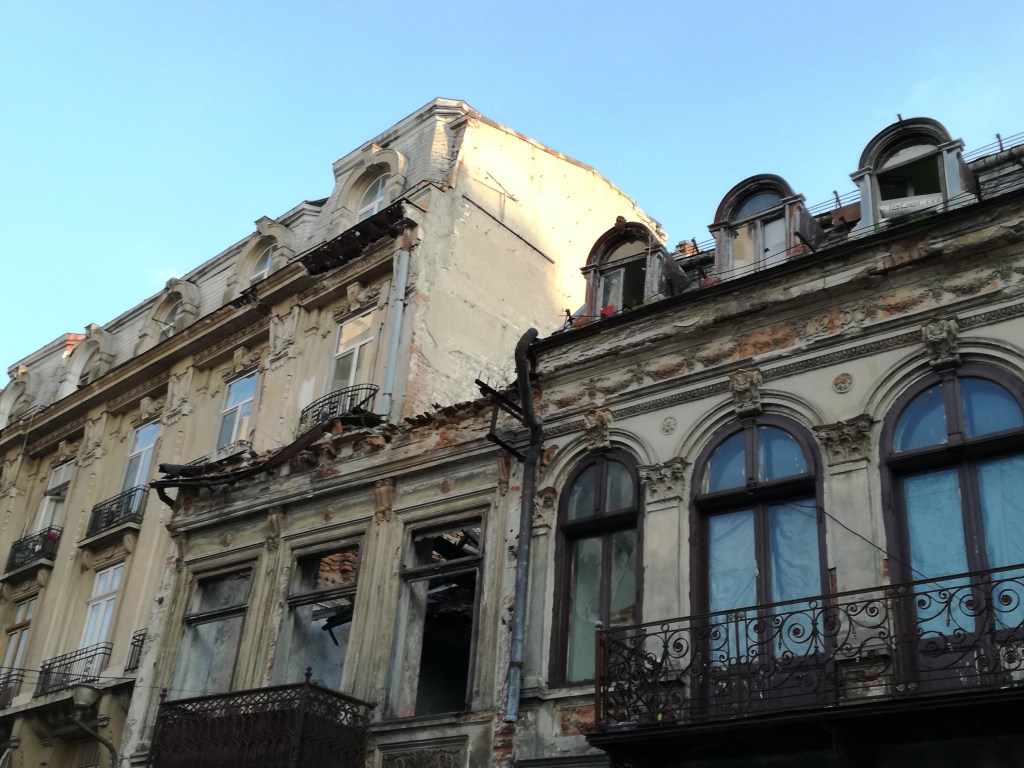
In between the most beautiful buildings, you can sometimes spot some which are shabby and look like ruins. Due to my curious nature, I inquired why some of the houses were in such a disastrous condition. Earthquakes are common in Bucharest and if the structural analysis shows the result that the construction is not stable it’s sometimes not worth renovating an edifice.

In the evening, it was clear to all of us: We just had to check out “Hanu Lui Manuc”.

This is a former inn of a wealthy Armenian merchant and it takes you back in time to the Ottoman empire. By preserving its original and unusual architecture, it allows its visitors to enjoy very good Romanian food and if you are lucky enough traditional Romanian music and dances in a unique atmosphere. It’s just a perfect place to end the evening in a city full of contrasts.
The next day started with a ride on the bus and then the metro to meet our guide and her friends. Sounds easy right? Sure, it is…but not if none of your cards is working! And I could not pay in cash either. Guess what? While unsuccessfully trying again and again suddenly two ticket inspectors appeared out of nowhere. My first thought was…yes… the next station is ours and I might avoid them! But again, my hopes were crushed. Despite showing them that none of my cards were working, I had to pay a fine and became a proud owner of a one-day bus ticket! Such a shame. There was little relief when I realized that I had a partner in crime. I was not the only unlucky one with this problem in our group! Finally, we could laugh about the whole situation!

When trying to enter the metro, my credit cards failed to work again and I couldn’t enter it. Thanks again to all the lovely people around me who helped and supported me in this troubling situation. That did not feel at all like traveling like a local!

Anyway, the first attraction of the day was on the menu: a former socialistic flat that has been preserved and turned into a museum. It is located in a typical slab construction and with all the original interior it gave off very old-fashioned vibes. Everything was very alien to me until at least I recognized the lace doilies in the living room and the many crystal glassed bowls which were quite typical decorations back in these times also in the west. While the group visited the other rooms of the flat which were one for officers and very modern in those days, I took some time to figure out why my cards were not working. Well, everything was ok so far, great! There was a system outage back in Germany and the lady from the service had no idea when the problem was supposed to be solved. Awesome way to first-hand experience the brave new digitalized world!  

At least, the next learning was that I could rely on my friends in times of crisis.

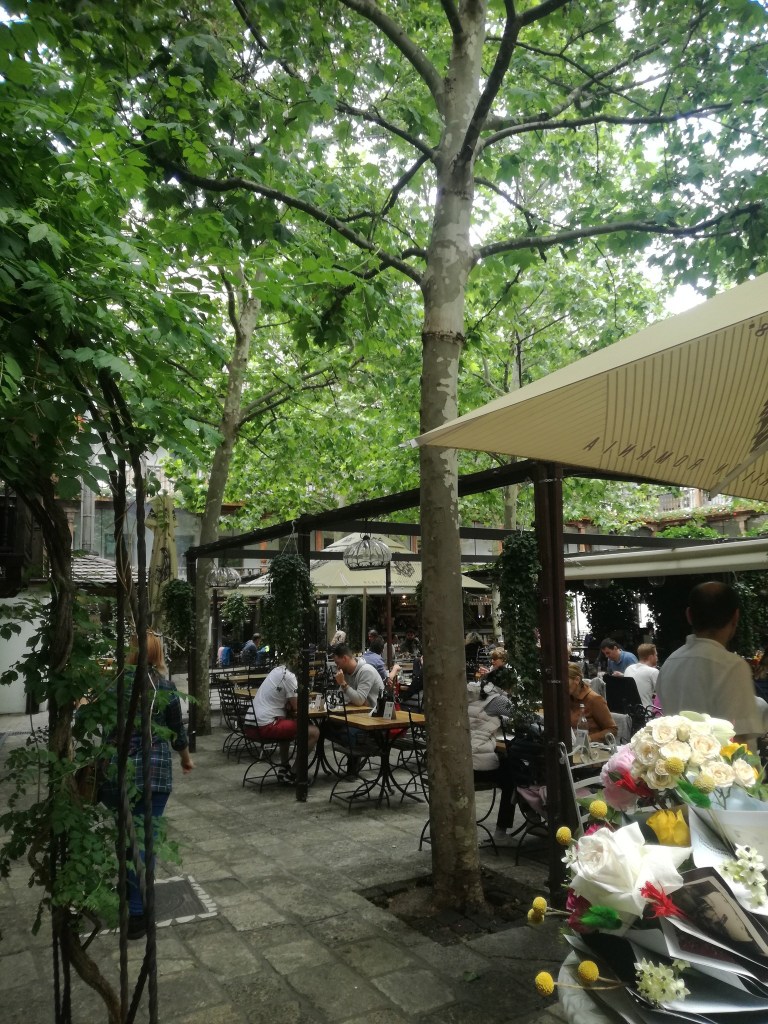
We continued our stroll through different areas of the city learning again more about the different districts. After a while, we all needed a break. At Ceai La Metoc, a tea house hidden behind lush greens which probably would have prevented me from discovering this beautiful place on my own, we refueled our bodies, and souls within this green oasis in the middle of the city. On top of that refreshing and calming atmosphere, my cards started working again.

The last station was Obor market, which was very fitting since we all developed quite some appetite from all the walking and exploring. But stop, we first had to earn our food and rest! All of us got different cards with tasks to buy the different ingredients for our lunch. Walking through the market stands full of fresh fruits, vegetables, bread, and honey reminded us of our empty stomachs. Everything looked so deliciously fresh and it smelled fantastic. And it did not help when we discovered all kinds of cheese and sausages from across the country. After a while, we ticked off every product and ingredient on our list. Done! Off to the nearby grill station to have some “mici”, a special kind of sausage, freshly from the grill, a cold drink, and our delicious haul from the market! It was amazing, no journey should be without a visit to a local market! We chatted, laughed, and enjoyed this delicious meal and each other’s company.

And while the mood slowly reached the top we had to bid our first farewell.

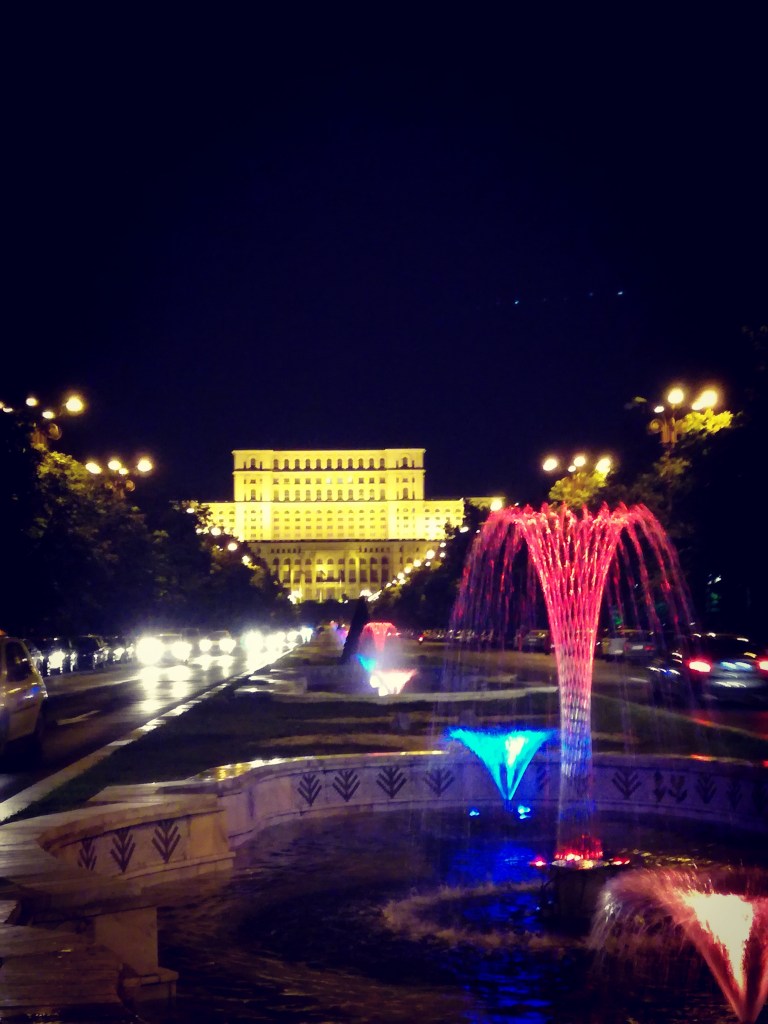
We split into smaller groups and I headed back to the city center with some friends and our guide and her friends. We again passed by the Palatul Parlamentului and took some pictures of it in the dusk.

In the meantime, it darkened and the fountains close to Piata Unirii are wonderfully illuminated. After so much walking and exploring we were still a bit hungry and on the search for an evening snack, we discovered that there are many, many restaurants at the Bulevardul Ion C. Brătianu where Bucharest’s vivid nightlife takes place. It’s close to the Dâmbovița and the view of the water is very beautiful.
Afterward, it was finally time to go back to the hotel.

The next day was when I had to say my goodbyes to the rest of the group who were heading towards Transilvania. I stayed one more night before I also had to go back home. There was a feeling of sadness because this amazing journey was coming to an end and everyone just went on. But, there was no reason to be sad but to be grateful for all the wonderful conversations with old and new friends and to be back in one of Europe’s most wonderful cities. So, I decided to visit a part of the city that I didn’t explore yet and that once more showcased a different aspect of the city. It was the nearby Parcul Regele Mihai I (Herăstrău) with a huge lake and wonderful nature to enjoy. I took a very good long stroll and sat down to observe the calm water of the lake while processing my many impressions of the last days. All along the park were a lot of restaurants, but it seemed too early to have a snack so I decided to go back to the hotel. I checked where the next supermarket would be to buy some local souvenirs to enjoy a bit more of Romania at home. The weather kind of changed and from the wonderful mild summer, there was heavy rain. Just hurrying back to the hotel for a change and after a small break, I went to a nearby local restaurant to say goodbye to the wonderful Romanian food.

Some notes at the end of my article: it was a bit different from the previous ones because I didn’t plan everything on my own. The hotel was very good, but in terms of sustainability and waste management improvements can be made and since I booked a package you won’t find any further information about my accommodation in this case. Every journey comes to an end and I decided to take it easy since my flight was in the early morning which meant I had to get up in the middle of my much-appreciated sleep.

But let me be honest, I did what seems to be a charming reminder of a return to Romania as I did in 2017 as well: I kept some of my remaining Lei as a lucky charm. See you next time Romania, it was a pleasure 🙂

If you want to learn more about what we are doing at AIESEC Alumni Europe, please check out our YouTube Channel.

I can strongly recommend Monica’s guided tours if you plan to visit Bucarest [this is not a paid ad].
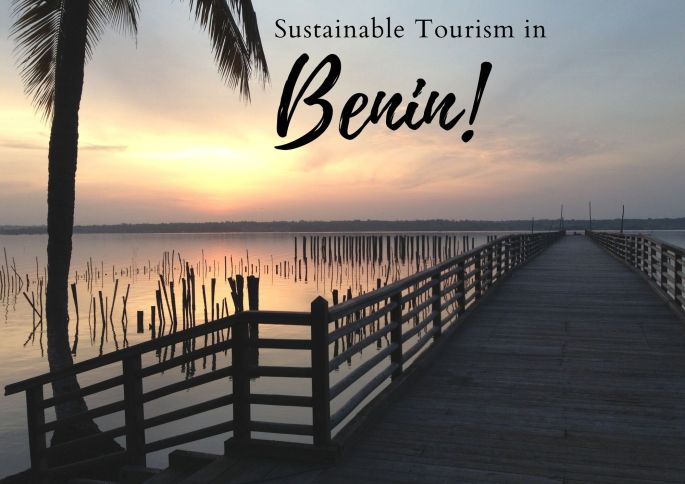
Sustainable Tourism in Benin

First steps to become a sustainable travel pro

It’s been a while after my last posting, but today I would like to share an amazing guest article from a friend in Benin with you.

Bernis and I work together since two years, since, as you may know volunteer in my leisure time and show my commitment towards the Sustainable Development goals.

By the way: the next articles won’t take so long, there’s enough content, but working in a new job sometimes requires to refocus for a while 🙂

Enjoy the interview!

1. Please give us an introduction about 2Morrow Trip and how you would like to change the world!

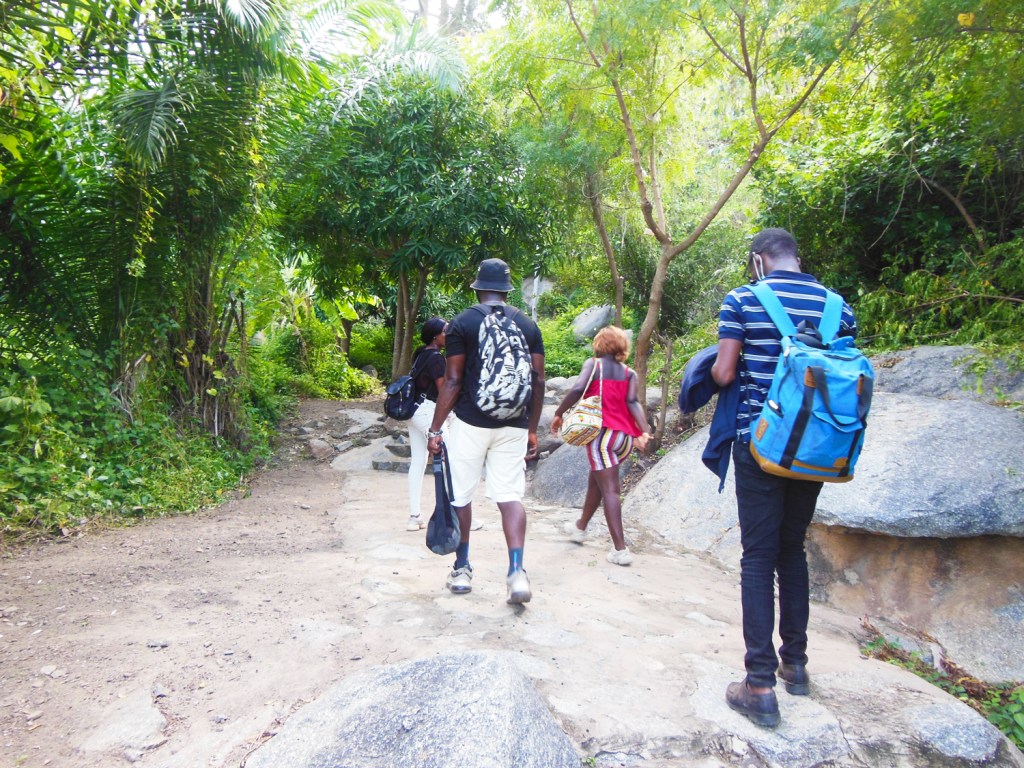
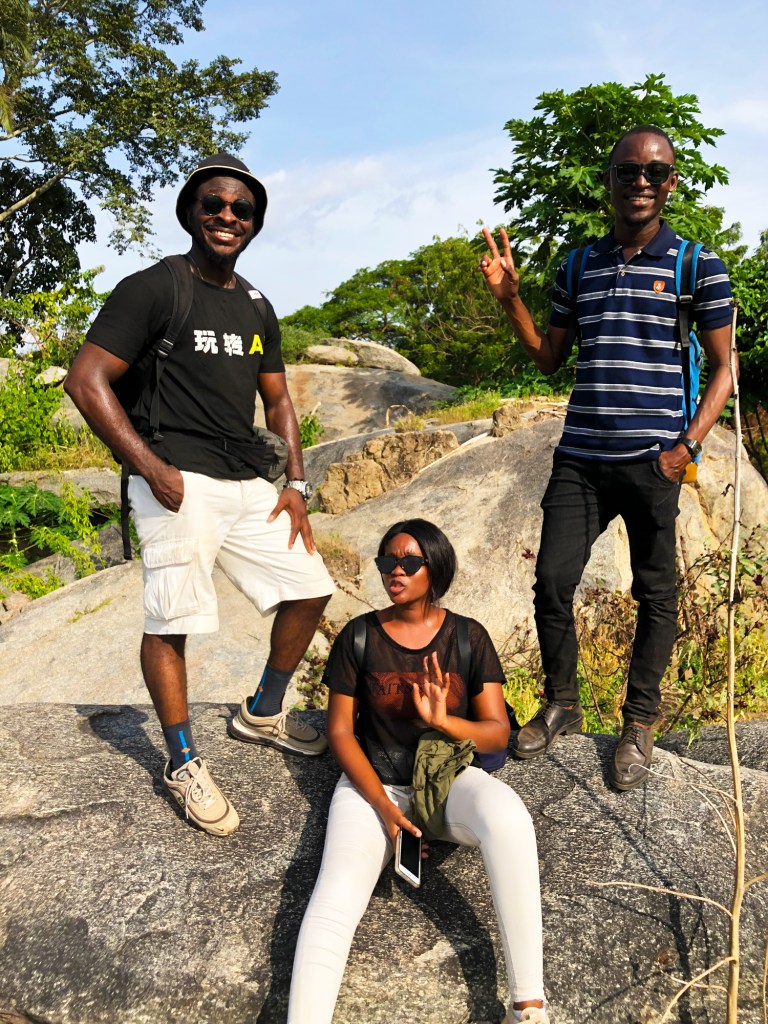
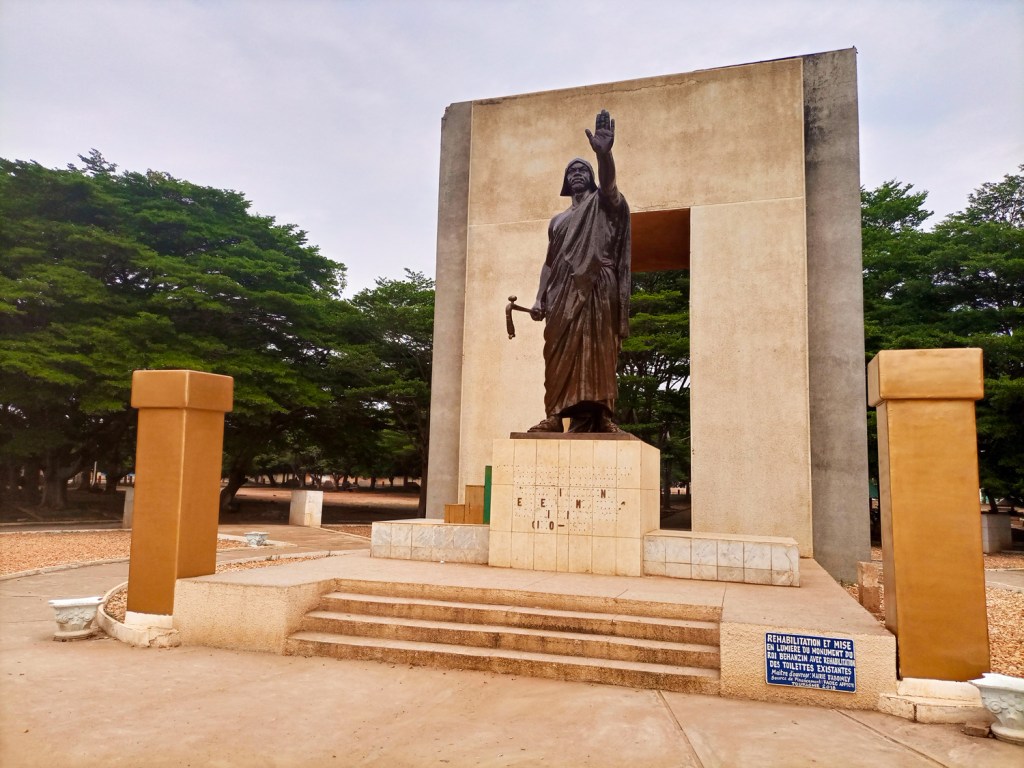
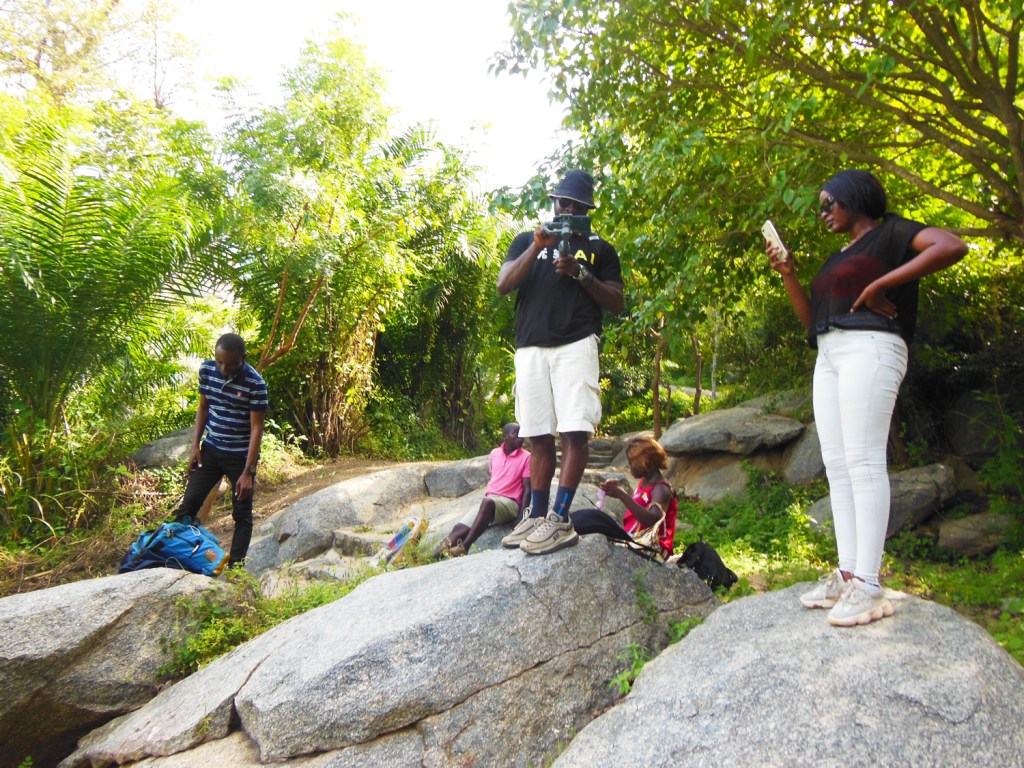
2Morrow Trip is a tourism agency located in Cotonou in the Benin Republic. We provide sustainable and authentic travel experiences by jumping into Benin’s rich culture. Benin is a Western African country with a particularity of a stable peace. Our mission is to engage more young Beninese people in tourism by changing their behavior regarding their country. Most of them do not know our history and tourist places of interest. The Tourism sector is an industry that provides jobs to many people. It is also one of the main industries and receives investments from the current government.We are a travel agency that offers different services to help people explore Benin. We offer a variety of trips and tours for people who want to meet new cultures, network with others, and collaborate for a better world.The services we provide, are:

  • Sightseeing tours/excursions: we organize individual/group visits to the best and hidden tourist places in Benin
  • Team retreats: We organize weekend team buildings and outdoor activities for enterprises/organizations in the need to boost their employees’ self-confidence and motivation.
  • Virtual trip to Benin: Visit Benin digitally is a project we are building currently. The aim is to invite the world to Benin by helping them to jump into our rich culture.

2. What kind of negative externalities are caused by traveling?

The tourism industry provided 272 million jobs worldwide and is one of the biggest industries, but it has also had some negative impacts. The negative impacts of traveling are the erosion that occurs because of the depletion and the natural habitat loss due to building development. Tourism can lead to increased consumption.Let me give you some examples. When we build roads and highways, they have an impact on the surrounding environment, because nature has no place in this area anymore. Plants and animals disappear where highways seal off the fertile soil below the cement.The same thing happens when we build hotels and theme parks; this is all just to accommodate people who are traveling.

When we travel, our cars also have an impact on the environment, because they cause pollution from exhaust fumes. This pollution can lead to soil erosion in areas where there are no trees or vegetation to protect it from rainwater runoff. Here are also some examples of the negative impact we cause while we are traveling:

  • Pollution increases: air, water, plastic, noise
  • Increased demand for imported goods for tourists, which can lead to the loss of local products
  • Life is expensive in the areas where tourists appear, increased prices on goods and services
  • The pressure on the resources of the area when too many tourists stay too long in a place
  • Loss of the cultural identity: customs and traditions. Locals want to copy the tourists and behave like them by copying their way of living
  • The exploitation of animals to entertain the tourists

Travel produces short term revenue and is not sustainable for locals

3. What is the main difference between Beninese travelers and European tourists?

European tourists generally expect the same quality services that they have in their home country. The Beninese tourists look to improve their lives and provide a better life for their children. The tourism industry is a key sector of the Beninese economy, but its development is hindered by the lack of facilities and infrastructure. This is where European tourists come in: they offer both a market for products and expertise to develop this sector.

As a result, there has been an increase in tourism from Europe to Benin over the past decade, both from individuals and groups of people traveling through Africa on what are called “safaris”.

Some points must also be considered to learn more about those differences:

  • Budget: most European travelers have the habits of savings to go on holidays
  • Habit to travel outside of their country or discover a city/country
  • European travelers can easily move around the EU and have easy access to other parts of the world. Beninese tourists can get into West African countries without any further VISA procedure but have some difficulties accessing other parts of Africa and the world.
  • Transportation: There are different options to move around with easy access compared to Beninese travelers for whom flight tickets are expensive.
  • Consciousness about the impact of their traveling within most European countries.
  • Beninese and European travelers, both are looking for quality services with Europeans have a different lifestyle living.
  • Beninese travelers do not often complain compared to European ones who have higher life standards
  • EU travelers consider taking insurance before traveling
  • EU travelers have the particularity to travel in family and with their pets

4. What needs to change in the future?

  • Decrease our carbon footprint by taking non-stop flights or eco-friendly transportation
  • Go green and use reusable items made from bamboo, wood, or glass
  • Educate people about sustainable ways of traveling
  • Support local restaurants by enjoying local food and getting to know them and
  • Buy beautiful souvenirs from local stores and support the local economy
  • Walk where possible: During my tour, I used to ask the participants to walk and go to some places without the car
  • Travel more locally: explore your country first
  • Say no to plastics
  • Take care of every place you visited

5. What needs to change in the future?

  • We can travel more sustainably by adopting certain behaviors. Some are easy, some are hard, but we will all benefit from that:
  • Decrease our carbon footprint by taking non-stop flights or eco-friendly transportation
  • Go green and use reusable items made from bamboo, wood, or glass
  • Educate people about sustainable ways of traveling
  • Support local restaurants by enjoying local food and getting to know them
  • Buy beautiful souvenirs from local stores and support the local economy
  • Walk where possible: During my tour, I used to ask the participants to walk and go to some places without the car
  • Travel more locally: explore your country first
  • Say no to plastics
  • Take care of every place you visit

6. Which trends do you see in the future?

The most important thing I see is the rising demand for digitalization and the use of technology. I can put in this point: the growth of contactless payments, virtual tours or virtual reality tourism, safety and hygiene rising. Some destinations may be chosen based on how the country dealt with the increase in COVID-19 numbers, and people will probably choose to stay local than travel abroad.

Do you want to travel to Benin? Reach out to and learn more Bernis!

The latest IPCC report and first steps to make a sustainable travel change

The current news about the latest reports of the IPCC state that climate change is man-made and the rise of temperature with an average of 1.5C° will be reached 10 years earlier than estimated. Watching the news about the recent events like the flooding in Germany, the Netherlands and Belgium quite close to where I live and the devastating fires in Southern Europe and Algeria are worrisome.

This is not only a wake-up call, because our “house is on fire”, but an immediate call-to-action. Otherwise, it is likely, that we will observe more natural disasters across the globe for example more flooding, rising sea levels and fires like these days in Europe.

Personally, I feel scared, because my own little steps won’t help to reach the goal of keeping the temperatures below 1.5C°, but I strongly believe that we all together can and will have an impact. If you follow me on Instagram, you may have recognized that I volunteer as well and focus on living sustainably. And I’d like to share some inspiration to take immediate steps. If you plan to travel, you may use them as well, but you can use it in your daily life for sure.
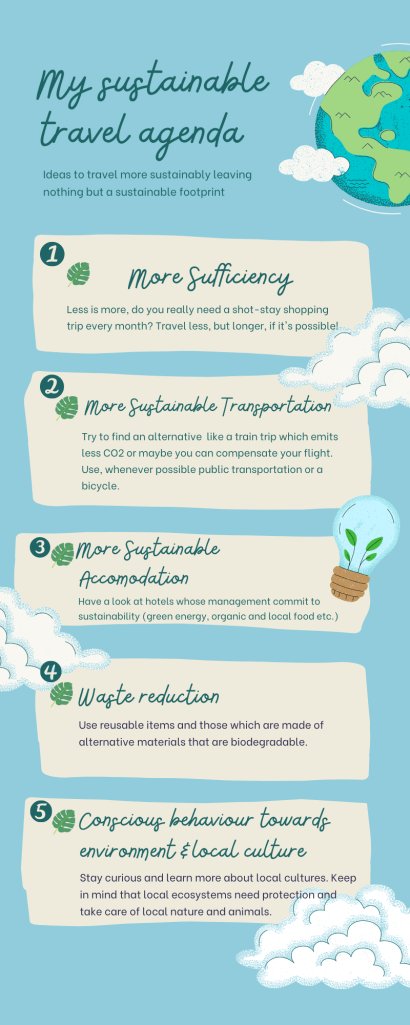
Two years ago, before the current report was published, I was reflecting upon my own travel behaviour. Am I really travelling sustainably? Do I need to consider concepts of sufficiency to have a sustainable impact? After looking from different perspectives and learning more about sustainable travel and tourism, I really put my previous behaviour to the test. I had to admit that my travelling habits needed to change.

1. Sufficiency is briefly described as an improved consumption pattern, consuming less while acting more sustainable. In terms of sustainable travel, a longer stay is not only much better to learn about the local culture and create a more immersive experience, but it also reduces your CO2 footprint significantly, since transportation is the main contribution to that. But more on that later. Maybe you could even expand your vacation to a staycation and create a unique travel experience, deeper connections to people and their culture, and a change of your perspective if you are willing to learn and open up.
I had to ask myself the question if I needed to travel more often and especially travelling abroad which means that I need to travel by airplane. Therefore, I decided only one long-haul flight every two years but take more time to discover my destination and its people. Personally, the way to go is to travel consciously, not more often, but more intense.

2. Transportation is one big topic in travel industry, because it is “expected to account 5% of all man-made CO2” and it will even increase further, because tourism numbers will rise until 2030. The UNWTO calculated that the CO2-emmissions of cars will decrease, but the amount of CO2 that will be emitted by airplanes will even augment until 2030 to 665 million tons of CO2 (compared to 458 million tons in 2016).
So what can you do to minimize your personal CO2-footprint while exploring the beauty of the world?
Choose your transportation to the destination of your choice wisely:

🚅Take a train
🚘Use car-sharing
✈Compensate your flights

How to move from A to B onsite:

👣Walk around and discover those places that are not crowded
🚃 Use public transportation
🚲Take a bike – some countries are a paradise for cyclists and those who want to become one, and you also do some good for your health condition

Another crucial factor is, as mentioned, time, because your CO2-footprint is supposed to be very high while taking the plane for short-term trips. Therefore, in addition to limiting my travels by plane, I will try to travel as much as possible by train and public transport.

3. Accommodation may have a lesser CO2-footprint than transportation with approx. 6% compared to the total amount of all areas within tourism industry, but it also has an influence on the environment and the life of the employees who do everything to make sure you have a good experience in your favourite hotel. And believe me, there are plenty of good case practices across the globe.
So, what can you do to find a sustainable hotel or hotel?
My first advice is that you should check the homepage carefully. Here are some questions I ask myself before I choose to book.

How does the management commit to sustainability?

Is there a separate landing page for sustainability, or do they just mention it for the purpose of greenwashing to appear sustainable?

Do they support the Sustainable Development Goals?

Do they have further information about their sustainable best practices:

  • Do they support local initiatives (women empowerment, community work, disabled people)?
  • Do they use local food suppliers or do they grow their own vegetables?
  • How do they use technology for cooling and heating? Are they net-zero?
  • Are there any information about waste management (use of resources, avoid plastic, recycling, water management, because it’s a scarce resource in some parts of the world)

You can also check, if the hotel or hostel has a certification (Green Grey, GSTC etc.), but in my humble opinion not all hotels providing sustainable best practices have automatically an approval. I also experienced cases with a certification and plenty of plastic waste, so do some research and have fun while learning and enjoying great places while contributing to sustainability.

3. Waste is one great aspect to have a huge influence to reduce CO2-footprint, because plastic “originates from fossil fuel”. The more plastic you avoid and replace with biodegradable items, the better for our oceans and your health, because microplastic is a serious problem for animals and humans alike.
So, what can you do to improve your personal waste management, before your journey starts:

✅⠀Reusable coffee mug

✅⠀Reusable water bottle, check out the availability of tab water and refill stations

✅⠀Shower soap, shampoo and conditioner soap bars, yes, your hair will shine 🙂

✅⠀Sunscreen without nanoparticles

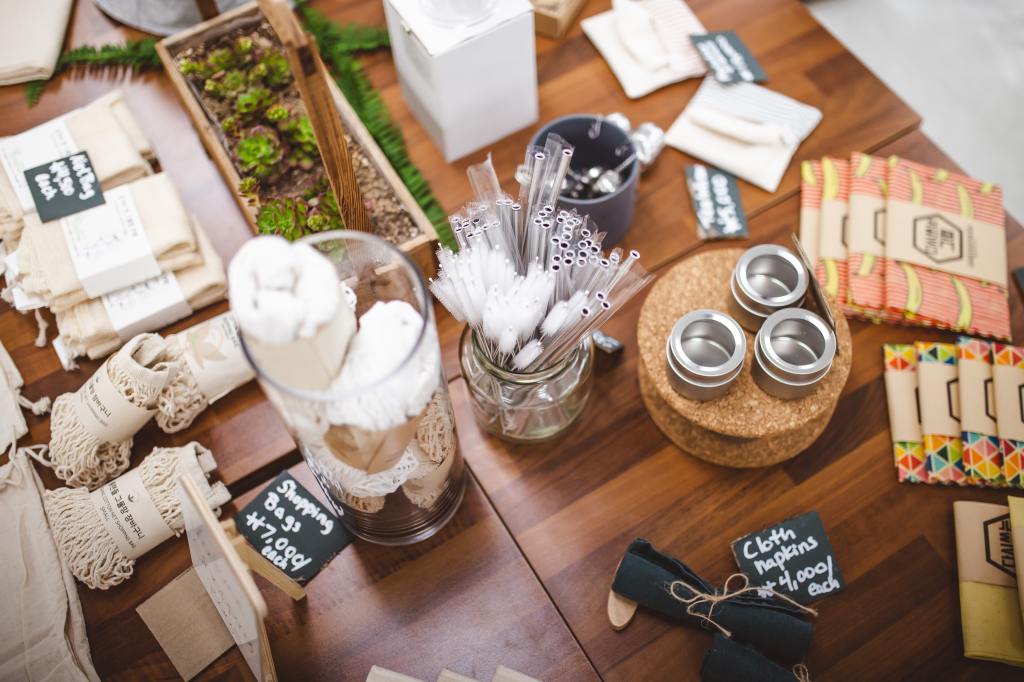
✅⠀Check out for reusable hygiene articles you may find in your local/online zero waste store

Photo by Anna Oliinyk on Unsplash

You can also improve your waste management onsite, because every plastic bottle you can avoid is a win. If no tab water and no refill station is close, just consider taking a small break in a cozy café and enjoy the moment. Sometimes a break is refreshing, and maybe a great conversation is already waiting for you.
If you still have some reusable items, please don’t throw them away, just use them as long as you can before you replace it with a sustainable alternative made from bamboo, wood or steel.
If you’re heading for a beach or places that maybe have a less improved waste management, lead by example: do a beach clean-up, collect some trash and avoid buying items with too many wrappings.


5. Last but not least you will have a sustainable impact with every conscious choice you take, for example:

Enjoy local and fresh food (no, I don’t understand people who complain that their favourite food from home is not served thousands of kilometres away), because this also decreases your CO2-footprint, if you don’t chase after your favourite dishes from home

Buy local products, because you support local businesses and show interest and respect towards their culture

This article was supposed to be published earlier, but after learning about the current IPCC report and some further reading about climate change and the negative impact it can have, if we don’t start to act now, I felt quite frustrated that this little article and the whole project of blogging wouldn’t have enough impact.

I hope you enjoyed reading and got inspired a bit. Feel free to add a comment and share!


How zero-waste stores minimize your amount of waste

Here’s an article I wrote for one of my volunteering engagements and I would love to share this one on my blog as well, because it reflects my personal journey towards zero waste.

This month I would like to showcase how zero-waste shops can help you to reduce your amount of waste and work towards a more sustainable lifestyle.

You might have already heard about the concept of zero waste, but let’s have a small recap of its definition:

“Zero Waste is the conservation of all resources by means of responsible production, consumption, reuse and recovery of products, packaging and materials without burning, and with no discharges to land, water, or air that threaten the environment or human health ” [1].

Another important topic is circular economy which is closely related to this matter and aims to produce, consume, reuse and recycle products in a way that new products can be created without producing any waste [2]. Circular economy is focusing on production patterns and it requires innovative solutions to face the climate crisis, because for every product energy is needed in the production process. It is important to keep that in mind while making our choices towards more sustainability and our own journey towards zero waste.

This, of course, leads us to the Sustainable Development Goal No. 12 which states:

“Ensure sustainable consumption and production patterns” and especially the subcategory 12.5

“By 2030, substantially reduce waste generation through prevention, reduction, recycling and reuse”

With a closer look at your consumption patterns you can ensure to make SDG 12 happen! 

Where exactly does one start?

Of course, this is quite a tough topic and when I started my personal journey towards zero waste, there weren’t many zero-waste stores around. Therefore I started with very small steps . The first ones I did were to avoid plastic and the use of alternatives like bamboo or paper packaging.

After a while the first zero waste stores opened nearby and this was a good opportunity to discover new products. But what exactly makes a difference to usual stores?

Zero-waste stores offer a variety of products from organic fresh fruits and vegetables to natural cosmetics and day-to-day products for your home without any packaging. Some products, especially daily care products, still need some wrapping, but usually recycled paper or other materials which can easily be recycled are used. 

My starting point was plastic. Plastic is a very versatile group of materials and in today’s society, life without plastic is unimaginable. But unfortunately only very little of it is recycled, it is simply disposed of into the environment. This has a devastating impact on nature.

So, after a brief reflection on where I produce plastic waste, I decided to start to go towards zero waste in my bathroom.

A product I commonly used in my daily routine was shower gel, which comes in plastic bottles. Therefore I decided to switch to soap which doesn’t necessarily need packaging or only some paper to wrap it in. While familiarising myself with the topic, I became aware of solid shampoo and conditioner, which I incorporated into my hygiene routine. I even switched to solid deodorant. Most of these products I discovered in nearby zero-waste stores. Quite a few of these products are produced by local businesses, which is in line with our above mentioned SDG.

A calculation estimates the amount of waste I was able to reduce per year in my bathroom by just switching to solid soap and shampoo:

Product Bottles per Year

Shower Gel

12

Shampoo

12

Conditioner

6

Total amount

30 

It doesn’t seem to be much, but imagine myriads of people doing so. Still, the journey is ongoing and I am still reflecting and reviewing my habits to make further improvements. There are many other items I use like a wooden brush or reusable make-up remover pads, but it is difficult to estimate how much waste I reduced by using them, so I did not include them in my calculations.

There are still many other occasions to make a sustainable choice when you go out and buy new products. If you have a zero-waste store close to you, have a look. By discovering their products you might identify in which area of your life you would like to reduce waste. In my experience these shops offer very good service and are more than willing to assist you in your decision-making process or answer any questions.

Thanks to these shops and their range of products you come across a lot of ideas which will inspire you to new ways of reducing waste.

Another easy starting point is to avoid unnecessary plastic packaging for vegetables and fruits, because they naturally come with protective coating. Do you really want to buy a cucumber which is hugging its plastic blanket? Exactly, try to avoid it! Sometimes glass offers a good alternative and you can find many products like fresh juices, yoghurt or jams without a plastic packaging, but in glasses and glass bottles.

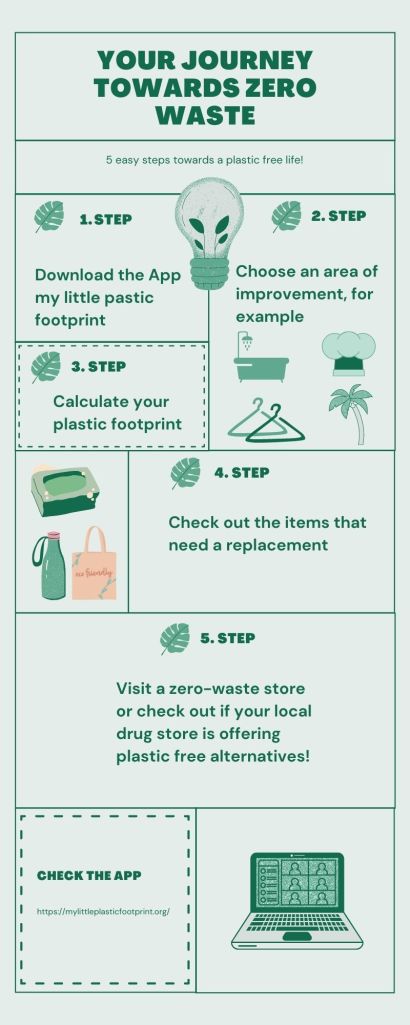
There is a very useful app that helps you to analyse your plastic footprint.

It helps you to identify your footprint and raises awareness in which areas you can find alternative products.

5 Steps towards zero waste!
Your journey towards zero-waste

Discovering new products can be fun and no one said that zero waste has to be a serious topic!

Enjoy making conscious choices!

[1]: https://zerowasteeurope.eu/what-is-zero-waste/

[2] https://www.zerowastescotland.org.uk/circular-economy/about

[3] https://sdgs.un.org/goals/goal12

Authored,& Published by Stephanie Kusemann |Edited by Gergely Lazar Illustrated by Oğuz Yılmazlar |Supported by Amazon, Facebook, Instagram, LinkedIn, Substack, Twitter & WordPress Publications

PaleBlue.WhatAreYouStillWaitingFor.Space

© 2020 WAYSWiFt Works

The opinions expressed by the author and those providing comments are theirs alone and do not necessarily reflect the views of AAI (AIESEC Alumni International).