One of my friends from AIESEC is an expert in sustainable tourism and gave an alumni talk about community-based tourism.
Have you ever heard about this special part of sustainable tourism?
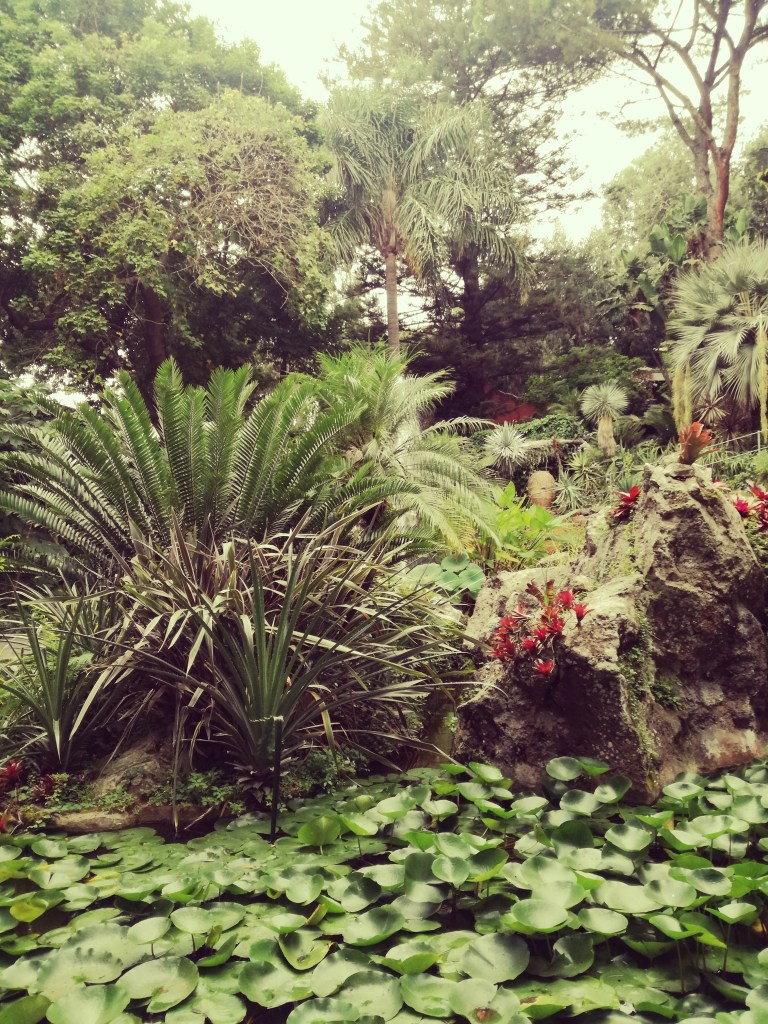
Let Jana take you on a trip to the wonderful island of Ischia where the ocean breeze calms your mind and lush greenery already inspired many movies and writers.
Thank you, Jana, for your time and your precious insights about community-based tourism and one of my favorite travel gems.
As summer approaches, the allure of tourism beckons once again. But in a world awakened by the pandemic, there’s a growing need to rethink our travel habits and embrace sustainable tourism. In this article, join us on a journey to a captivating Italian island, in a context that embodies authenticity and fosters genuine connections amidst the changing dynamics of the tourism industry.
Our adventure begins in Naples, Italy, a city that offers a refreshing break from the usual checklist-driven journey. As we make our way to the port, we’re pleasantly surprised by the absence of long lines and overwhelming crowds. Naples serves as a gateway to a different kind of experience, one that values cultural exchange and genuine human connections over bare commercial transactions.
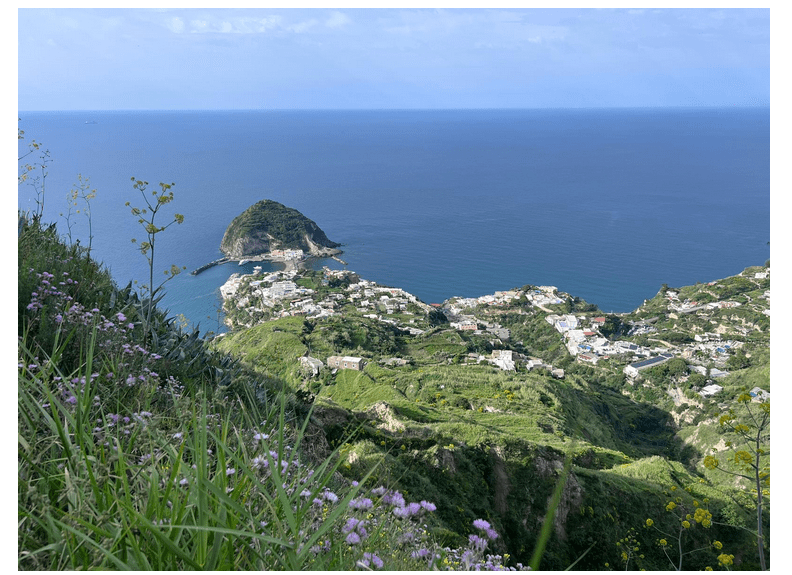
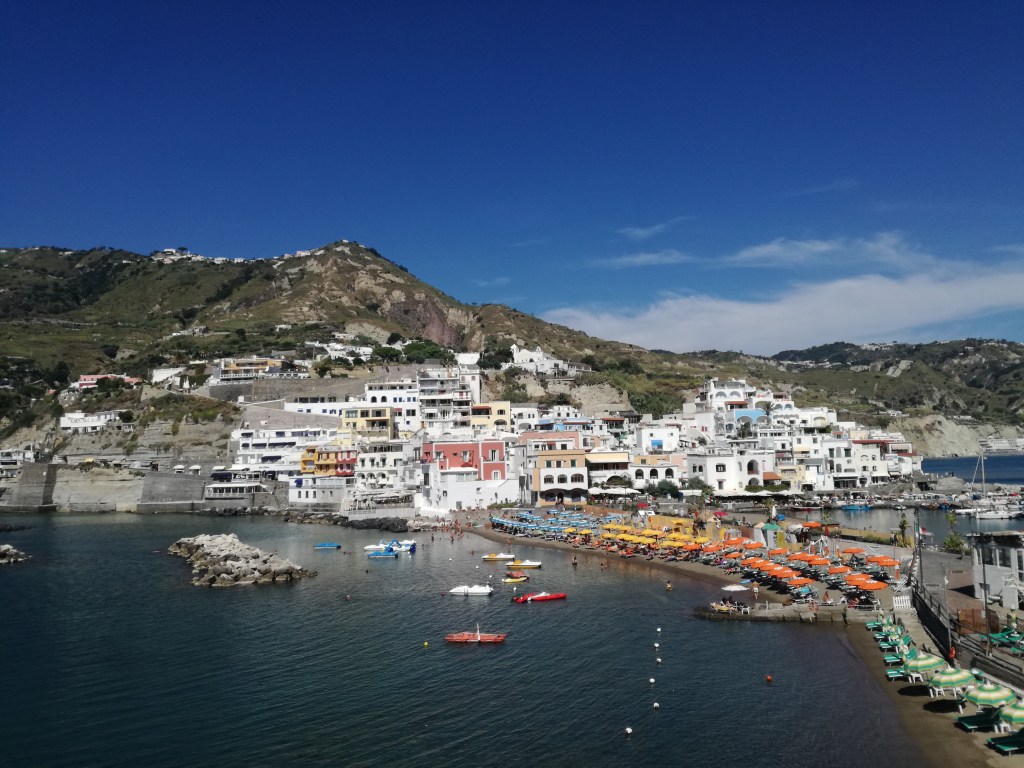
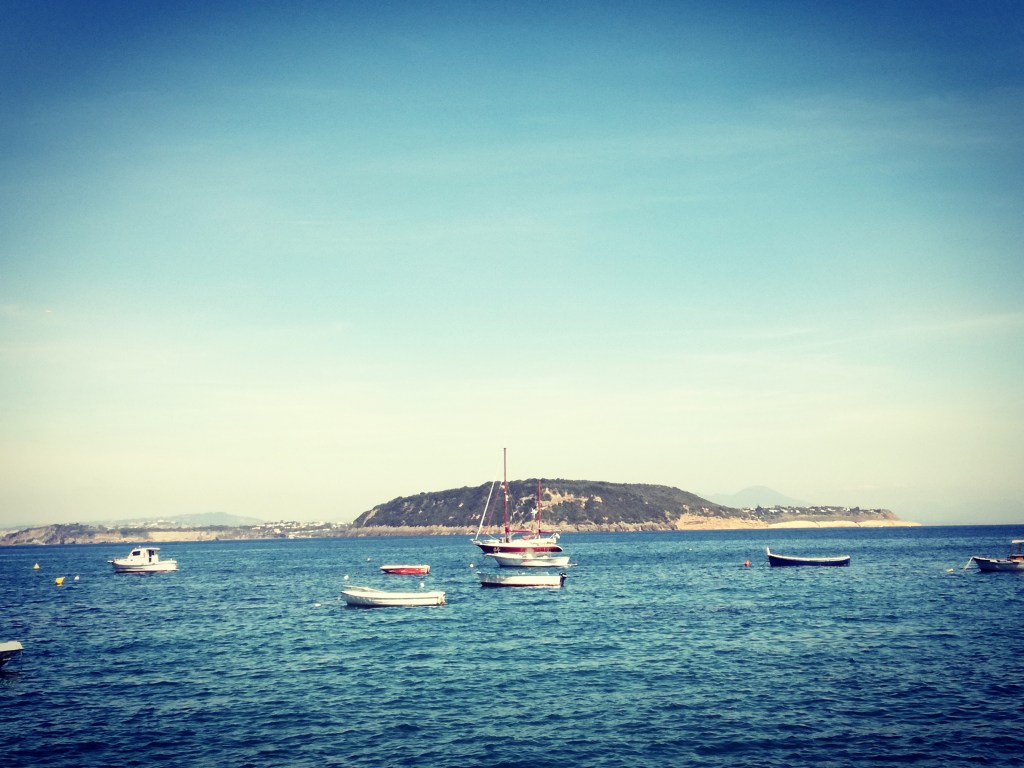
Boarding the ferryboat, we leave the mainland behind and set sail for the island, eagerly anticipating the mesmerizing views and atmosphere. Before the opening of the main tourist season, Ischia felt like a step back in time, with its castle, palaces, and picturesque villages scattered across the landscape. Unlike popular tourist destinations, this island has managed to preserve its character.
The locals here have chosen to stay true to themselves and the local customs. Their commitment to authenticity shines through as they continue to live their lives in harmony with their cultural heritage. Engaging with warm-hearted islanders gives us a chance to learn from them, understand their traditions, and create meaningful connections demonstrating the island’s dedication to preserving its way of life while embracing visitors with open arms.

Our journey to this island served as a speculative exercise of sustainable tourism—a concept that seeks to balance economic, social, and environmental impacts while meeting the needs of travelers, the industry, and local communities. It’s a form of travel that not only benefits us as visitors but also protects our planet and ensures a better future for generations to come. I’d like to see it as a pathway to well-being.
The complex implications of sustainable tourism require a thorough approach to stakeholder involvement, particularly in low and middle-income countries. An approach is required which focuses on conserving natural areas and improving the well-being of local communities. It also recognizes the importance of economic viability, ethical considerations, and social equity for the host communities. Over time, the concept of sustainability has expanded to include green tourism, responsible tourism, and other related ideas, widening its scope to cover environmental, social, community, and economic concerns.
To fully embrace sustainable tourism, we need to distinguish between weak and strong sustainability. Weak sustainability proponents believe that natural and manufactured capital can be exchanged, assuming that any decline in natural resources can be compensated for by technological solutions. On the other hand, strong sustainability acknowledges that without nature, there can be no people, and without people, no economy.
The weak sustainability approach, which echoes past beliefs in limitless resources, gambles on the assumption that scientific and technological progress will save the day. However, strong sustainability reminds us of the fundamental interdependence between humanity and nature. It urges us to take a more cautious and holistic approach, valuing our natural resources as essential foundations for a thriving society.
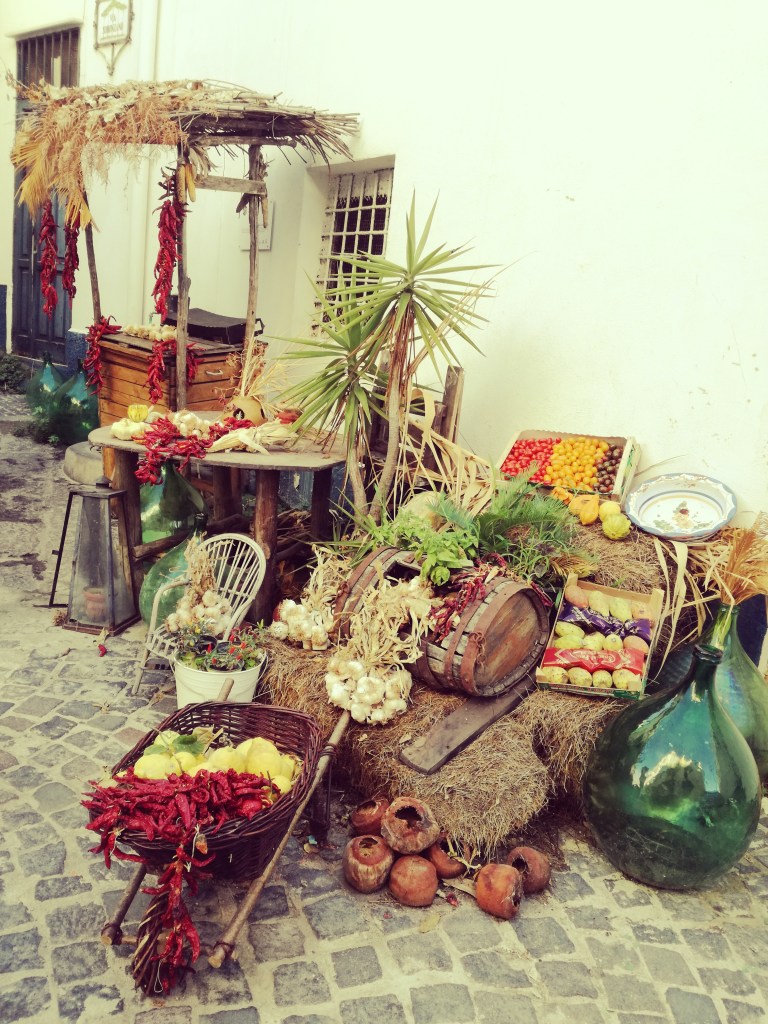
In our voyage to the Italian island, we witness firsthand the positive outcomes of sustainable practices. From locally sourced and organic food to eco-friendly accommodation options, the island takes pride in its commitment to sustainability. Furthermore, the island’s economy thrives through support for local artisans and small businesses.
As we conclude our voyage to this enchanting Italian island, we are reminded of the immense potential for sustainable tourism to shape the future of travel. Embracing strong sustainability, we can foster a harmonious relationship between humans and nature, prioritizing the well-being of both.
To continue on this path of sustainable tourism, it is crucial to be aware of the concept of a double materiality assessment. This approach recognizes the interconnectedness between environmental and social aspects, as well as economic considerations. By assessing the impacts of tourism on both the natural environment and local communities, we can make informed decisions that promote positive change.
In the case of Ischia, the non-financial materiality encompasses the preservation of historical sites and buildings, ensuring their cultural value and integrity are maintained, as well as the protection of the island’s sea water and thermal springs, which offer unique recreational and wellness experiences. On the other hand, financial materiality sees the above as assets in driving tourism and economic growth. Historical sites in Italy are some of the most important globally and are ceaselessly sustaining cultural tourism, while the sea water and thermal springs contribute to maritime tourism, water-based activities, wellness, and potentially medical tourism. By embracing sustainable practices and balancing economic considerations with the preservation of Ischia’s natural and cultural heritage, the destination can thrive as an authentic and responsible tourist destination.
As travelers, we have the power to make a difference. By choosing sustainable practices, supporting local businesses, and engaging with communities on a deeper level, we contribute to the preservation of cultural heritage, the protection of ecosystems, and the overall well-being of the destinations we visit.
Let us remember that sustainable tourism is not just a passing trend but a mindset that shapes our experiences and leaves a positive impact. As we explore the world, let us cherish the unique charm of each destination while striving to be responsible travelers, embracing authenticity, and nurturing a deep respect for the delicate balance of our planet.
Together, we can pave the way for a future where sustainable tourism flourishes, strong sustainability guides our actions, and the beauty of our world is cherished by generations to come.
Buon Viaggio!!
If you’re curious to learn more and get in touch, please reach out to Jana on LinkedIn!

 Conscious Travelista