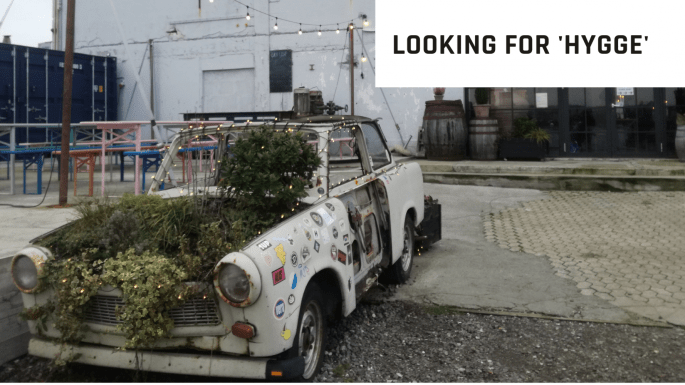
Break out of your Routine!

The main purpose of this journey was the participation of a conference I attended due to my voluntary engagement, but we just decided to make a 3 country-train-trip during spring time out of it. All the other destinations were quite close and two capitals in one trip seemed to be a good idea.

I travelled together with my partner, therefore I will write in plural 🙂

We decided to break out of our usual travel routine by planning the trip by train and other public transportation onsite and because “break out of your routine” was the former and inspiring title of the AIESEC Alumni Theme program, I was and I’m still involved.

Blansko and Brno

The first station was Blansko in Czech Republic where our AIESEC Alumni Conference took place.

The plan was to take the first train in Cologne and then the overnight train to Vienna at Mainz. And that was also a travel premier to us, because usually we don’t book the sleep wagon.

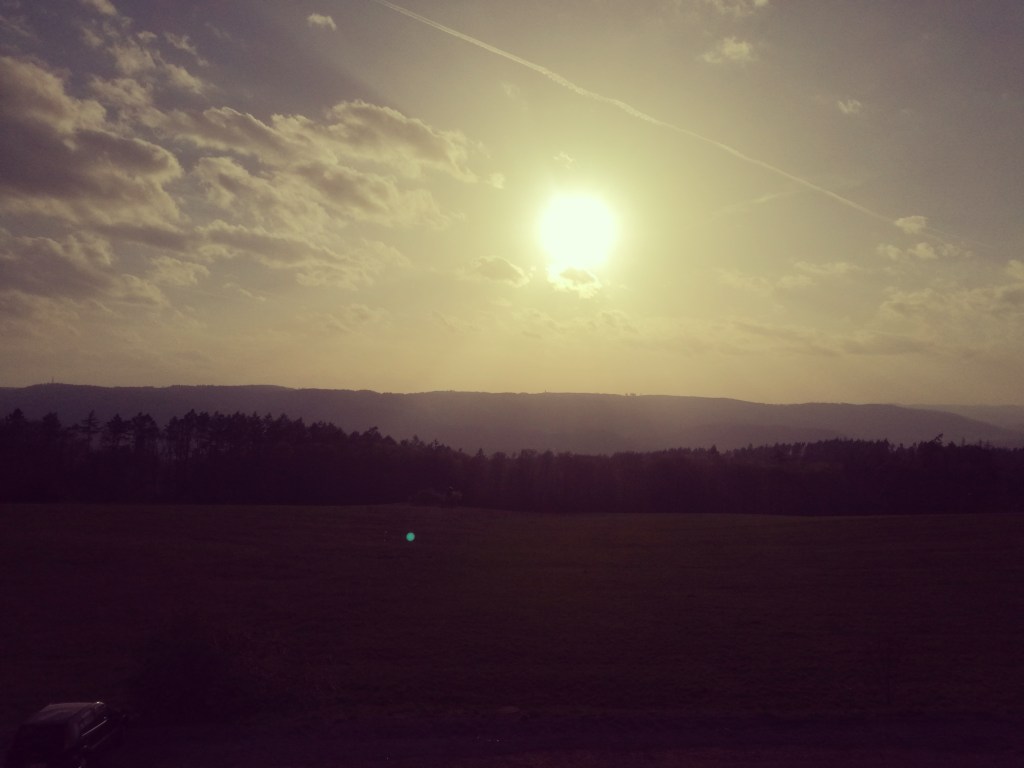
The first part of the trip started with some delays, because there were many construction sites around Cologne and Bonn and we missed our booked Austrian overnight train. After a weird and too long trip we arrived at Blansko via Vienna nearly 22 hours after our departure, but if you can enjoy a fantastic view over the South Moravian landscape you just forget your stress within seconds! The hotel offered great local food and the conference was an amazing opportunity to meet old and new friends and also to talk about sustainability related topics. Personally, it was also very special to me, because I got the chance to hold an AlumniTalk about sustainable traveling.

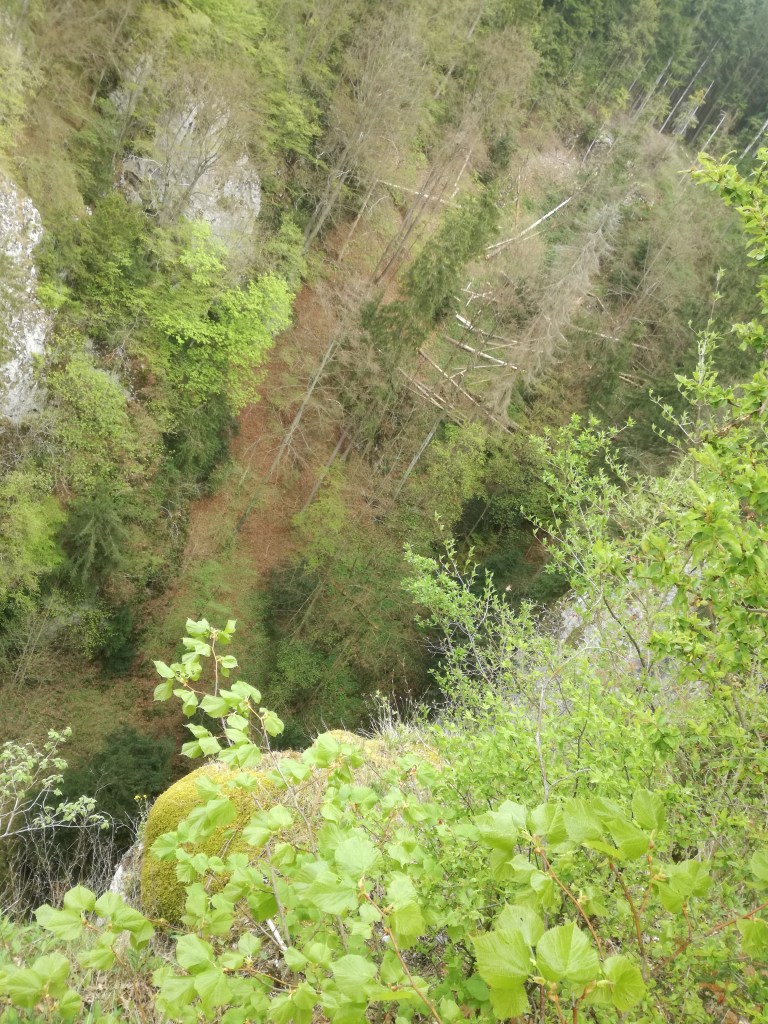
The conference included a trip to the Macocha Gorge which means “Stepmother Gorge”. This gorge is named after the legend of a jealous stepmother who pushed her stepson into it. The young man was rescued by nearby villagers and after they realized what the stepmother has done, she was thrown into the gorge.


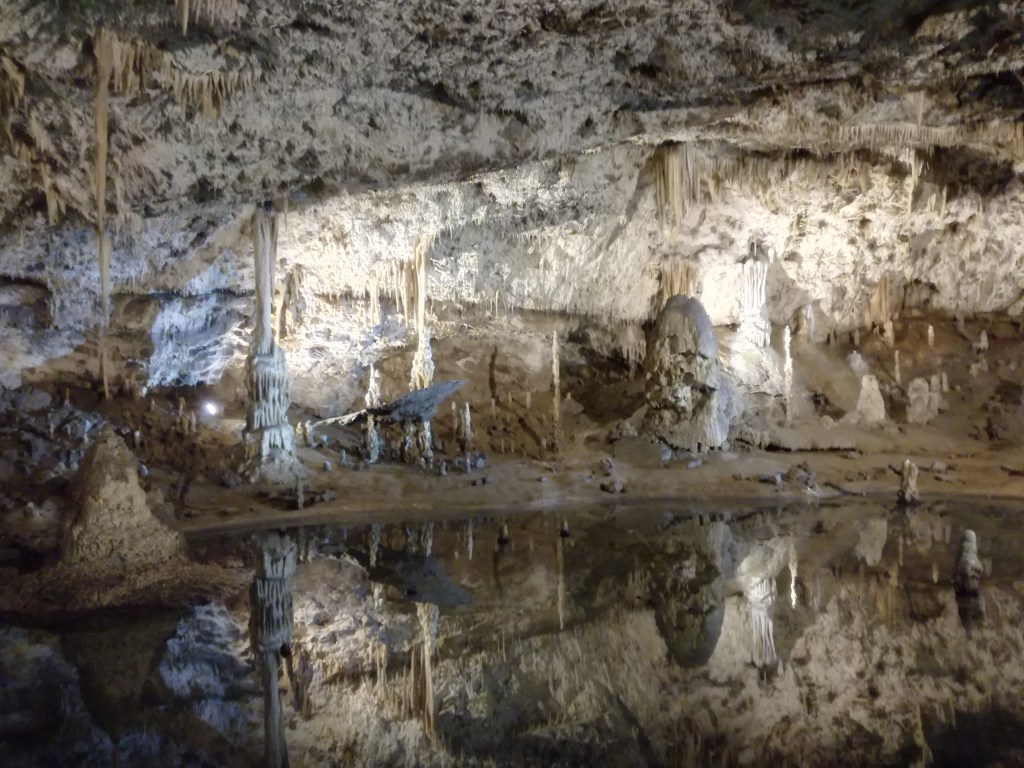
After a walk through the woods and some fresh air we had a guided tour through the gorge with its amazing stalagmites and stalactites including a small boat trip, because the gorge possesses an underground lake you can only discover with a boat.

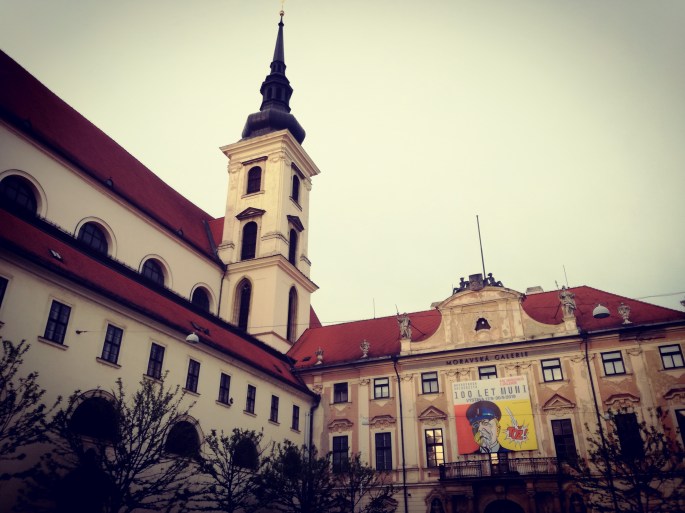
After the conference, we took the train to Brno. It it’s the second largest city in Czech Republic and has a lovely old city to discover. If you’re interested in old churches and architecture, have a look at “Petra a Pavla” (St. Peter-and-Paul cathedral) which you won’t miss. We strolled through the city and when we entered the cathedral, a gospel choir was rehearsing. The sound was truly amazing and the mood was somehow spiritual. Maybe you’re lucky enough to hear some musicians as well?

In the old city with its great historical building and galleries you will find a lot of spots where you can enjoy some typical Czech food like knedlíky (“Dumpling”) with pivo (“Beer”) or if you don’t drink alcohol try “Kofola” (Czech cola) or Vinea (Czech lemonade). After this trip a got a Kofola addict!

Bratislava

We stayed only one night in Brno and continued our journey to Bratislava!

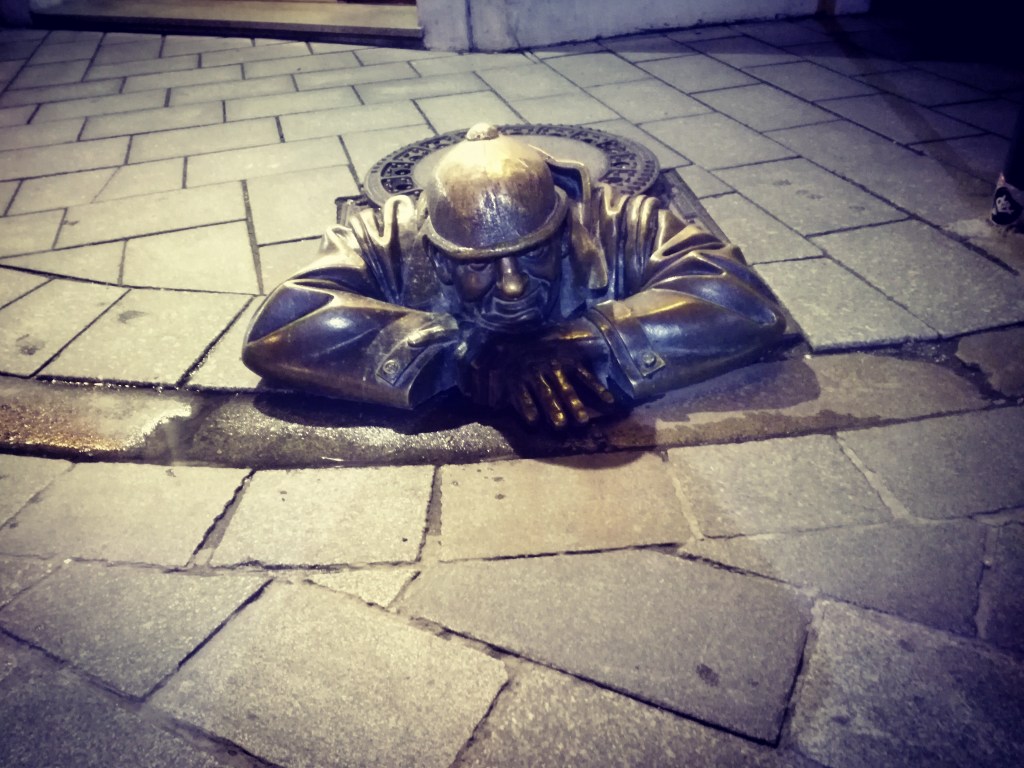
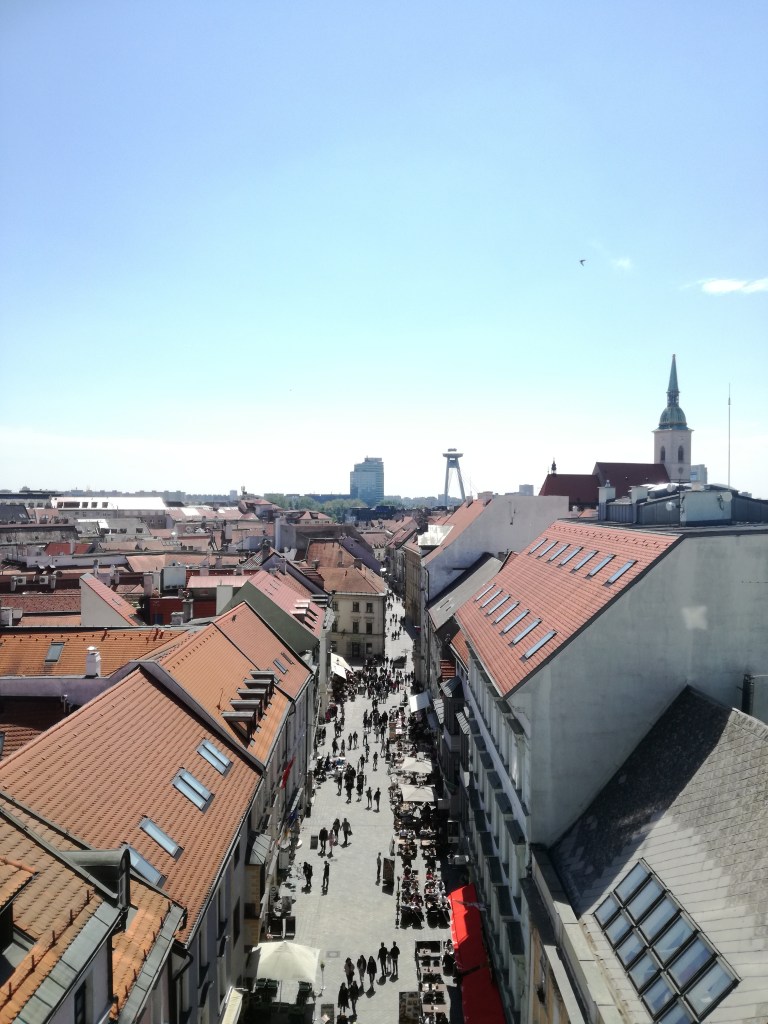
I really fell in love with the Slovakian capital! The medieval old city is a wonderful spot and especially in springtime it’s even lovelier, when you sit outside, have some good Slovakian food or something to drink and observe the vivid spaces around you. I really loved to take a walk near the Danube River, take a moment and observe the waves and the people from the river boats. Across the city we saw a lot of statues like the famous Cumil. We had some fun as we started to have a little scavenger hunt looking for the many statues which are hidden across the city. After we discovered the Hans Christian Anderson statue at the Hviezdoslavovo námestie square, we also saw an ice cream bar. What a nice opportunity to enjoy some during this lovely spring day! Ok, we passed by as we saw the long queue of probably tourists. But believe me, there are many opportunities to buy some delicious sweets like the local Deva chocolate (thank you Kati for this recommendationJ). We stayed for two nights and bought a city card to get access to some of the interesting museums and a walking city tour. Throughout the city you will find a lot of cafés, local restaurants and nice shops with local produced commodities.

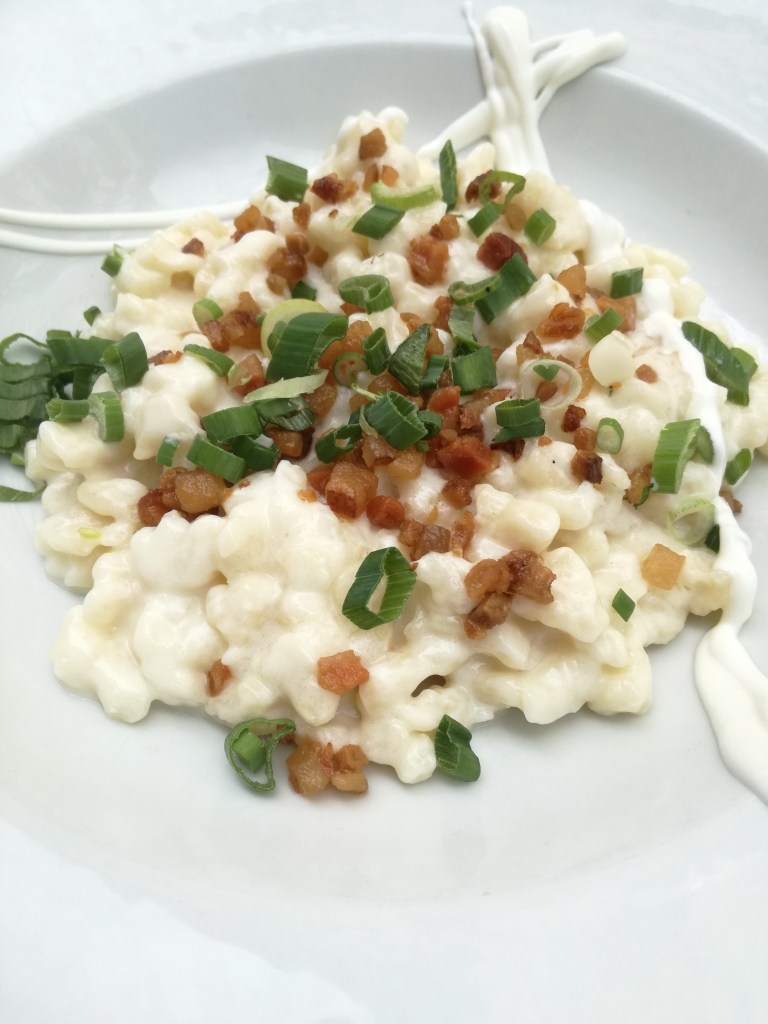
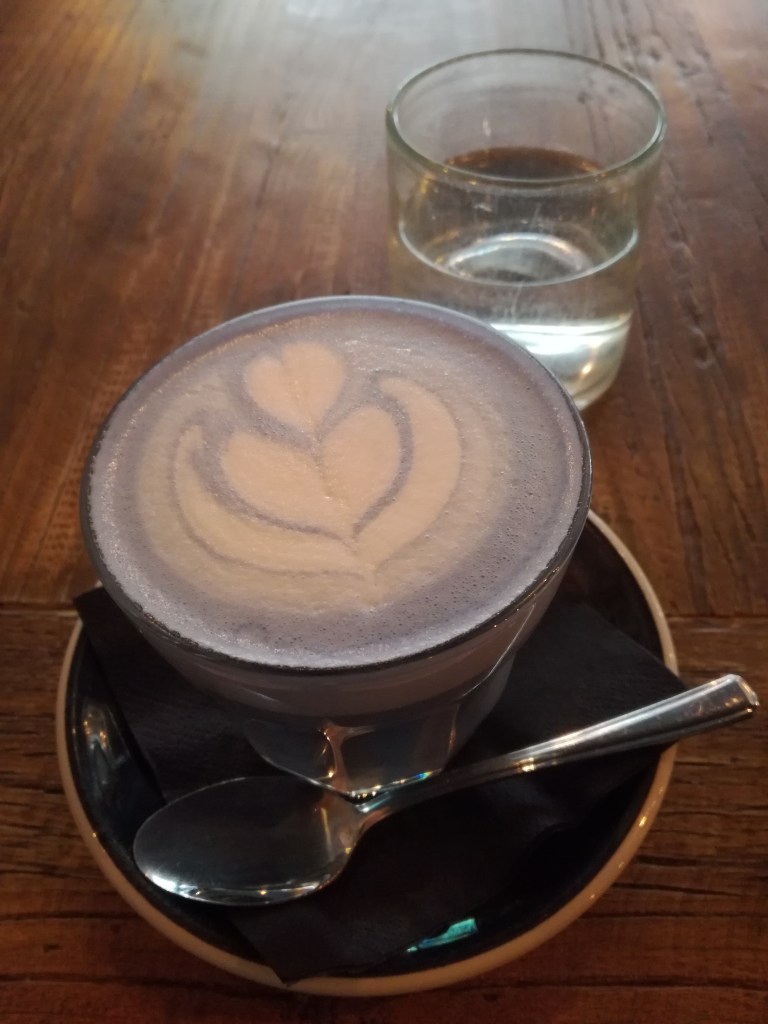
During daytime the city is quite crowded with other tourists, but in the evening most of the daytime visitors already left the city and the charming atmosphere will really impress you. I really felt like a time traveller: historical buildings, small hallways the dim light and the smell of the local dishes from the restaurants. Don’t get me wrong, across the city there are many modern cafés like the Urban House with “Blue Latte” and restaurants with traditional dishes. I really liked the Bryndzové halušky (small potatoe dumplings with local cheese). If you have the city card and I can strongly recommend it to you there a plenty of opportunities to learn more about the cities rich history and the connection to Hungary, because Bratislava was once the capital of the Hungarian Empire. Even Maria-Theresia had her coronation in the St. Martins-Cathedral. If you want to visit the many interesting churches, you really should check the opening hours in advance, because they can vary and we missed some of them. Bratislava is great in terms of planning a sustainable trip, because you walk the city quite easily. You can reach Bratislava by train via Vienna or during summer time you can also take the water taxi (which we will probably try next time :)).

vienna

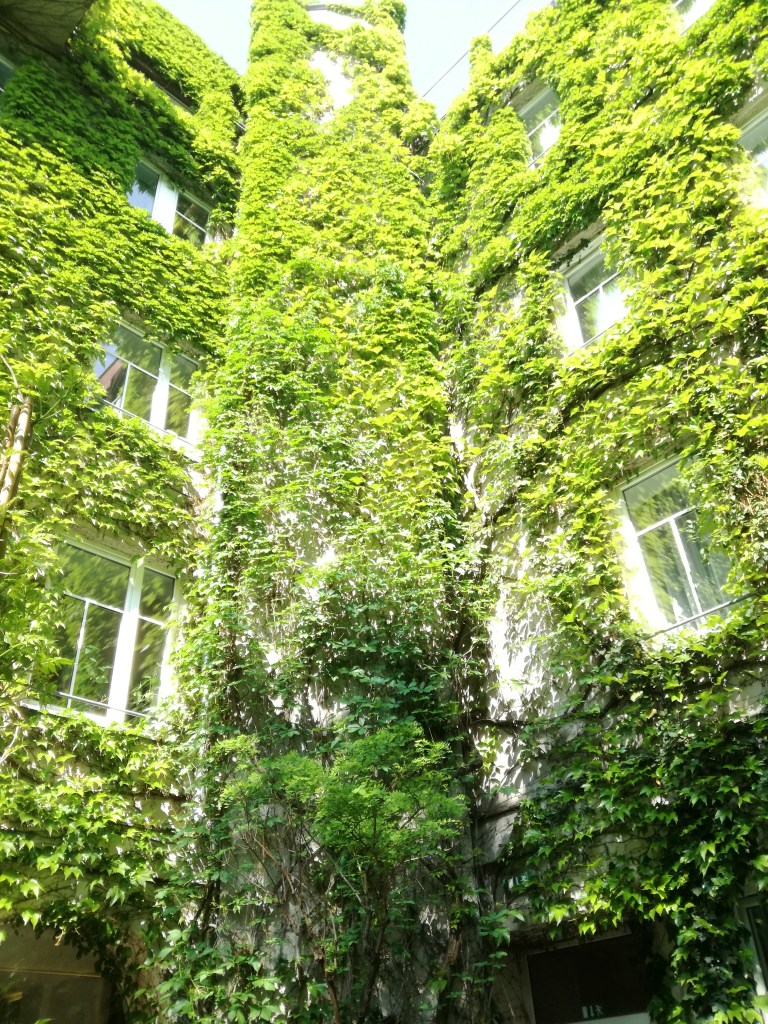
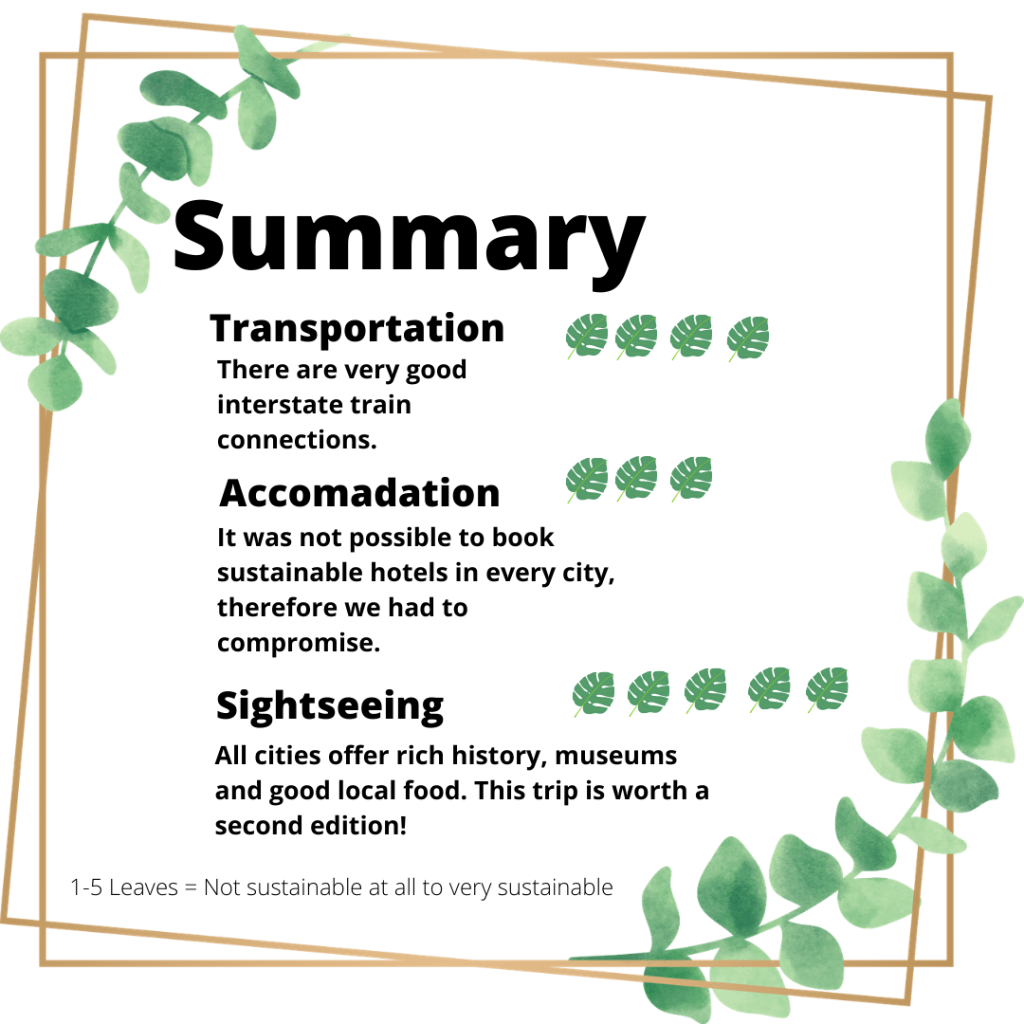
After our stay in Bratislava we continued our journey to Vienna. While researching about sustainable accommodations we had quite good hotels, but most of them didn’t offer or communicated about sustainable arrangements. As we really try to travel as sustainable as possible we were happy that we found a really good sustainable and locally run boutique hotel “Stadthalle Vienna”. We had a fantastic and organic breakfast which I enjoyed very much. The hotel also had a lovely and green inner courtyard and is a zero-energy-hotel which means that they produce the amount of energy they really need. They also provide a lavender garden to provide food for bees. You can also buy the lavender honey onsite, if you’re interested. The plants help to improve the energy efficiency of the hotel as well, because they are naturally cooling down the building. Feeling great and contributing to sustainability!

Inner courtyard of our hotel in Vienna

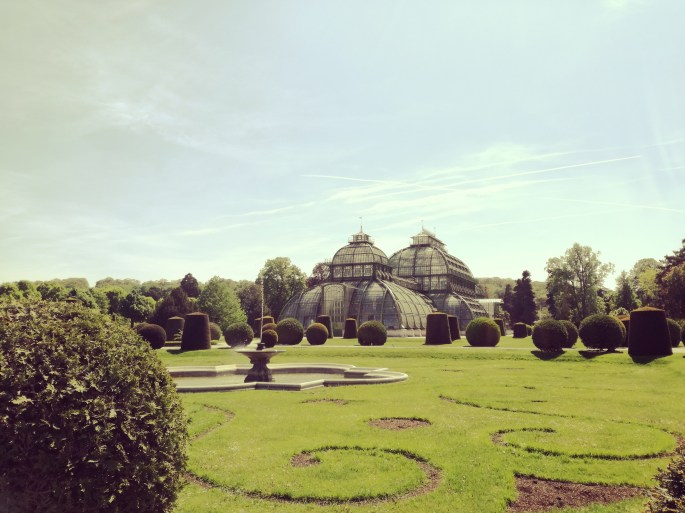
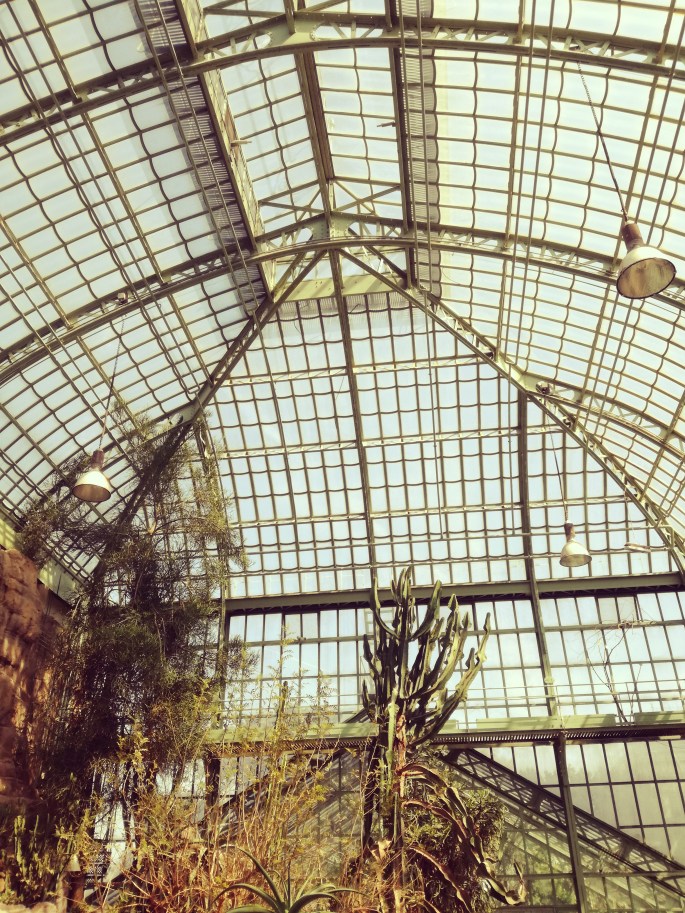
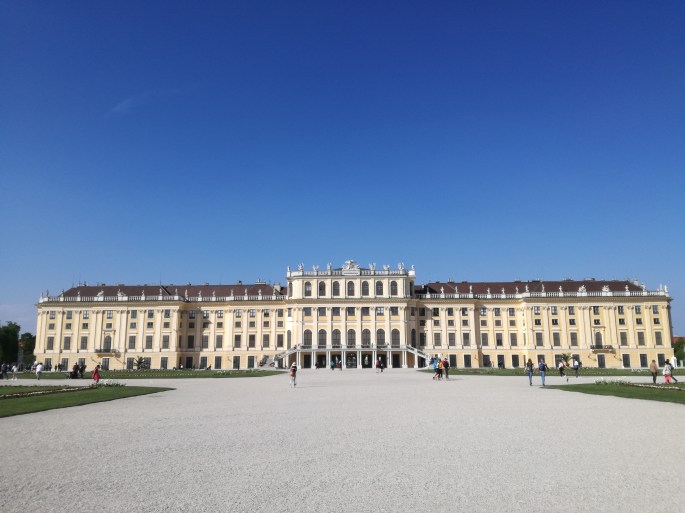
And also in Vienna we bought a city card to get easily access to the local public transport and to visit the Leopold museum which offers a lot of oeuvre from Egon Schiele and other well-known Austrian expressionists. Springtime in Vienna is really a must! You can discover the beautiful city and the romantic atmosphere in the gardens of Castle Schönbrunn and Belvedere! A place of lush green and relaxation at the “Palmenhaus” near Schönbrunn Castle. The Viennese kitchen also offers so many tasty food from the world famous “Sacher Torte” you really should try to other dishes.

All famous journeys end and the last step it was the overnight train from Vienna back to Germany.

[No paid ads]

A Green Tour de Ruhr

We can travel abroad to discover the beauty of the world or we can start right in front of our door steps. Good stuff can be so close, especially if you want to become a sustainable traveller.

Therefore, let me invite you to one of my favourite places that I have discovered from many perspectives and lately especially from a more sustainable one.

Ruhr-area

The Ruhr-area is home to more than 5 million people living in 53 different cities and it is shaped by its industrial history. Ok, but why can it be discovered in a more sustainable way?

Its history is a key to the current sustainable transition that is still going on and with it many projects came into live. Ruhrarea is a former industrial region which attracted people from many regions and countries. The main industries were coal and steel and many famous companies like Thyssen Krupp still have their headquarter in the area. The work was physically very hard. The former industrial factories are nowadays cathedrals of industrial design and locations of art and culture. The nature was reshaped, because masses of excavation material was shifted to dig deep below the surface. Chemicals entered the soil, the air was breath and the so called “dust lung” was a common desease among coal miners. But of course, coal mining isn’t sustainable anymore and the region went through heavy transformational processes. This is especially interesting in terms of sustainability and gives us a great example.

Let me show you around some of my personal favourite places I love to visit in terms of sustainability. The below describes places can easily be reached by public transportation. Ruhrarea provides a dense network and many opportunities to reduce your CO2-footprint.

Bottrop and halde (Slagheap) Haniel

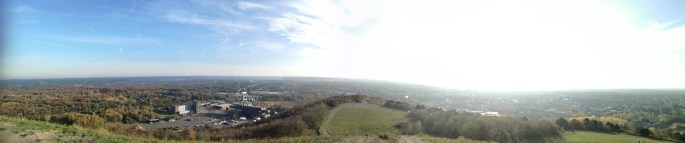
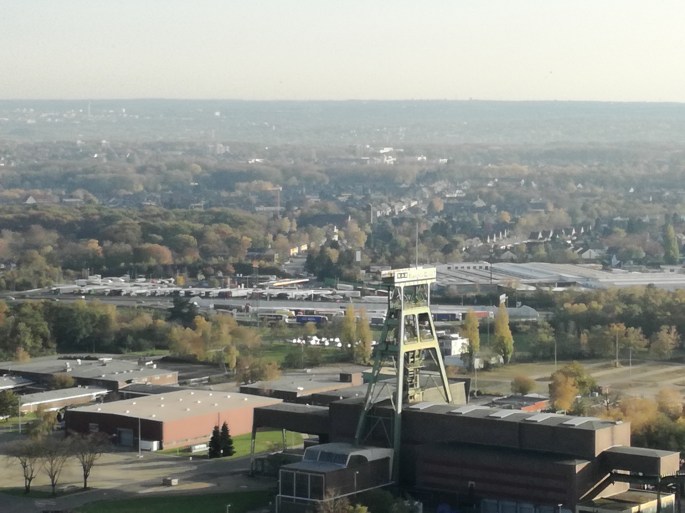
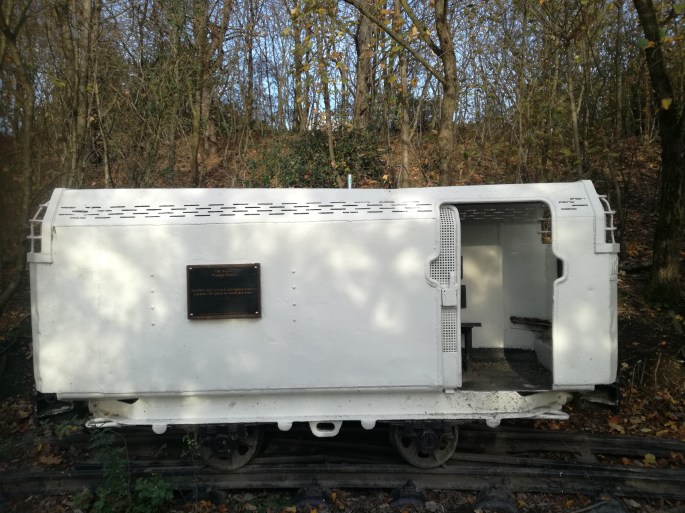
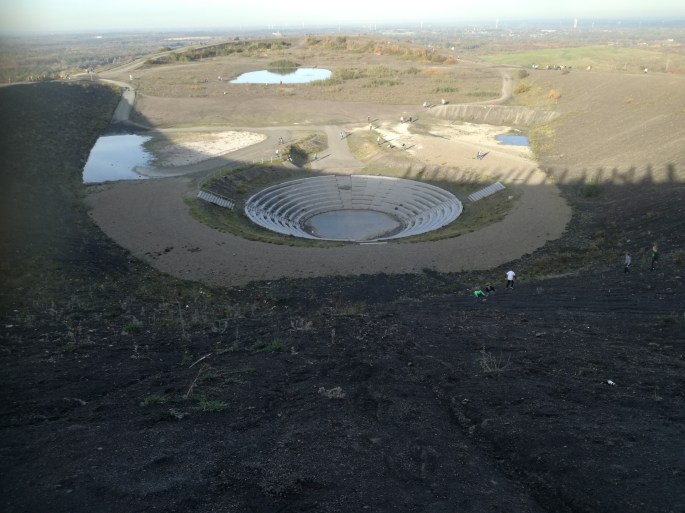
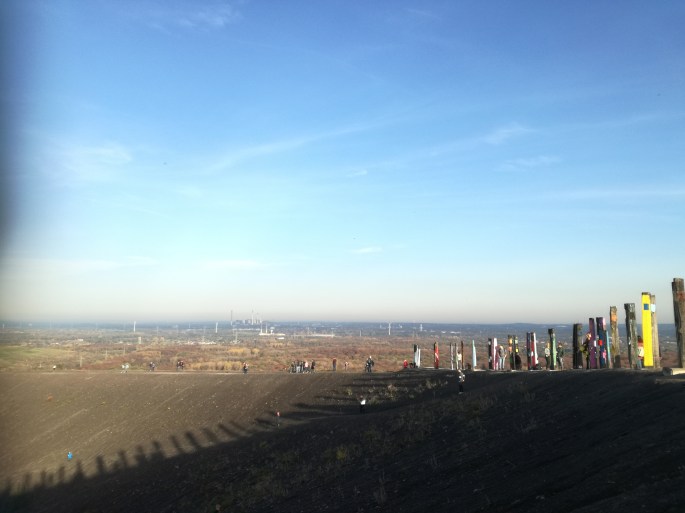
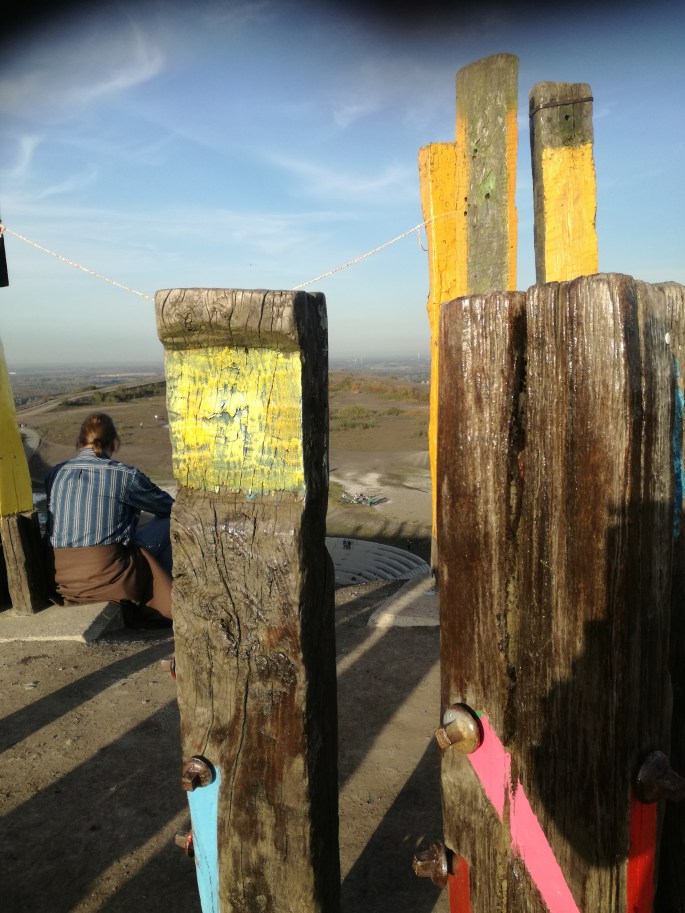
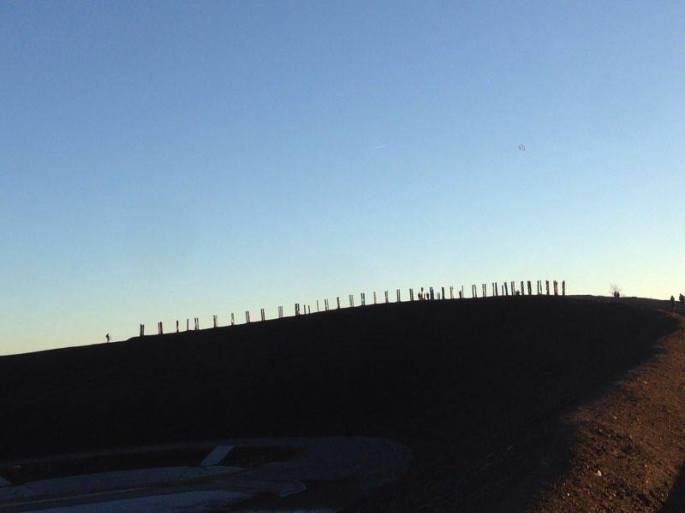
Let’s start in Bottrop which is called the InnovationCity Ruhr. Bottrop is a typical city of this region in which the last of coal mine was closed end of 2018. Many projects were run to make the city more sustainable and ready for the future. One of my favourite places is one of the slag heaps. These artificial hills were created from the excavation material of the coal mine “Haniel”. Probably you imagine a grey and stony hill, right? Sorry, to surprise you. Nature came back! When I was a small girl I played quite often down the slag heap and watched little frogs which you can observe in the area. It’s a beautiful green spot where you can enjoy a little hiking or mountain bike tour. Usually, I go hiking and enjoy the scent of wild roses and the lush green in spring or summer time. Some interesting facts are that Pope John Paul II visited slag heap in 1987. When you take the way starting at the settlement of “Kleekamp”-street you will follow the track to the top which will give you further insights about the history of this place. Some of the old work equipments lurk beside the way and provide you with an idea about hard work and the fine work of engineers who created amazing machines for the hard work down the earth. The top of the slag heap offers a fantastic view above the Ruhr area. But stop… the way doesn’t end at the plateau where you will find the cross. If you wanna have an idea how transformative the region truly is… just go beyond (your imagination). Follow the path to the place where the vegetation nearly ends and the scenery changes to grey. If you wanna have an idea how the moon might look just go to the open air theatre and to the art installation of the Basque artist Agustín Ibarrola. The amphitheatre is also a place for art and culture, because famous plays like Aida where performed here. What do you think? Do you feel a place where nature and the creative mind are connected? Stay there for a while and enjoy the beautiful view. This place is very special to me, because it shows how nature is conquering back almost shabby places and turns it into a place of recreation and art. It’s even surreal to see the top with the art installation and the amphitheatre, because the scenery changes so much that you have the impression to be somewhere else.

Bochum

  • Another city I really like and visit from time to time is Bochum, because it’s a nice example for sustainable urban areas where people push forward a sustainable lifestlye. You really can observe that sustainable transition is in the mind and heart of Bochum’s inhabitants. You’ll find many sustainable shops and cafés. I really like to see “Bioku” from time to time which is located in Bochum Hamme close to the city centre. It’s not even a typical zero-waste store, but they also offer sustainable workshops. I already joined one last year and it was a good one to focus on my own sustainable journey, because I find it still very hard to avoid plastic. Check out their homepage for further events! What I really like about the shop are the variety of products and the staff really knows a lot about its origin and give support if you’re looking for special items. On top they offer co-working spaces and are much more than a usual zero waste store. If you need you are a sweet tooth and love ice cream Bochum offers, in my humble opinion, a great place for ice cream lovers. But this time, I’ll focus only on one store, otherwise I should write a separate article 🙂 If you start at Bioku one special ice cream store isn’t that far. Just go to Kugelpudel which is an ice cream bar and a great place for those who like plant-based food, because this special place offers a rich variety of vegan ice cream and cakes. Usually, I try the ice cream and I really love it! It tastes very natural and is so yummy.
  • If you go to the city and are in the mood for shopping I strongly recommend to go to Kong Island. It’s a small vegan fashion store with sustainable and cruelty free fashion. Personally, I also buy some of my clothing there, because the owner and the staff really know a lot about the supply chains, the origin and the material of the clothes. If you need glamour and a looking for a special dress go to Baltz next door which is one of the most famous department stores in the whole area and a nearly 200 years old history. At the highest level of the store is a nice café which offers a great view above the city and delicious cakes (try the famous strawberry cake in summer time ;)).
  • Enough of shopping and in the mood for some historical facts? If you want to know more about the history of Ruhr Area, I recommend you the “Deutsches Bergbau Museum”! The museum was renovated and I visited it before the renovation. But what’s really amazing is a tunnel for visitors that shows you the huge machines which were used during the days when coal mines were still operating. That’s really impressing and a must see for those who are interested in technology and engineering. You get quite interesting insights about this industry which strongly influenced Bochum and the other cities in Ruhr area. One famous sight is the old shaft tower which can be visited as well. High above the sky you can enjoy an astonishing view around Bochum and maybe you can also discover other sights of Ruhrarea!
  • At the end of the day you can enjoy one of the most popular areas for dinning and nightlife: the Bermuda Triangle! You’ll find many bars and restaurants here. Just have a look and maybe enjoy a fresh beer from the local Fiege brewery!

Glück auf and stay green!

If you like this article just follow me for more sustainable travel inspiration 🙂

[No paid ads!]

Further links:

https://www.vrr.de/en/timetable-mobility/journey-planner/

  • Start from Sterkrade main station and take bus no. 962 and leave the bus at the bus stop “Kleekamp”

How to reach all these places?

The most sustainable way is to take public transportation!